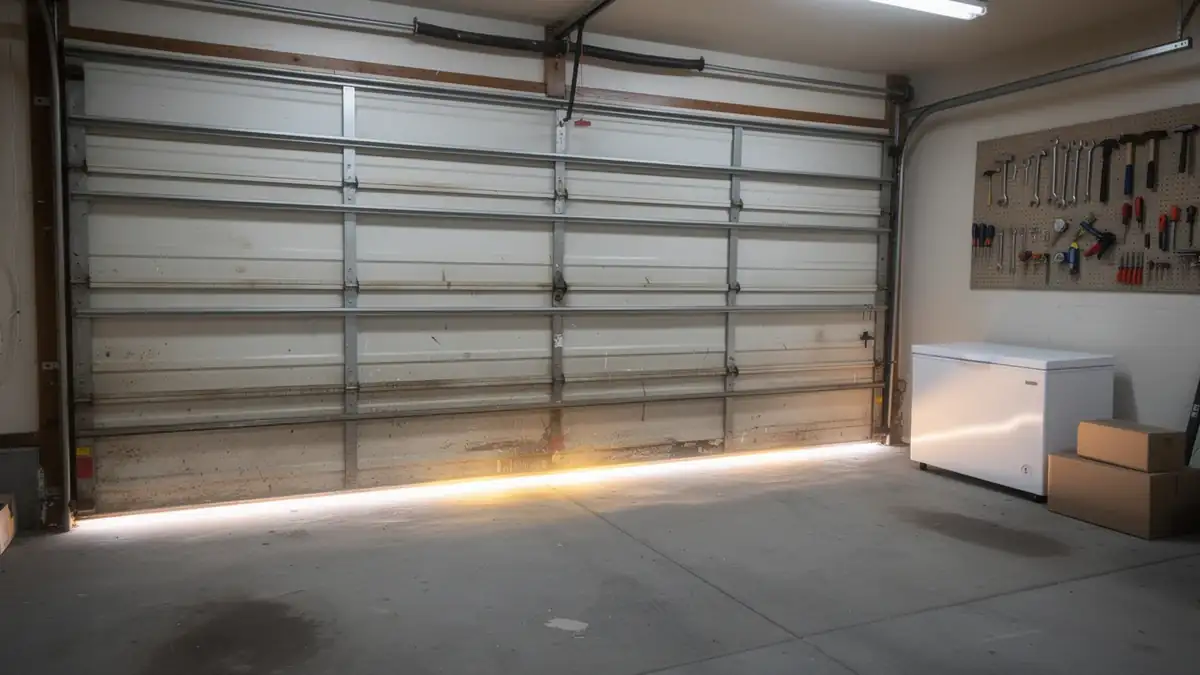
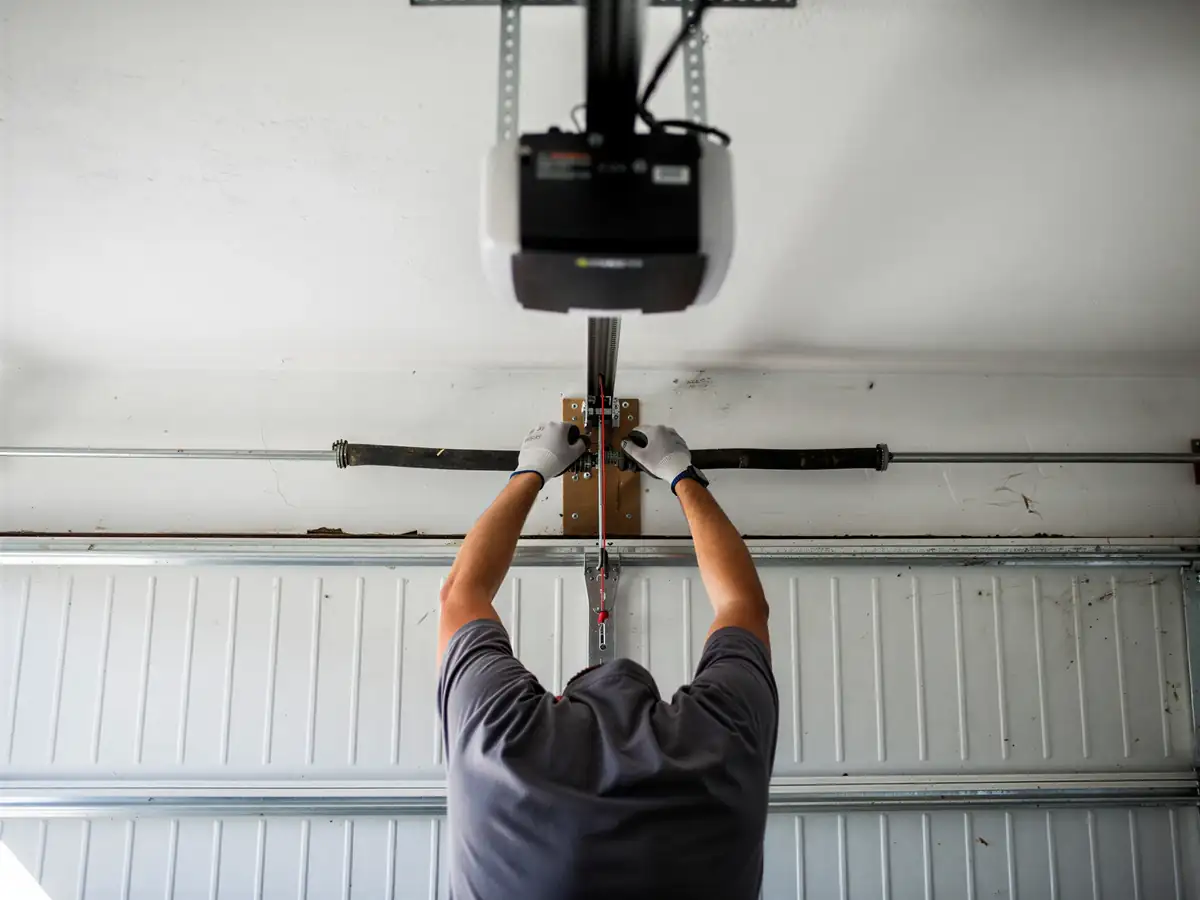
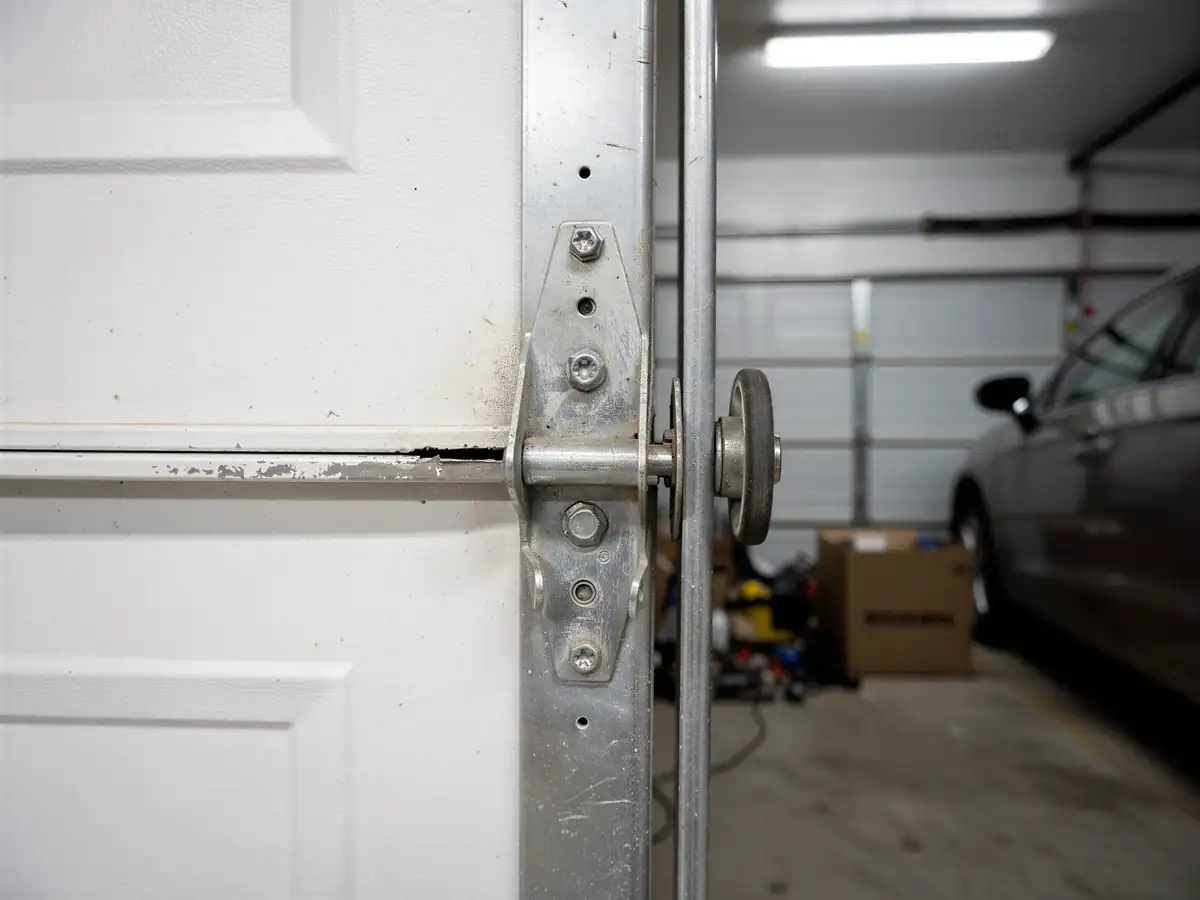
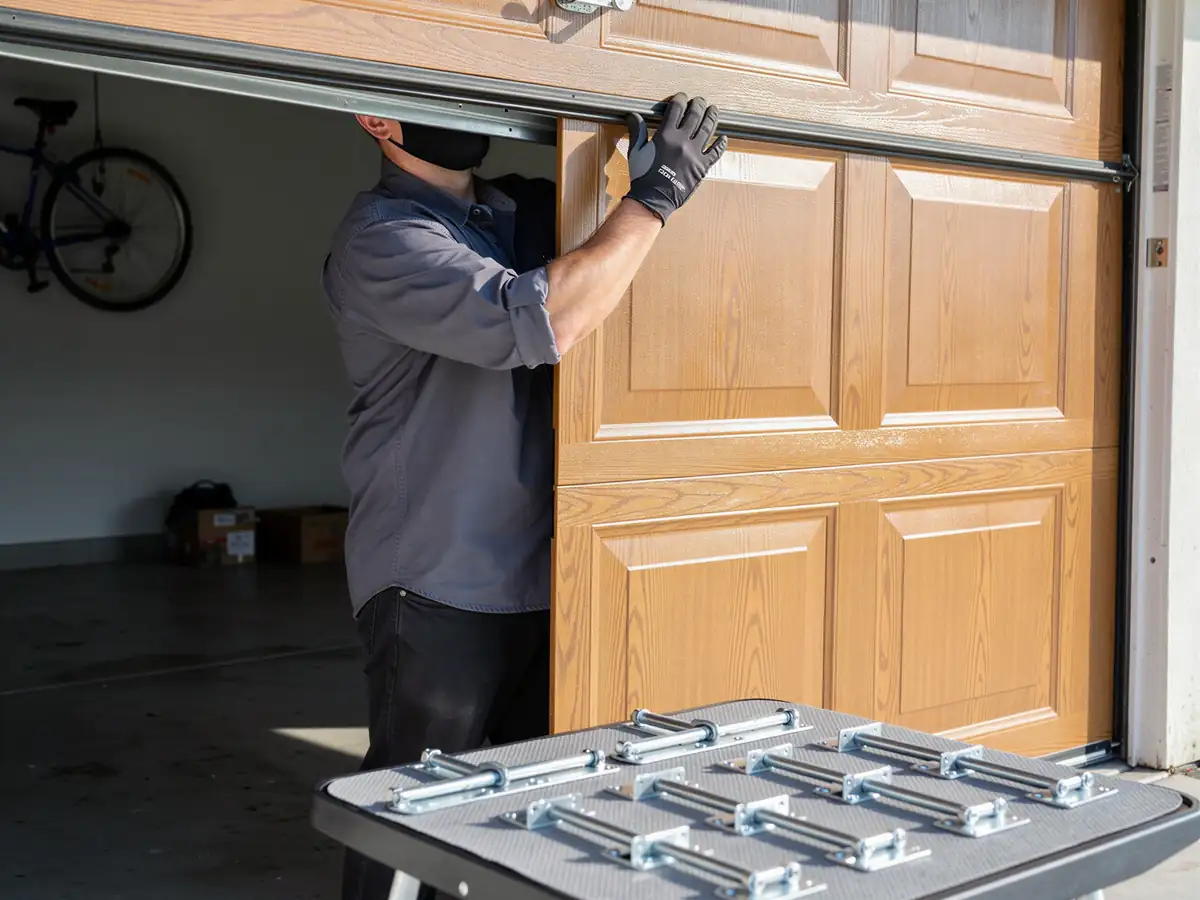
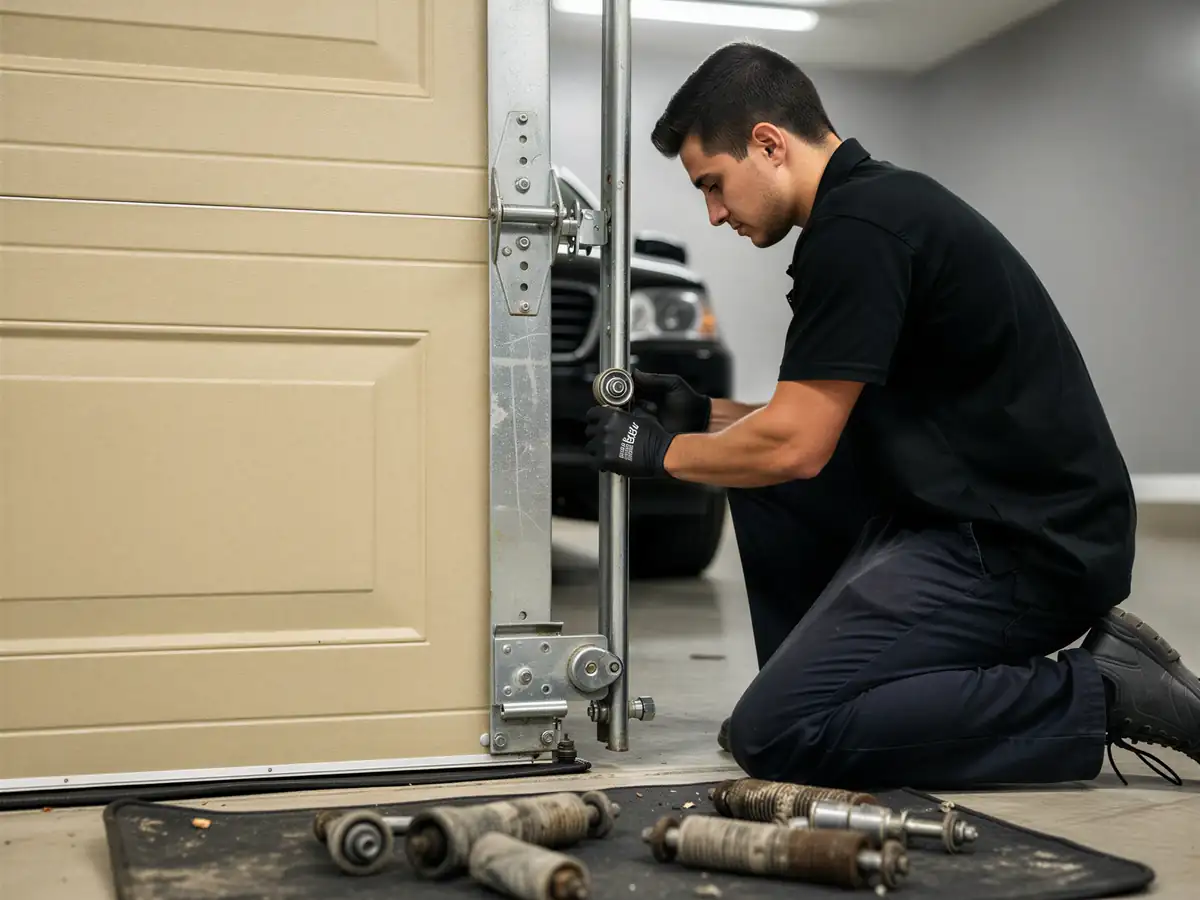
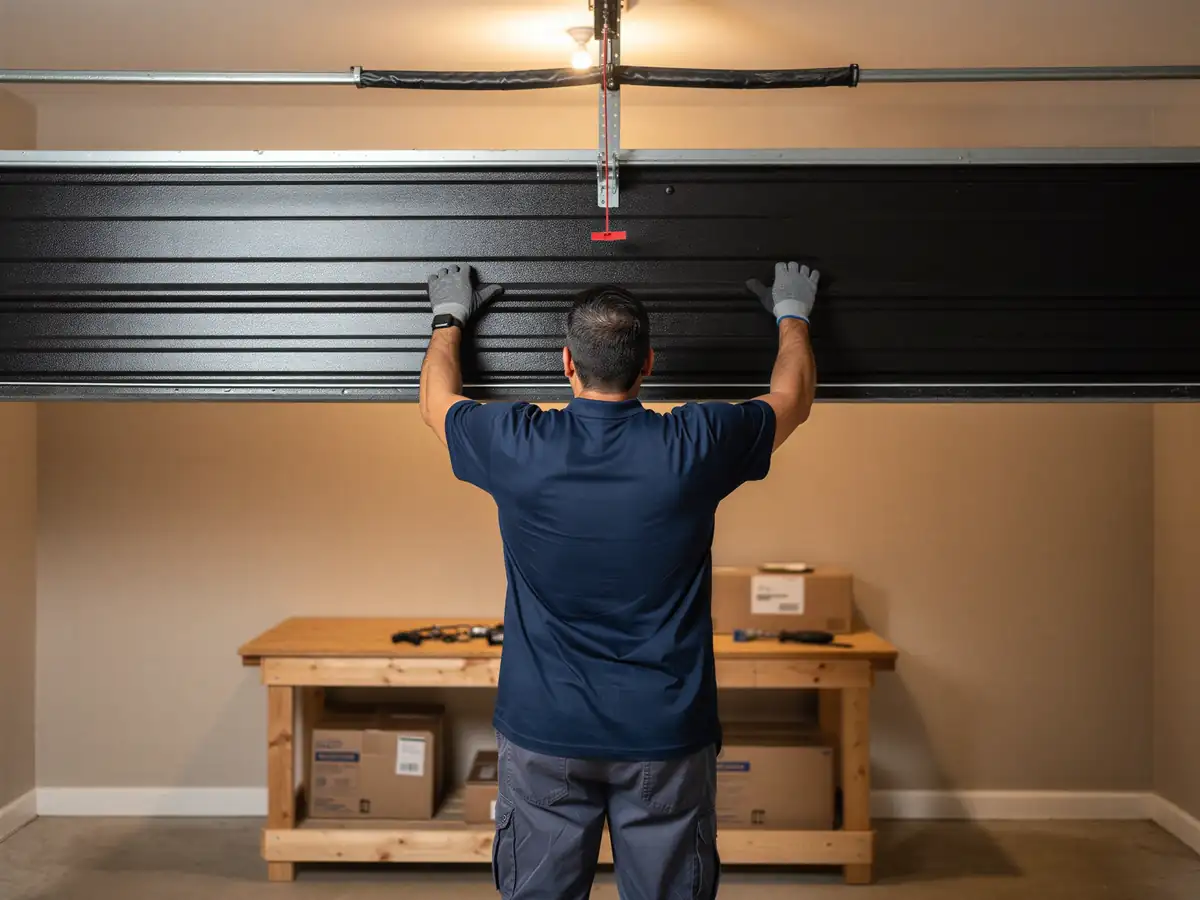
Carson City sits in a severe cold climate band, and that matters more for a garage door than almost any other part of the house. Steel panels contract in freezing temperatures, and on doors built before insulation requirements were standard, there's nothing inside the skin to slow that movement down. You get gaps at the bottom seal that weren't there in July, hinges that bind because the metal has pulled tighter around the bolt holes, and openers that strain harder just to break the door loose from a frozen track. None of this is damage exactly - it's just an uninsulated door doing what uninsulated steel does when the temperature drops hard overnight, which it does here. The fix usually isn't a new opener. It's addressing the door itself, because a motor can only push so hard against a slab that's fighting back.
The Situation
Housing across this area was mostly built between 1938 and 2003, with the median landing around 1976 and the bulk of it dating to the 1960s and '70s across the fourteen named areas we work in. That's a long run of construction that predates any real insulation standard for garage doors specifically - those rules came later, and retrofits were never mandatory. So a large share of the roughly 16,650 owner-occupied houses here still carry a single-layer steel or wood door that was never built to hold a thermal break. It's not a flaw in the house. It's just the era it was built in, and it shows up every winter as a door that's noisier, slower, and colder to the touch than a newer install down the street.
What Local Conditions Do
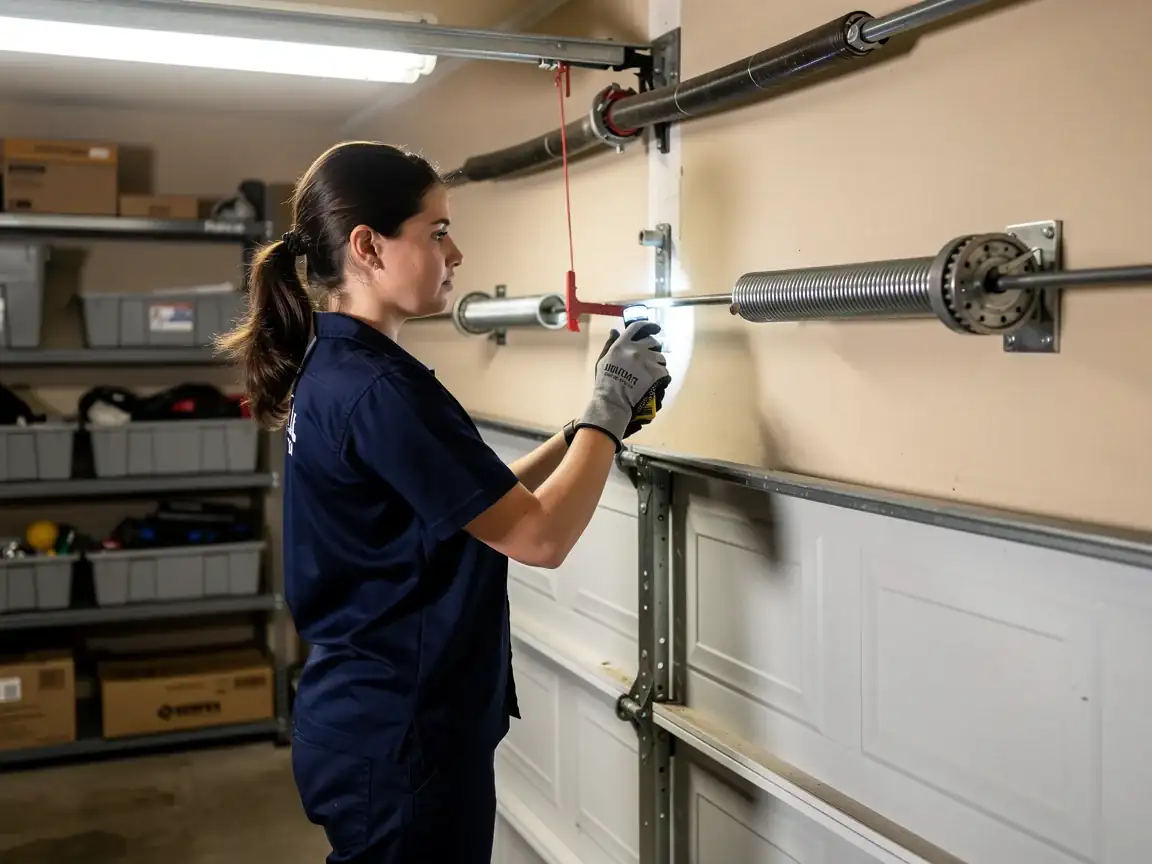
An uninsulated door in a severe cold climate does three predictable things over time. The panels flex more with each freeze-thaw cycle, which loosens the fasteners holding hinges and track brackets - small movements that add up to a door that rattles going up and down. The bottom seal hardens and cracks faster because cold rubber doesn't flex the way it should, so the gap at the slab lets in more cold air than the seal was ever designed to stop. And torsion springs on these older doors work harder in low temperatures, since cold steel is stiffer and takes more force to wind and unwind - that shortens spring life on a door that's already decades past its original hardware. None of this means the door is failing. It means it's an uninsulated door running in conditions it wasn't built to insulate against, and the wear shows up faster here than it would in a mild climate.
Where People Go Wrong
The most common mistake we see is someone replacing a spring or a roller on one of these older doors and assuming that solves the cold-weather noise and drag. It doesn't, because the spring wasn't the real problem - the uninsulated panel and hardened seal were. We'll say plainly: if your door was built in that 1960s-70s window and it's still on its original hardware, a panel or full door swap to an insulated model often makes more sense than another round of part repairs, especially once you're replacing the same component a second time. That said, we don't push replacement on every older door - plenty of them are solid and just need the seal and hardware brought up to date. The honest answer depends on what's actually wrong, not just how old the door is.
On houses built before insulation standards, the steel panel has nothing inside it to dampen movement, so cold temperatures make it contract and flex more. That shows up as rattling hinges and a louder bottom seal contact. It's normal for a door of that era, not a sign of failure.
Is it worth insulating an old garage door instead of replacing it?
Sometimes. If the panel and track are in decent shape, an insulated retrofit kit can help with noise and temperature. But on doors from the 1960s-70s that are already due for hardware work, a full insulated door often costs less over time than patching an uninsulated one repeatedly.
Do older homes in this area commonly have uninsulated doors?
Yes. Housing here was mostly built between 1938 and 2003, with the median around 1976, well before insulated garage doors were standard. A large share of the owner-occupied houses in this area still have original or early-replacement doors without a thermal break.
Ready to get your garage door sorted?
Tell us what it’s doing and where you are in Carson City - we’ll take it from there.