What Can Go Wrong
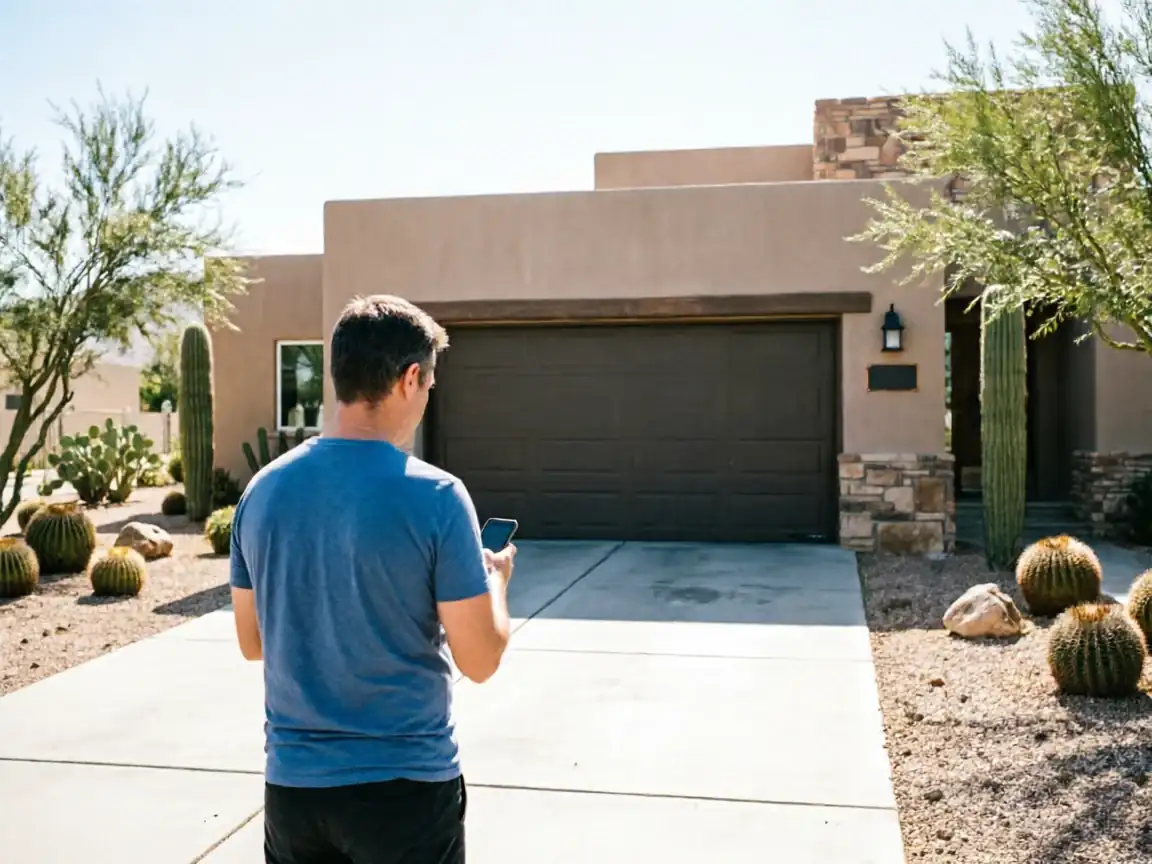
The call we get most from Carson City homeowners is a door that won't open
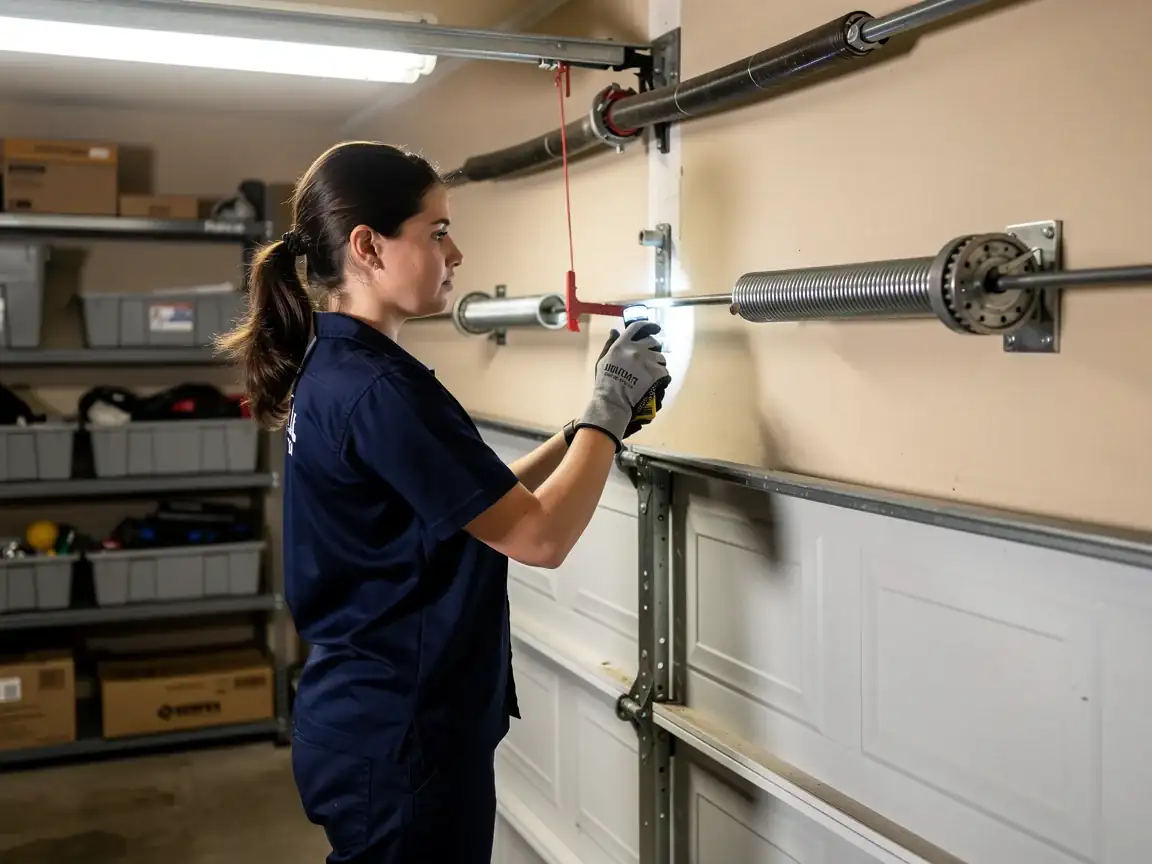
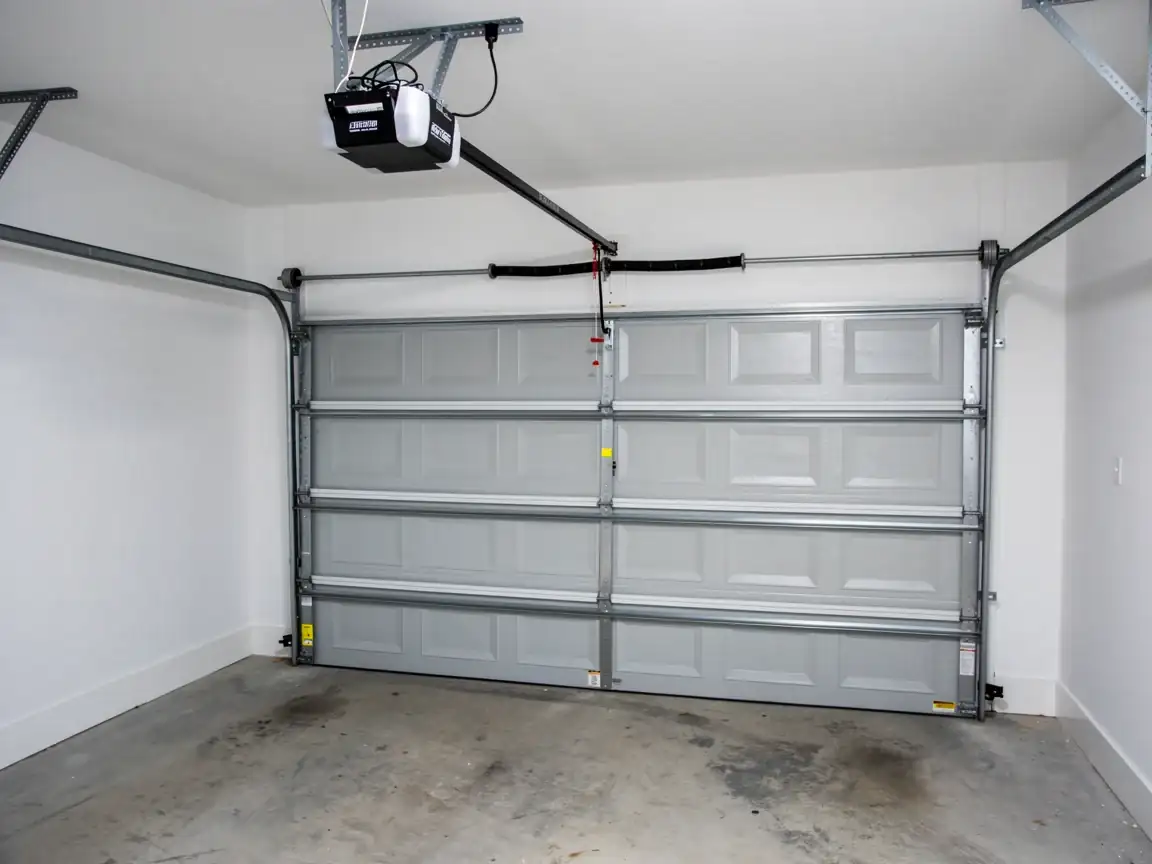
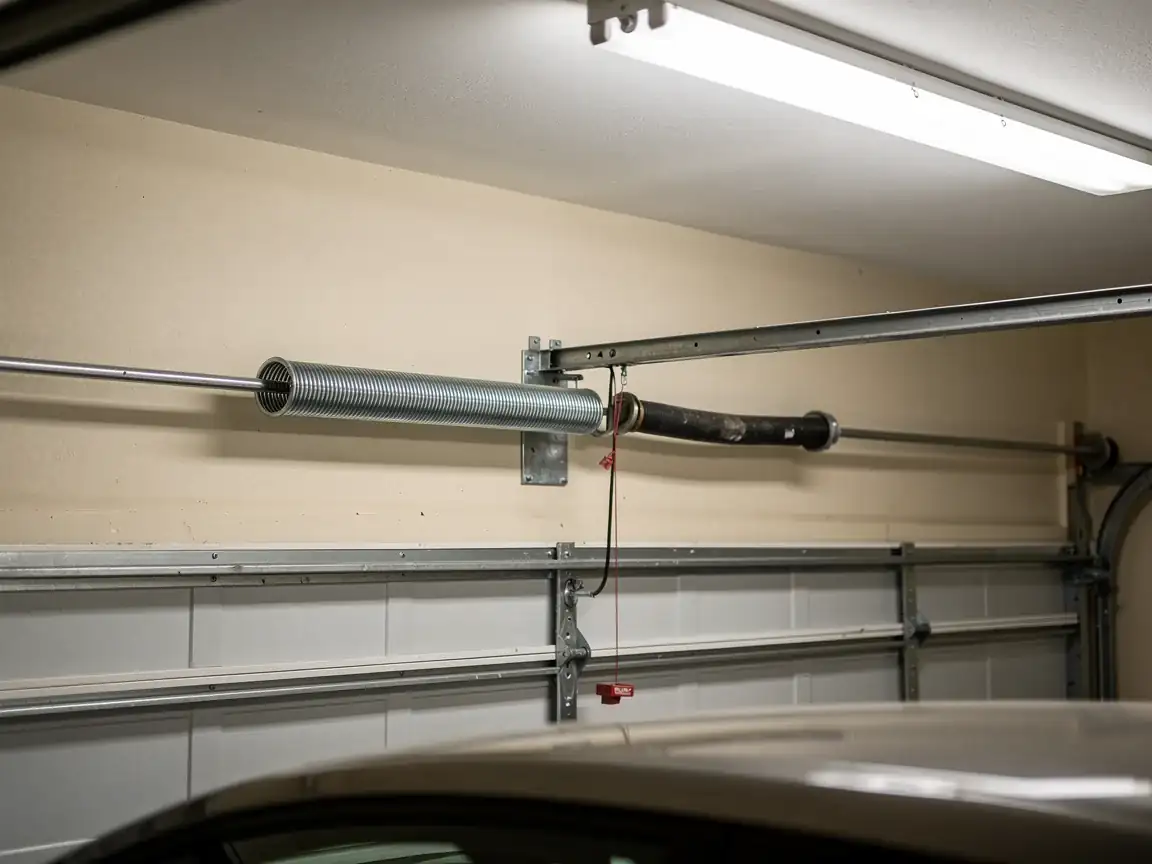
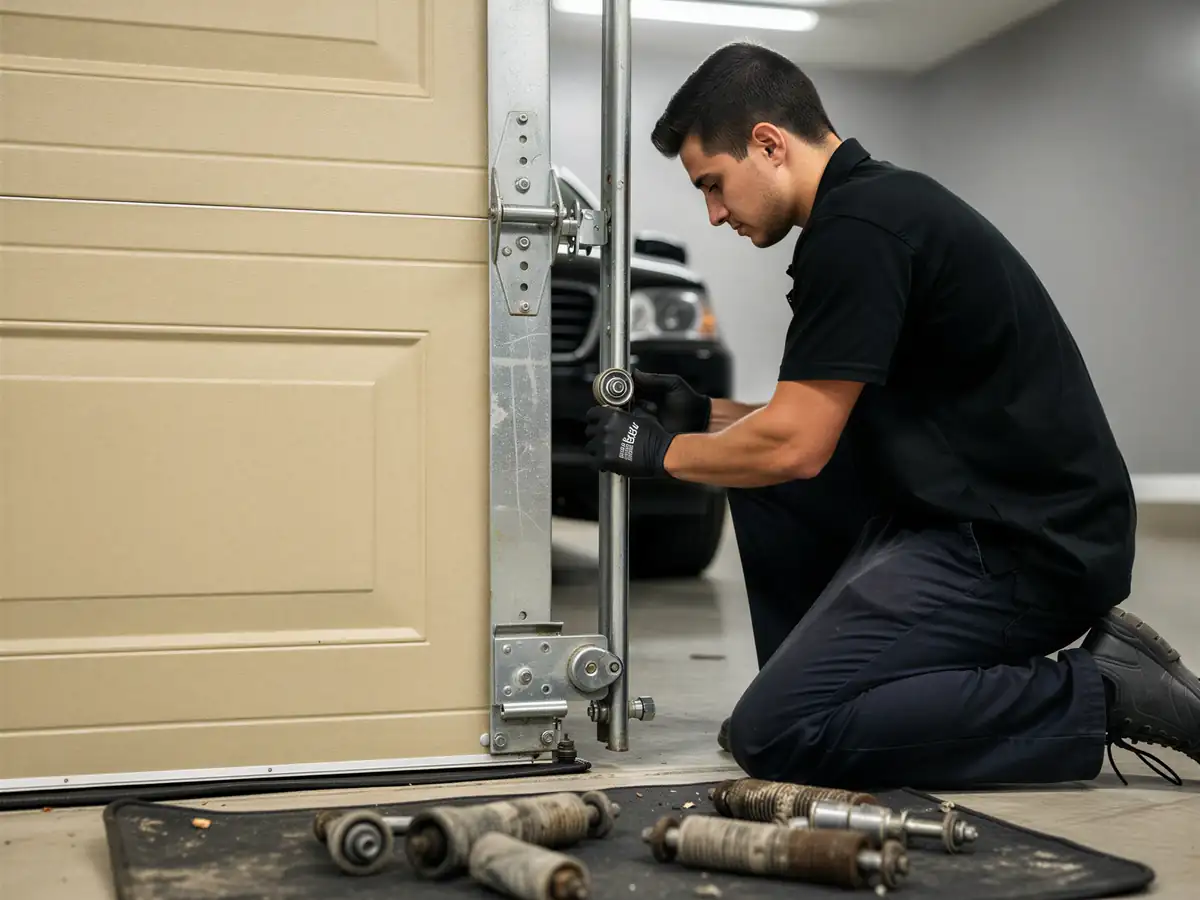
Or one that opens a few inches and stops. Nine times out of ten that's a broken torsion spring - the coiled bar above the door that does the actual lifting work, not the opener. Housing in this service area was built mostly between 1938 and 2003, with the median sitting around 1976, and across the 14 named areas we cover, the bulk of that stock is 1960s and 70s construction. Springs on doors that old are well past a normal service life, and a lot of them were never upgraded when the opener was replaced years later.
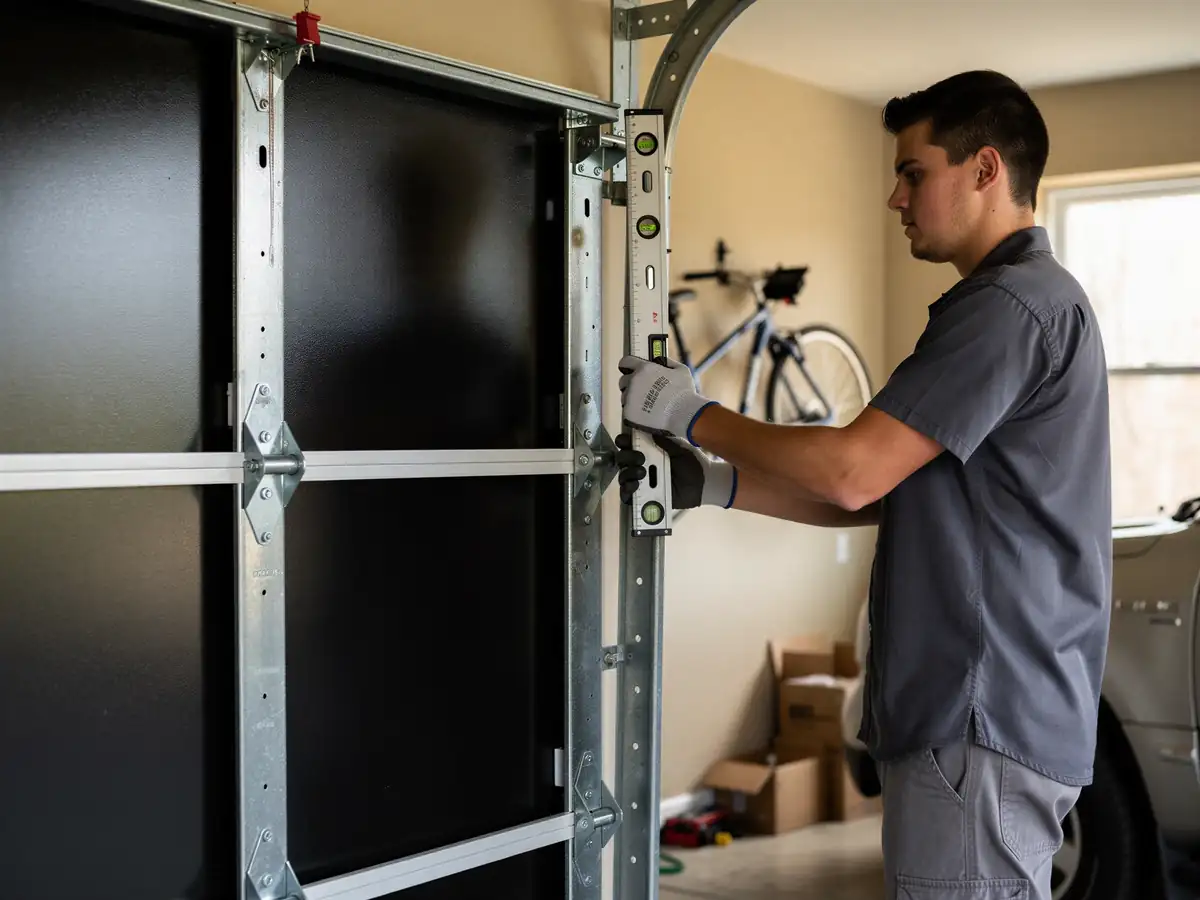
Track misalignment is the second most common issue
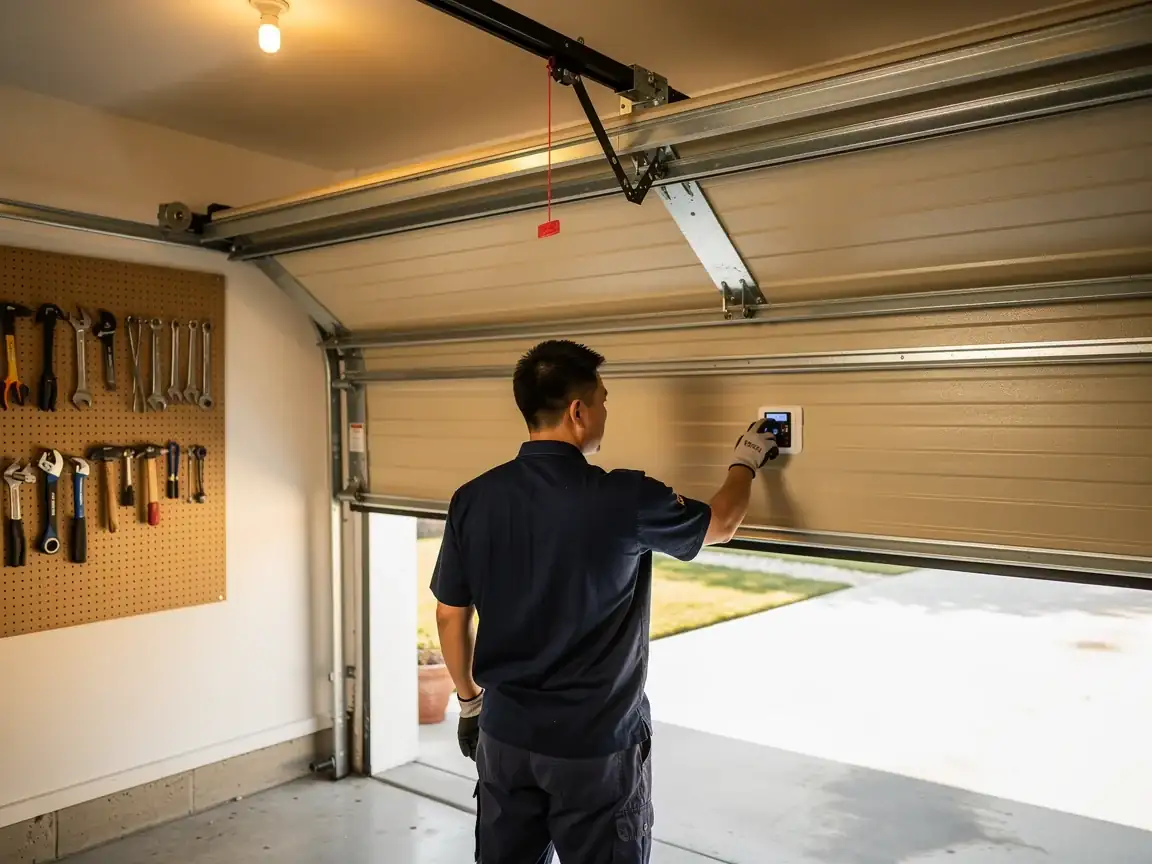
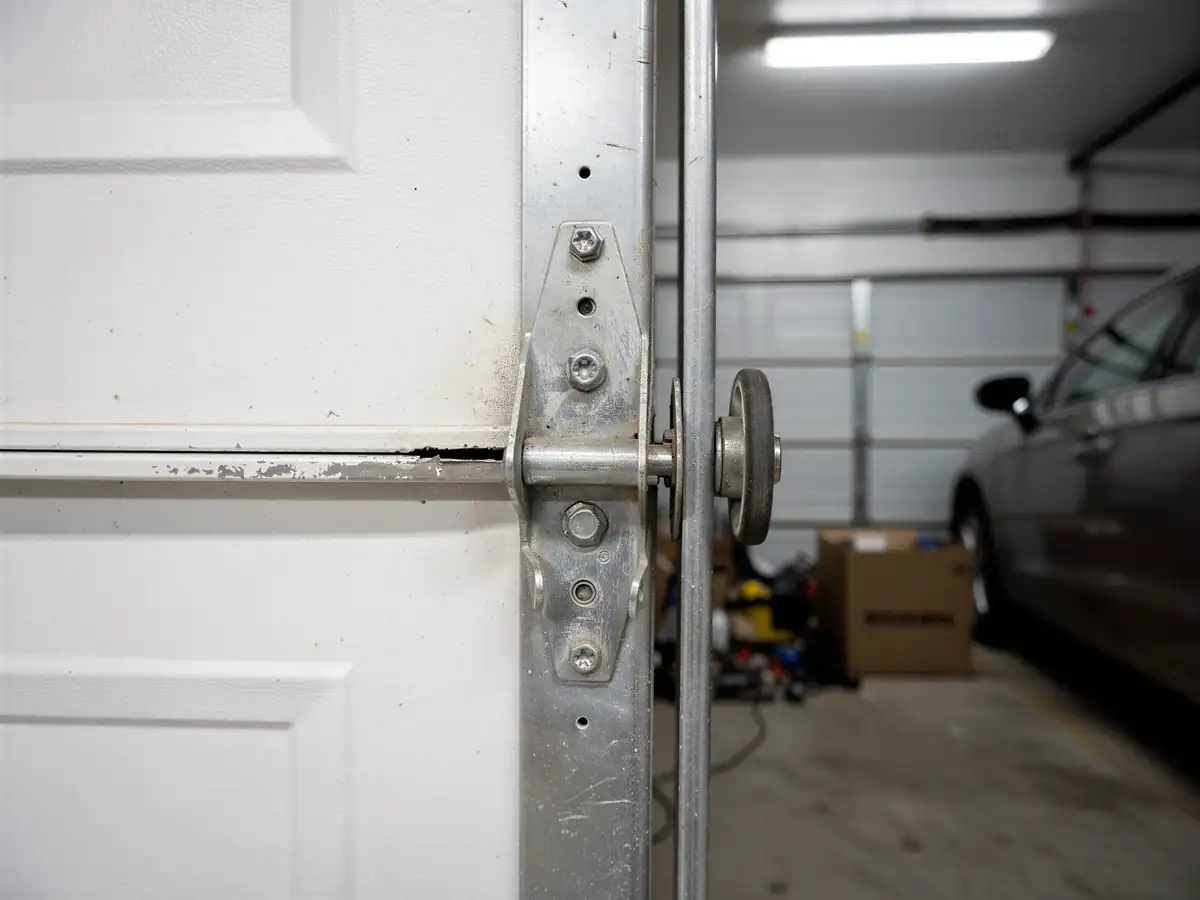
On older single-car doors with the original rollers, a bent track or a roller that's worn its groove down will cause the door to bind partway through the cycle, which stresses the opener motor and the cables. Cable fray shows up a lot on doors from this same 1960s-70s band, since the galvanized cable used then doesn't hold up as long as current coated cable. We also see opener logic board failures, but those are usually tied to age of the unit itself rather than the house.
The Symptom
Cold mornings are when most of these failures show up. A door that worked fine the night before won't budge, or it starts up and reverses halfway through the cycle. That's consistent with what severe cold-climate conditions do to steel springs and the grease inside an aging opener gearbox - both stiffen up and lose tension capacity as temperatures drop, and a spring that's already fatigued from decades of cycling is the one that finally lets go on the coldest day of the stretch.
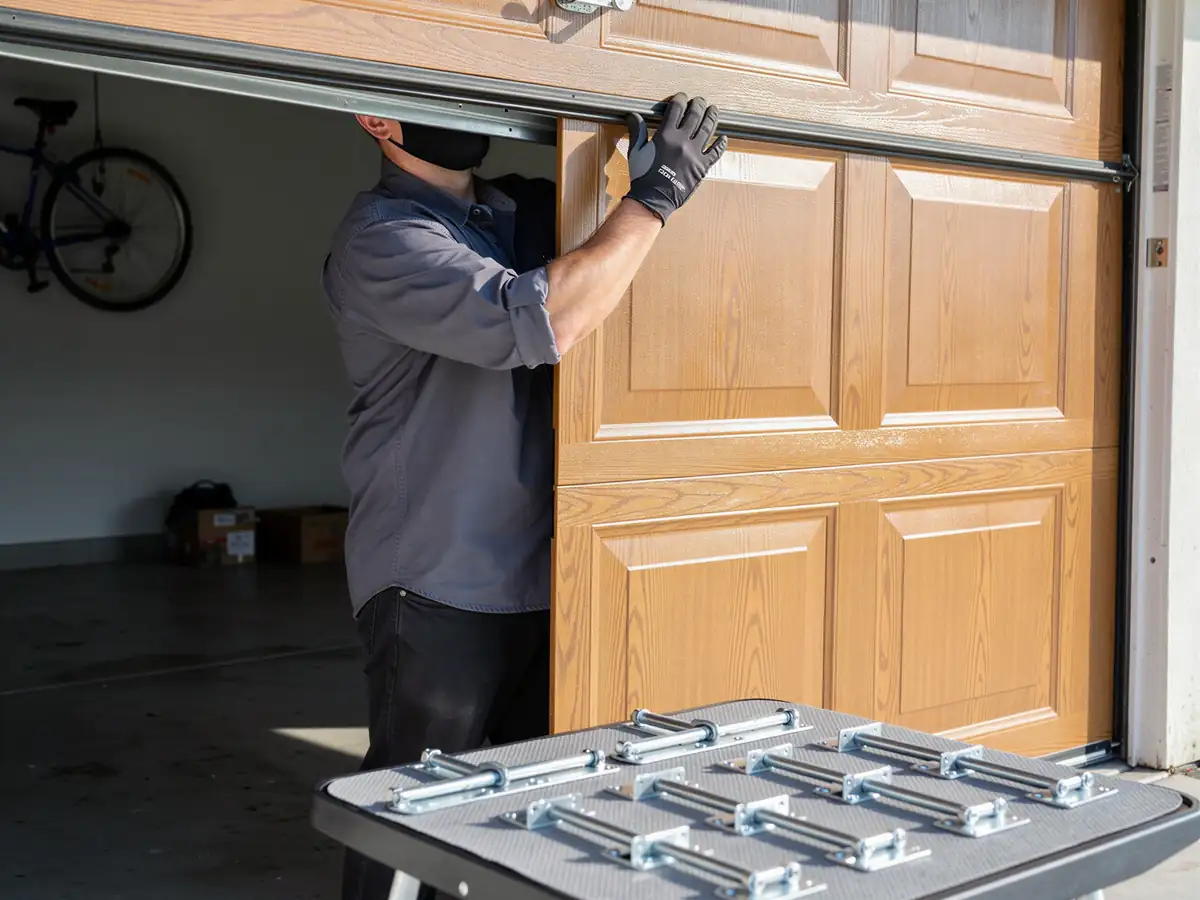
A slower, quieter symptom is a door that's noticeably heavier to lift by hand than it used to be. That usually means the spring is losing wind tension gradually rather than snapping outright, and it's the kind of thing that gets dismissed as 'the door just needs oil' for months before it fails outright. If you've got an older one-piece door instead of a sectional, a stuck or bound panel is a different repair path entirely, and it's worth telling us that on the phone so we bring the right parts.
Doing It Yourself
There's real DIY room here, and we'd rather you not pay a truck roll for something you can check in five minutes. Rollers, hinges, and track bolts are all things a homeowner can inspect and tighten safely with the door closed and the opener unplugged. Lubricating rollers and hinges with a garage-door-specific lithium grease, not WD-40, is worth doing once or twice a year and it genuinely extends the life of the hardware.
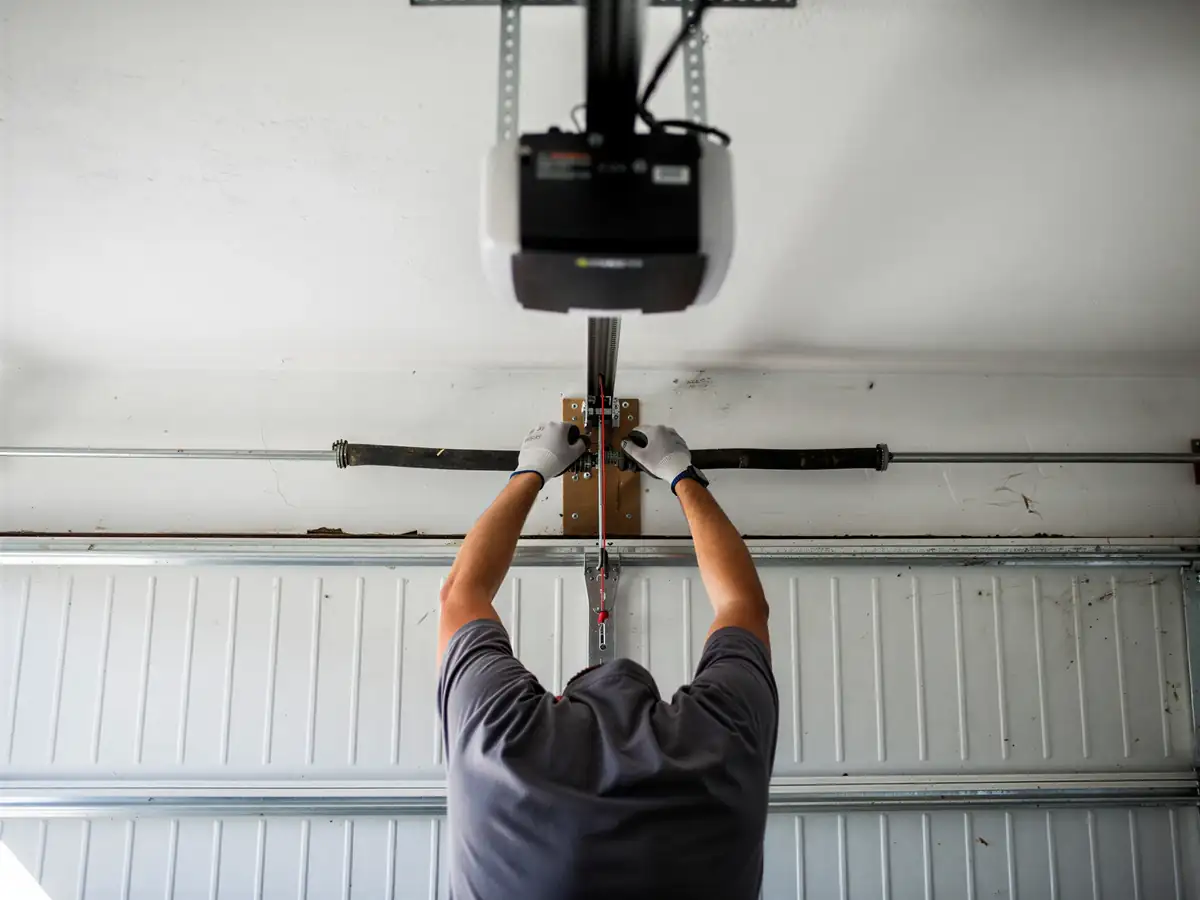
What you shouldn't touch is the torsion spring itself. It's wound under several hundred pounds of tension and it has put people in the hospital for trying to adjust or replace it without the right winding bars and clamps. That's the honest limit here - we'll walk you through almost anything else over the phone, but spring work is a job for someone who does it daily. If your door is original to a 1960s or 70s build and you haven't had the spring serviced, that's the one thing worth getting looked at before it fails on its own schedule, not yours.
Why It Happens Here
Two things stack up against garage doors in this area
The first is age: with a median construction year around 1976 and most of the stock from the 1960s and 70s, a large share of the roughly 16,650 owner-occupied houses among the 21,860 households here are still running original or first-generation replacement hardware. Springs, tracks, and cables all have a working life measured in cycles, and houses this old have put a lot of cycles on their doors.
- 16,650 owner-occupied
- 21,860 households
The second is climate
Carson City sits in a cold band rated severe, and that kind of seasonal swing is exactly what accelerates metal fatigue in torsion springs and dries out the lubrication in rollers and opener gearboxes faster than a milder climate would. Put an older door through that cycle year after year and the failure isn't really sudden - it's the last step of wear that's been building for decades. Homes out toward Virginia City, about 12 miles from the center of town, see the same pattern; distance from town doesn't change what cold does to a 50-year-old spring.
- 12 miles