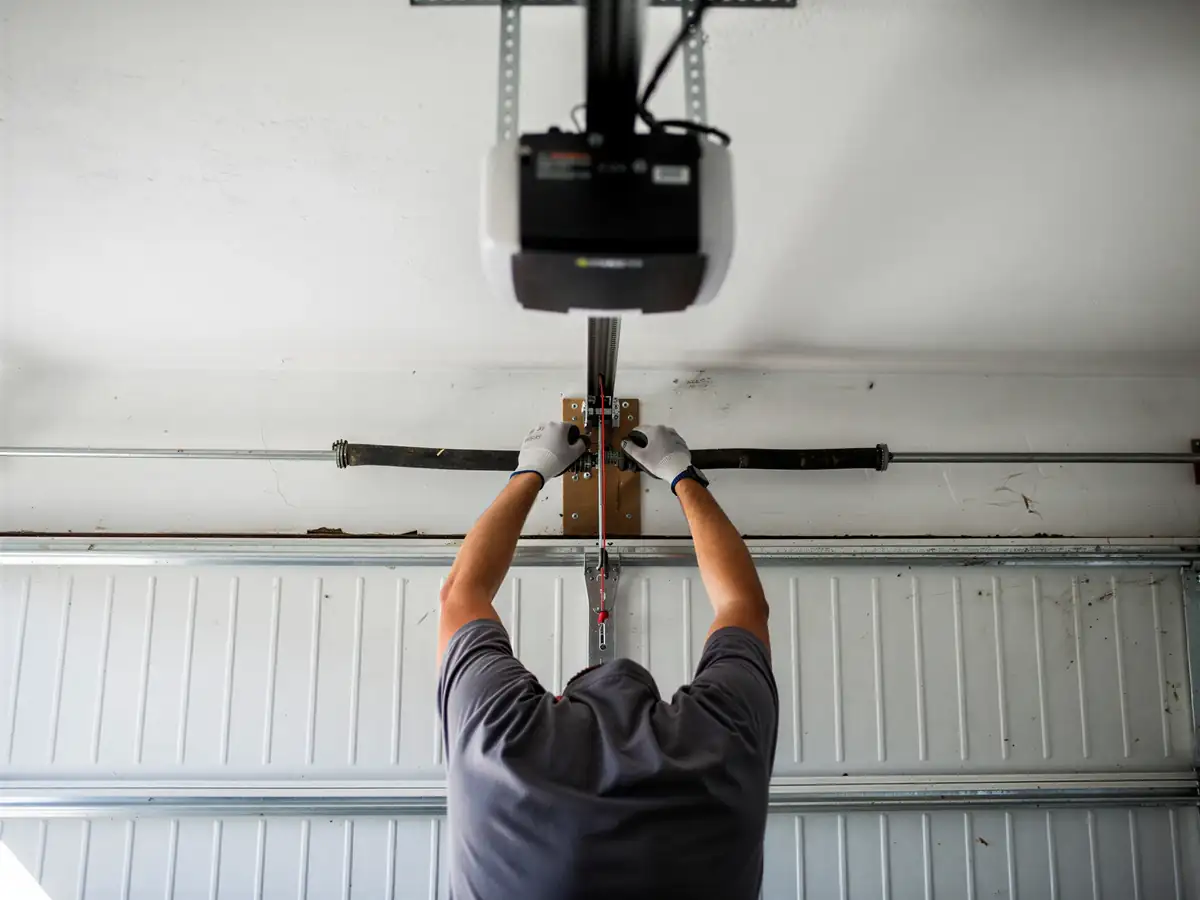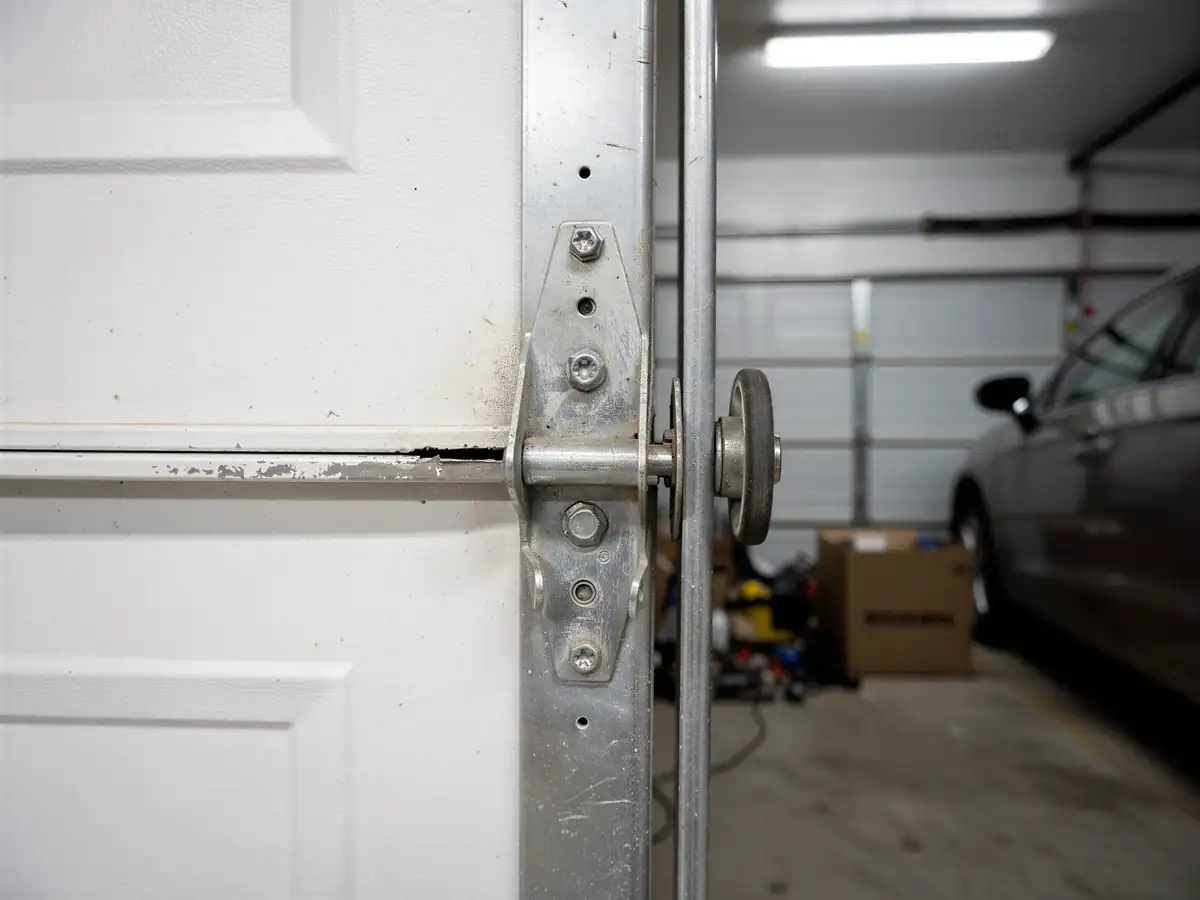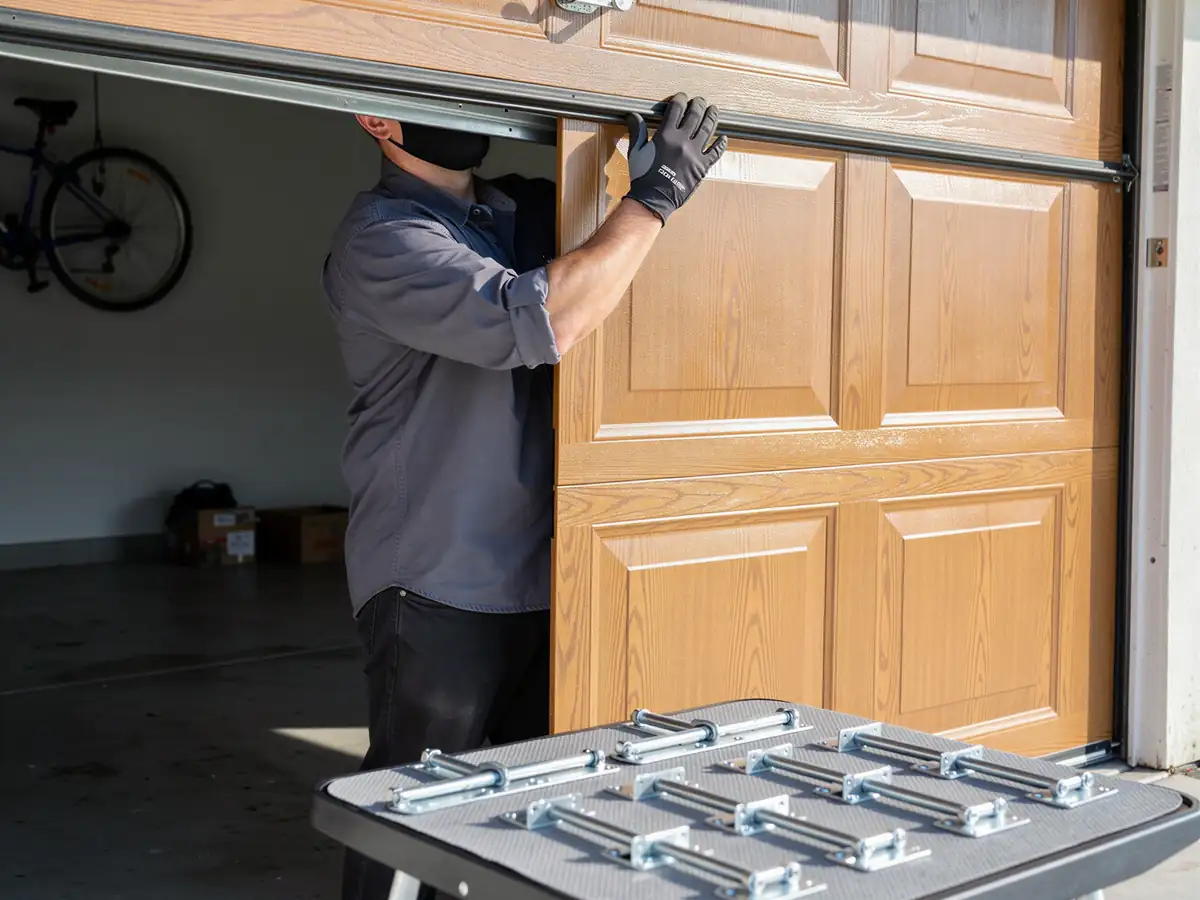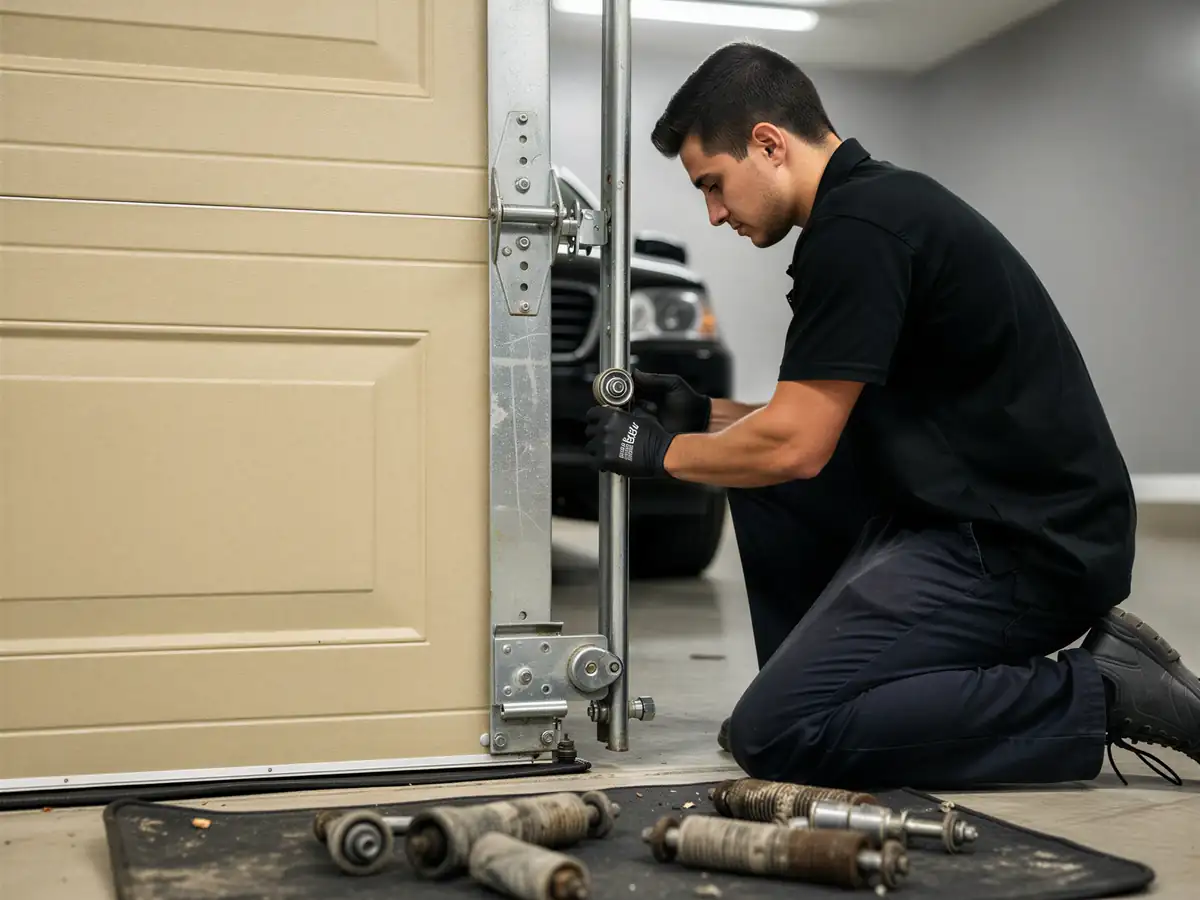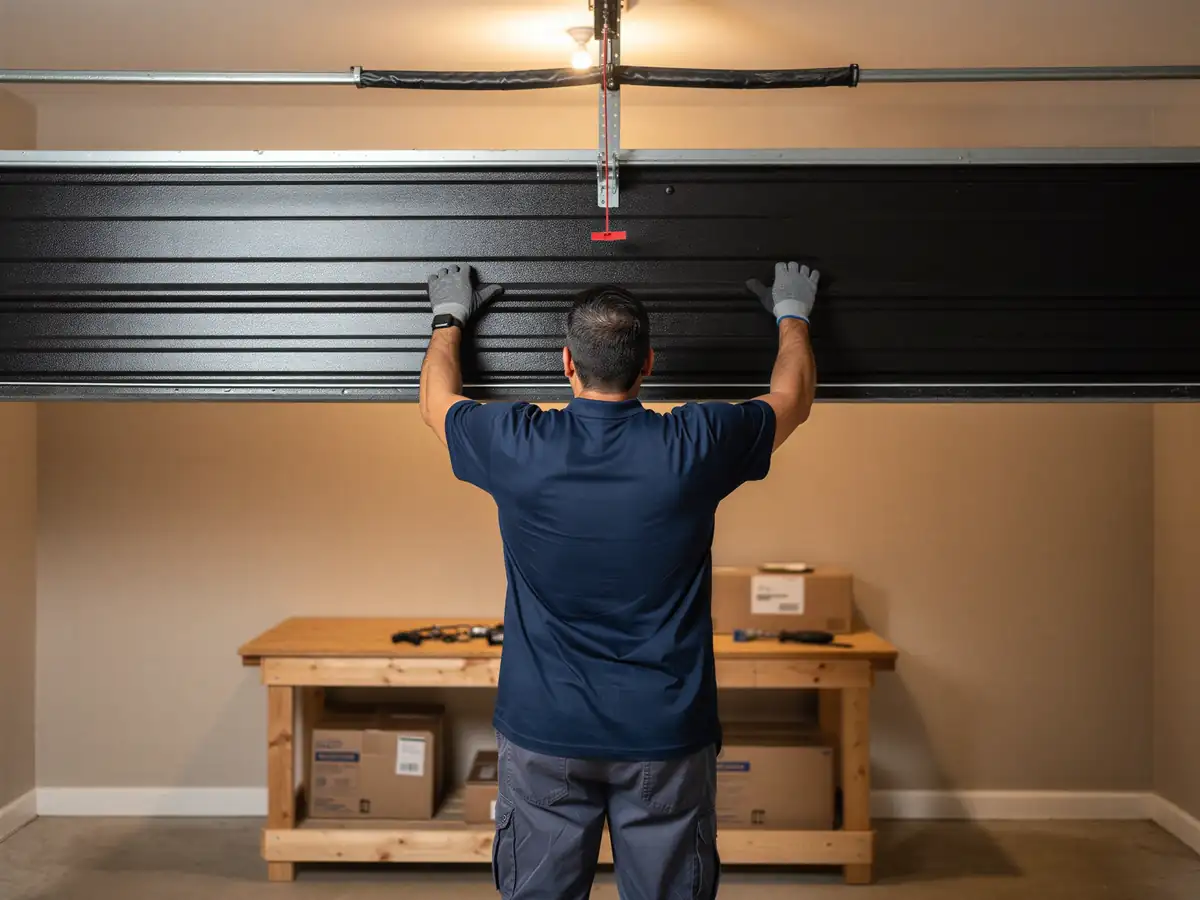
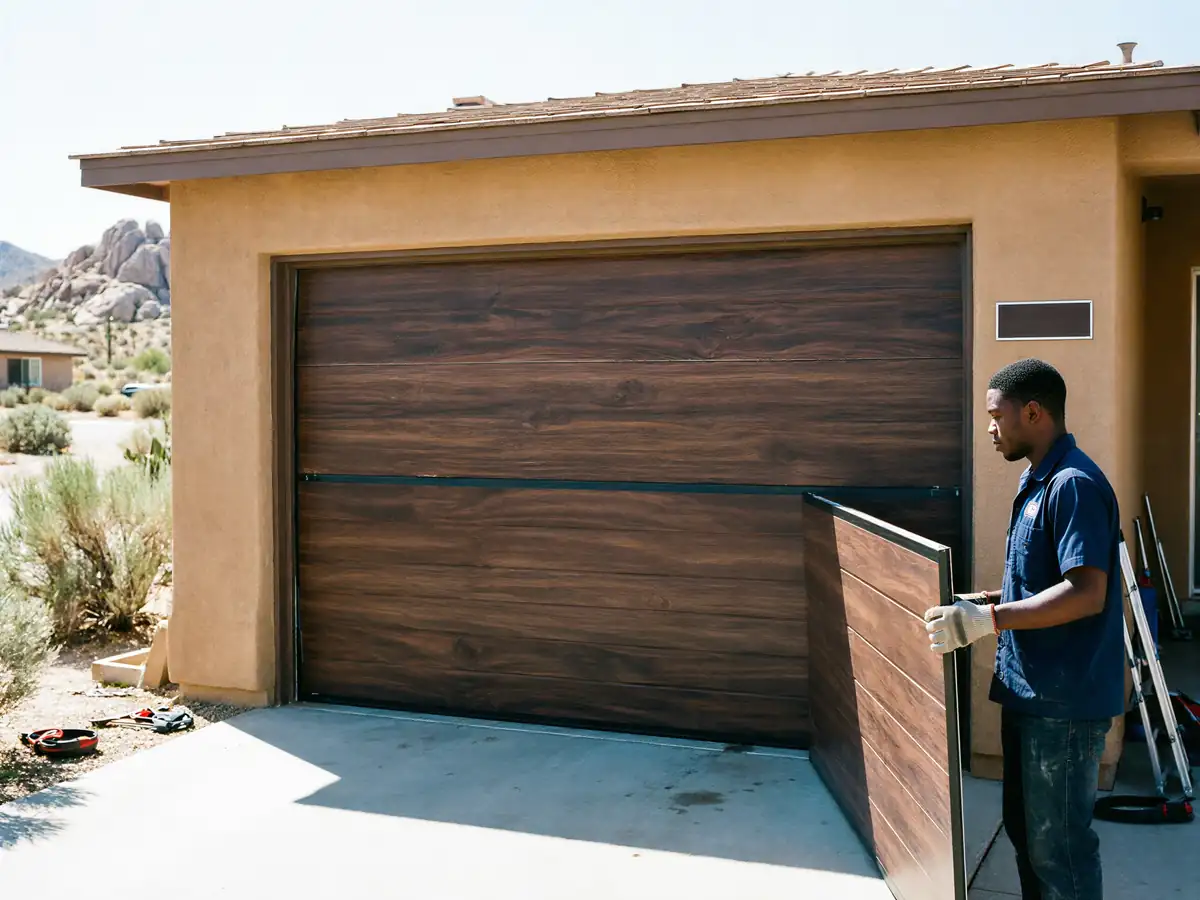
What Can Go Wrong
Installing a new garage door sounds simple until the opening itself fights you
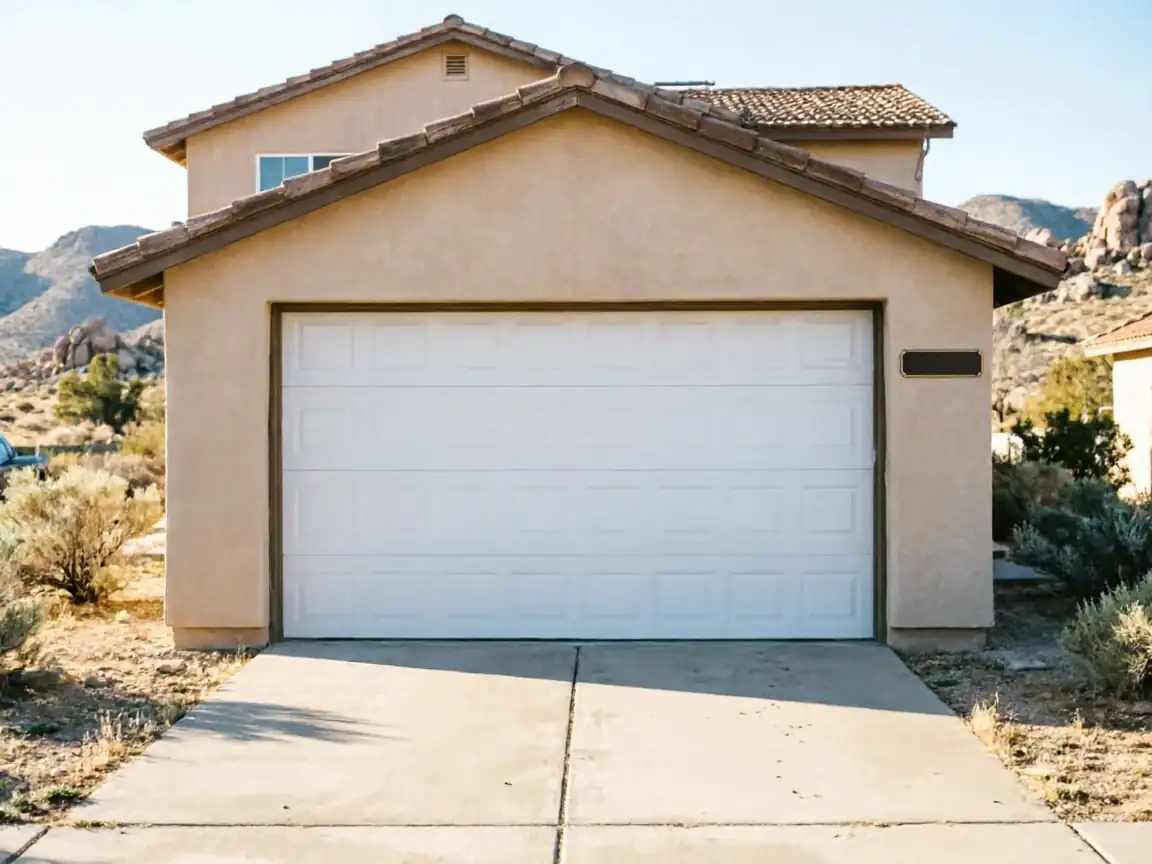
Carson City housing stock runs from 1938 up through 2003, with the median build year sitting at 1976, so no two openings are framed the same way. A door ordered to today's standard sizes can end up a half-inch off on a house from that era, which throws the whole track alignment off before you've hung a single panel.
The other failure point is insulation mismatch
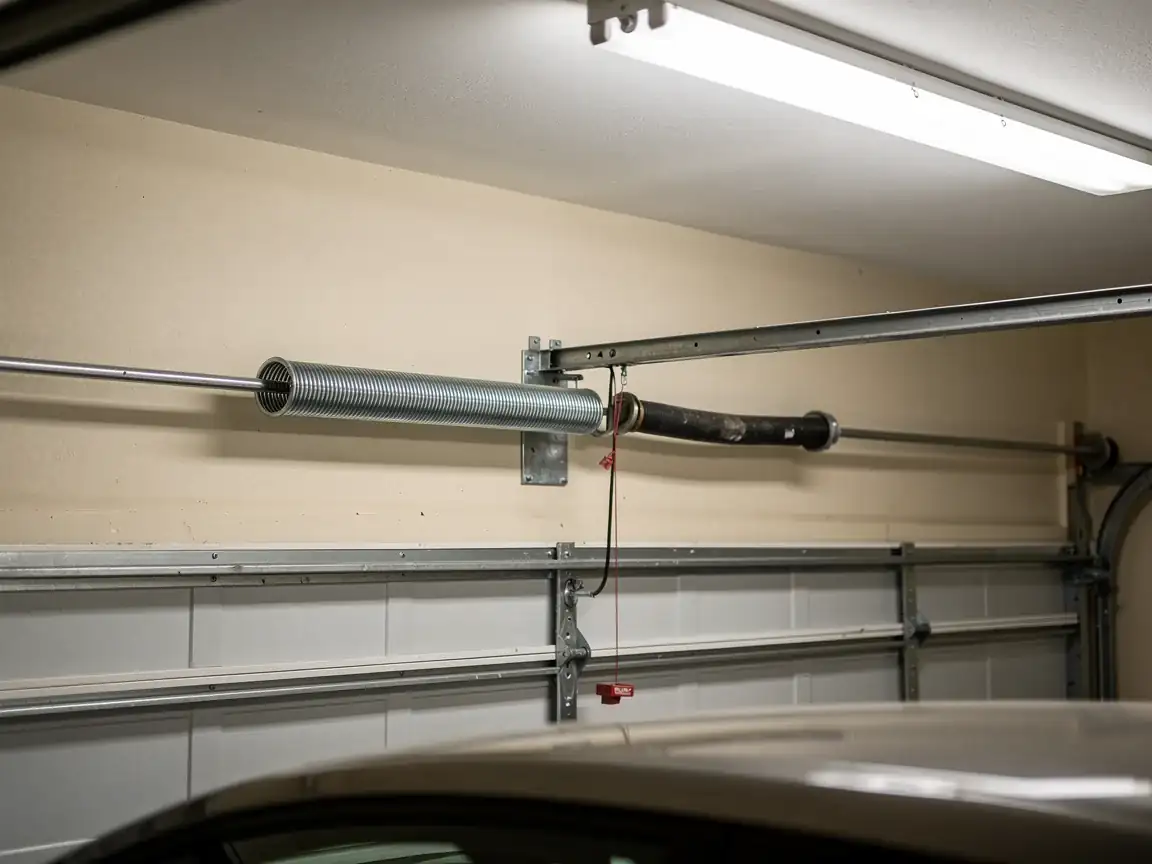
A lot of doors sold as all-purpose units aren't built for a cold, severe climate band, and if you install one without checking the R-value against what the opening actually needs, you get a door that looks fine and performs like a barn door in January. Hardware is the third trap - spring sizing has to match the door's actual weight, not a generic chart, and older jamb framing doesn't always accept new track brackets without reinforcement.
None of this is exotic work, but it's not a drop-in job either
Getting the opening measured against the house's actual age and framing, not just the door's listed spec sheet, is what separates an install that lasts from one that needs a service call in a year.
The Symptom
You usually notice the installation was wrong before the door even finishes its first winter. Cold air leaks along the bottom seal even with the door fully down. Frost forms on the inside panel face where the insulation doesn't match the climate the door is sitting in. The door looks closed but light shows at the corners because the track wasn't squared to the original 1960s or 70s framing it's mounted on.
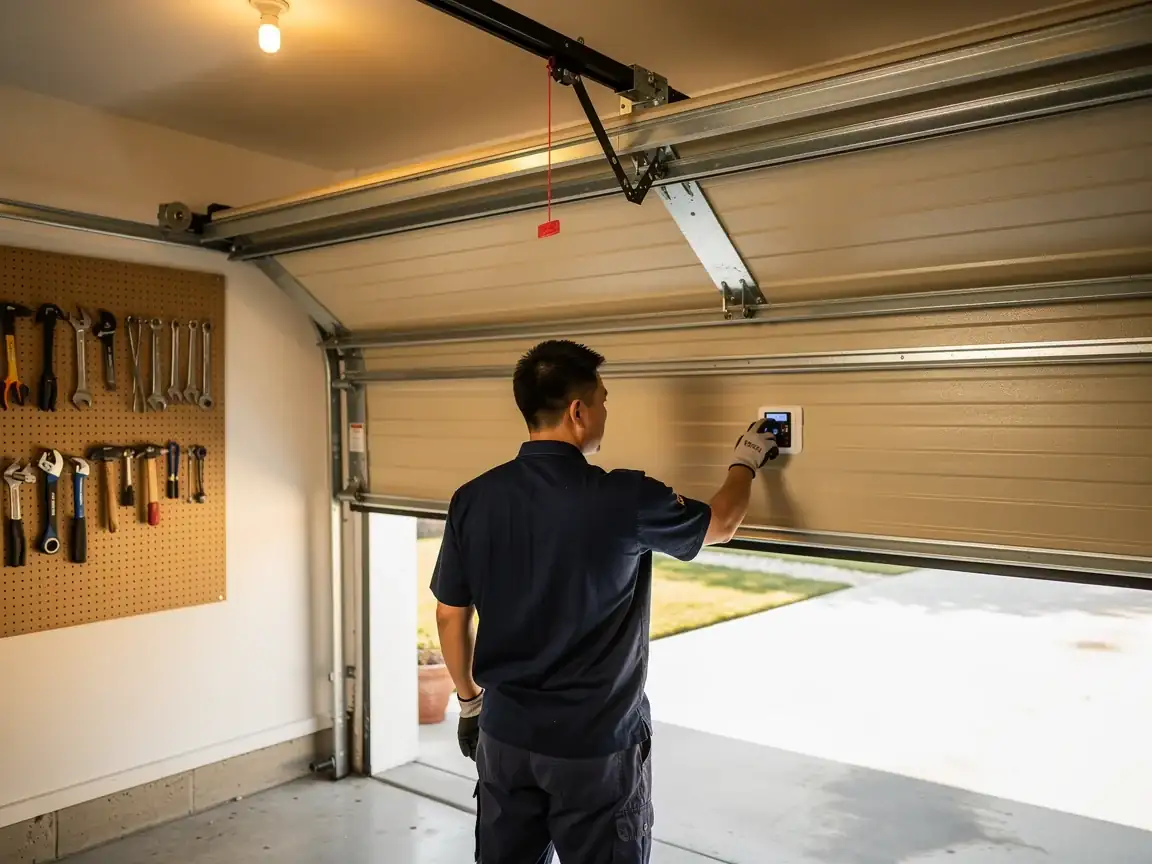
Sometimes it's quieter than that - the opener strains harder than it should, cycling slow or grinding slightly, because the spring tension was set for a generic door weight instead of the one actually installed. Owners often assume this means the opener is failing, when the real issue is that the door and the hardware were never properly matched during the install.
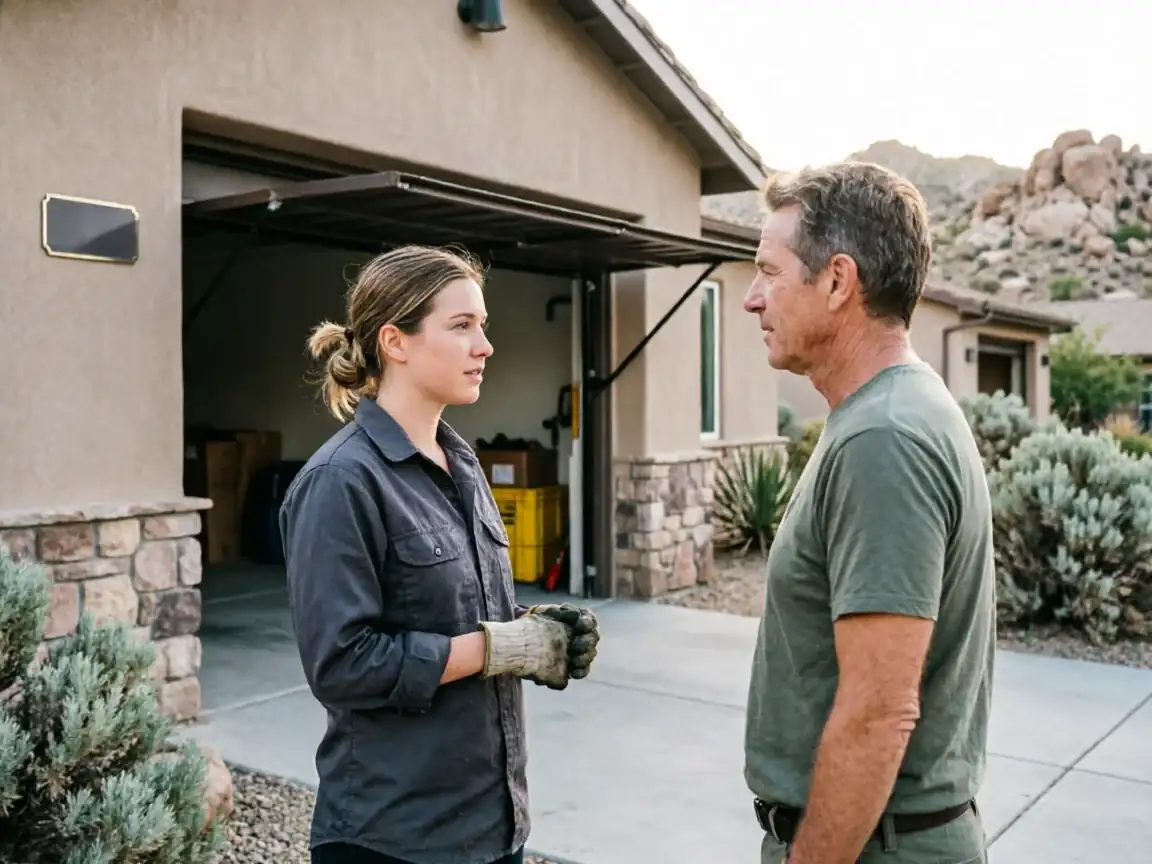
If you're getting quotes for a new door and the installer hasn't asked about your home's age or walked the opening by hand, that's worth a second look before you sign.
Doing It Yourself
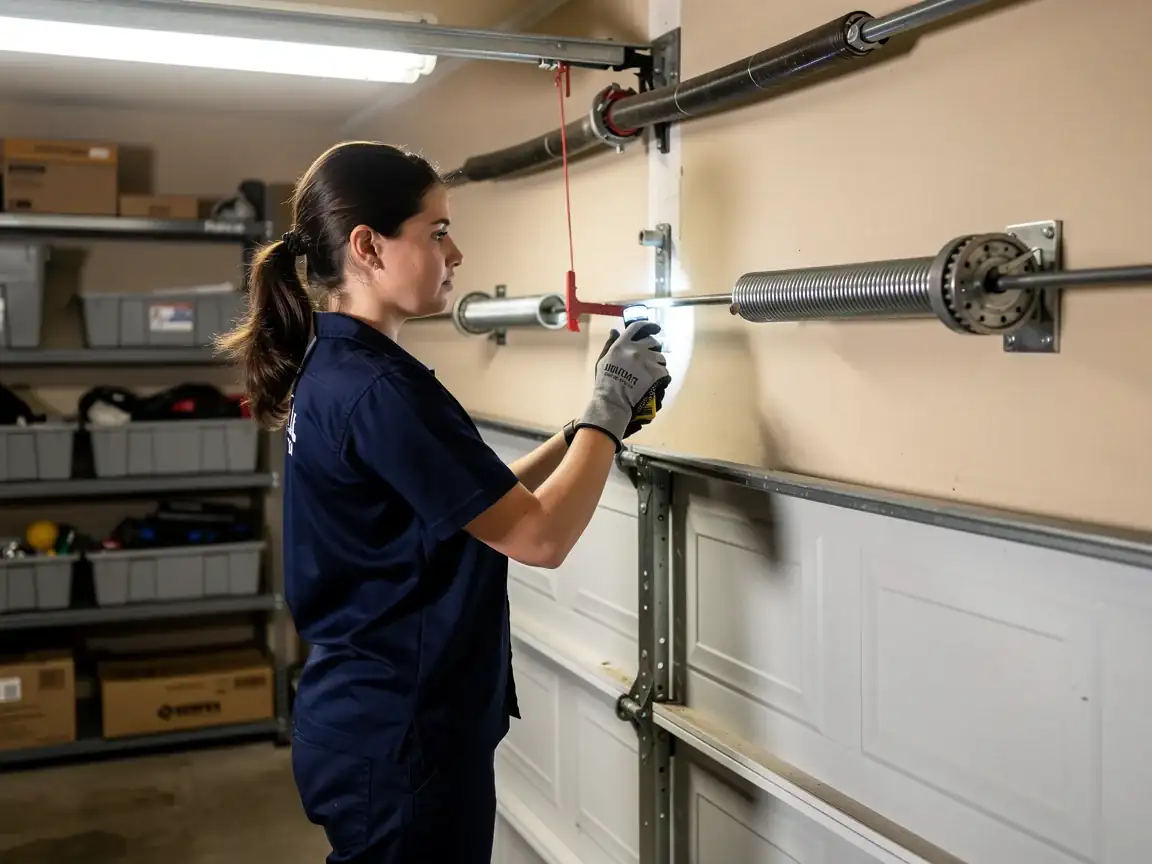
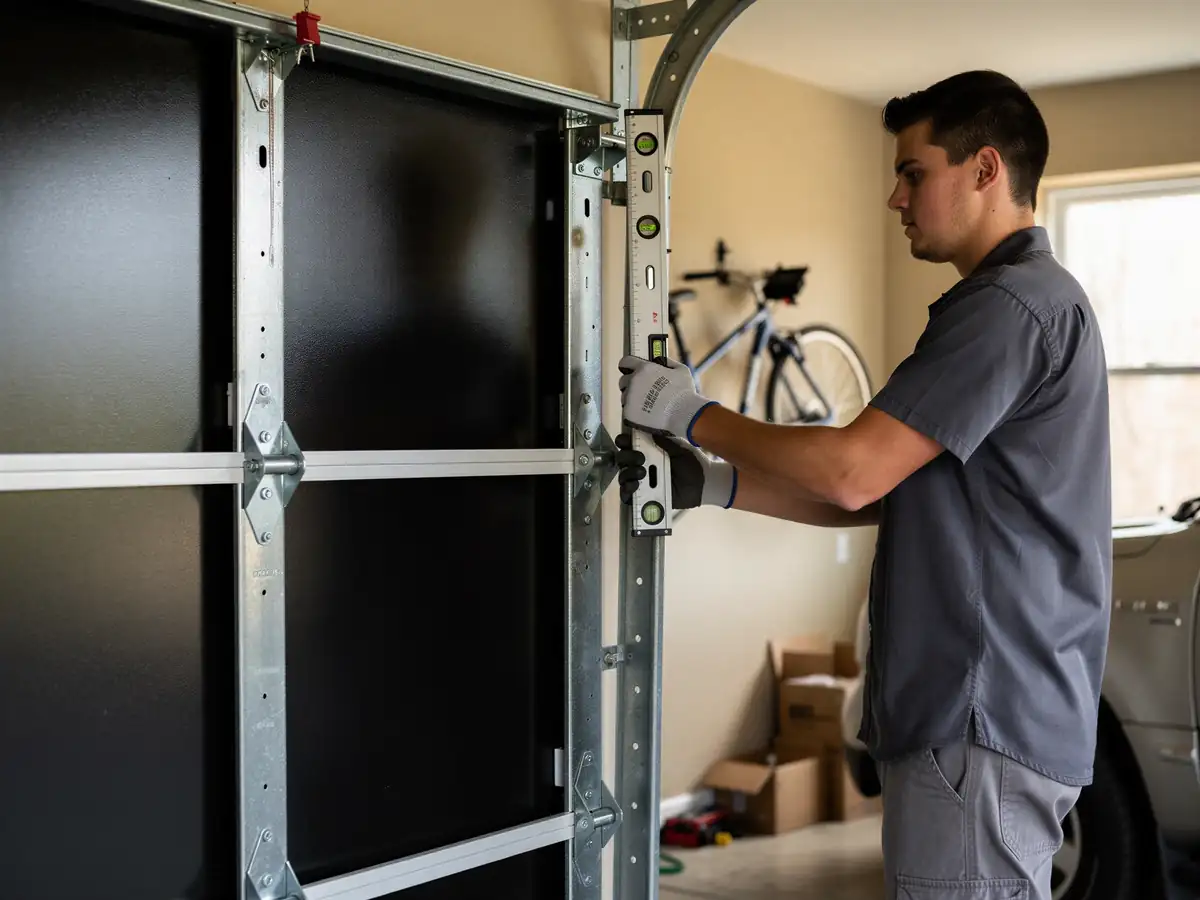
A lot of what leads up to installation - measuring the opening, checking square, figuring out whether the jamb needs reinforcement - you can do yourself with a tape measure and a level. Where it stops being a weekend project is the spring and cable work. Torsion springs on a standard door carry enough stored force to break a wrist or worse, and that's true whether the door is new or forty years old.
The other place DIY installs go wrong here specifically is climate sizing. Picking a door off a shelf without checking it against a cold, severe climate rating is an easy mistake to make, and it's not obvious until the first hard winter. We'll say plainly: if your home was built before the 1980s and the opening isn't a standard modern size, get it measured by someone who does this daily before you order a door online. That single step avoids most of the return trips we get called out for.
Why It Happens Here
Carson City's housing didn't go up in one wave
Homes here date from 1938 through 2003, with most of the stock across the service area's 14 named neighborhoods built through the 1960s and 70s. That matters for installation because door openings, track mounts, and header framing from that period were built to the standards of their decade, not today's. A door that installs clean in new construction can need shimming, reinforcement, or a different track radius on an older Carson City house.
The cold, severe climate band adds a second layer to this
Doors here need to hold up to repeated freeze-thaw cycling, not just look sealed on install day. Across the roughly 21,860 households and 16,650 owner-occupied houses in the service area, we see the same pattern over and over: a door installed without checking age and climate together ends up drafty, iced at the seams, or hard on the opener within a season or two. With median household income in the service area at $96,019, most owners here are willing to pay for a door and install matched to the house, not the cheapest box on the shelf - it's usually the cheaper option over five years anyway.
- 21,860 households
- 16,650 owner-occupied