What Can Go Wrong
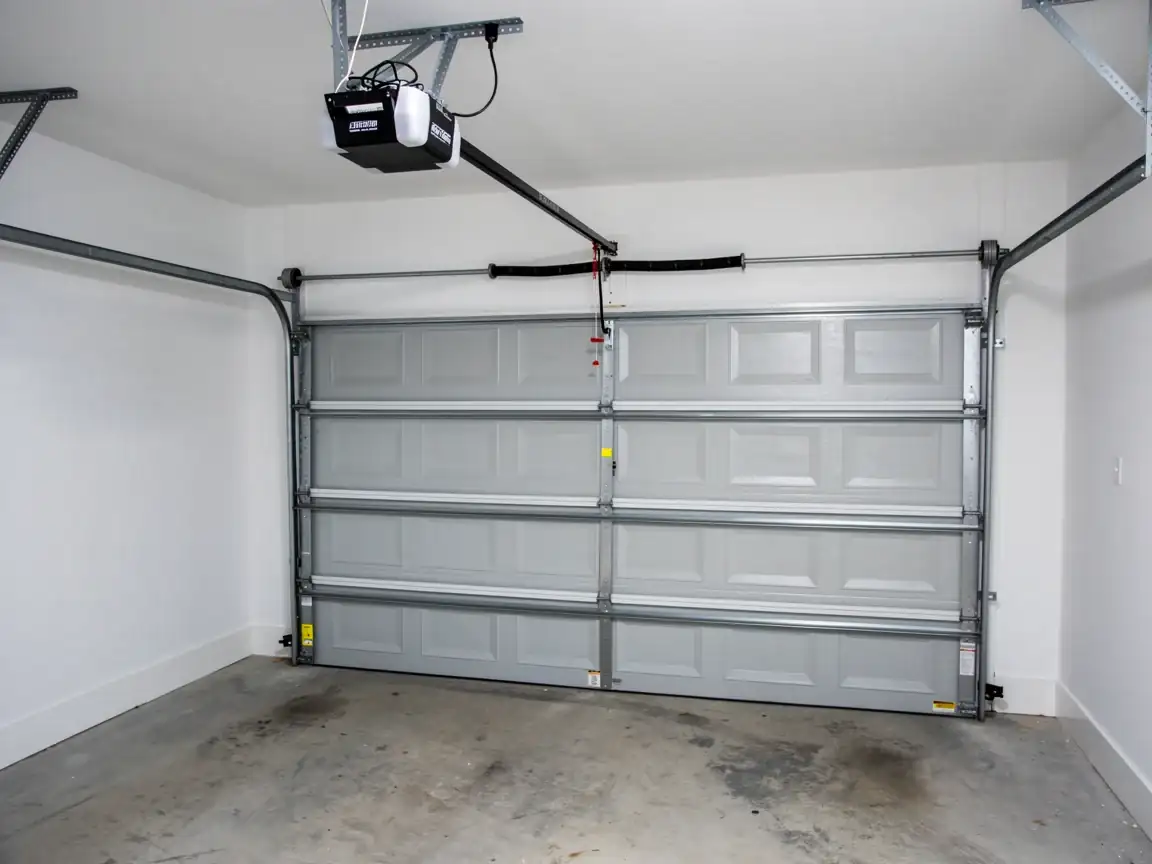
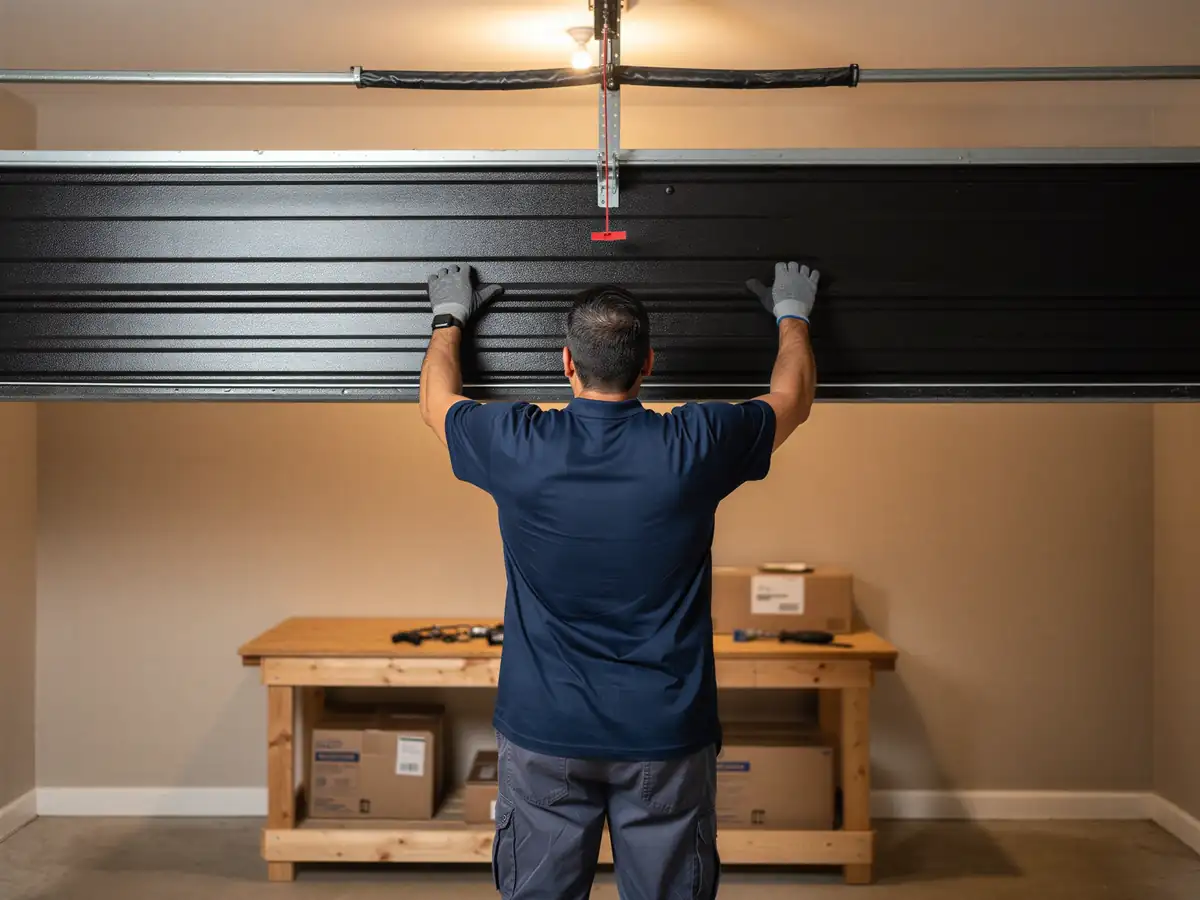
A garage door is a few hundred pounds of steel or wood hanging on two springs, a handful of rollers, and whatever cable has been doing the real work since the day it went up
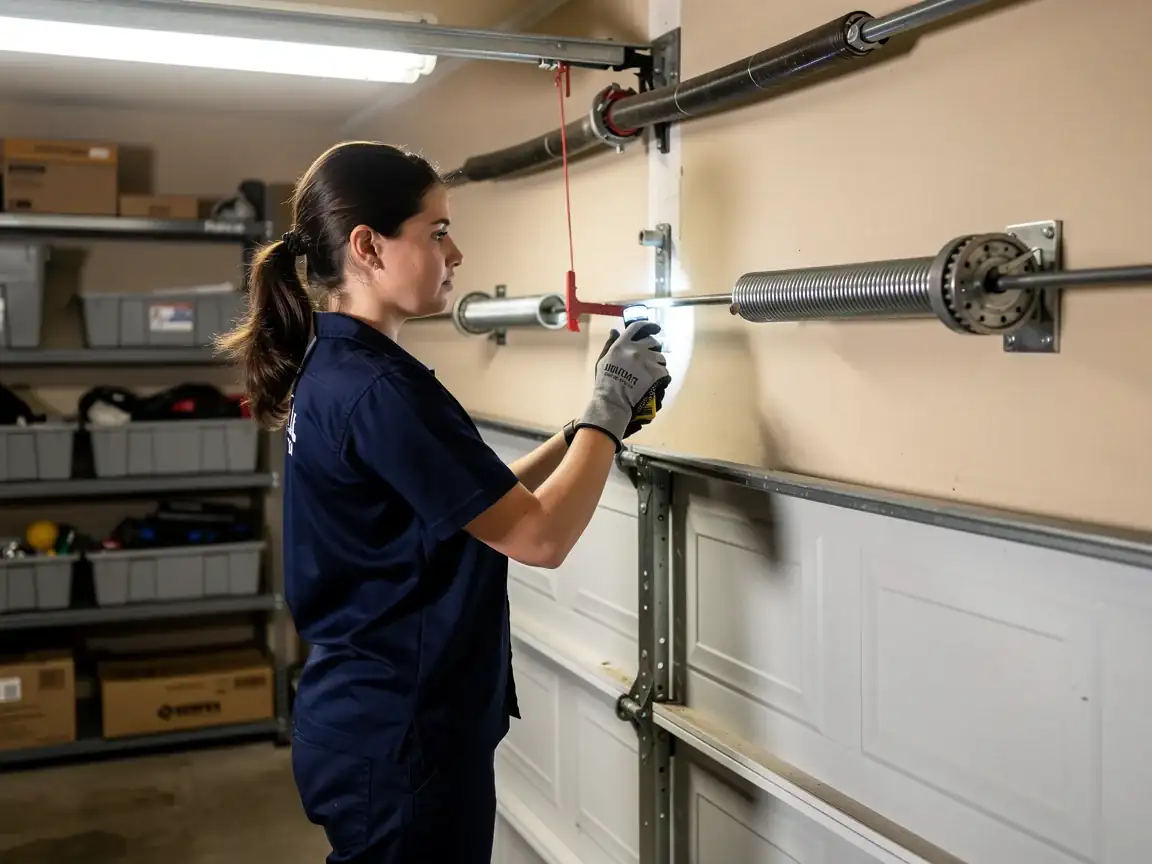
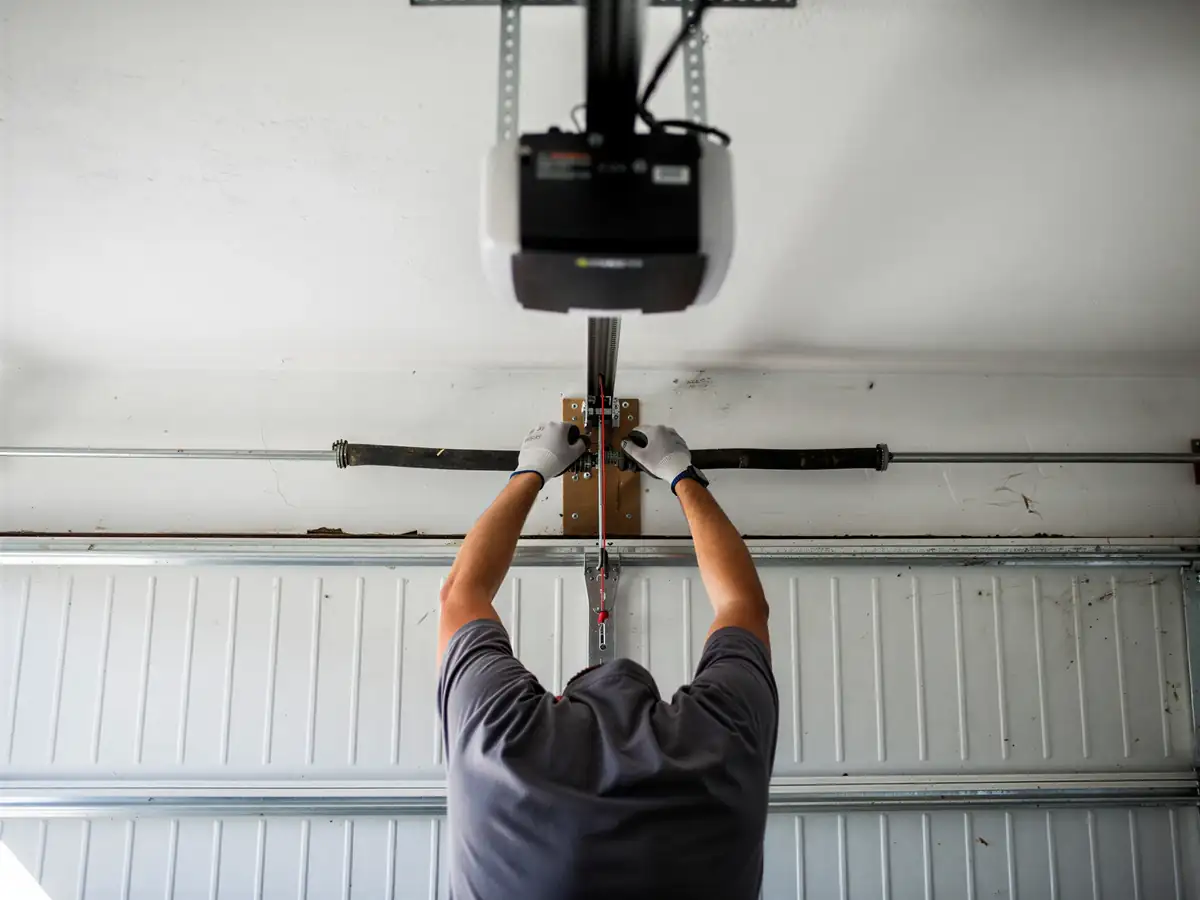
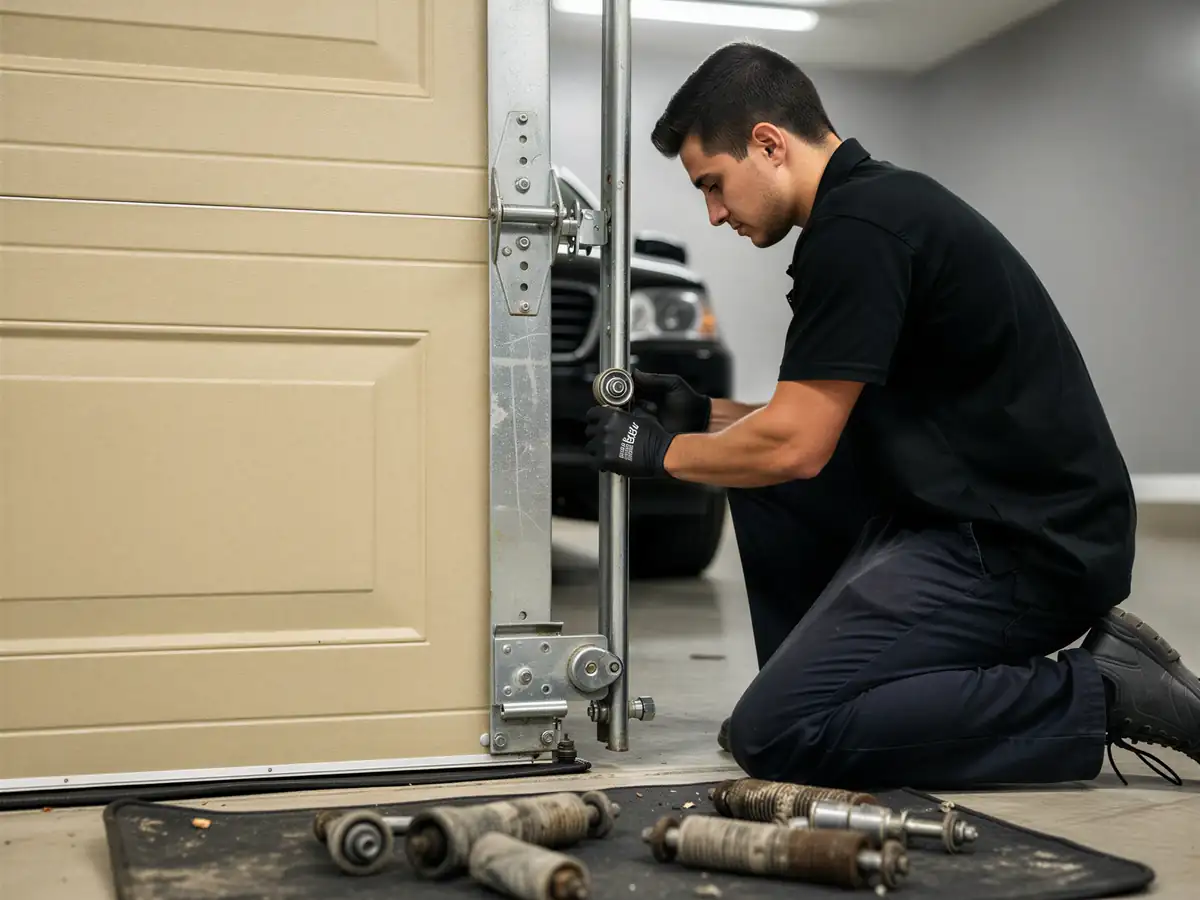
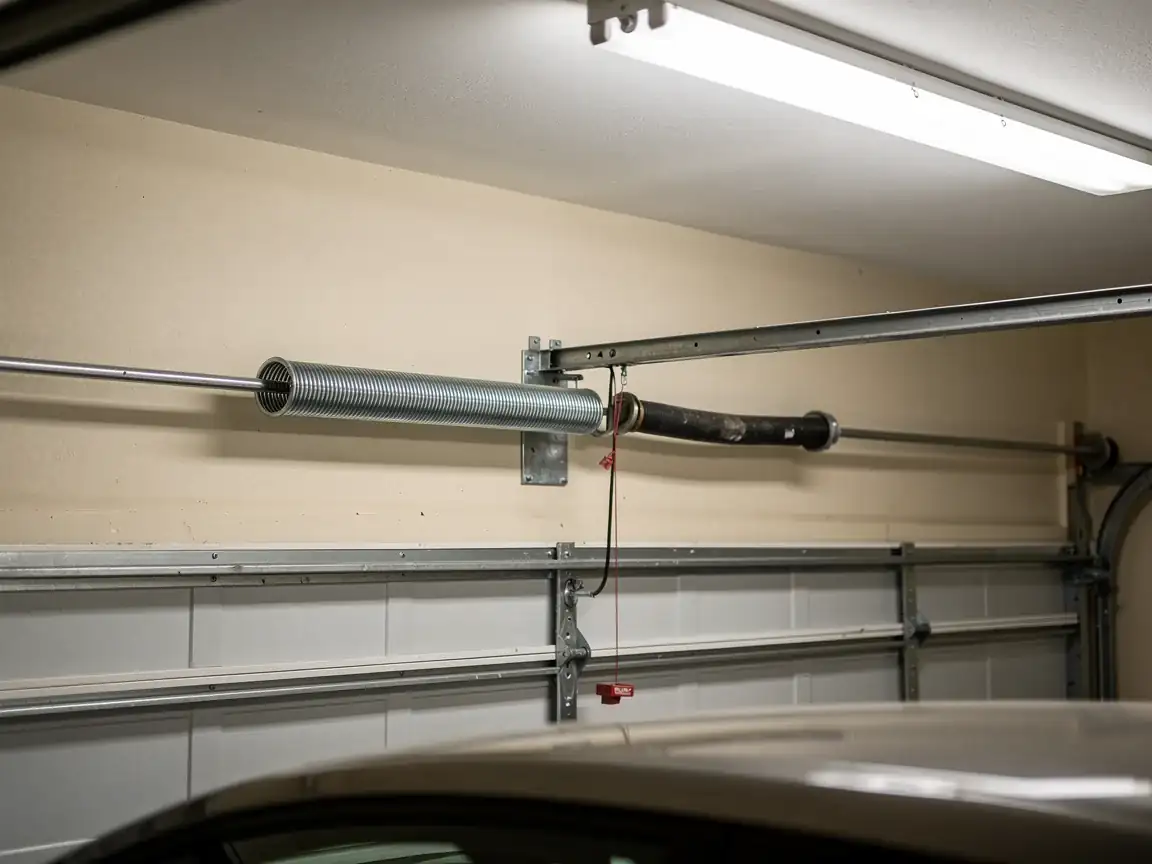
On the houses we see most - the ones built across the 1960s and 70s stretch that makes up most of Carson City's housing stock - the usual failure points are the torsion spring, the bottom bracket, and the opener's drive gear. Springs here are rated for a certain number of cycles, and once a house passes the 40 or 50 year mark, that spring has usually spent itself long before the rest of the door shows any wear.
- 50 year
Track misalignment is common too, especially on older single-car doors with the narrower rail spacing builders used before 1980
Cables fray at the drum where they've rubbed the same half-inch of travel for decades. None of this is exotic - it's just metal fatigue on a schedule, and the schedule runs faster in a house built when Carter was president than in one built last year.
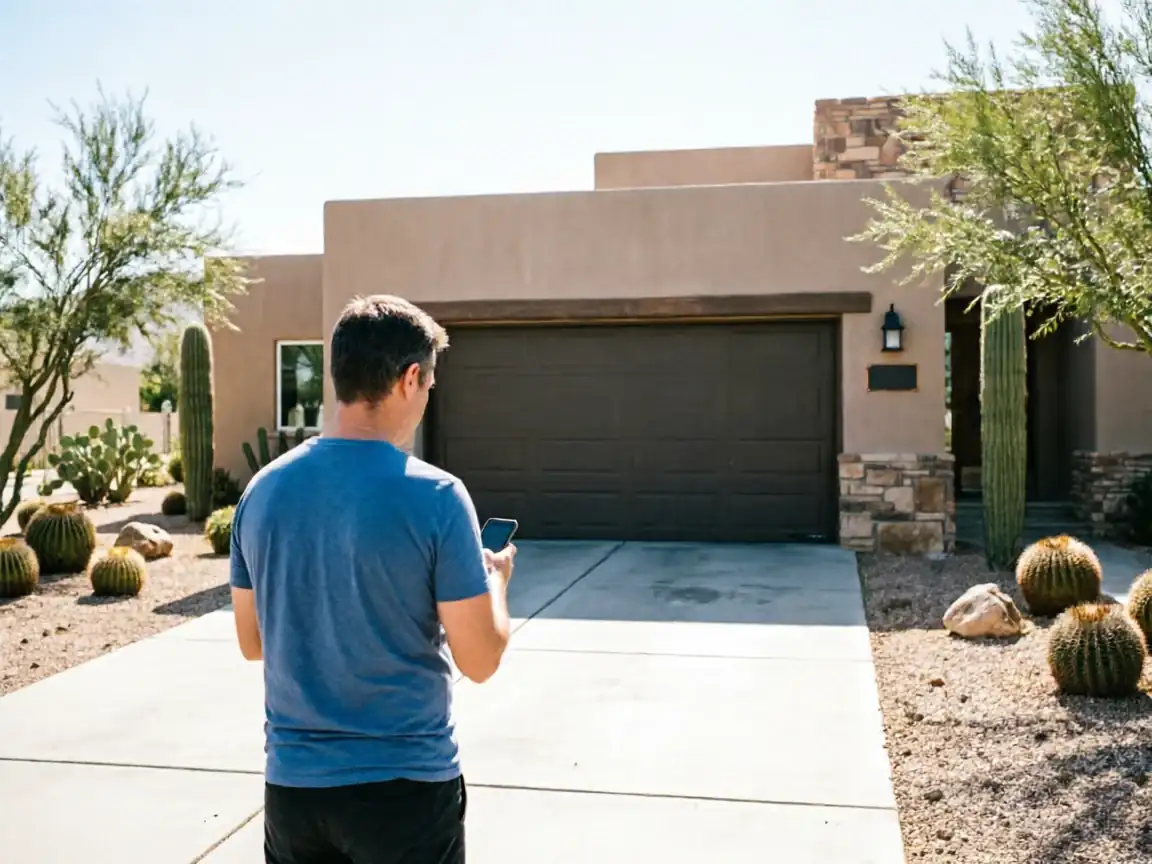
We don't guess at which part failed from a phone description
A spring that's lost tension can look, from the driveway, exactly like a dead opener.
The Symptom
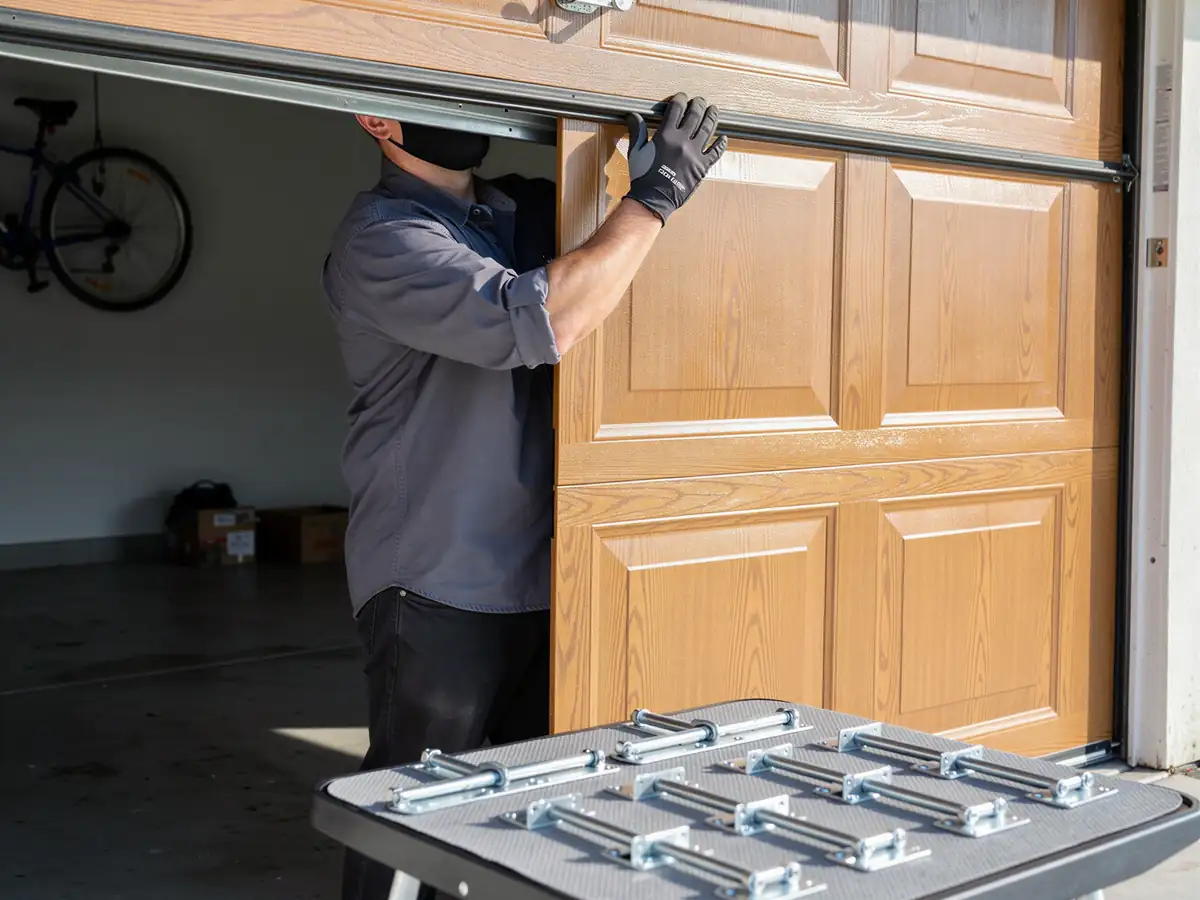
The door that won't open all the way, or opens on one side faster than the other, is almost always a spring problem, not an opener problem. If you push the manual release and the door drops instead of staying put, that's a spring that's already gone or close to it - don't keep running the opener against it. A door that's noisy on the way down but quiet going up usually means a roller has seized in its track, which in Carson City's cold-severe winters happens faster because grease stiffens up below freezing and rollers that would spin in July start dragging in January.
A grinding or clicking opener that doesn't move the door at all is often a stripped gear inside the unit rather than anything wrong with the door itself - those gears are plastic in most residential openers and they wear out well before the motor does. If the door reverses partway down every time, the photo-eye sensors near the floor track are probably knocked out of alignment or dirty, which happens a lot after a hard freeze when ice at the base of the track shifts things slightly.
Whichever symptom you've got, write down what you see and hear before calling - it saves a diagnostic trip.
Doing It Yourself
Lubricating hinges and rollers, tightening loose bolts on the track brackets, and replacing a worn weatherstrip at the bottom of the door are all reasonable weekend jobs. A garage door spring is not. Torsion springs are wound under enough tension to break a wrist or worse, and the winding bars and clamps needed to do it safely aren't something most homeowners have lying around or should buy for a one-time job.
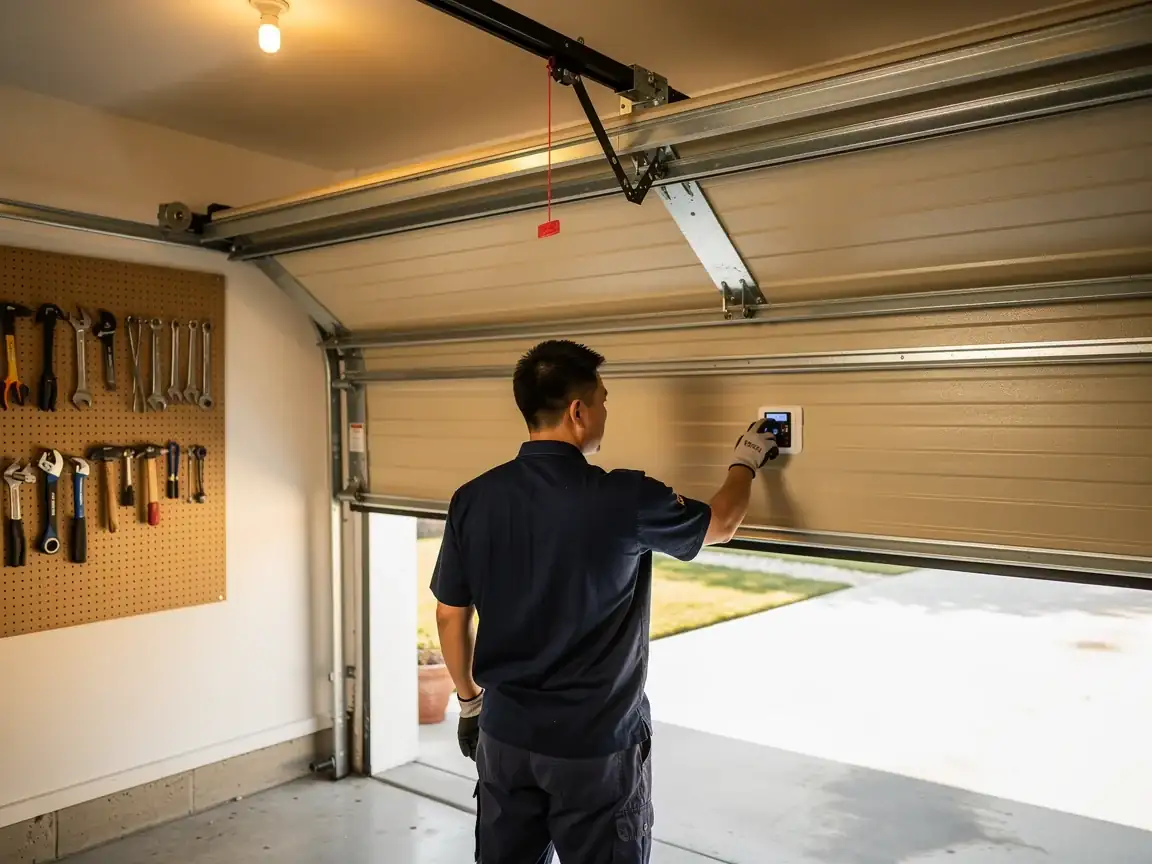
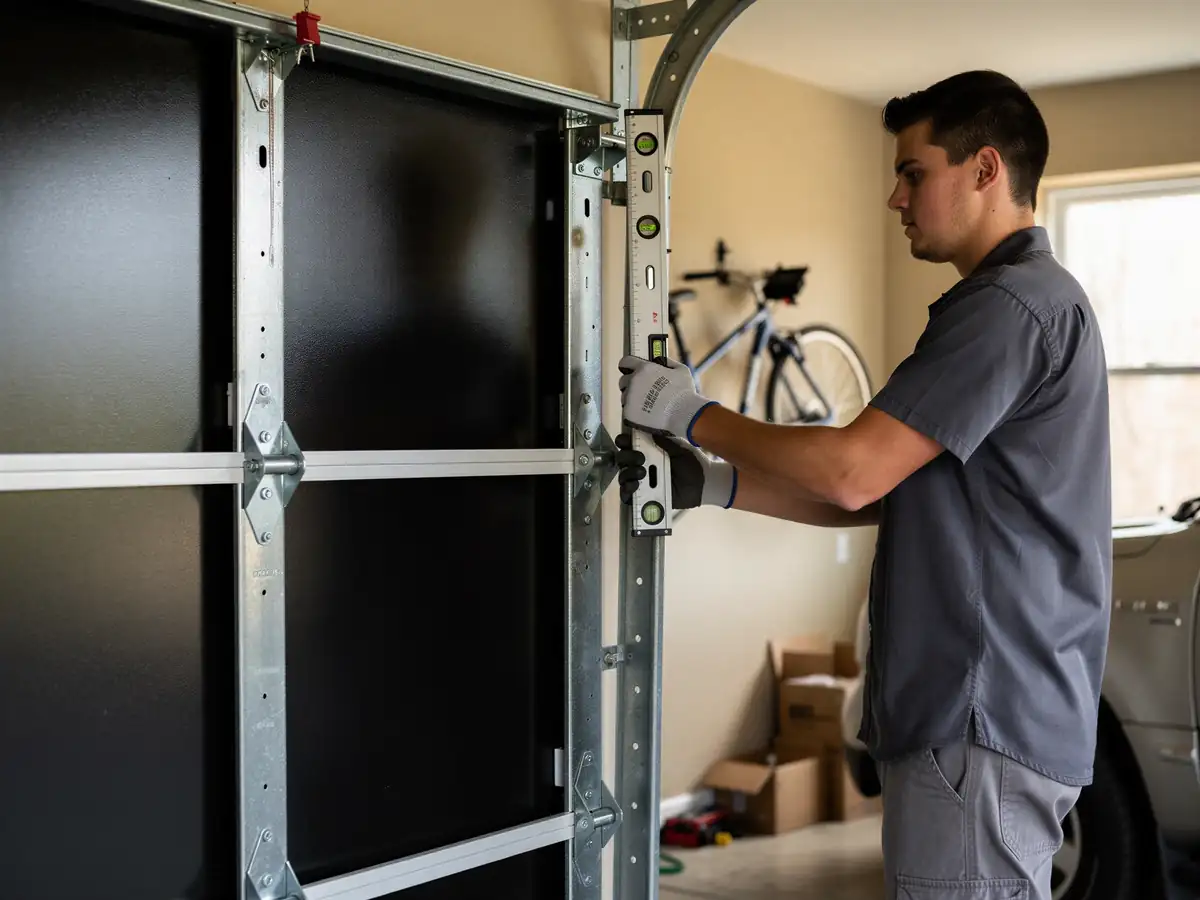
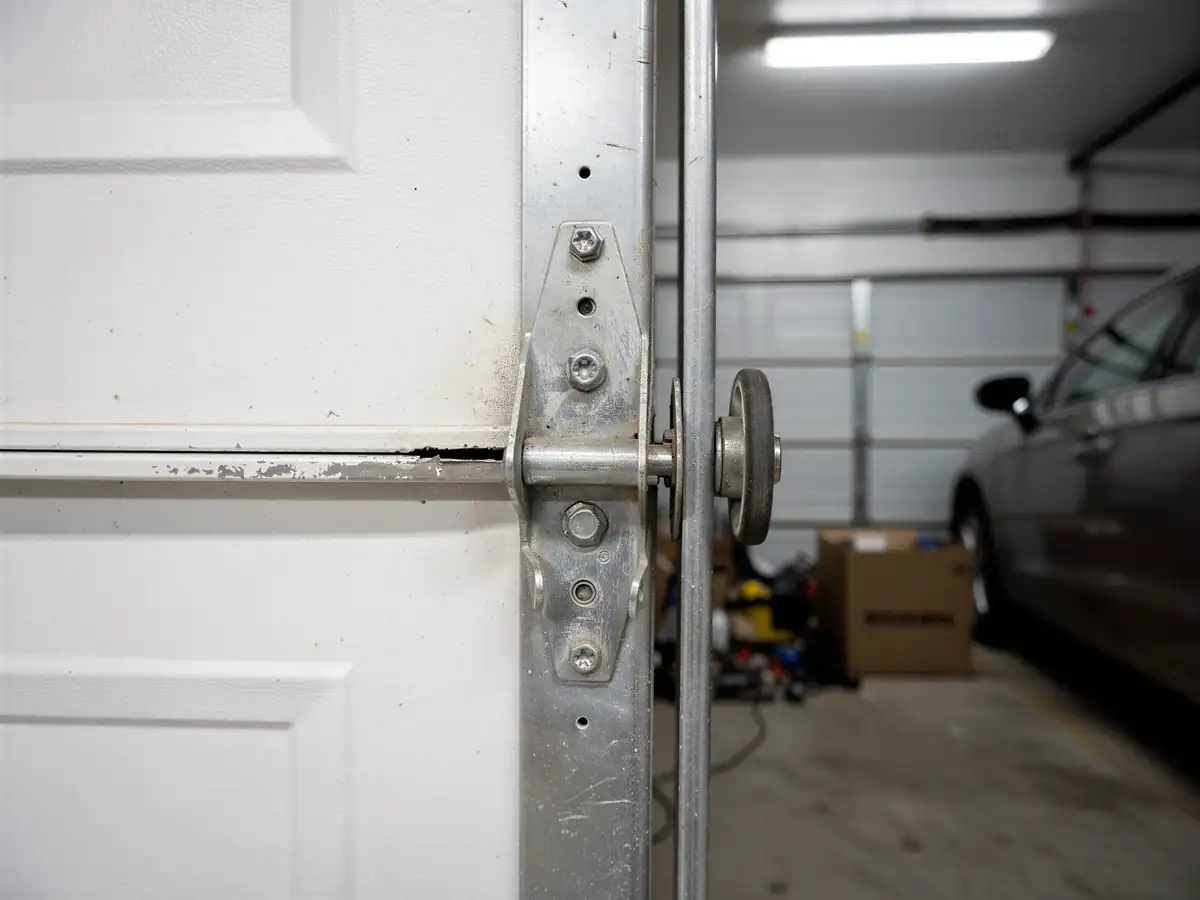
Same goes for cable replacement and anything involving the bottom bracket, since that bracket sits right where the spring's stored energy would release if something slipped. If your opener's safety sensors are simply out of alignment, you can often fix that yourself by loosening the wing nuts and reseating them until both lights go solid - that one's low-risk and worth trying before you call anyone.
Here's the honest limit: if a spring has already broken, don't try to force the door open with the opener to see how bad it is. That's the fastest way to turn a spring job into a spring-plus-track-plus-opener job. We'd rather get a call for a part that turns out to be fine than get called after a $150 repair became a $600 one.
Why It Happens Here
Carson City's housing stock runs from 1938 up through 2003
With the median landing around 1976, and most of the area's fourteen named neighborhoods carry that same 1960s-70s backbone. That matters for garage doors because a door and opener installed when a house was built typically gets replaced once, maybe twice, in its life - which means a huge share of doors in town are either original hardware nearing the end of any reasonable service life, or a single mid-life replacement that's now twenty-plus years old itself.
The cold-severe climate band this area sits in adds its own wear pattern on top of age
Steel contracts in hard cold, grease thickens, and the freeze-thaw cycling at the slab under a garage floor shifts the track's base plate slightly year over year - small movements that eventually throw rollers and hinges out of true alignment. None of that shows up as a dramatic failure. It shows up as a door that's slightly louder every winter until one day it isn't quiet at all, it's just stuck.
With 21,860 households and 16,650 owner-occupied houses across the service area, this isn't a rare pattern
It's the normal life cycle of a garage door in this climate, on this housing stock.
- 21,860 households
- 16,650 owner-occupied