The Situation
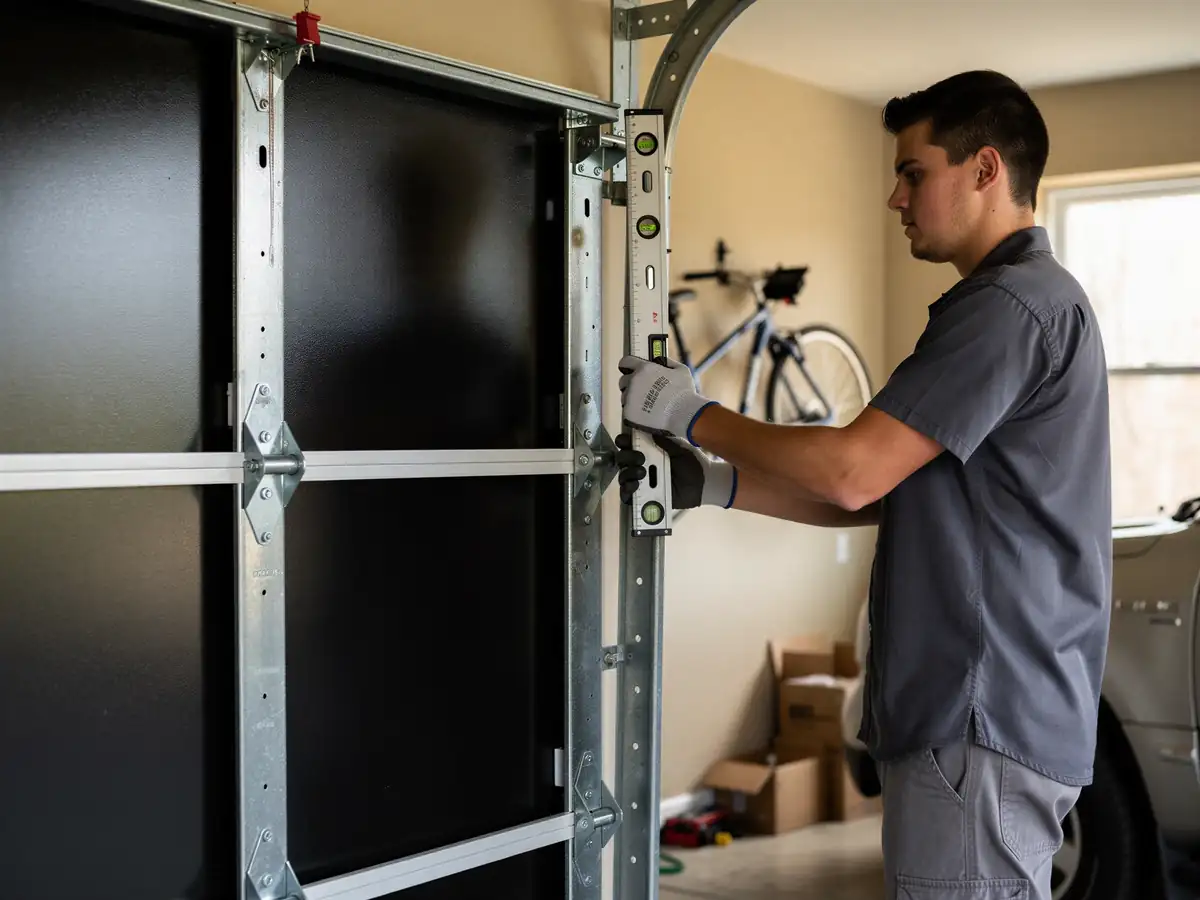
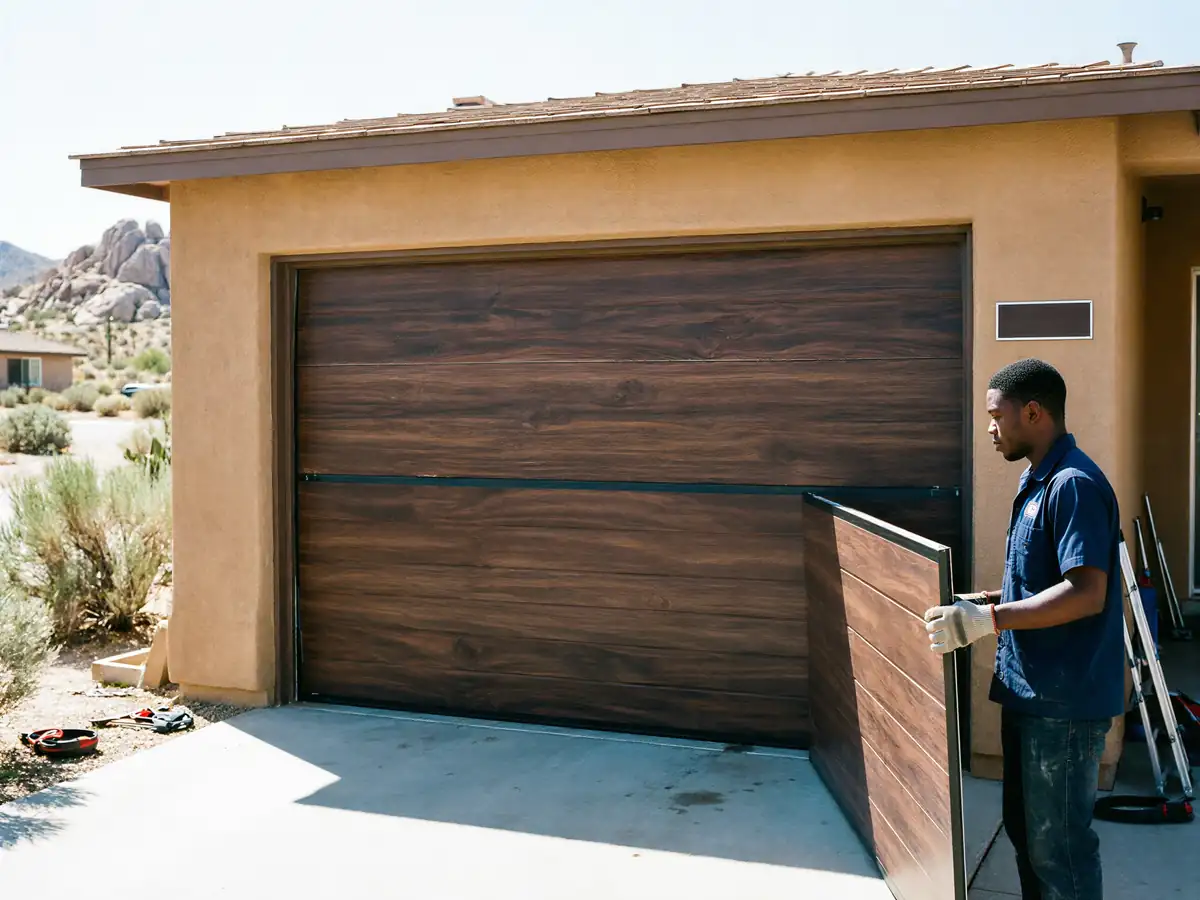
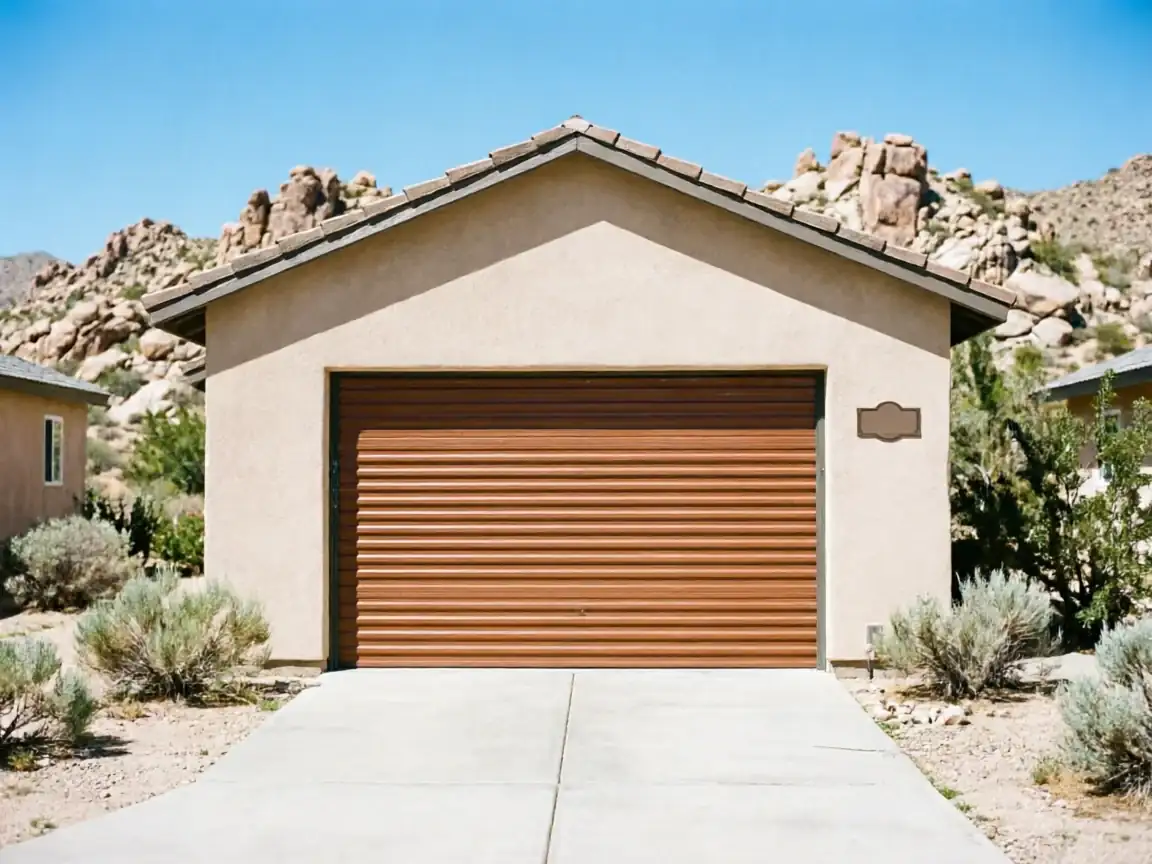
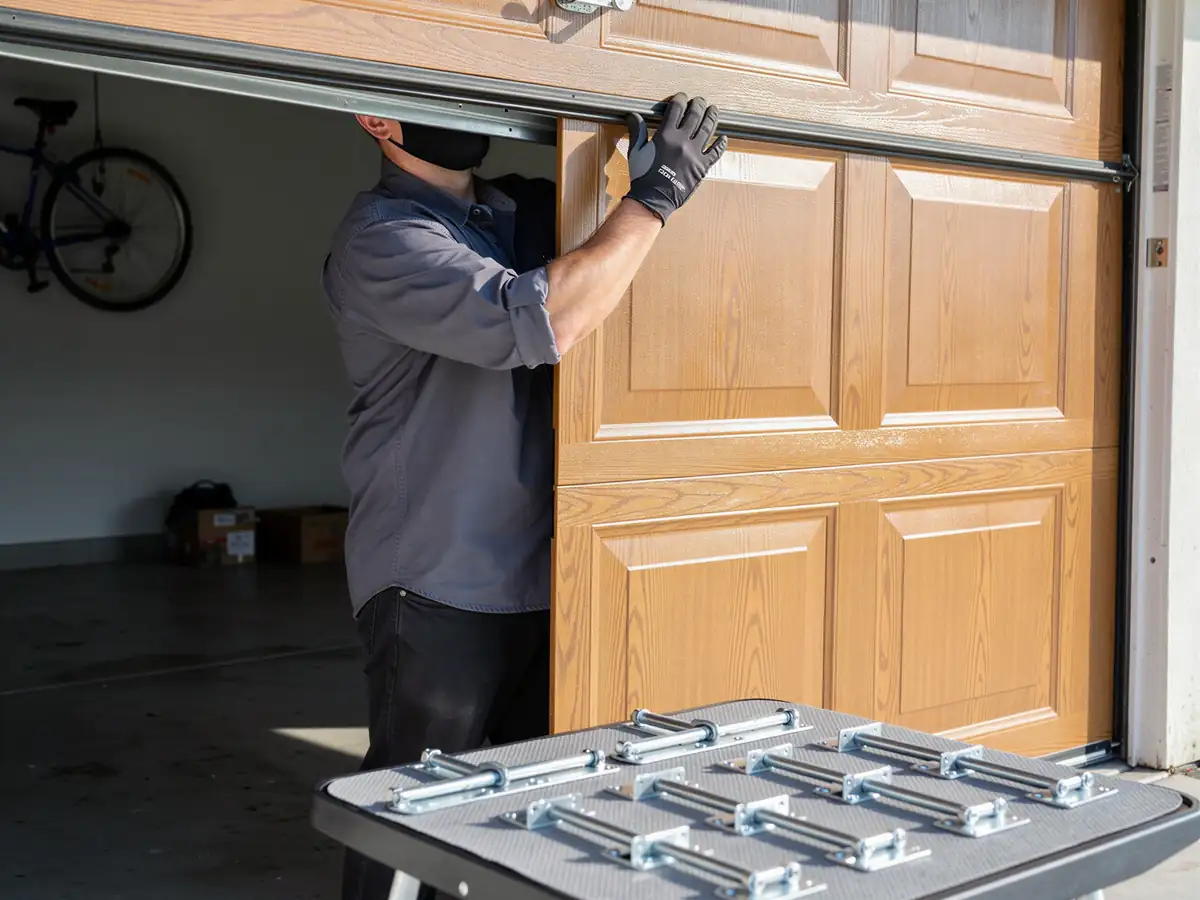
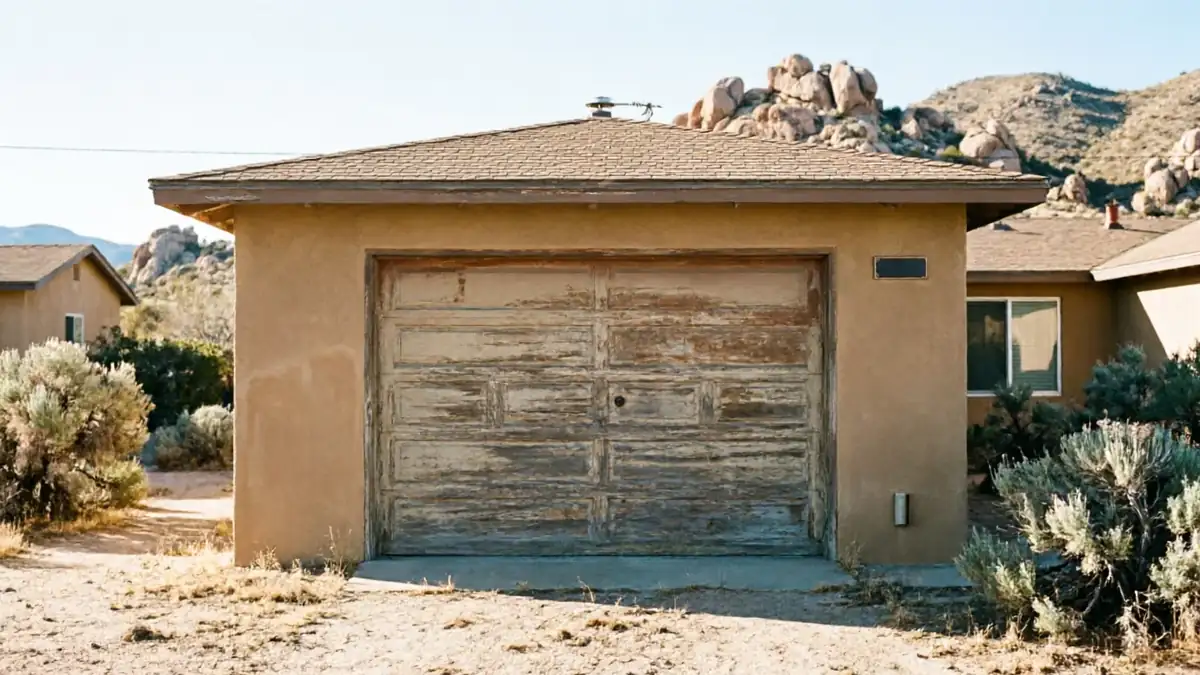
Housing in the Carson City service area was built mostly between 1938 and 2003, with a median build year around 1976, and most of that stock across the 14 named areas we work in dates to the 1960s and 70s. That means a large share of the doors we see are either the original installation or a direct replacement from decades back - steel sectional doors on torsion hardware that was standard for that era but isn't always what's stocked today. A door from a 1976 build has had roughly fifty winters of expansion and contraction on its track and jamb. That's not automatically a reason to replace it. Plenty of these doors have good bones: solid panels, a frame that hasn't shifted, hardware that was built heavier than a lot of what goes in new construction now. The question isn't the door's age by itself - it's what's actually failed on it.
What Local Conditions Do
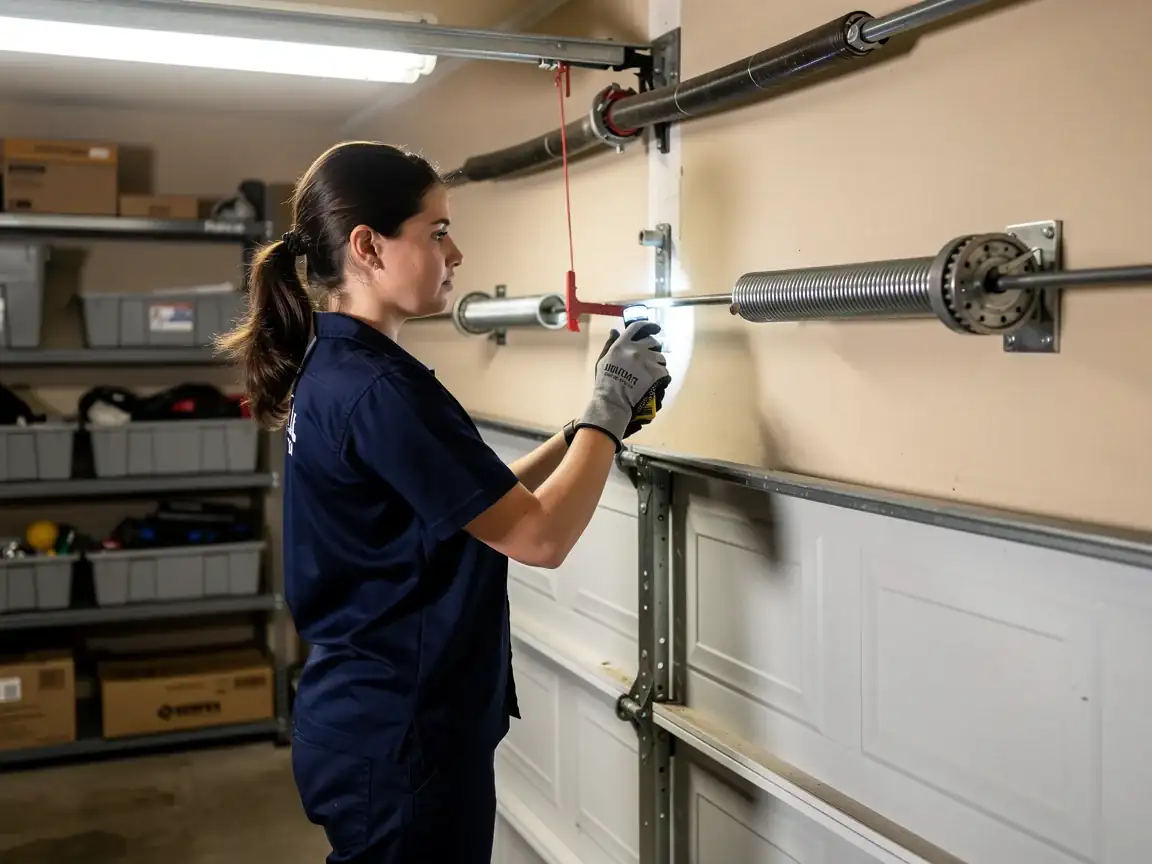
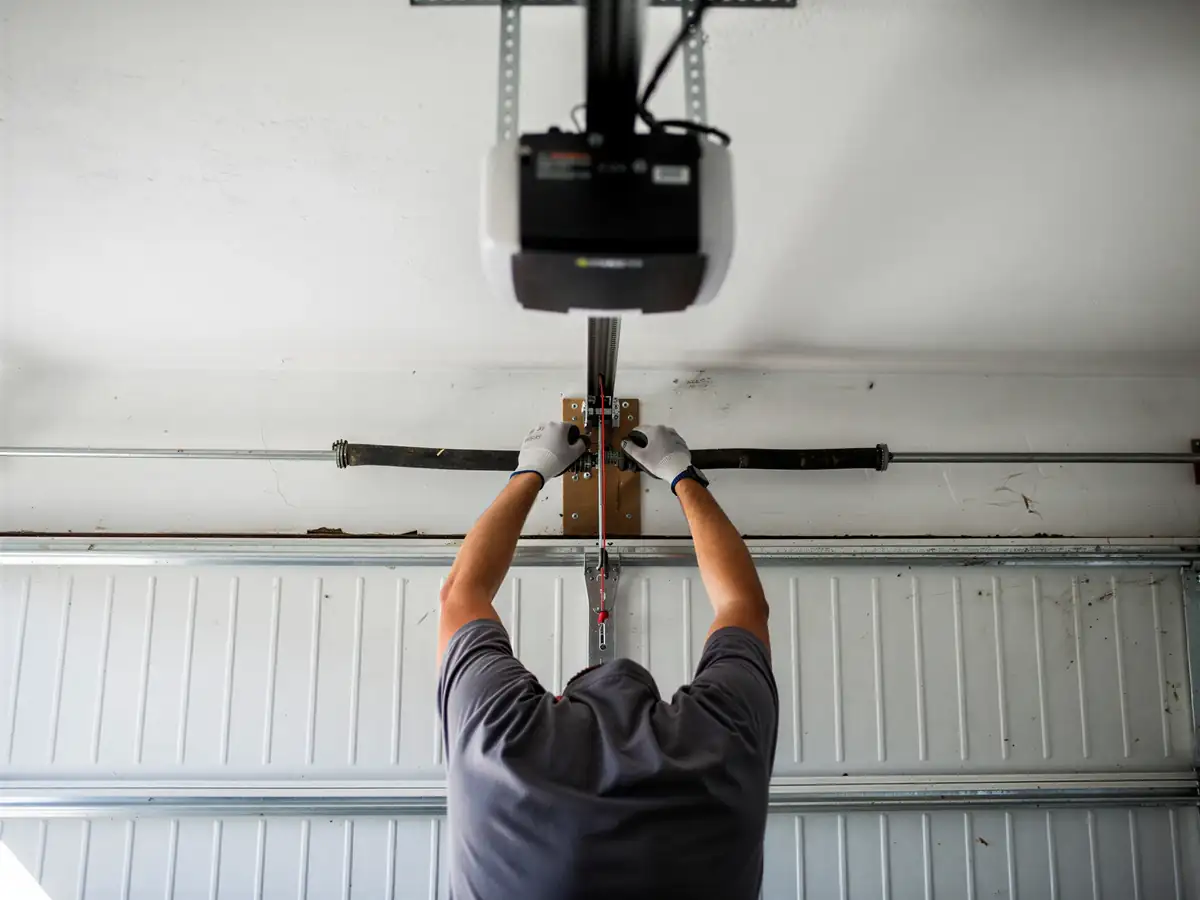
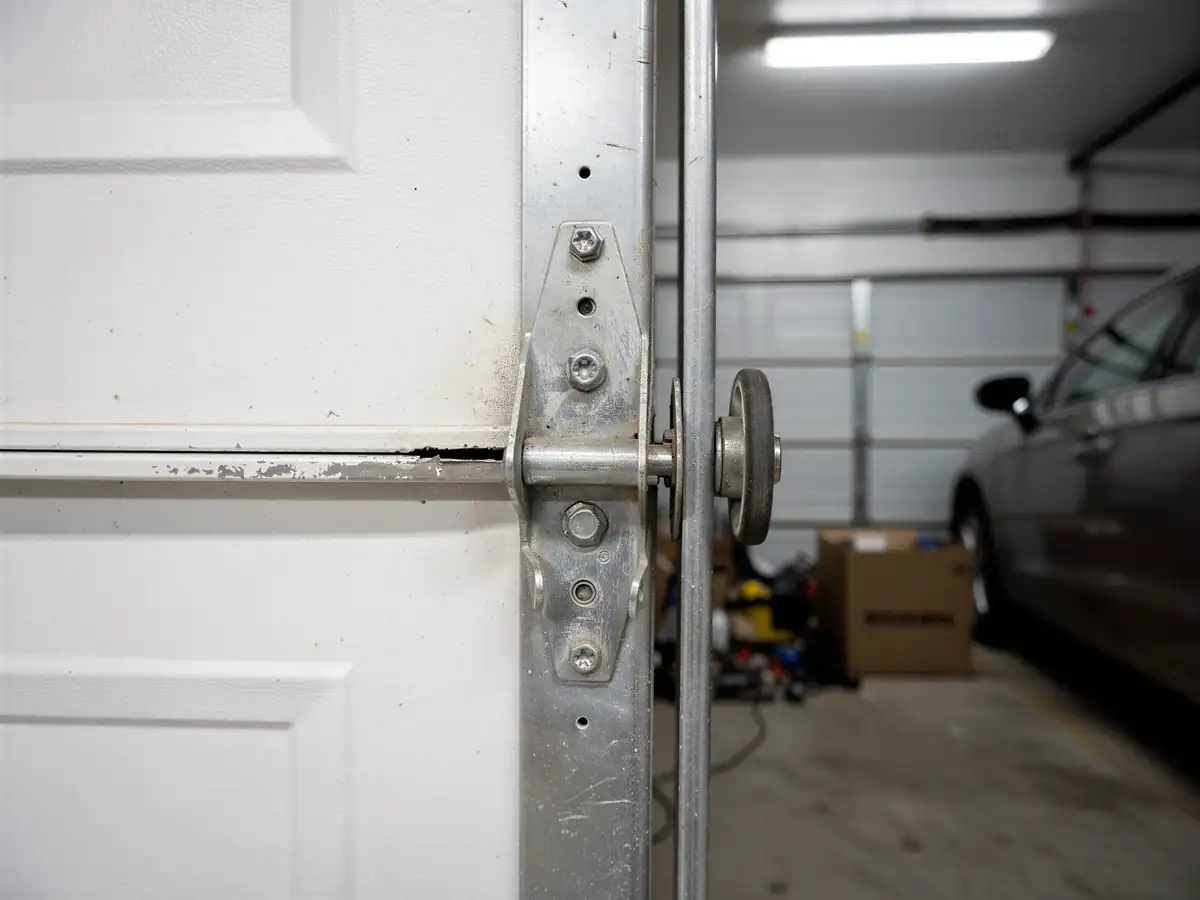
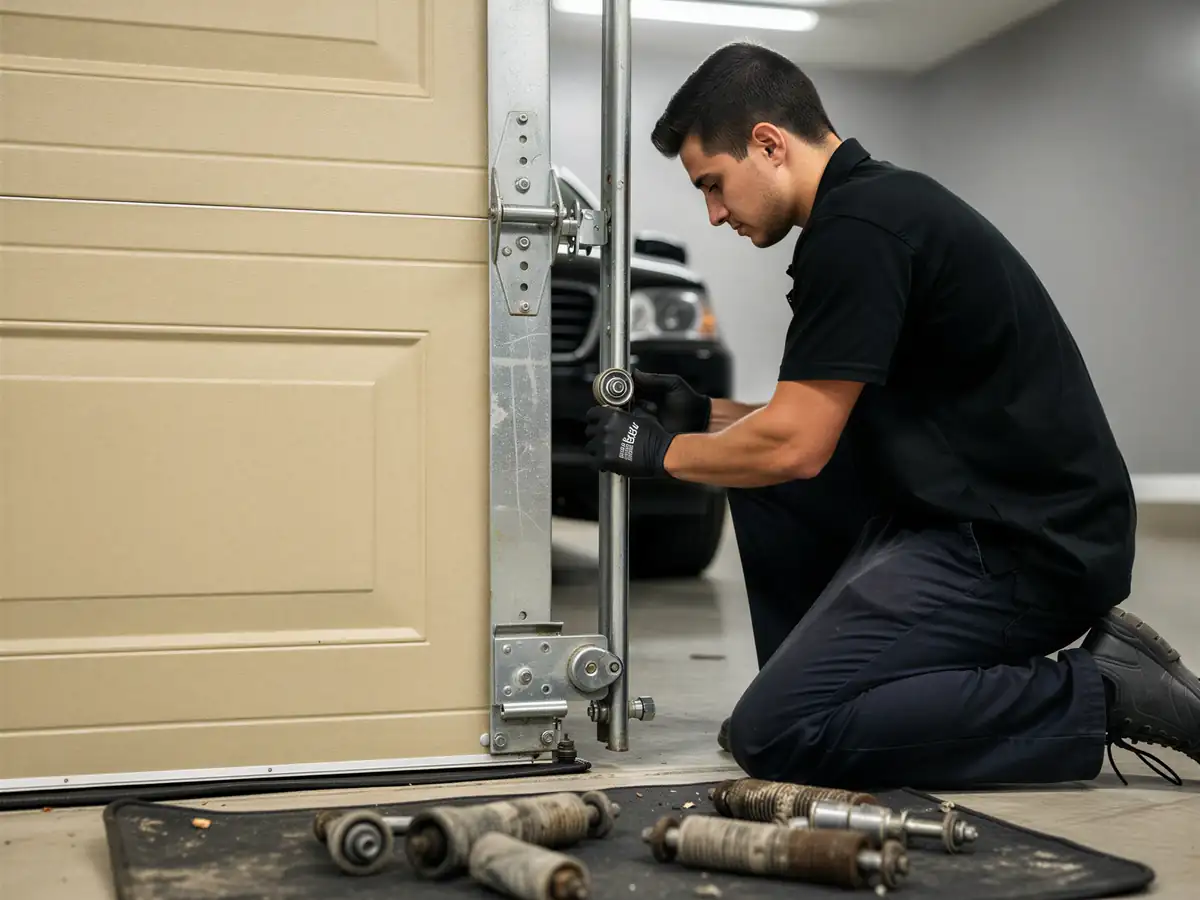
Cold-climate swings are hard on specific parts, not the whole door. Torsion springs fatigue faster with repeated cold-to-warm cycling, and on a house from the 1960s-70s stock that's common here, that spring has likely been replaced once already - or never, which is its own warning sign. Weatherstripping on original doors dries and cracks in a severe cold band faster than it would somewhere milder, letting drafts and moisture into the track where rollers ride. Rollers themselves, if they're the original steel-on-steel type, wear a groove into the track over fifty years that no amount of lubrication fixes. None of this means the door is junk. A cracked panel seam from decades of thermal movement is a different repair than a worn roller, and a sagging section is a different call than a stiff spring. The climate tells you where to look first; it doesn't tell you to replace the whole unit.