What Cold Weather Does to Garage Door Springs in Carson City
In Carson City's cold climate, torsion springs on homes built from 1938 to 2003 often fail without warning; learn why cold makes springs break and what to do.
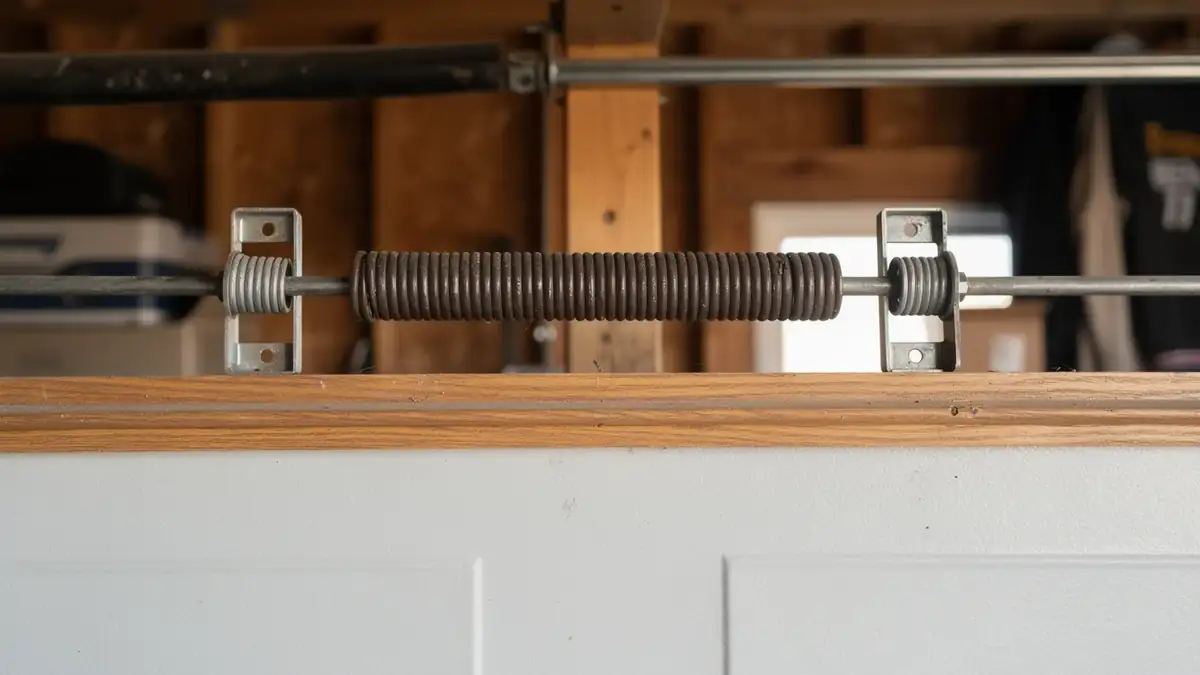
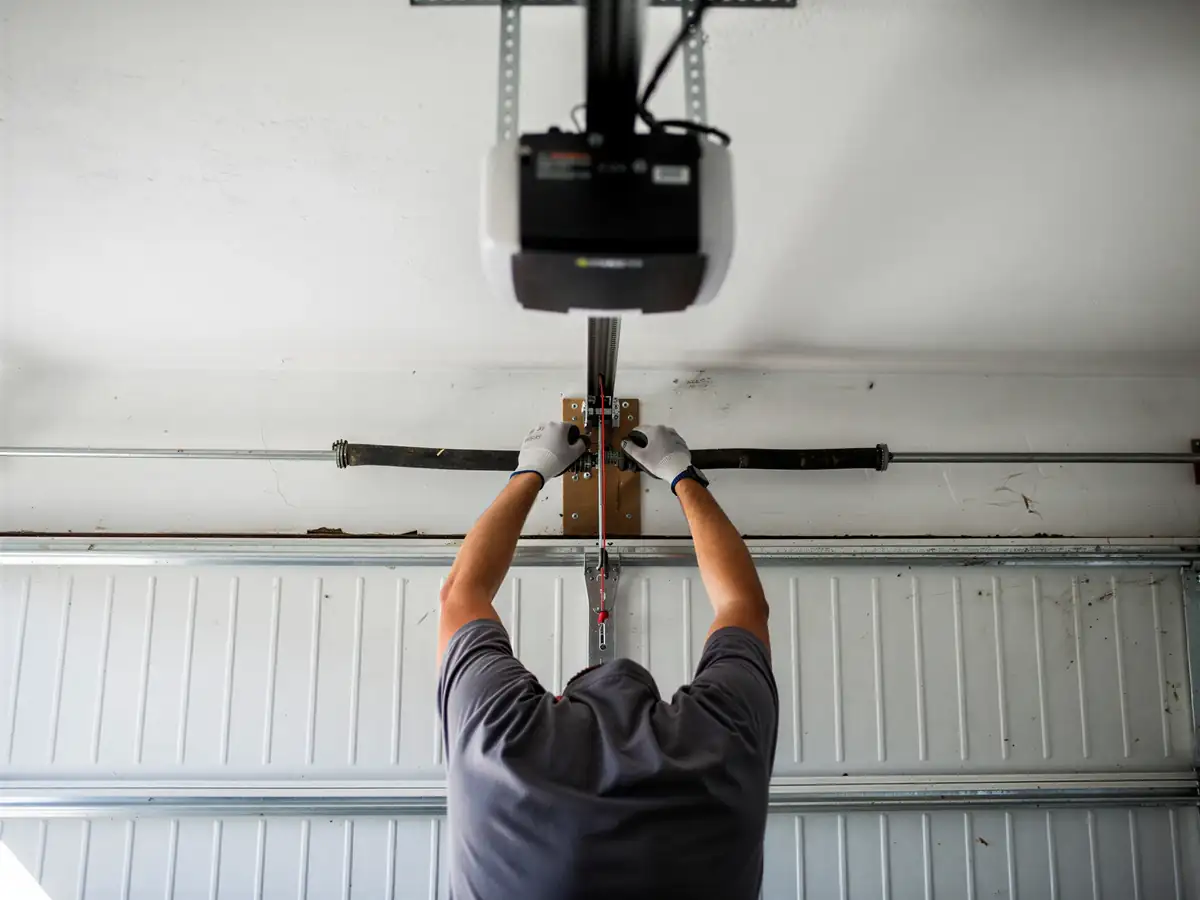
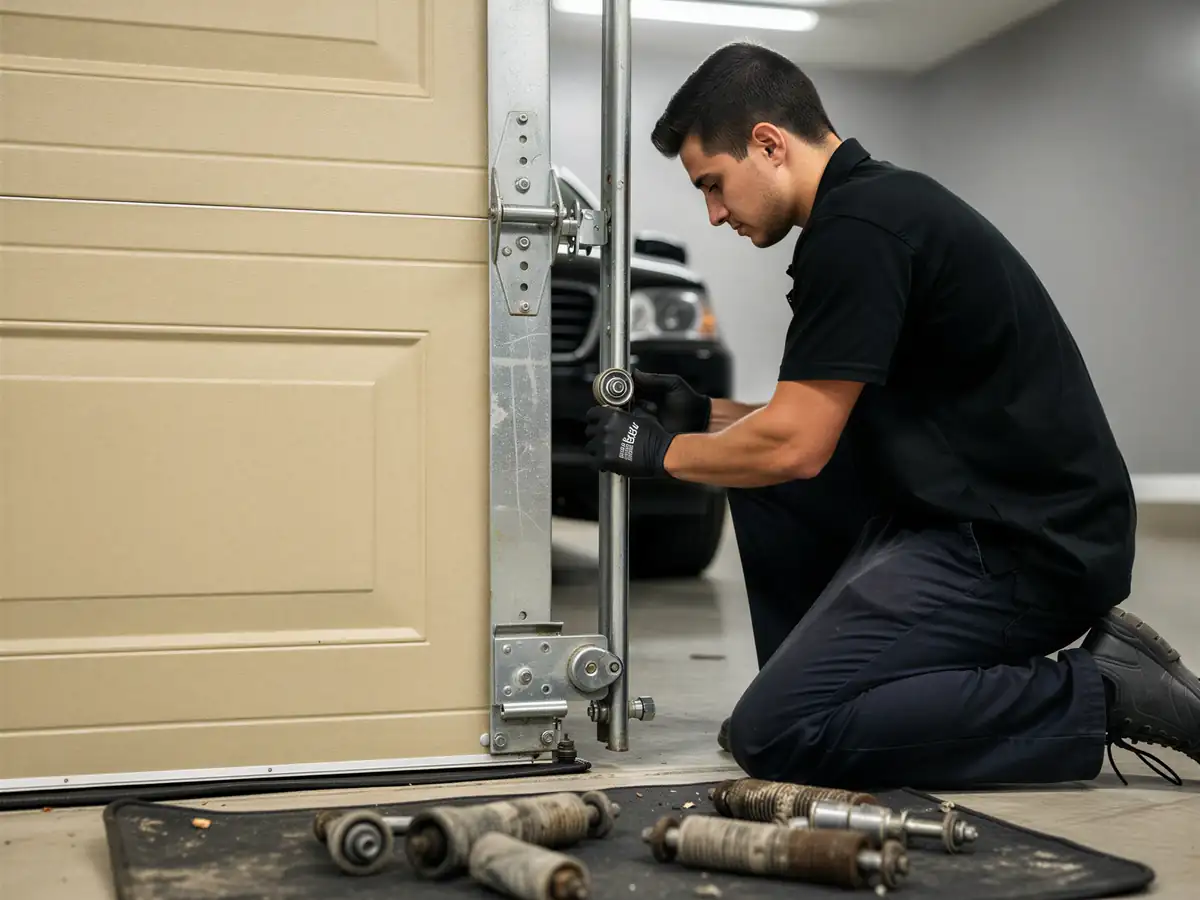
Steel doesn't behave the same at 20 degrees as it does at 70. A torsion spring holds a door up by staying wound tight under constant tension, and that tension doesn't change with the thermometer - but the metal's ability to flex under it does. In a cold-severe climate band like Carson City sits in, the steel gets harder and more brittle through the winter months, so the same spring that handled summer cycles without complaint can snap on a January morning doing nothing more than lifting an empty door. Lubricant thickens too, which means more friction right when the spring has the least give left in it. None of this means the spring was bad. It means cold exposes a weakness that was already there - a hairline fatigue crack, a spring sized for a lighter door, a wind that's been losing tension for years. The failure just picks the coldest week to show up, because that's when the steel has the least margin. If you've noticed your door sounding rougher or lifting slower once the nights get cold, that's the metal telling you before it breaks.
The Situation
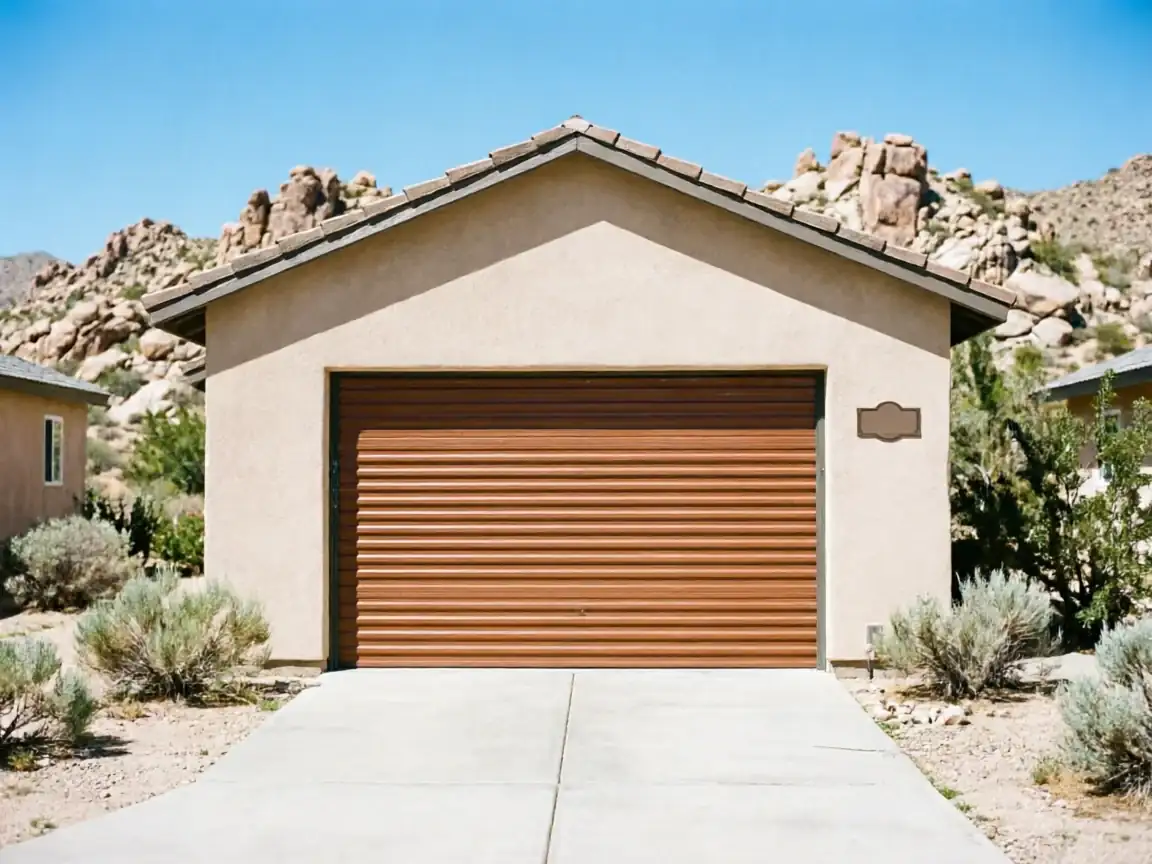
Carson City's housing was built mostly between 1938 and 2003, with the median home going up around 1976, and most of what we work on falls squarely in that 1960s-70s band. A lot of these garages still carry torsion springs installed decades ago, sometimes paired with a heavier insulated door that replaced a lighter original panel at some point without anyone upsizing the spring to match. That mismatch doesn't matter much in July. It matters in a hard cold snap, when the underpowered spring is already working harder than it was built for and the cold steel has less flex to absorb the extra load. Across the wider service area there are 21,860 households and roughly 16,650 owner-occupied houses, a lot of them sitting on hardware from that same era. We see the same pattern often enough that it's not a coincidence: older spring, upgraded door, cold morning, snap. It's not a flaw in the house. It's just what happens when hardware sized in 1976 meets a door and a winter it wasn't spec'd for.
What Local Conditions Do
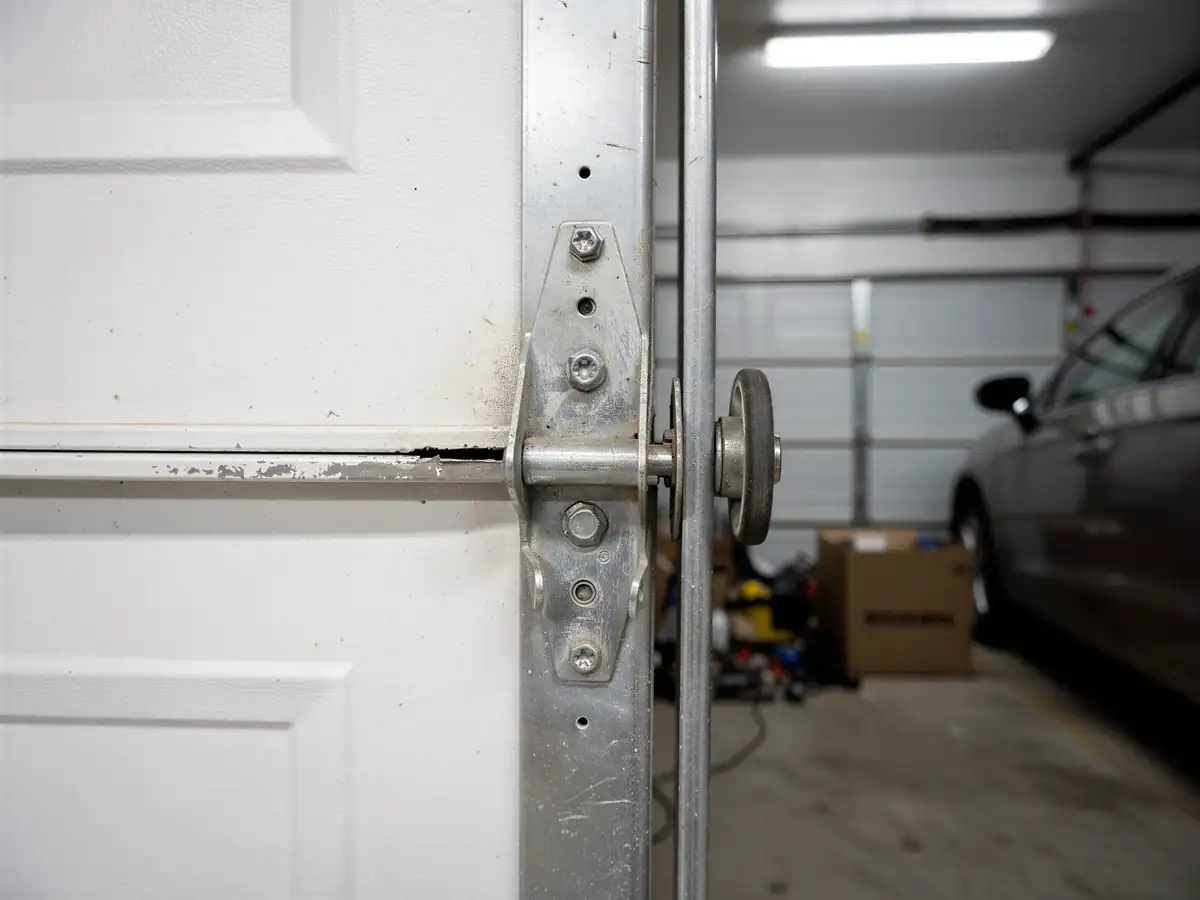
Being in a cold-severe band isn't just about one bad week. It's repeated freeze cycles over a whole winter, each one stressing the spring's steel a little more before it ever gets to the point of visible failure. A spring near the end of its life might survive three cold mornings and go on the fourth, with nothing different about that particular day except accumulated fatigue. Garages here also tend to run colder than the house itself, especially if there's no insulation on the garage door or walls, so the spring sits at or near outdoor temperature for most of the season rather than warming up during the day. That constant cold exposure is harder on the metal than a single sharp drop would be. It also thickens grease on the track and rollers, which adds resistance right as the spring has less flex to push through it - a door that already labors a bit in summer can bind up hard in January. None of this is unique to one brand of spring or one manufacturer. It's a function of steel, tension, and a climate that spends real months below the threshold where metal stays forgiving.
Where People Go Wrong
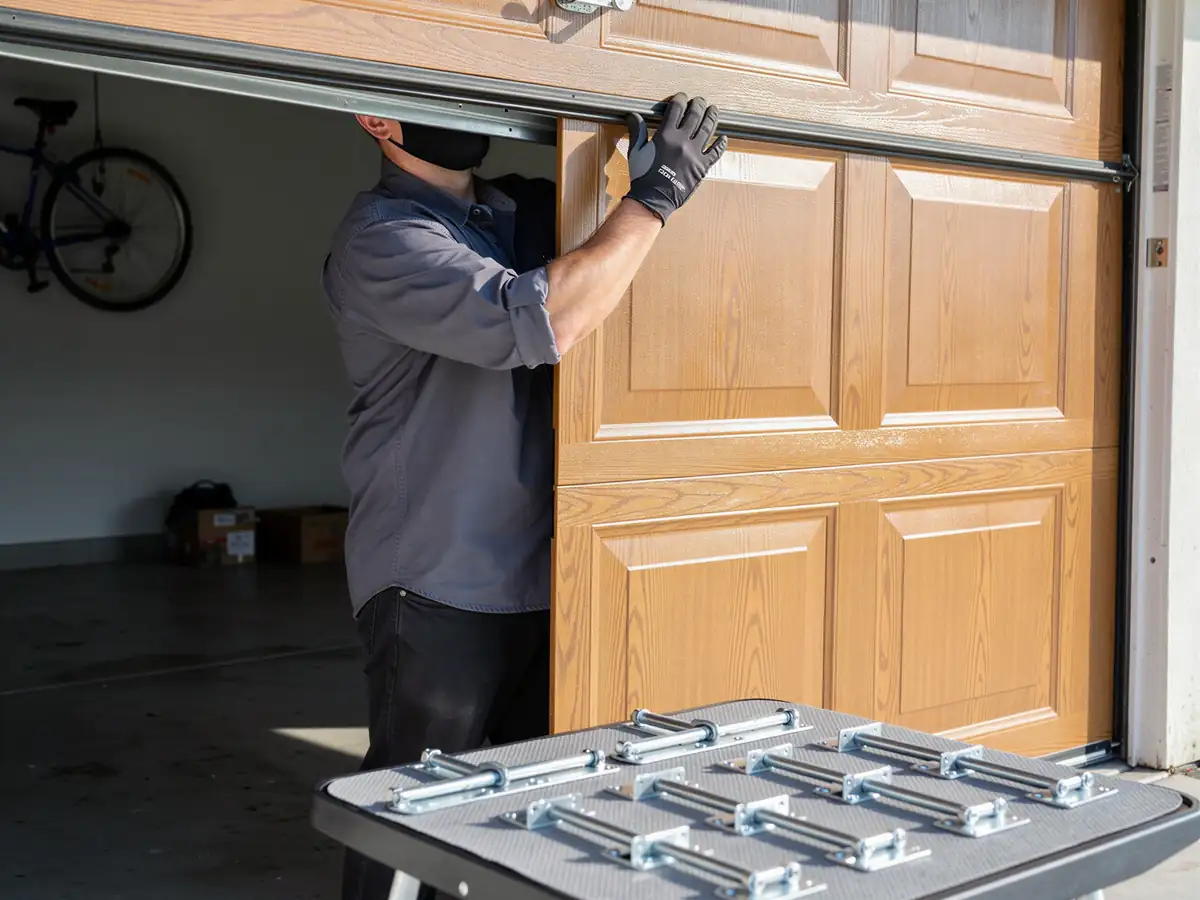
The most common mistake is waiting. A door that's lifting slower or making a new grinding sound in cold weather is giving warning, and most people wait until the spring actually lets go - usually on the coldest morning, with the door stuck halfway and a car trapped inside. The second mistake is trying to force a stuck door by hand when a spring is failing in the cold; a partially wound spring under load is dangerous, more so when the steel is already brittle from the temperature. The third is assuming any spring will do: a spring sized correctly for a lighter original door from the 1976-era stock won't hold a heavier insulated replacement safely through a real cold snap, and that mismatch is worth checking before winter, not after a break. I'll be straight about a limit here - if your spring is matched to older, discontinued hardware, an exact replacement isn't always available, and the job sometimes means updating the end bearing plates along with the spring, which adds time and cost. Better to know that before the door is stuck shut in freezing weather than during the call.
How it works
From “it’s stuck” to “it’s fixed”
01
Tell us what’s wrong
Describe the symptom - won’t open, loud bang, opener runs but the door won’t move.
02
On-site diagnosis
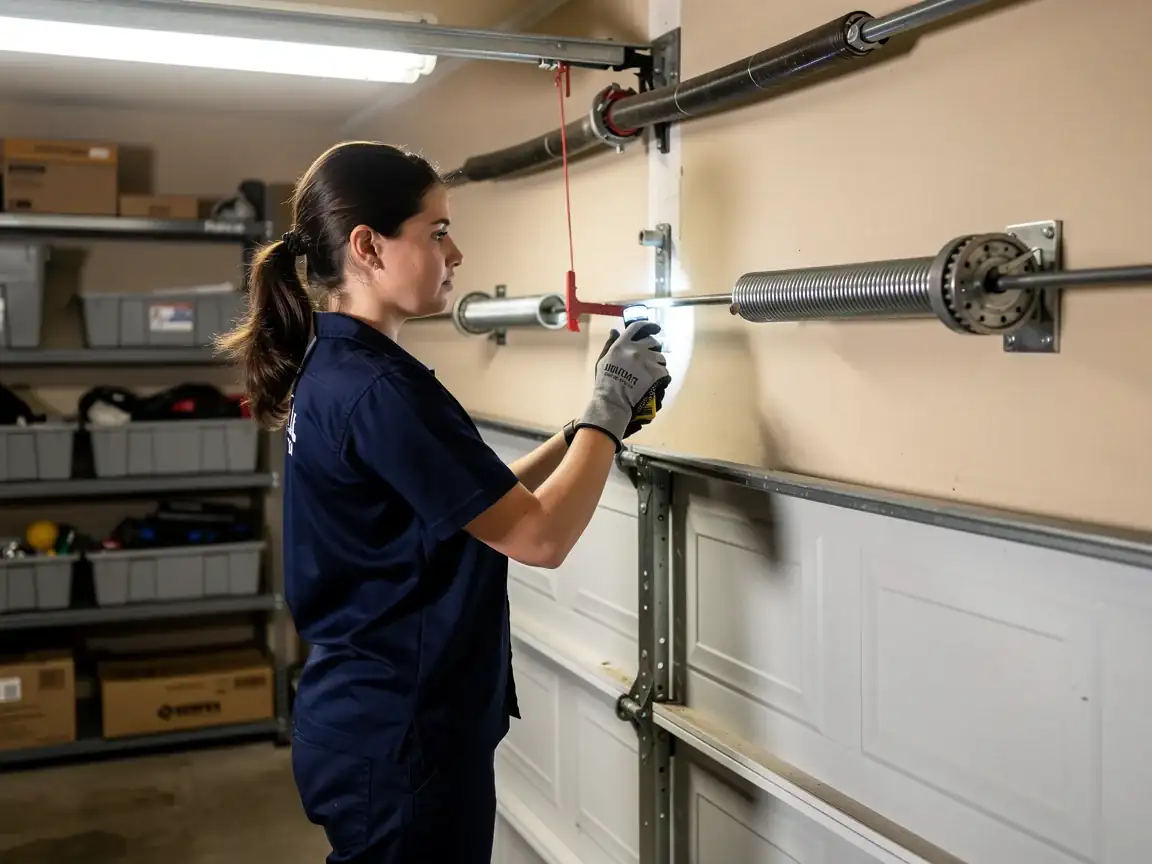
A technician tests the door under power and by hand and finds what actually failed.
03
Clear, up-front plan
You get the fix that’s needed and what drives the cost - before any work starts.
04
Repaired & tested
The repair is done, the door is set true and tested, and the work area left clean.
Not sure which repair your door needs in Carson City, NV? Describe what it’s doing - every job starts with a diagnosis.
Why did my garage door spring break on such a cold morning?
Cold steel loses flex, and a torsion spring that's already fatigued has the least margin left right when temperatures drop hardest. In Carson City's cold-severe winters, that's usually the breaking point for a spring that was already near the end of its life, not a sign of a new problem.
Is my spring the wrong size for my door?
It's common in homes built in the 1960s-70s here to have an original spring paired with a heavier door installed later. If your door feels like it's straining to lift, especially in cold weather, that mismatch is worth having checked before the spring fails outright.
Can I replace a broken spring myself?
A wound torsion spring under tension is dangerous to handle without the right bars and experience, and cold-brittle steel makes that worse. This isn't a job to learn on your own garage.
Will you always have the exact replacement part?
Not always. Older hardware from decades-old installs sometimes requires updating the end bearing plates along with the spring, since exact matches for discontinued parts aren't always in stock.
Ready to get your garage door sorted?
Tell us what it’s doing and where you are in Carson City - we’ll take it from there.