What Can Go Wrong
An opener fails in a handful of predictable ways
The motor runs but the door won't move, the logic board stops reading the remote, the drive gear strips and you hear grinding with no lift, or the whole unit just goes dead at the wall switch. On a chain or belt drive from the 1980s or 90s, the sprocket wears down slowly, so you get a louder unit for months before it quits outright.
Carson City's housing stock runs 1938 through 2003
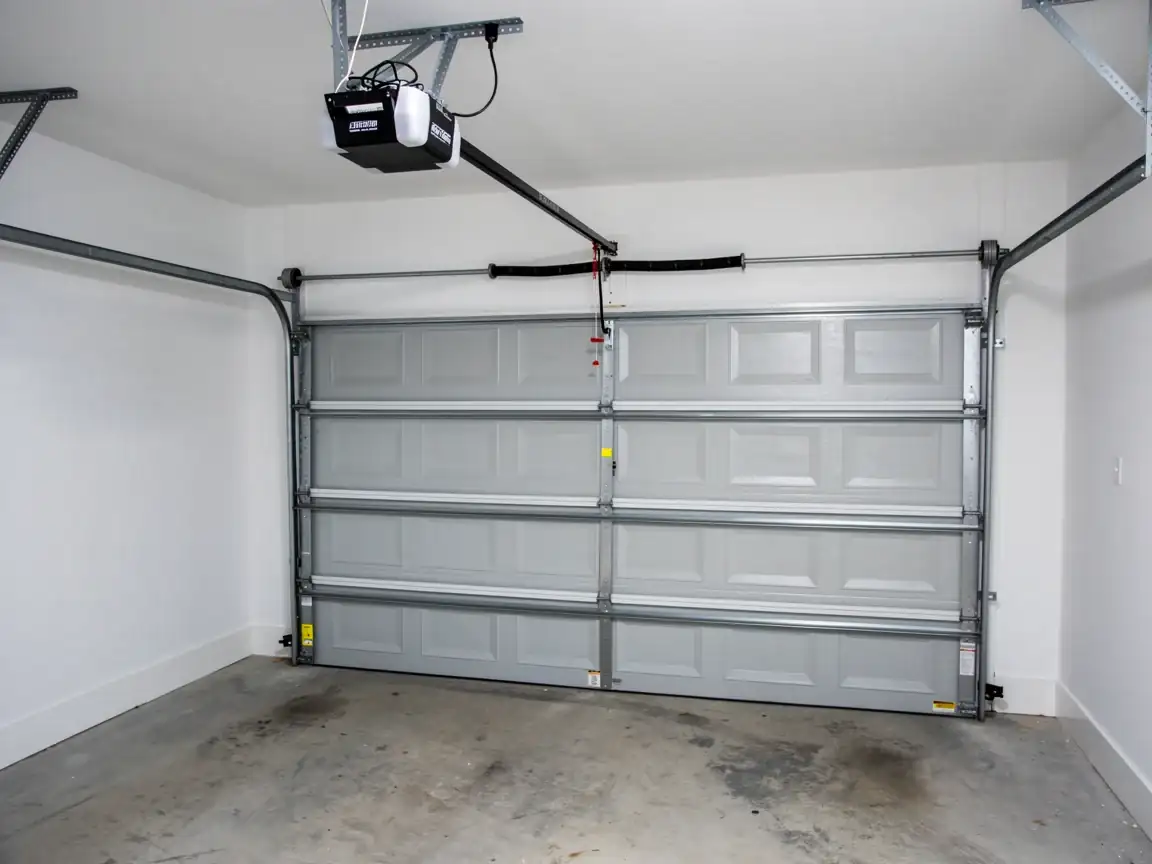
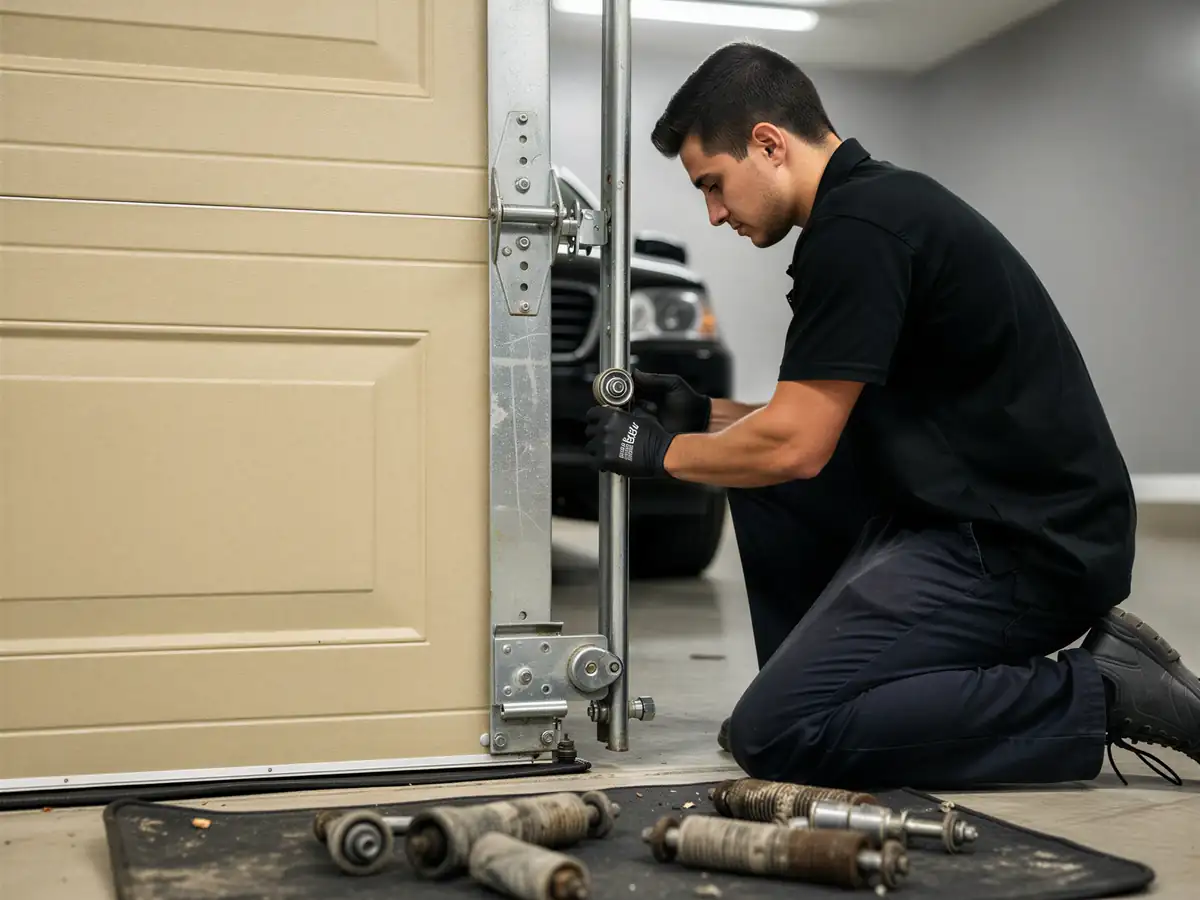
With a median build year of 1976, and a lot of that stock sits across roughly a dozen named neighborhoods built in waves through the 60s and 70s. That means a sizable share of openers in service right now are second or third-generation replacements on original hardware - tracks and rail systems from an era before today's safety reversal sensors were standard. Swapping the opener on one of these setups isn't always a straight bolt-in; sometimes the rail length, header bracket, or door weight calls for a different horsepower rating than what's currently mounted.
We don't try to force a modern opener onto hardware that's fighting it
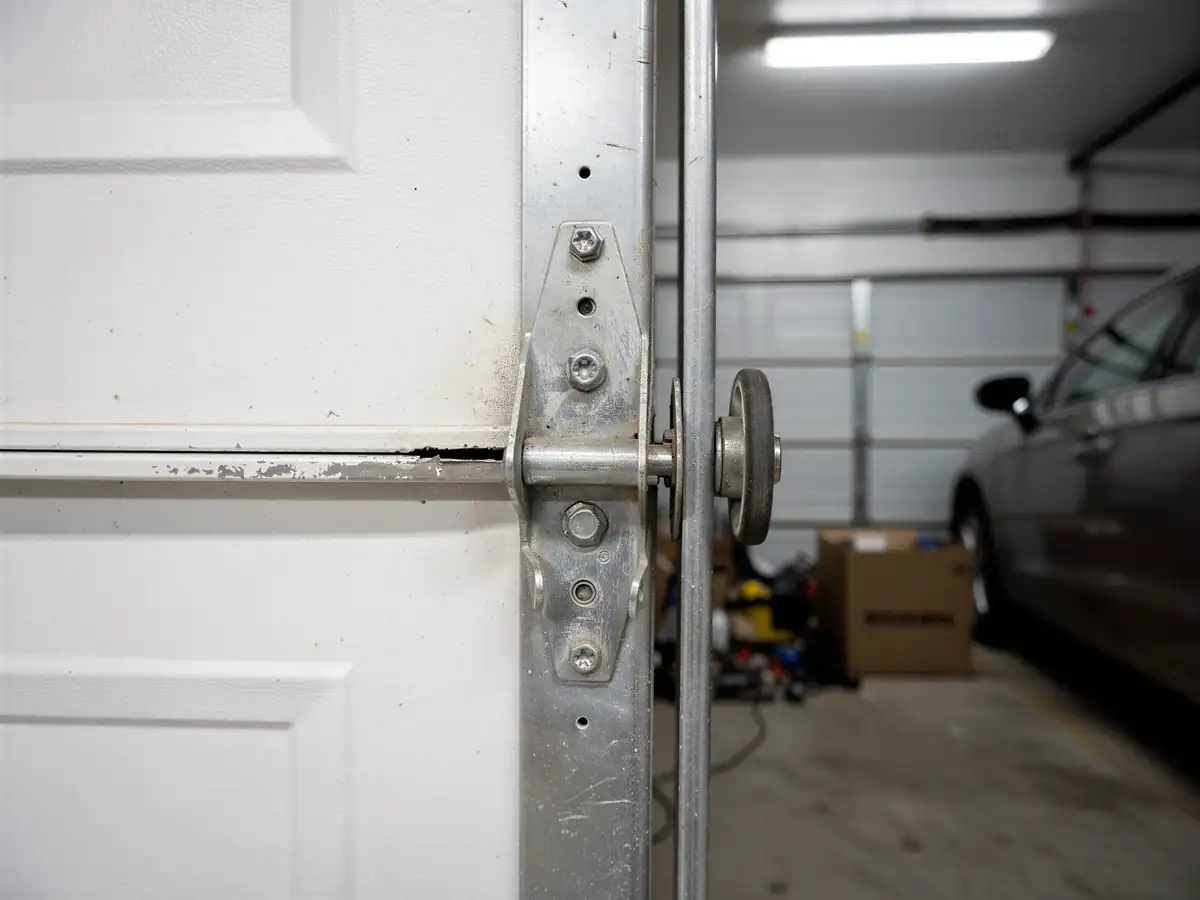
If the existing rail or bracket is bent, cracked, or undersized for the door, that gets flagged and fixed as part of the job, not papered over.
The Symptom
The first sign is usually noise - a grinding or clicking where there used to be a smooth hum - followed within weeks by the door reversing itself halfway up, or not responding to the wall button at all while the remote still half-works. Another common pattern: the opener runs the full cycle but the door lags or stutters, which points to a motor capacitor or gear set nearing the end of its life rather than anything wrong with the door itself.
In a severe cold climate like this one, winter makes failing openers louder and slower before they die completely. Grease inside an aging gearbox thickens when temperatures drop, which adds resistance right when the motor is already weak. Homeowners often call first thing on a cold morning because the door simply refuses to open - not because the hardware failed overnight, but because cold exposed a fault that was already there.
If your opener only acts up below freezing and runs fine by afternoon, that's a strong sign the unit is on its way out, not a one-time glitch.
Doing It Yourself
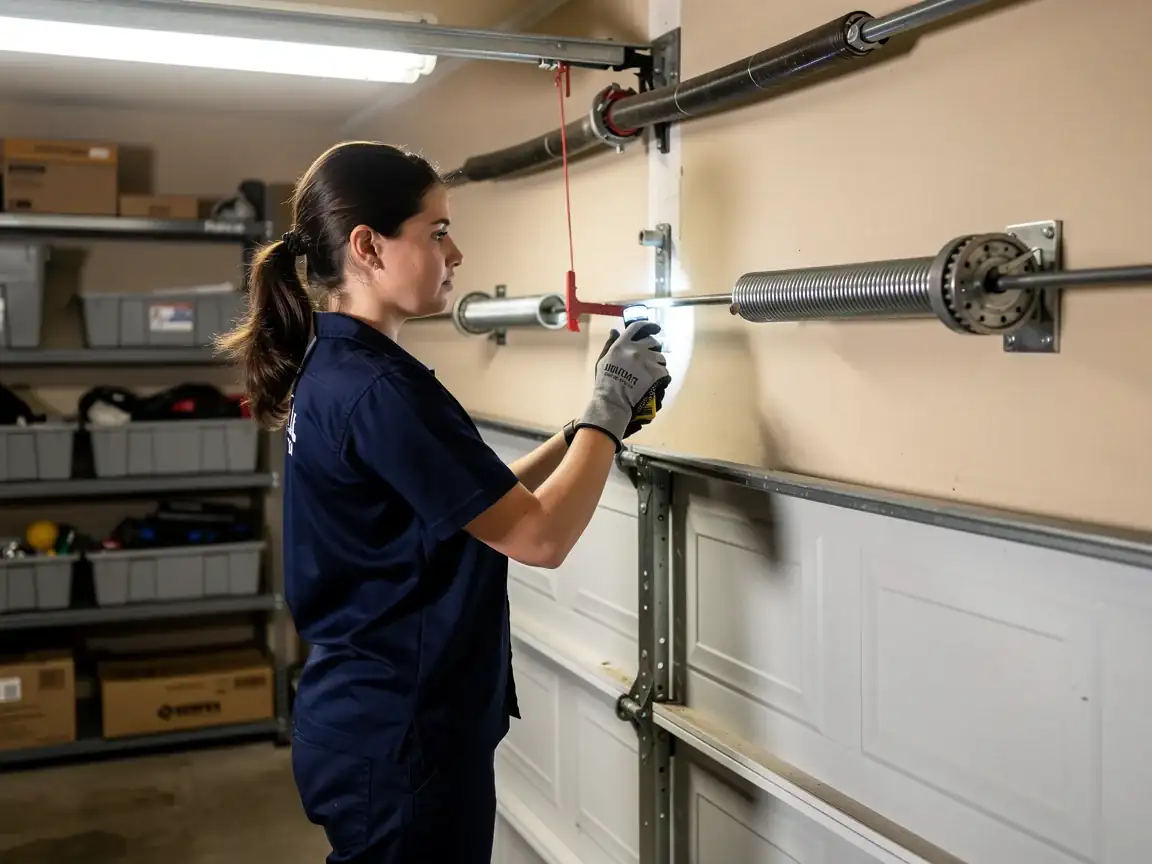
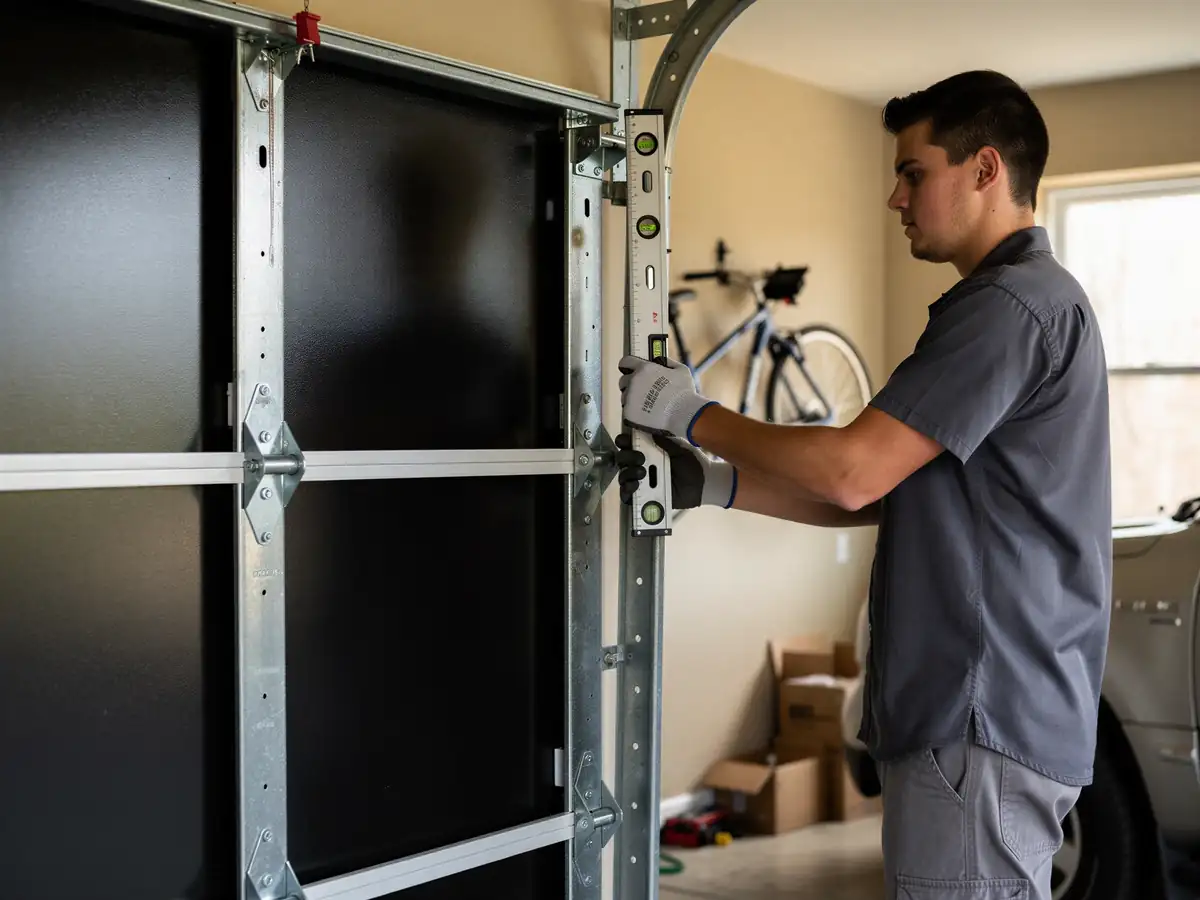
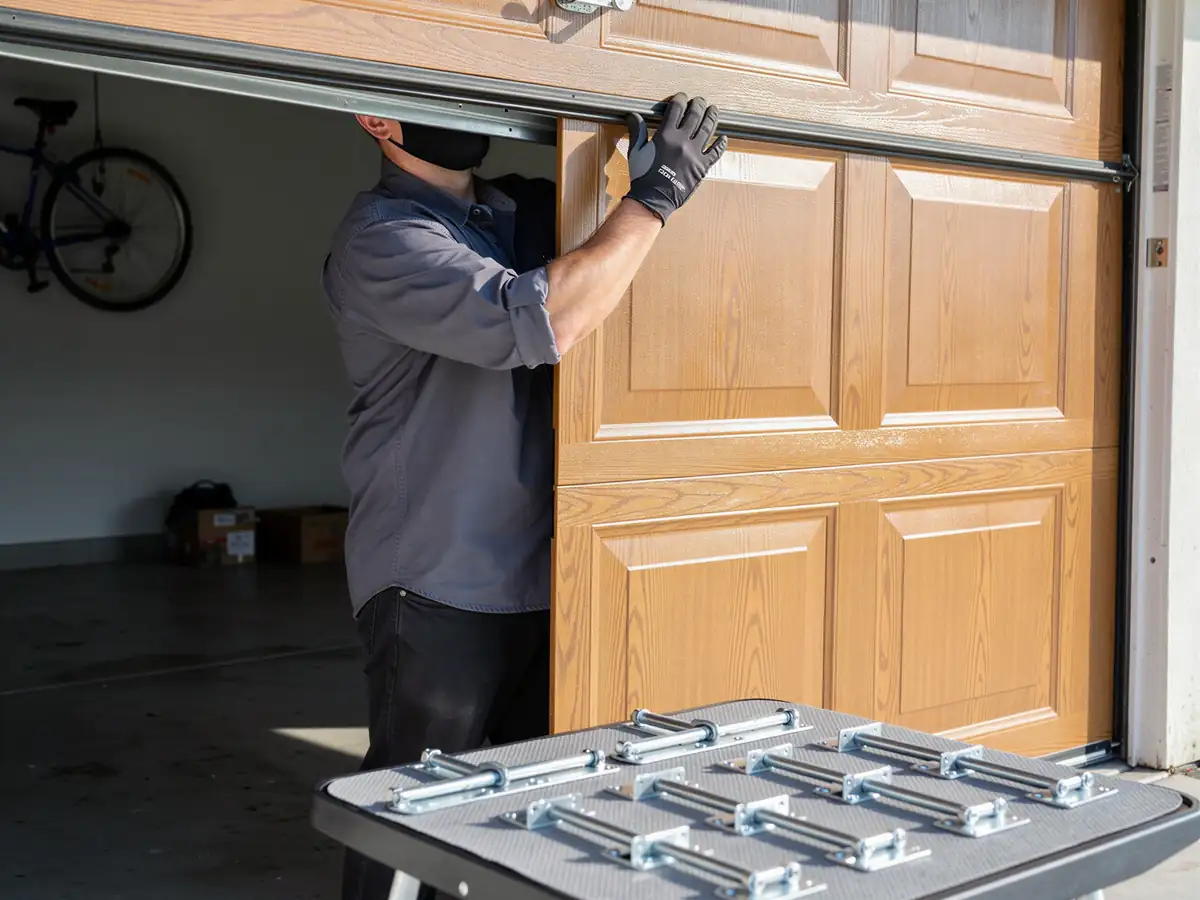
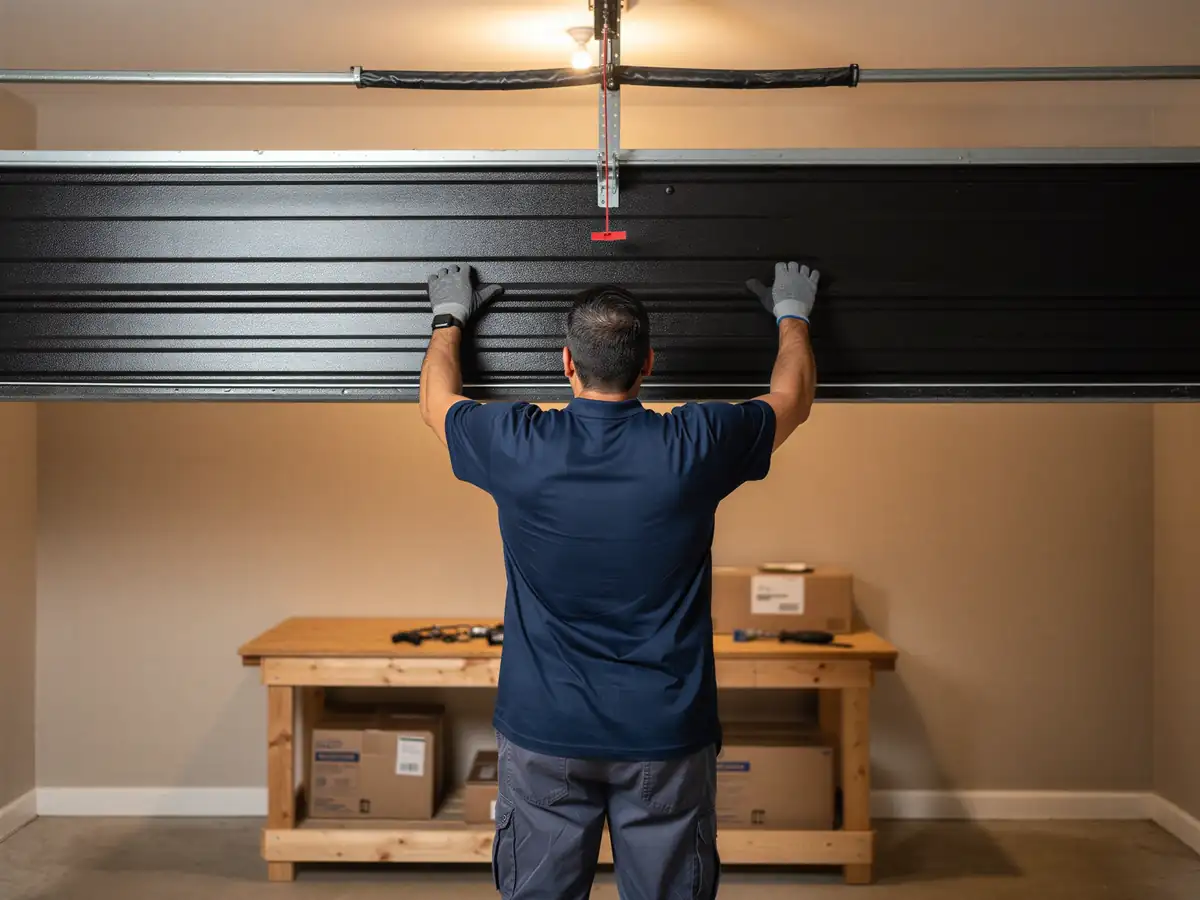
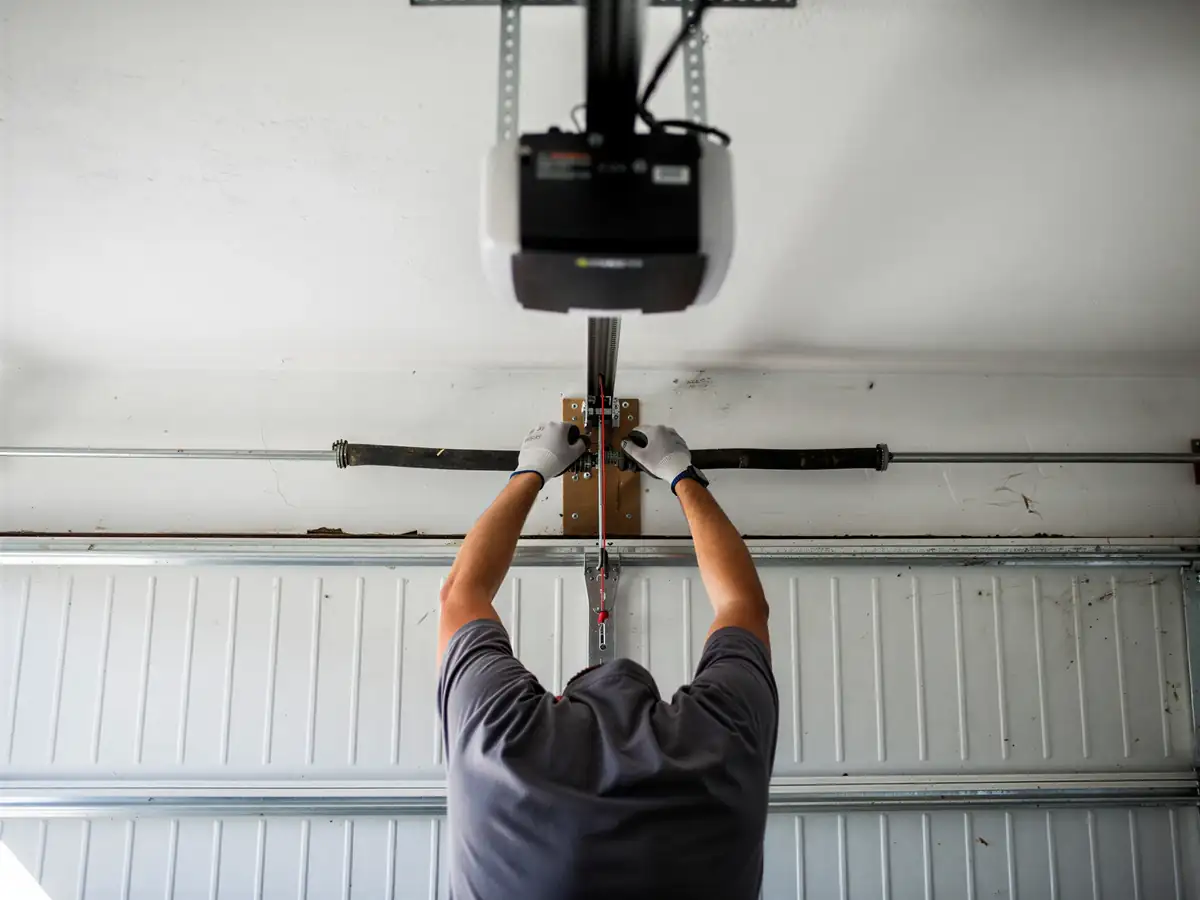
Swapping a wall button or reprogramming a remote is reasonable weekend work, and plenty of owners do it without trouble. Installing the opener itself is a different job. You're working overhead with a spring-loaded door, wiring a safety sensor pair that has to align within a fraction of an inch, and setting force limits that, if wrong, mean the door either won't stop on an obstruction or won't open at all.
On houses built before modern code required photo-eye safety sensors, adding a new opener means running that safety wiring from scratch, not just bolting the motor to the existing rail. That's where a lot of DIY installs go sideways - the opener works, but the safety reversal doesn't trip correctly, and that's not something to find out after the fact.
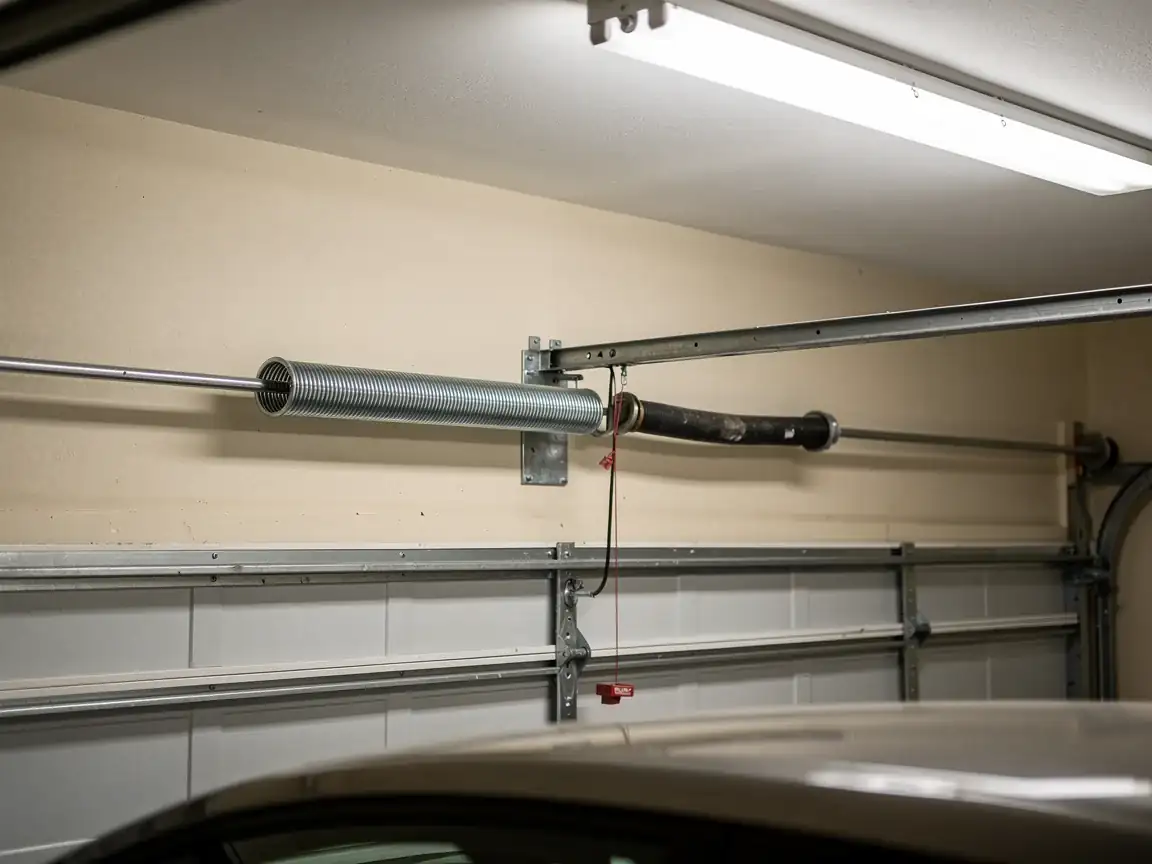
We'll say plainly: if your rail, bracket, and door are already in good shape and you're comfortable on a ladder, the controller swap part of this job isn't beyond a handy homeowner. Where we draw the line is spring tension and track alignment - get those wrong and the fix costs more than the opener did.
Why It Happens Here
Two things stack up against openers in this service area: age and cold
With median household income at $96,019 across roughly 21,860 households and 16,650 owner-occupied houses, most people here aren't shopping for the cheapest opener on the shelf - they're replacing a unit that's actually failed, usually one original to a house from the 1960s or 70s. That's a long service life for a motor and gearbox, and it shows.
- $96,019 median household income
- 21,860 households
- 16,650 owner-occupied
The cold is the other half of it
A severe cold climate band means openers here see sustained sub-freezing stretches most winters, which thickens lubricant, stresses belt material, and shortens the life of capacitors compared to milder climates. An opener that might run another five years somewhere warmer is often done here.
This service area stretches well beyond the city itself
Out past Virginia City at 12 miles, Dollar Point at 18, and farther out toward Verdi, Sun Valley, and the string of smaller towns past 30 miles. The same housing-age and climate pattern holds across most of it, which is why opener replacement, not patch repair, tends to be the call once a unit starts acting up in winter.