What Can Go Wrong
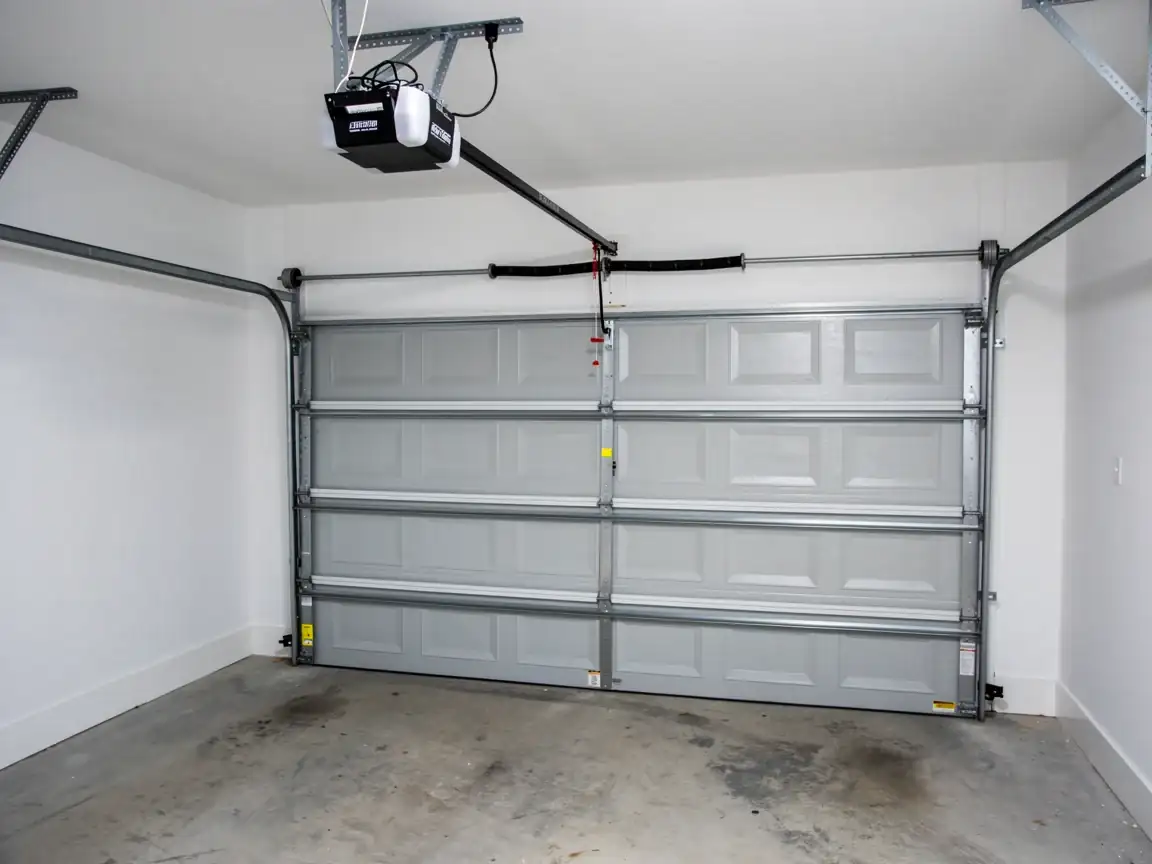
A garage door is a simple machine with a handful of parts that wear out on a schedule
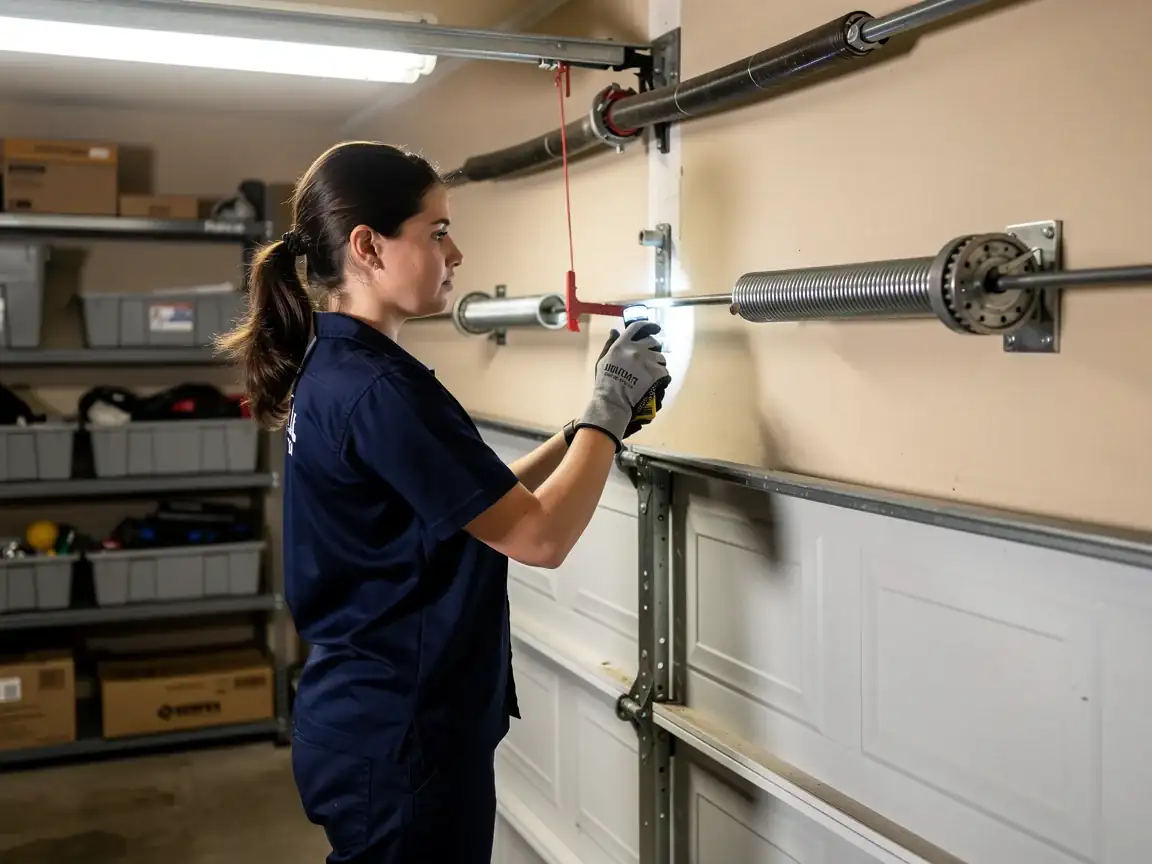
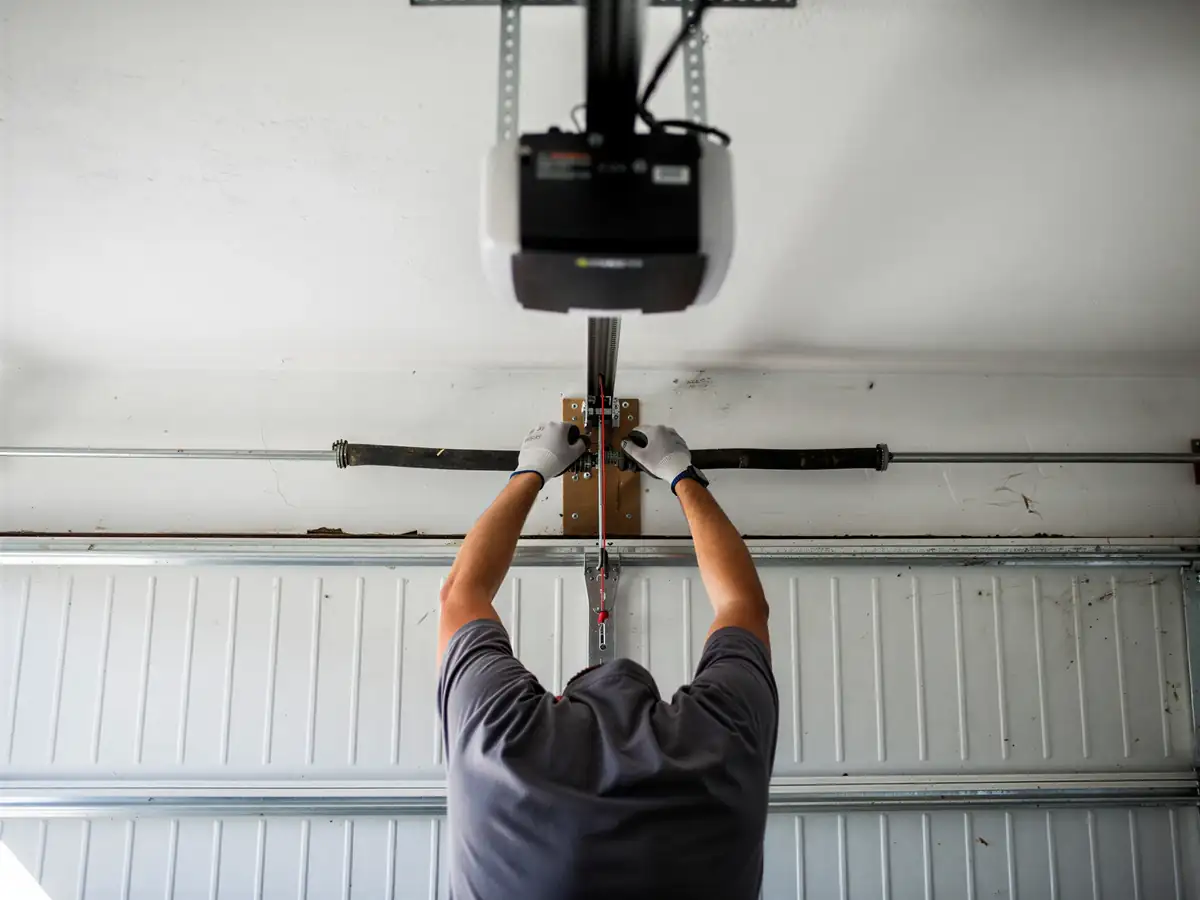
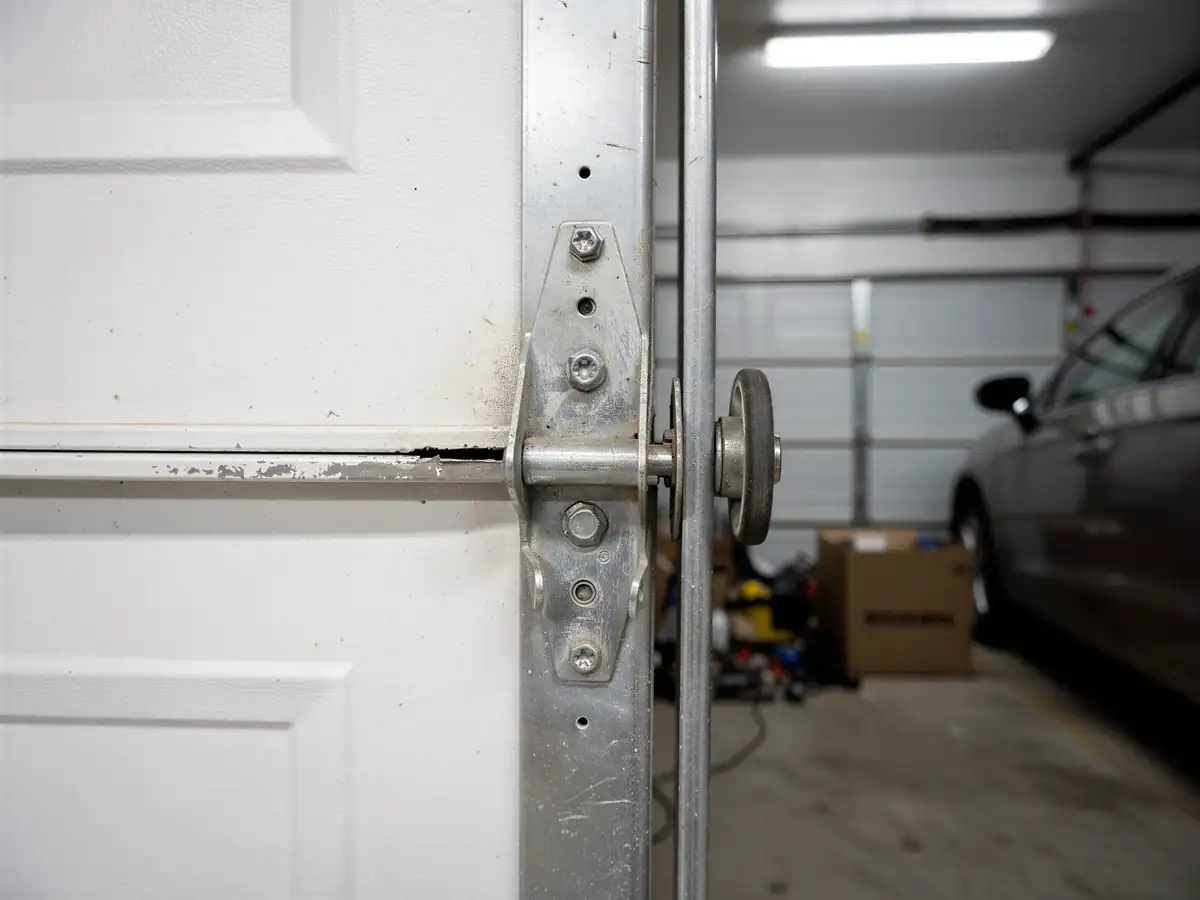
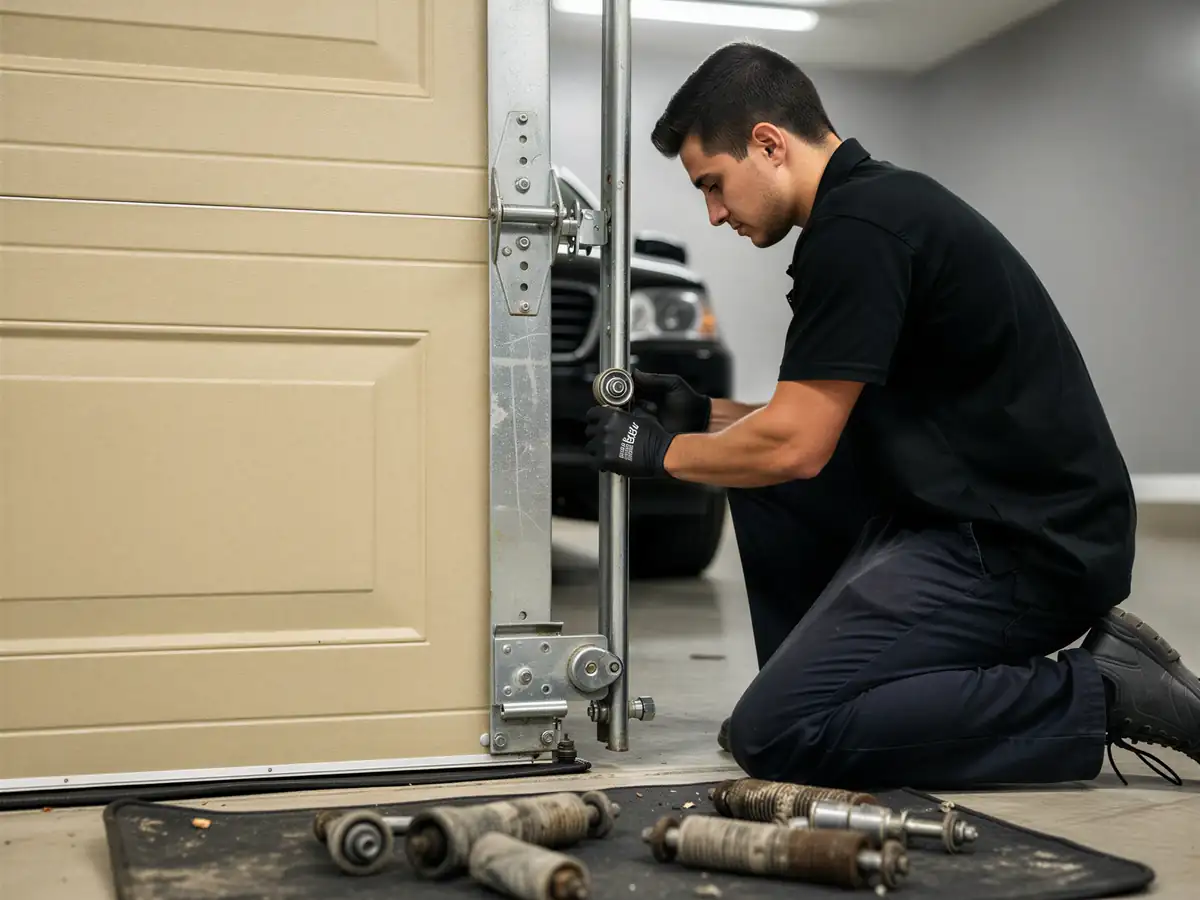
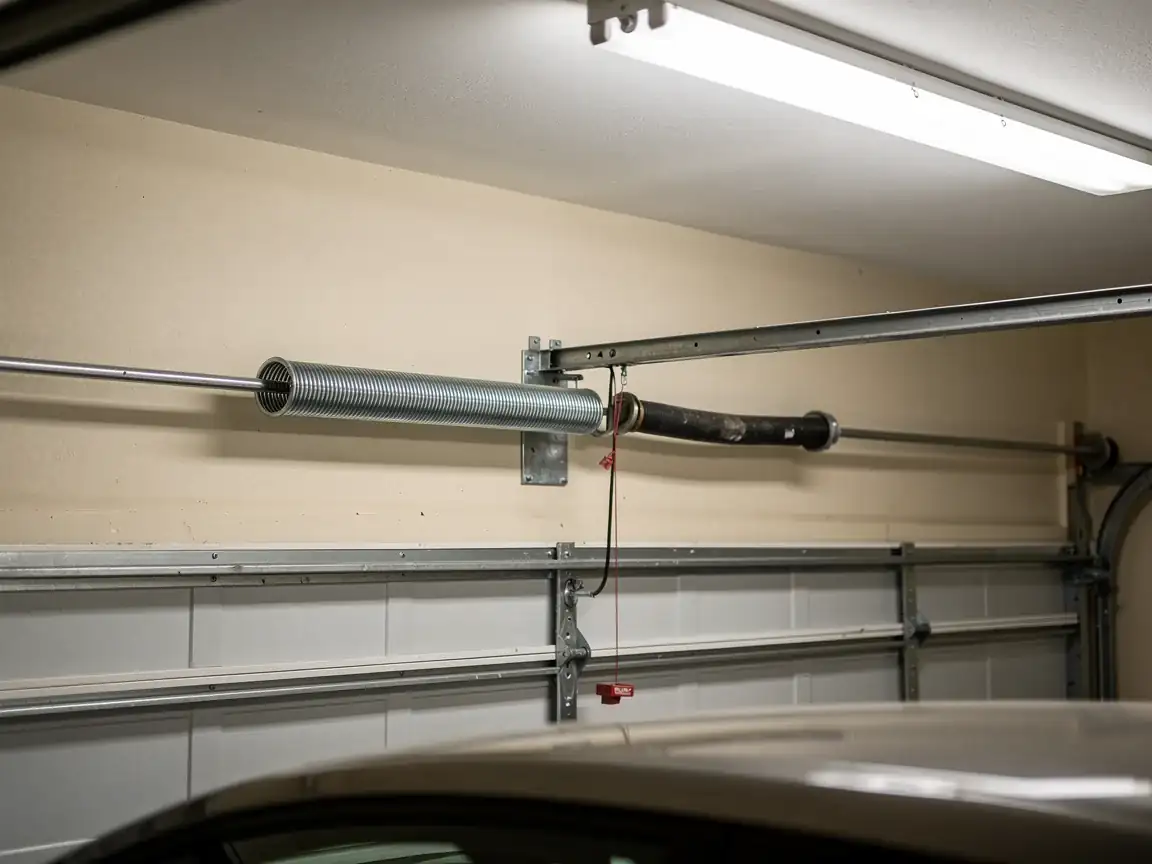
Not on a whim. The torsion spring loses tension after a set number of cycles. Rollers crack and bind in the track. Cable strands fray where they wrap the drum. The opener's drive gear strips, usually quietly, until the day it doesn't turn at all.
In a service area with 21,860 households and 16,650 owner-occupied houses
We see the same failure points over and over because the housing stock itself is consistent: most doors and openers were installed or replaced during a narrow window, which means a lot of hardware is aging out at roughly the same rate. A door that's never been serviced doesn't fail all at once. It fails one small part at a time, and each small part makes the next one work harder. A rough-running door today is a stuck door in six months if nothing gets adjusted or replaced.
- 21,860 households
- 16,650 owner-occupied
We're not going to tell you every door needs a full overhaul
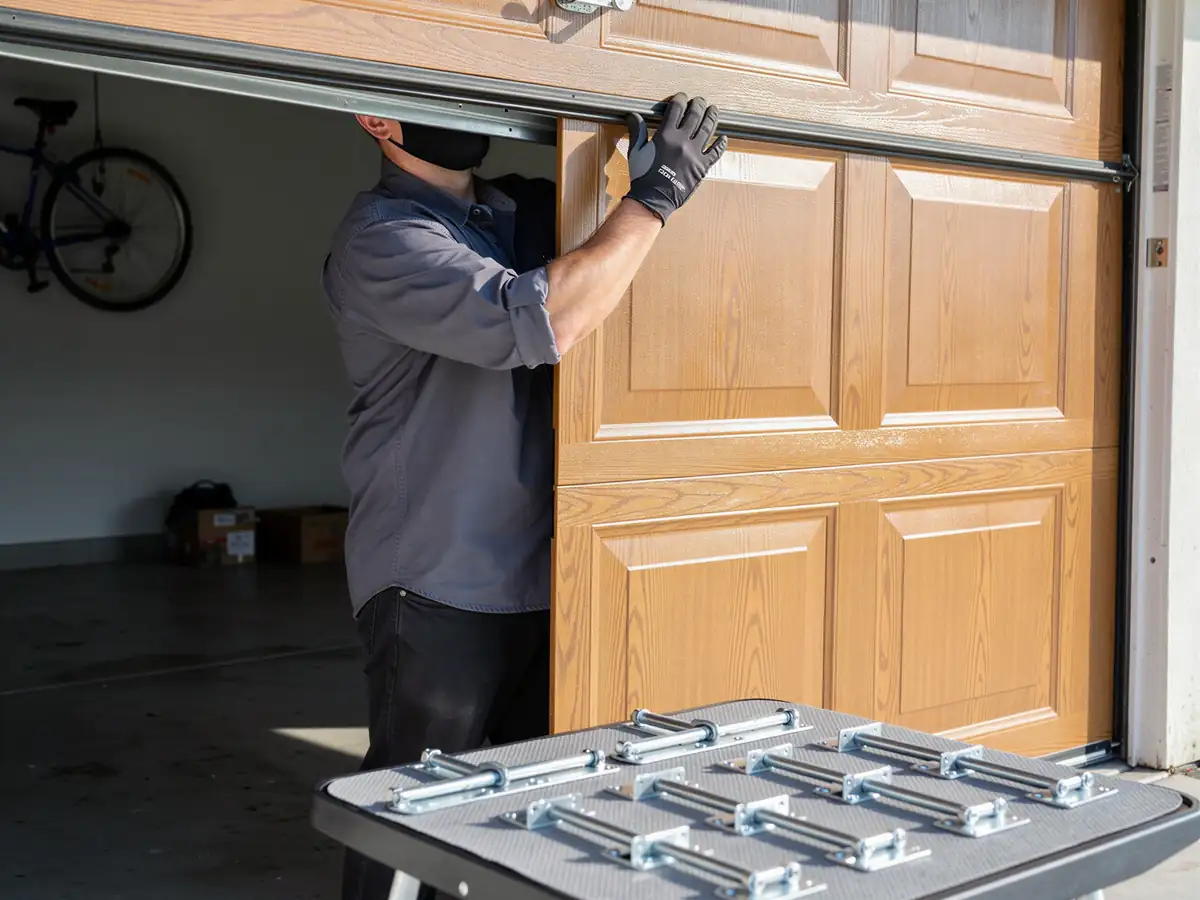
Plenty of doors just need the track realigned and the hinges tightened. The point of a maintenance visit is figuring out which parts are near the end and which ones have years left, instead of guessing.
The Symptom
The first sign is almost always noise. A door that used to run quiet starts grinding, popping, or banging once as it opens. That bang is usually a spring losing its grip on the shaft, or a roller hitting a gap where the track has pulled from the wall. Neither one is an emergency the first time it happens. Both get worse fast if ignored.
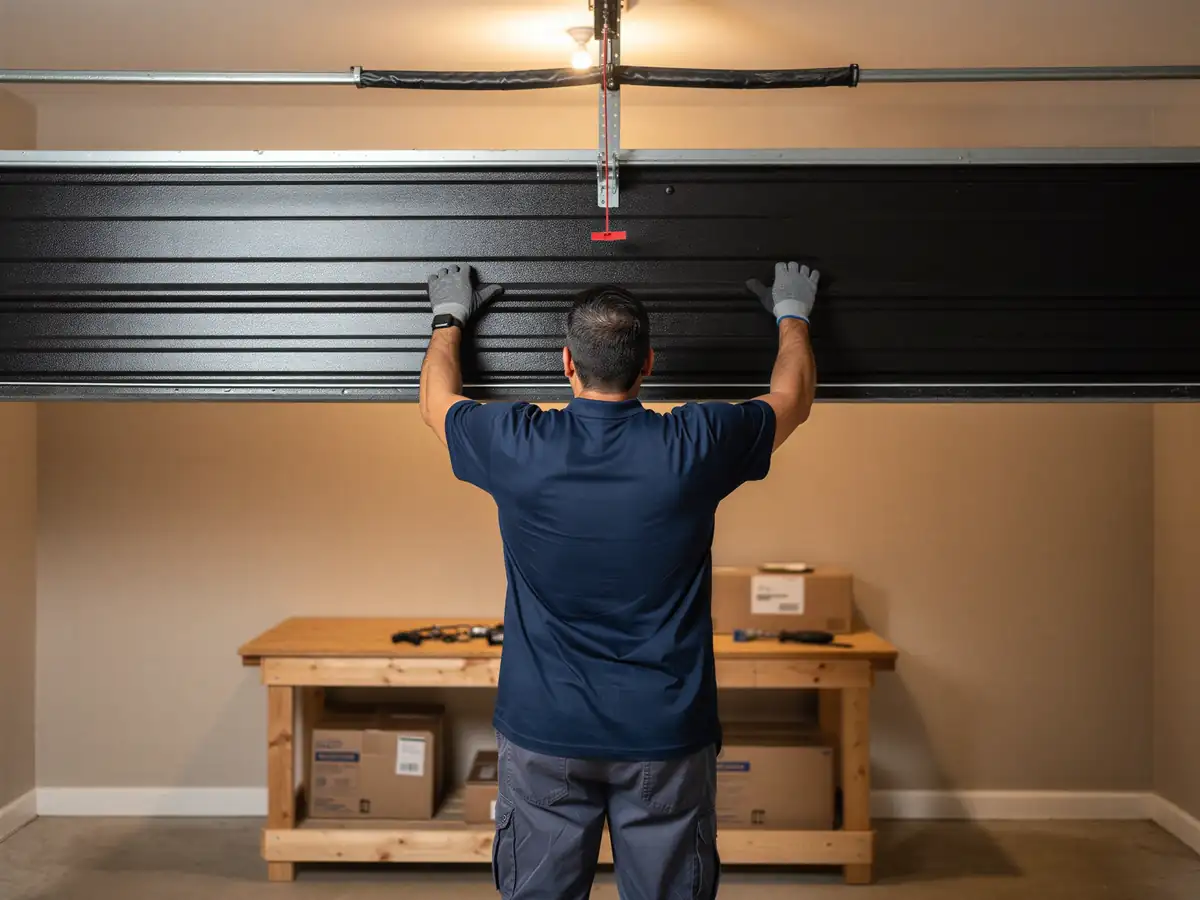
The second sign is drift: the door doesn't sit flush at the bottom, or one side closes faster than the other. That's a balance problem, almost always spring-related, and it puts extra load on the opener motor that the motor was never built to carry.
Homes built across the 1938-2003 span that makes up most of this area's housing show this in a specific way: original one-piece doors and early sectional doors on older torsion setups tend to lose balance gradually, over years, so owners get used to the sound before they notice the symptom. By the time the door is visibly off, the spring is usually close to its last cycle. Catching the noise before the drift is the cheaper problem to fix.
Doing It Yourself
Some of this is fine to do yourself. Wiping down and lubricating the rollers and hinges with a garage-door-specific lubricant, twice a year, costs little and does real good. Checking that the photo-eye sensors are clean and aligned takes five minutes. Tightening visible lag bolts on the track brackets is reasonable if you're comfortable on a ladder.
What you should not touch is the torsion spring. It's under enough stored tension to cause a serious injury if it lets go while you're working on it, and there's no safe way to "test" that tension without the right bars and a steady hand. We also don't recommend adjusting the opener's force settings past the owner's manual defaults - too much force hides a mechanical problem instead of fixing it, and it's a safety issue if the door doesn't reverse properly on an obstruction.
Honest limitation: we don't do a tune-up and tell you everything's fine when it isn't, just to get the call closed faster. If your door needs a $40 part now instead of a full tune-up, that's what we'll say. If the spring has maybe one winter left in it, we'll tell you that too, because a spring failure in January with a car trapped inside is worse than replacing it on your schedule.
Why It Happens Here
Two things stack up in this area that don't stack up everywhere
First, the age of the housing stock: with most homes dating to the 1960s and 70s across the fourteen named areas this region covers, a lot of original hardware and first-generation openers are well past their expected service life, even where the door itself still looks fine. Second, the climate band here is classified cold and severe, which matters more than people think. Cold temperatures stiffen lubricant, shrink metal slightly, and make springs more brittle at the exact moment winter weather is also loading the door with extra weight from a frozen or swollen bottom seal.
That combination - older torsion hardware plus repeated cold-season stress
Is why doors in this service area tend to show spring and cable wear a few years earlier than the national average for the same door age. It's not that the parts are worse. It's that they're being asked to do more work, more often, in worse conditions, without most owners ever opening the garage to check on them. A twice-yearly maintenance visit, timed before and after the cold months, catches the wear before it becomes a failure.