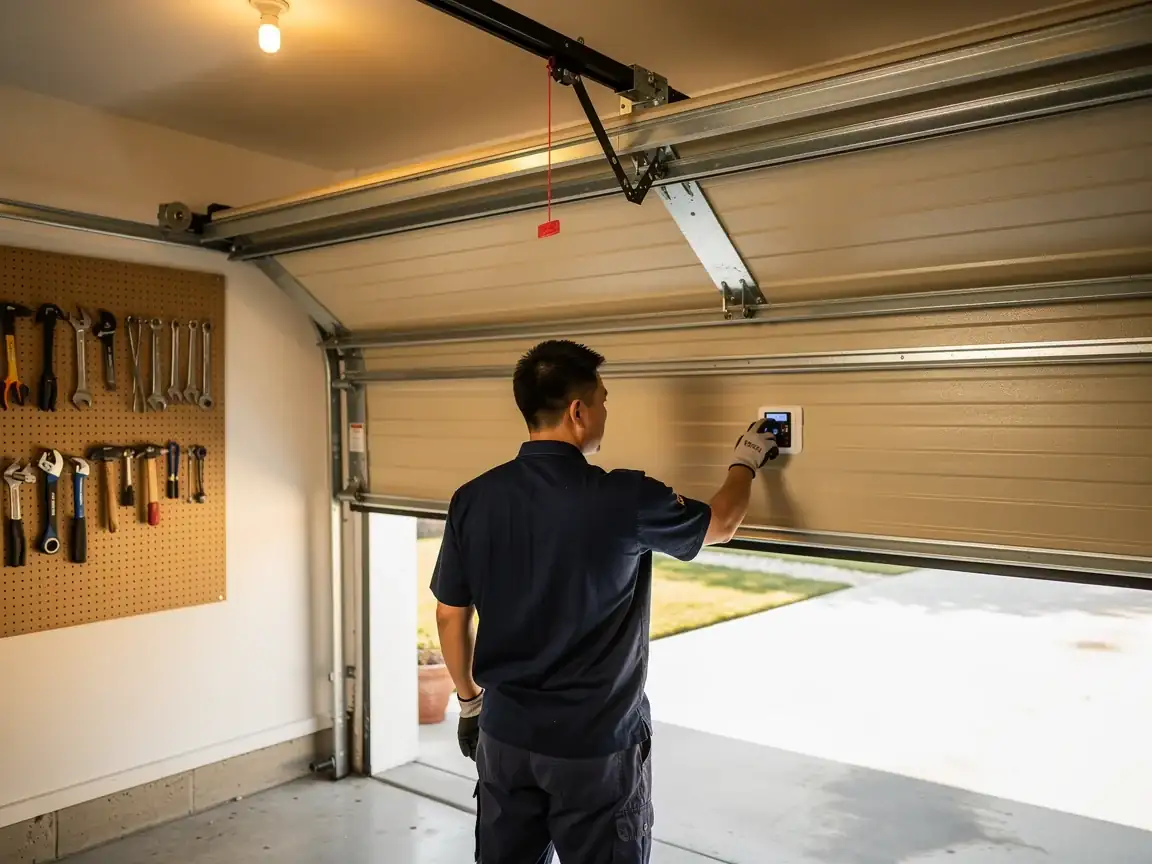
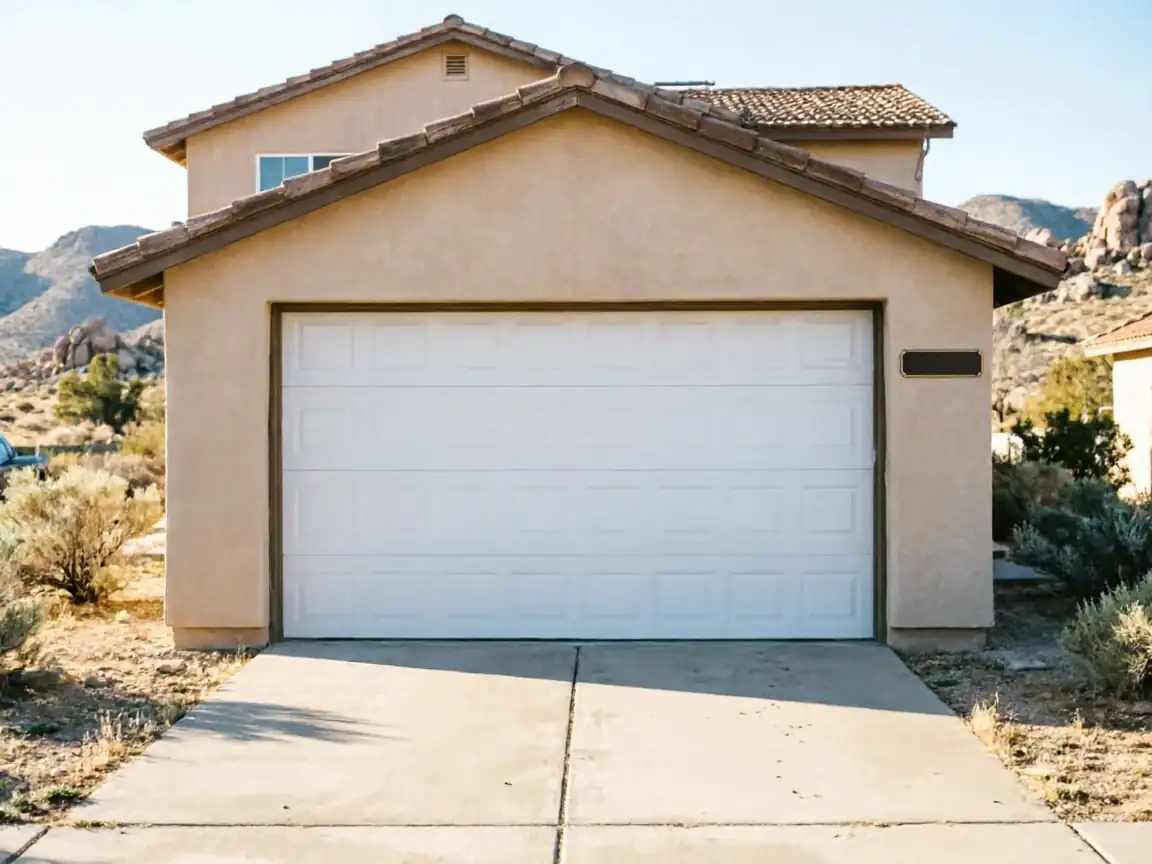
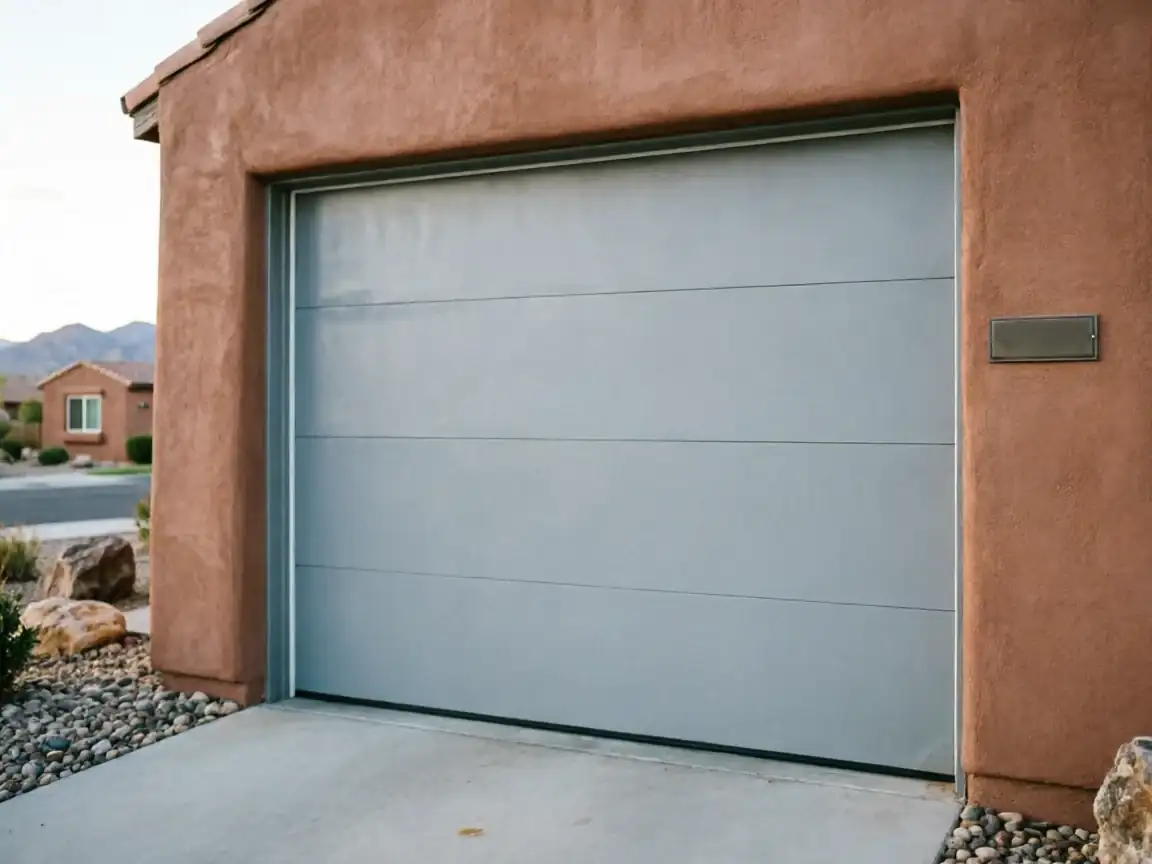
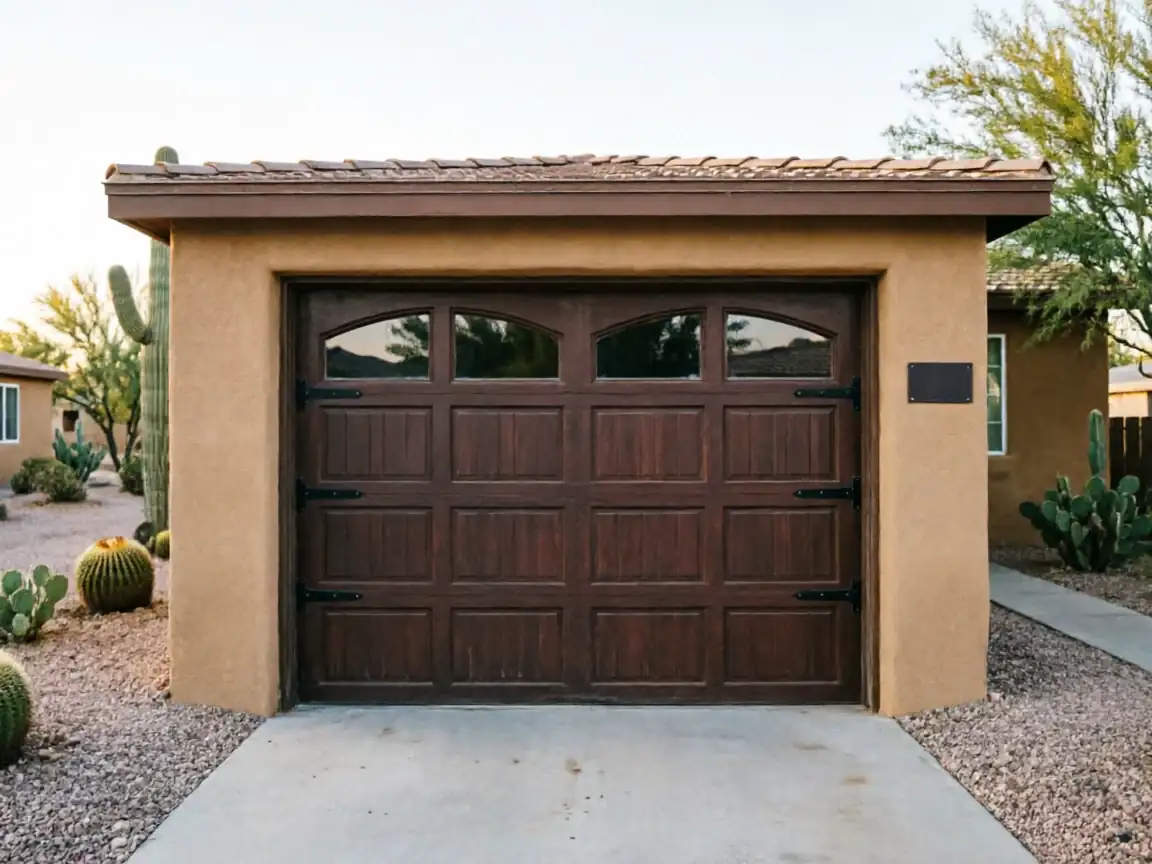
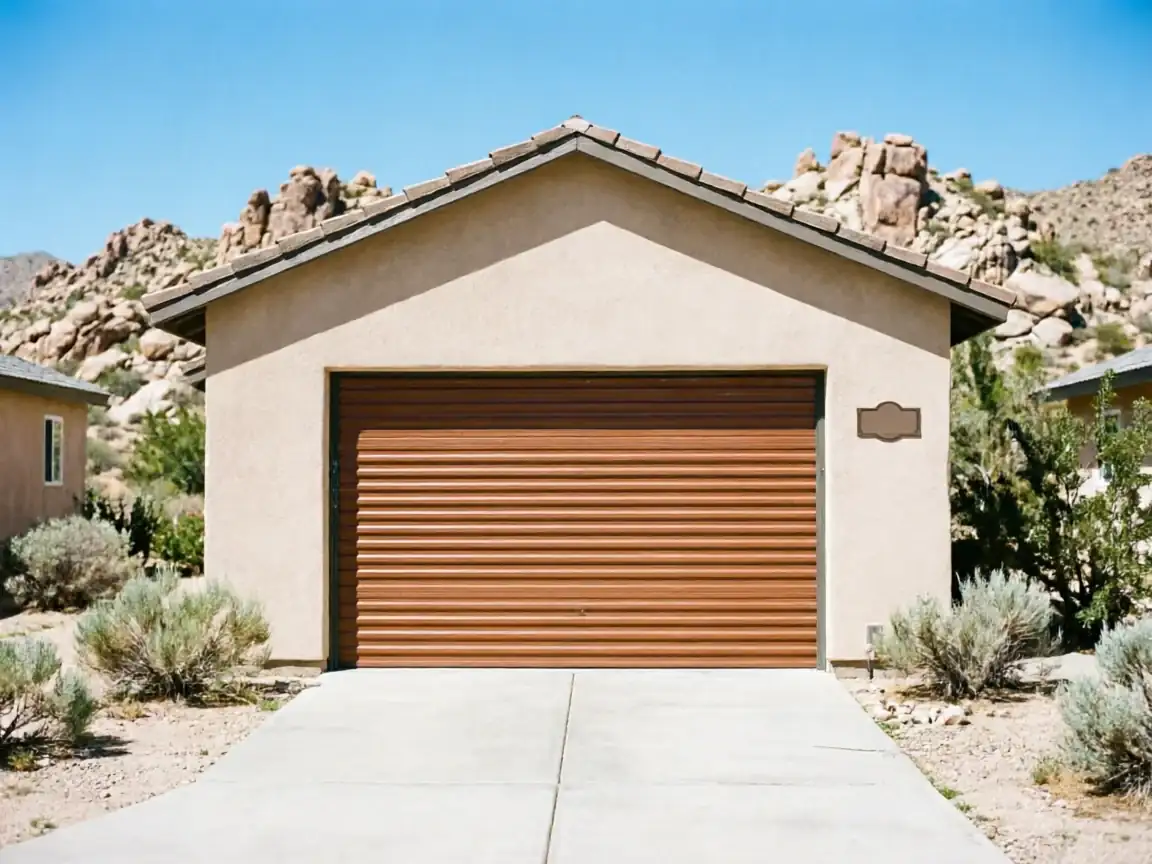
Sun Valley homes mostly went up around 1989, newer than much of Carson City's stock. That changes what breaks first. We drive the 31 miles out for the fix.
Sun Valley sits about 31 miles out from our shop in Carson City, so when you call, tell us the door is in Sun Valley right away - it changes how we plan the truck's route and what parts we load before we leave. We don't keep a branch or a drop box out here; every job rolls from Carson City, which means we ask a few more questions up front than a shop sitting five minutes from your driveway would. What year did the house go up, is the opener original, does the door bind on one side or both. The median house in this area dates to around 1989, which is later than a lot of the Carson City housing stock we work on, so the hardware questions are different from what we'd ask on an older street. Have the garage door's brand sticker or the opener's model number ready if you can find it - it's usually inside the motor housing - and tell us if the door is a single or a double. That saves a callback trip for the wrong spring size or the wrong opener logic board. We book the visit, confirm a window, and bring what the age of the house tells us we'll probably need.
Doing It Yourself
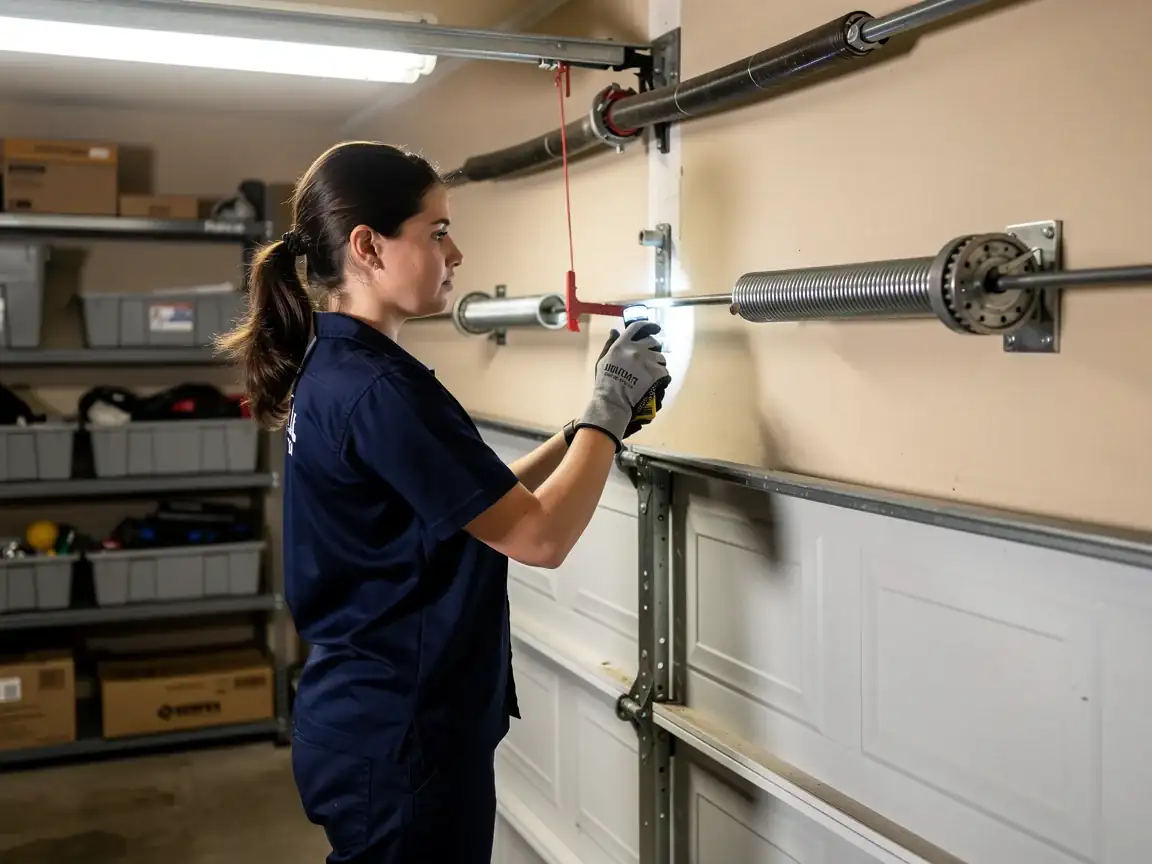
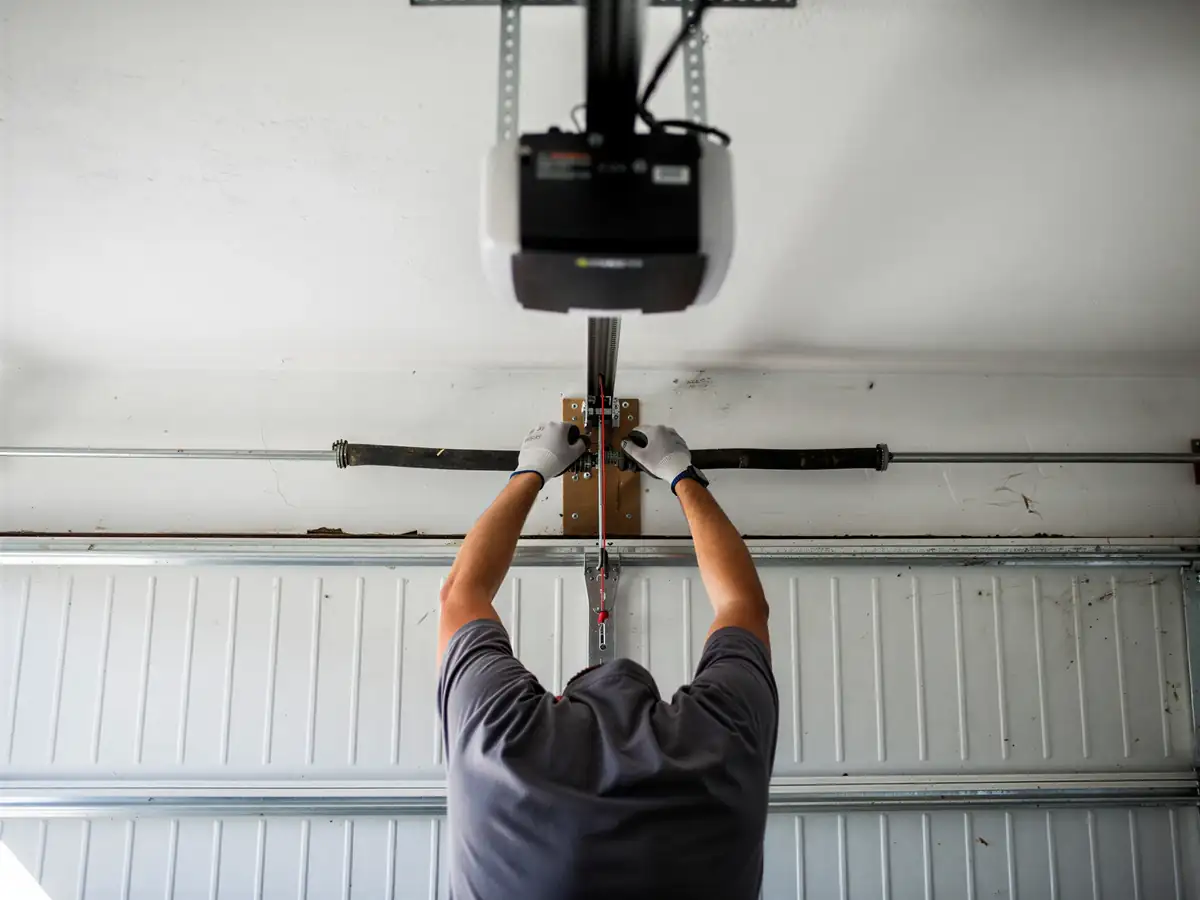
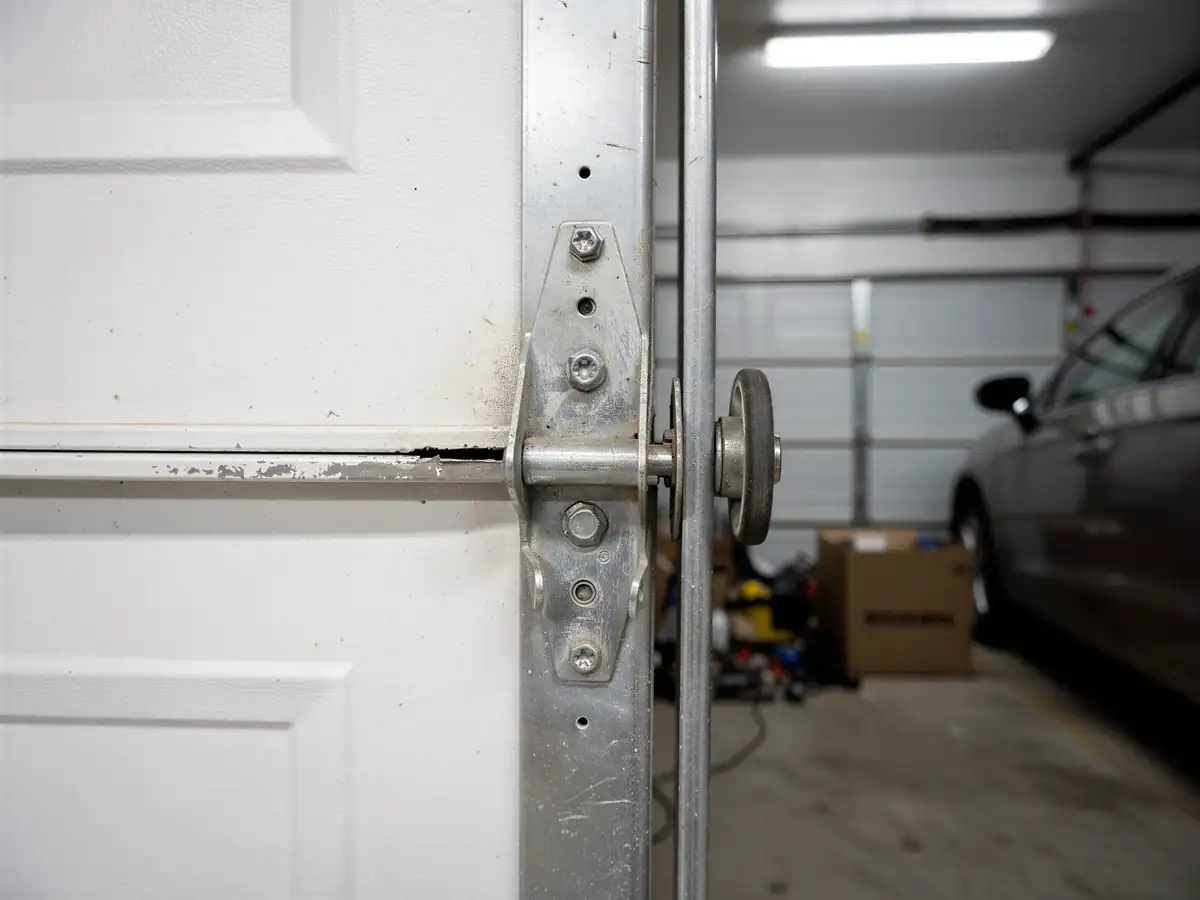
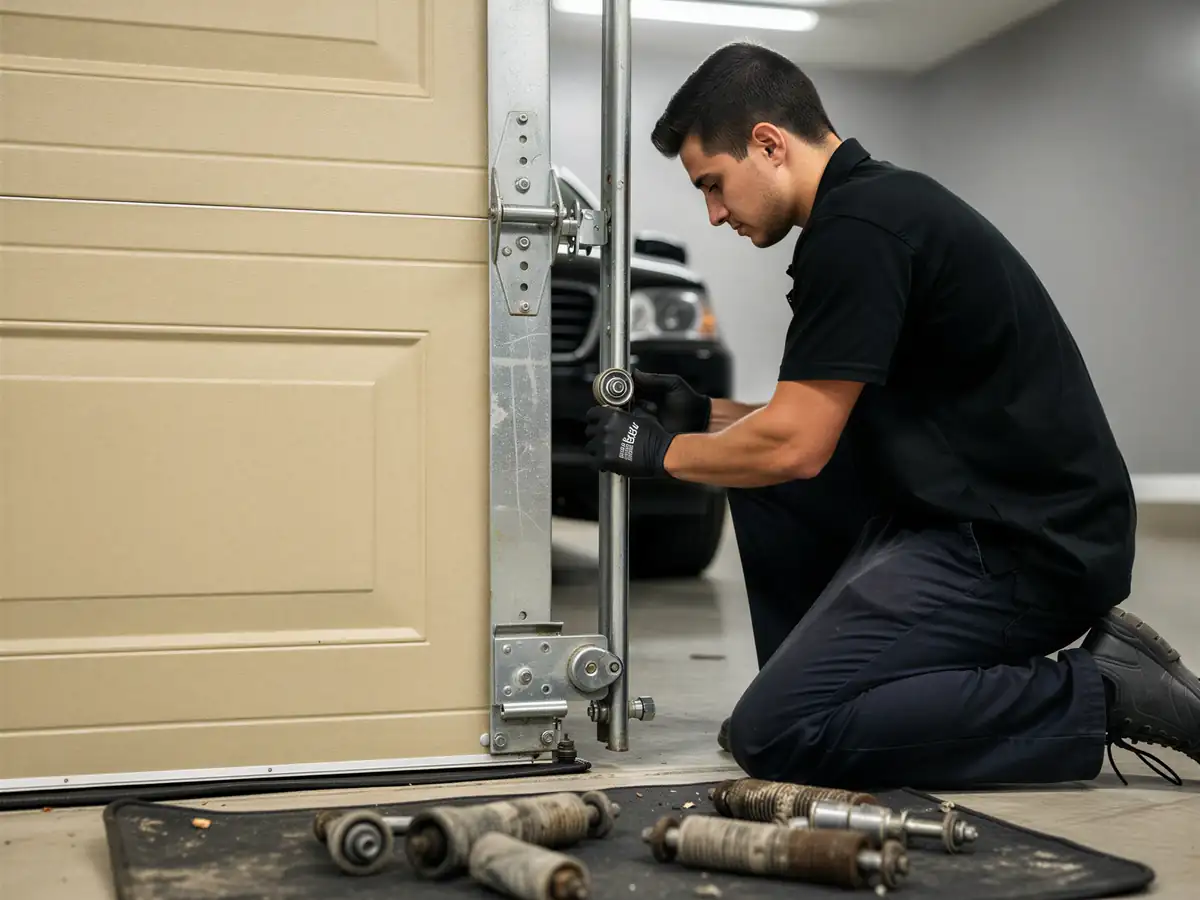
If your house in Sun Valley was built around that 1989 mark, you're likely still running the original torsion spring and the original steel rollers - nobody tears those out unless something breaks, and most owners never have a reason to look. That's fine to leave alone as long as the door moves smooth and quiet. What you can check yourself: pull the emergency release and see if the door moves by hand without fighting you (if it's heavy or crooked, the spring is tired, and that's not a DIY fix). Look at the bottom corners of the panel for rust or flaking - at this age in a cold climate, condensation inside an unheated garage will eat at the bottom section before anything else shows wear. Tighten loose bolts on the track brackets if you can reach them safely. What not to touch: the torsion spring itself, under tension and original to a house this age, meaning it's had over three decades to fatigue. That's a job for someone with winding bars and a reason to trust the bar, not a drill.
What Can Go Wrong
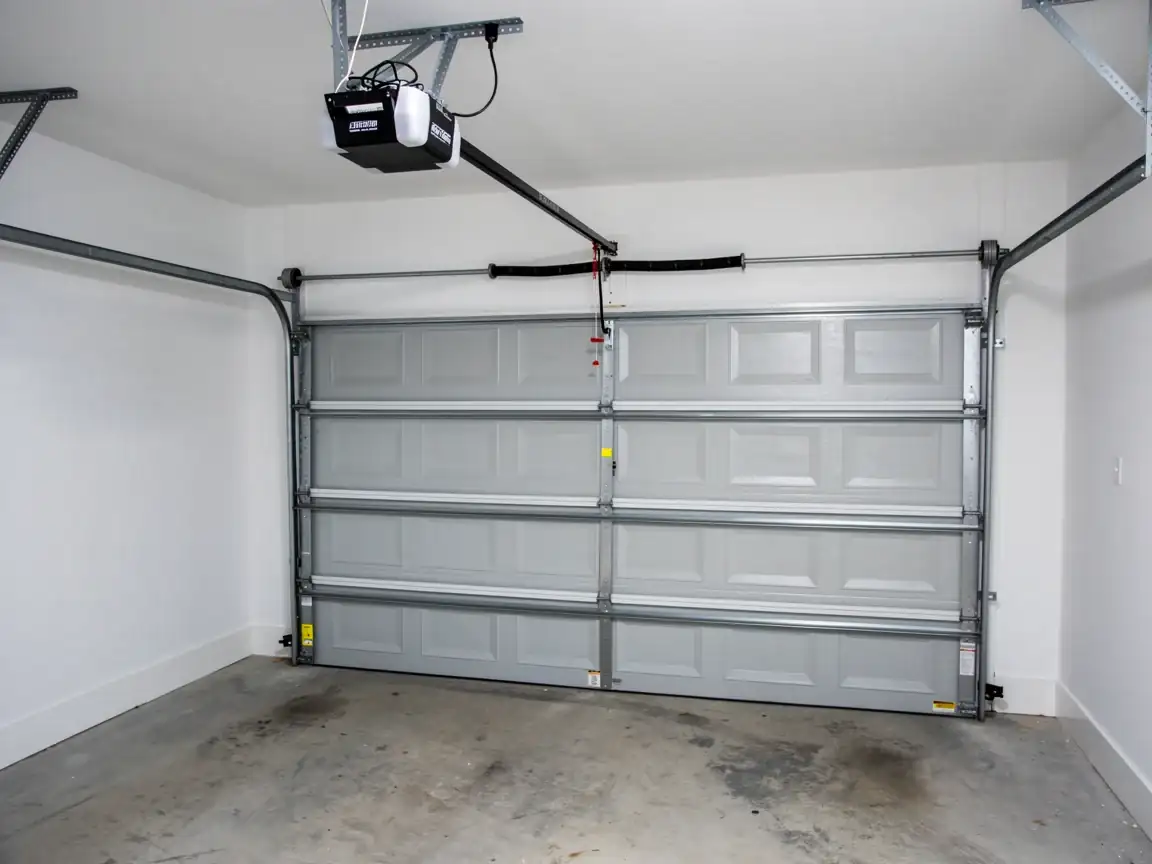
The service area sits in a cold climate band with real winter severity, and that matters more on a door this age than people expect. A spring wound in 1989 and never replaced has gone through roughly thirty-plus freeze-thaw cycles, and cold steel loses elasticity before it snaps - so the failure often looks like a slow sag over a season, not a sudden break. Nylon rollers from that era get brittle in the cold and crack at the stud rather than wearing down evenly, which throws the door off its track on one side. Openers from the late 80s and early 90s often ran simple chain-drive units with limit switches that drift with age; in cold garages the grease inside stiffens and the opener strains against a door that isn't moving as easily as the motor expects. We also see original steel tracks pulled slightly out of plumb from decades of expansion and contraction - not dramatic, but enough to bind a roller every few cycles.
How Long You Are Without the Door
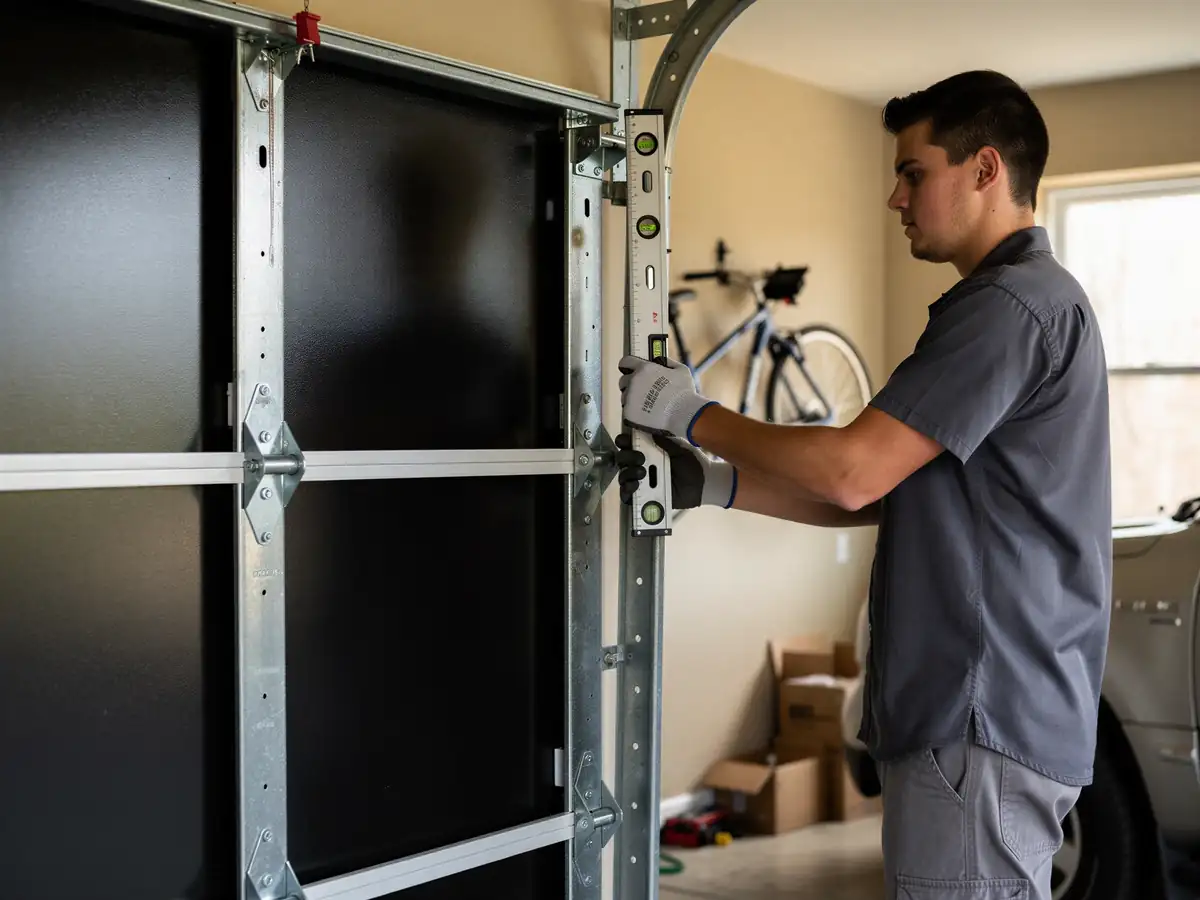
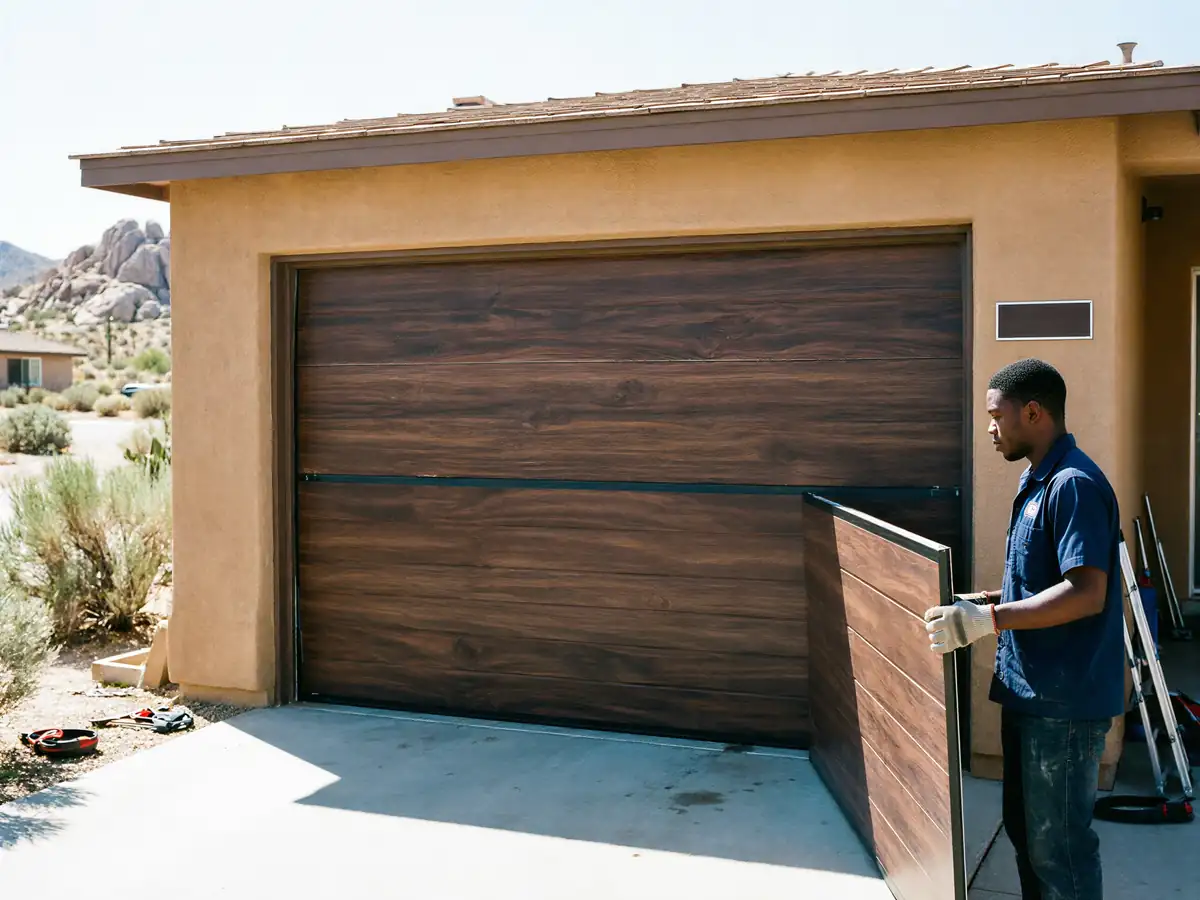
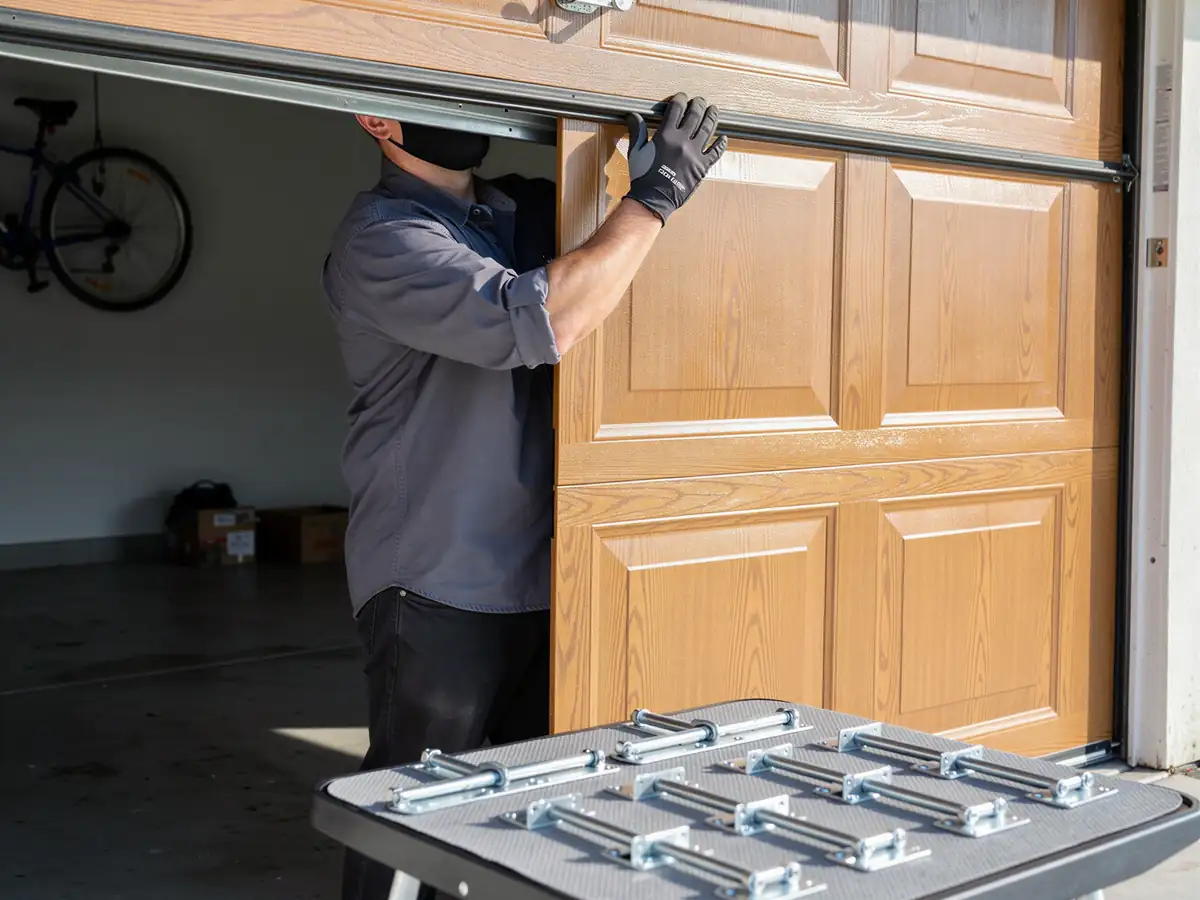
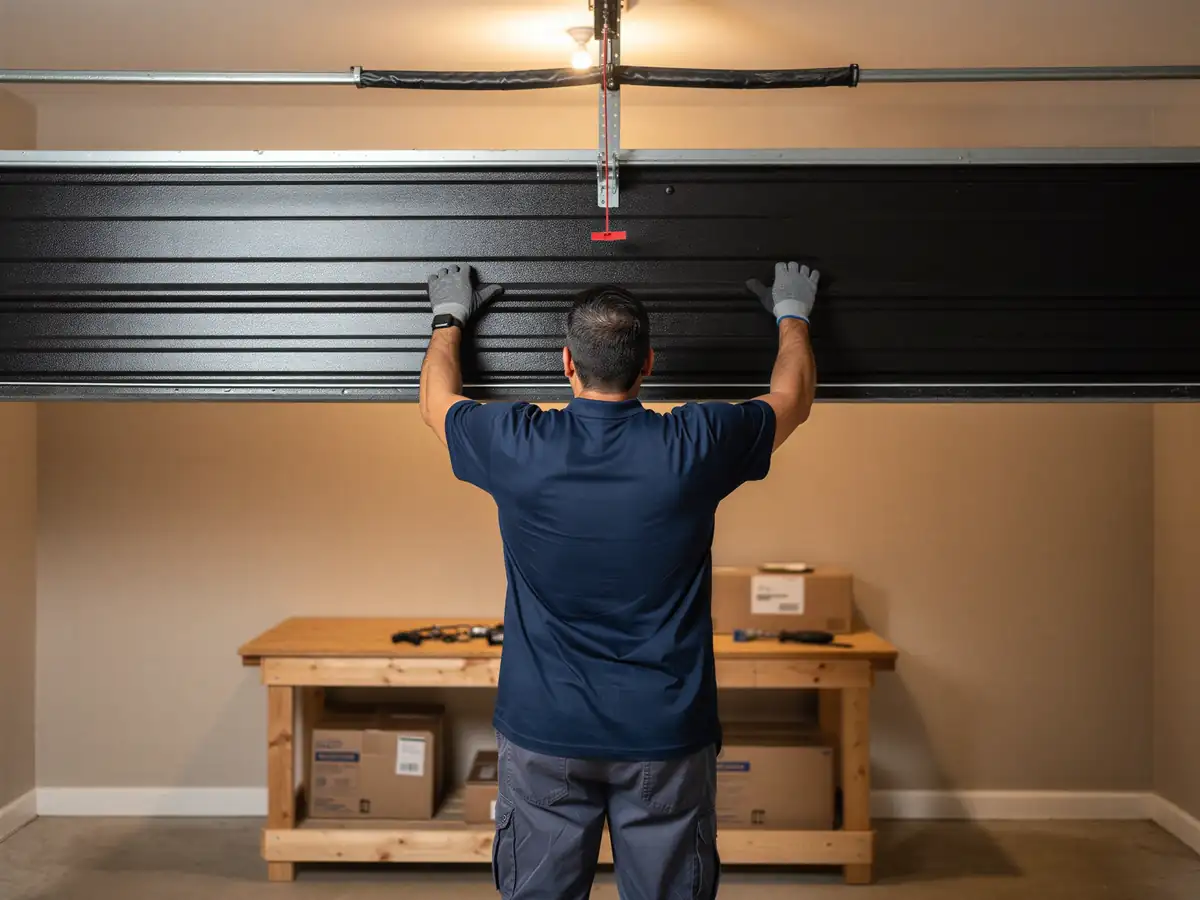
Because we're coming from Carson City, the 31-mile drive is part of the job, not an extra. For a straightforward spring swap or roller replacement on original hardware, that's usually one visit start to finish once we're on site - the parts for a 1989-era torsion setup aren't exotic. Where it runs longer: if the opener logic board has failed and the unit is old enough that the exact replacement board isn't stocked, we may need to order a compatible unit rather than force a part that won't talk to your existing safety sensors. We'll tell you on site if that's the case rather than guess. A single bent track or a cracked roller is same-visit work. A full door replacement, if the panel's rusted through at the bottom rather than just the spring, takes longer because the right size door isn't something we carry on the truck for every visit - that one gets scheduled, not improvised.
How it works
From “it’s stuck” to “it’s fixed”
01
Tell us what’s wrong
Describe the symptom - won’t open, loud bang, opener runs but the door won’t move.
02
On-site diagnosis
A technician tests the door under power and by hand and finds what actually failed.
03
Clear, up-front plan
You get the fix that’s needed and what drives the cost - before any work starts.
04
Repaired & tested
The repair is done, the door is set true and tested, and the work area left clean.
Not sure which repair your door needs in Carson City, NV? Describe what it’s doing - every job starts with a diagnosis.
Is my garage door's spring original if the house was built around 1989?
Probably, unless a past owner had a failure and replaced it. Torsion springs in this climate often last decades before they visibly sag, so a spring from a house built in 1989 running into the 2020s without a swap isn't unusual - it's just tired and due.
Do you have a branch in Sun Valley?
No. We work out of Carson City and drive the roughly 31 miles out to Sun Valley for calls. There's no local depot or drop box here, so when you book, mention Sun Valley specifically so we load the right parts before leaving.
Why did my opener suddenly get noisy in cold weather?
Grease inside an older chain-drive opener stiffens in the cold, making the motor strain and the chain rattle more than usual. It's common on units from the late 80s and 90s. Sometimes it's a quick fix, sometimes it means the opener's due for replacement.
Can a bent track wait until spring?
If the door still opens and closes without binding hard, it can usually wait, but a bent track tends to get worse with more cycles, not better. In a severe cold climate, metal that's already stressed is more likely to crack than flex, so we'd rather look at it sooner.
Ready to get your garage door sorted?
Tell us what it’s doing and where you are in Carson City - we’ll take it from there.