Doing It Yourself
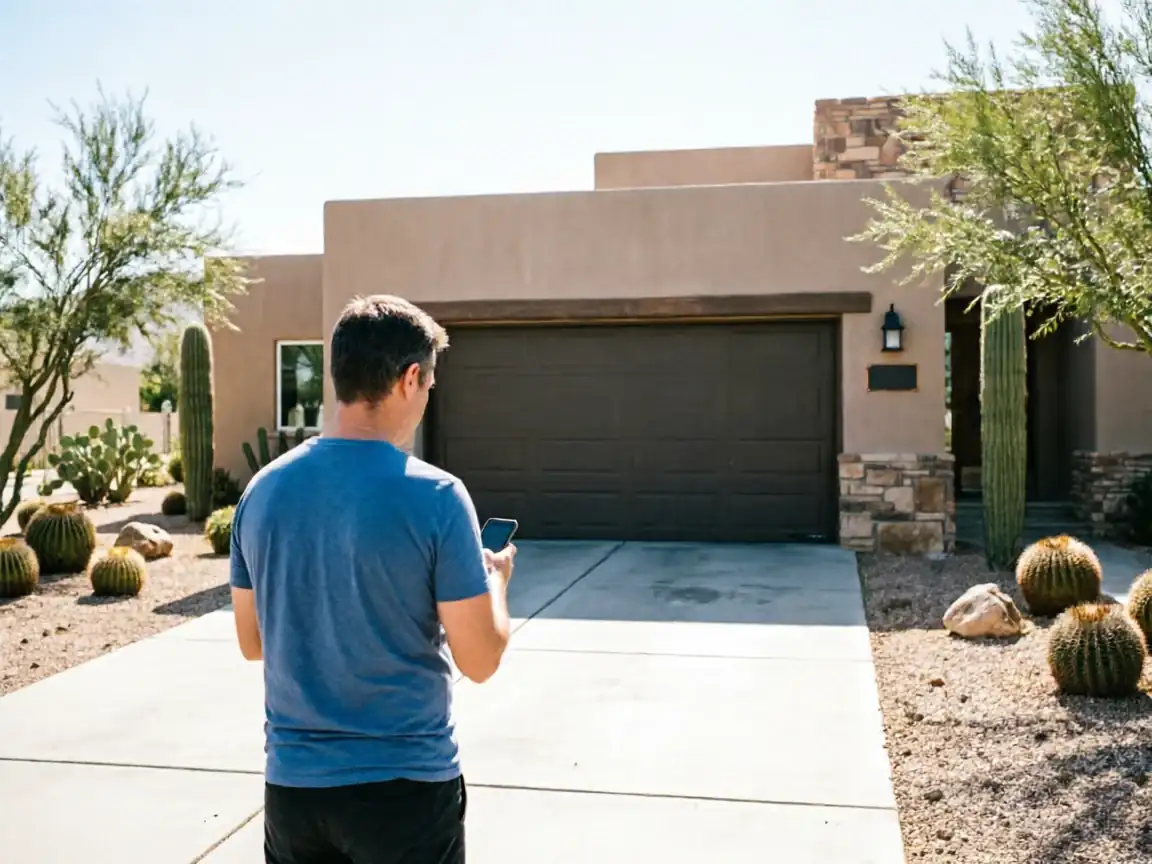
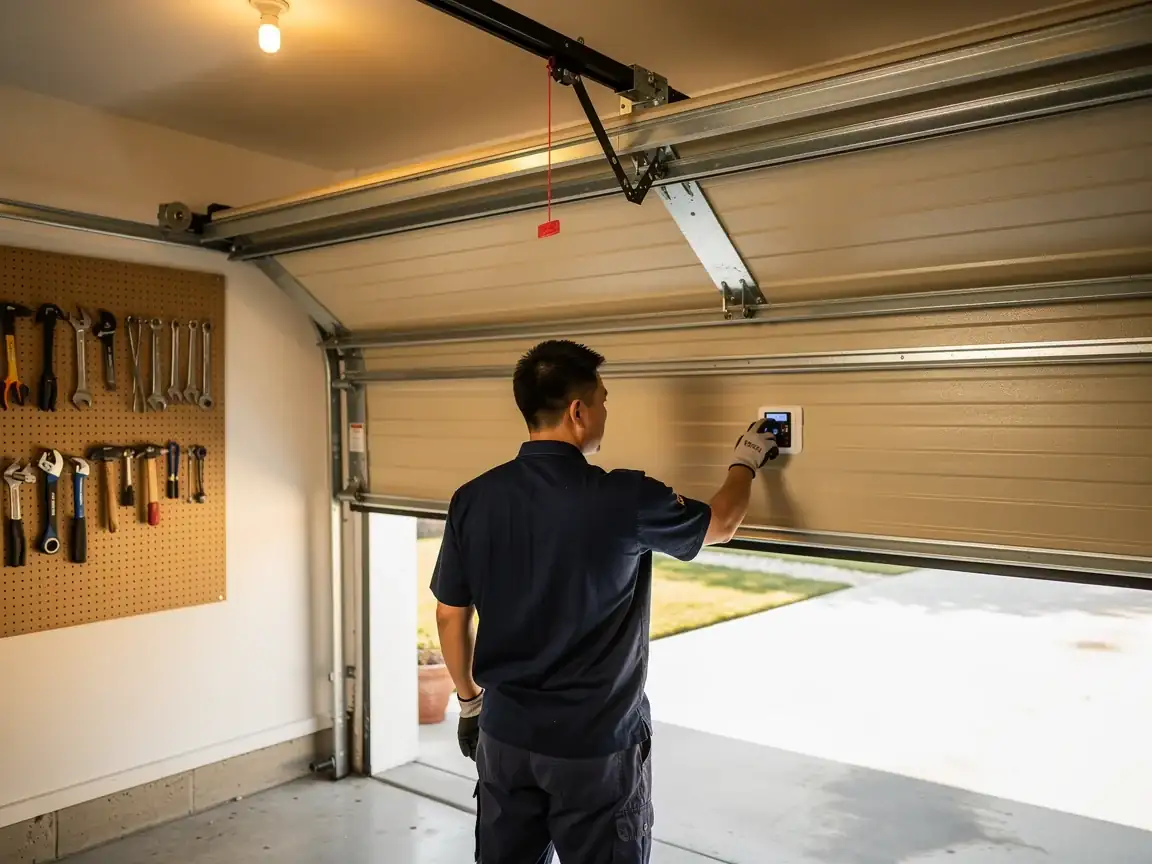
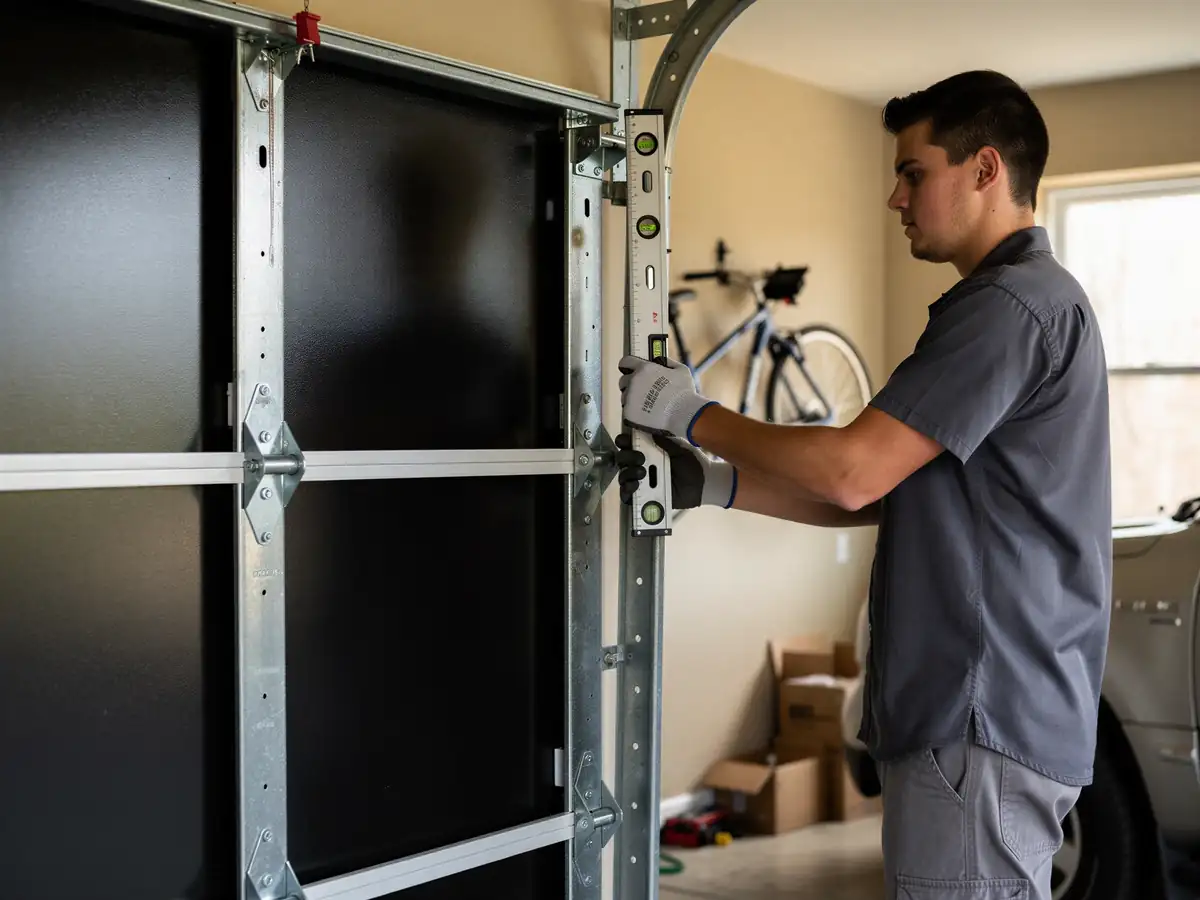
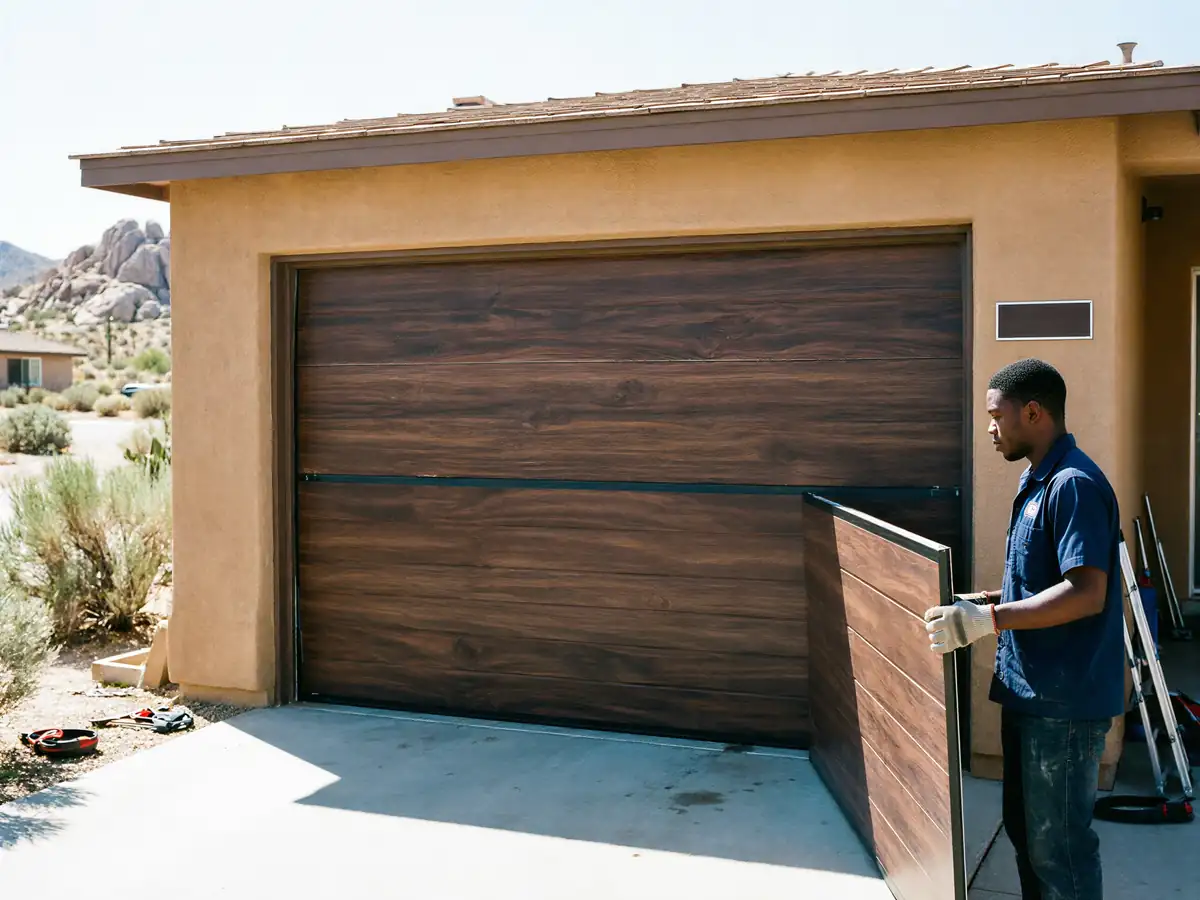
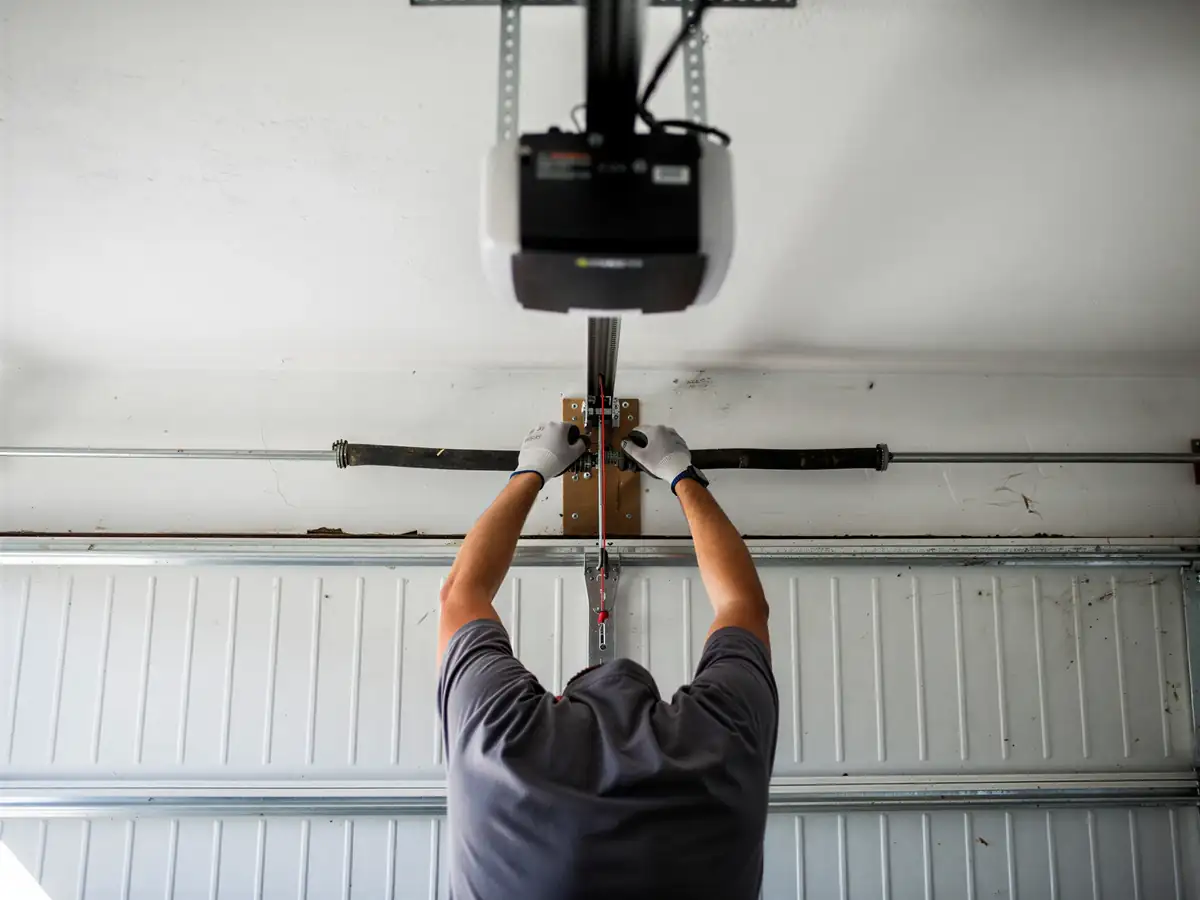
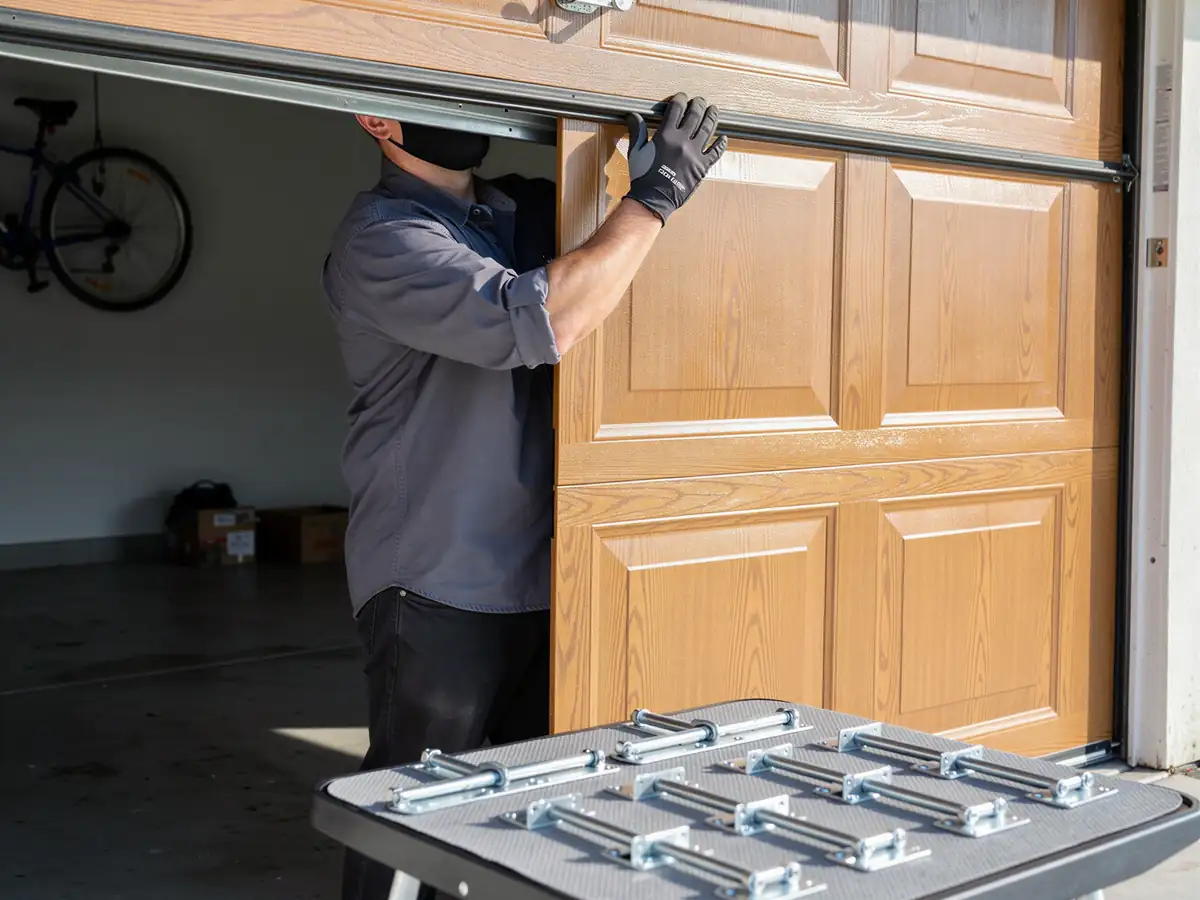
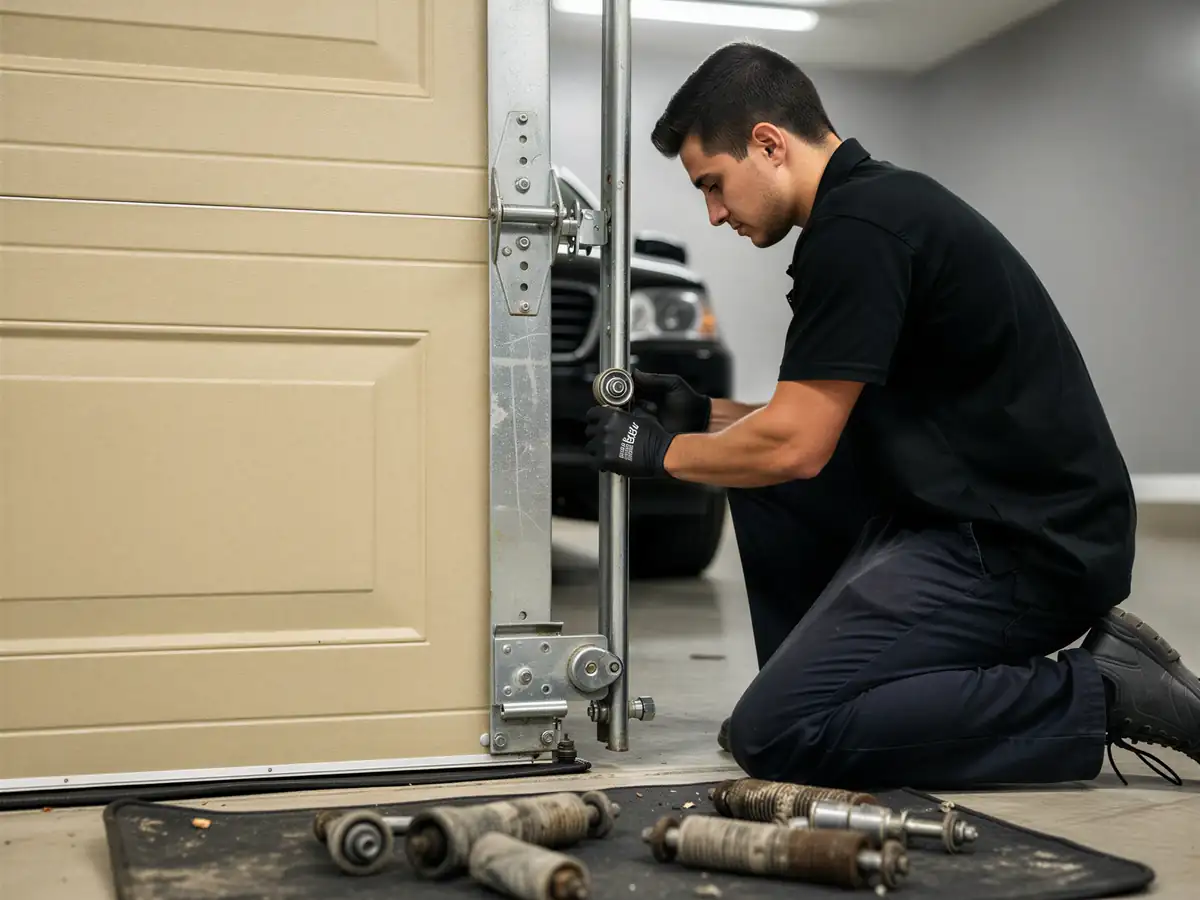
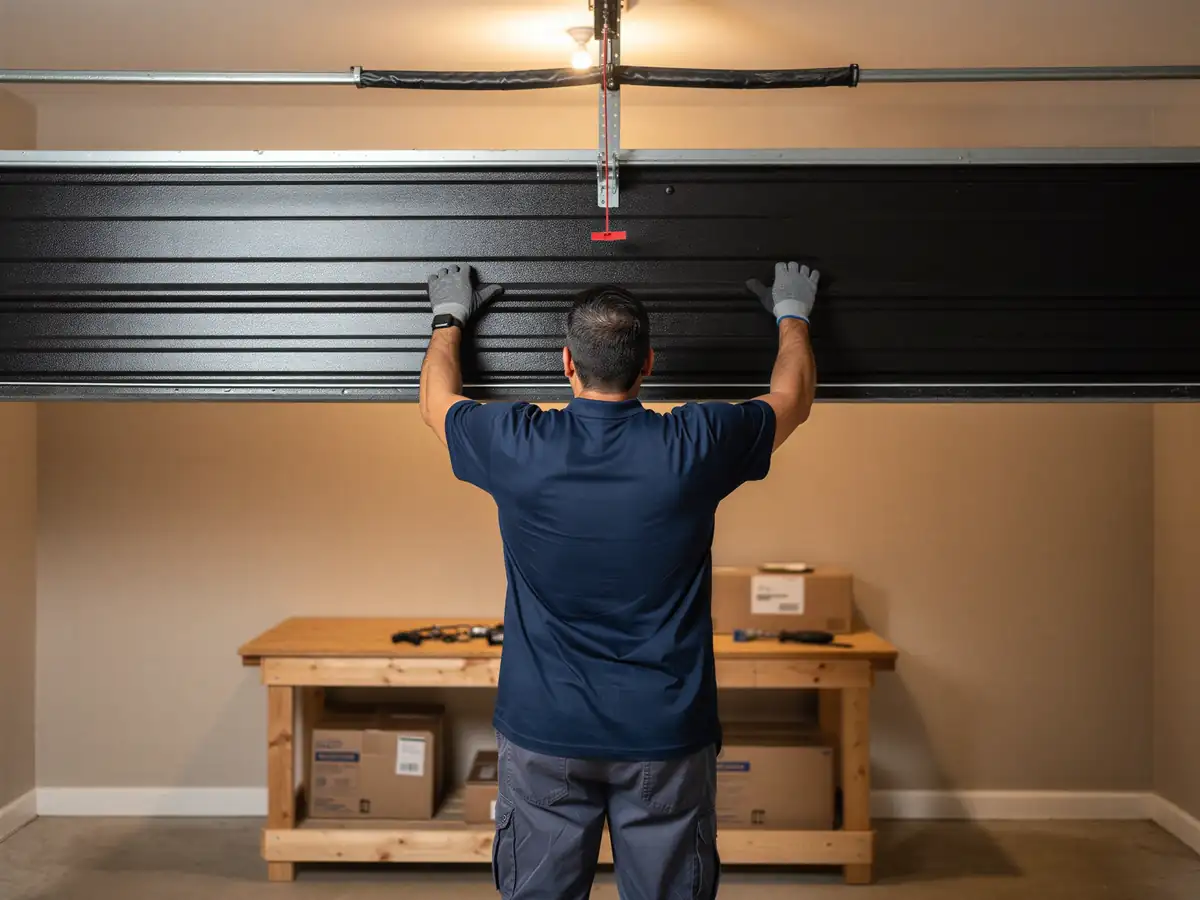
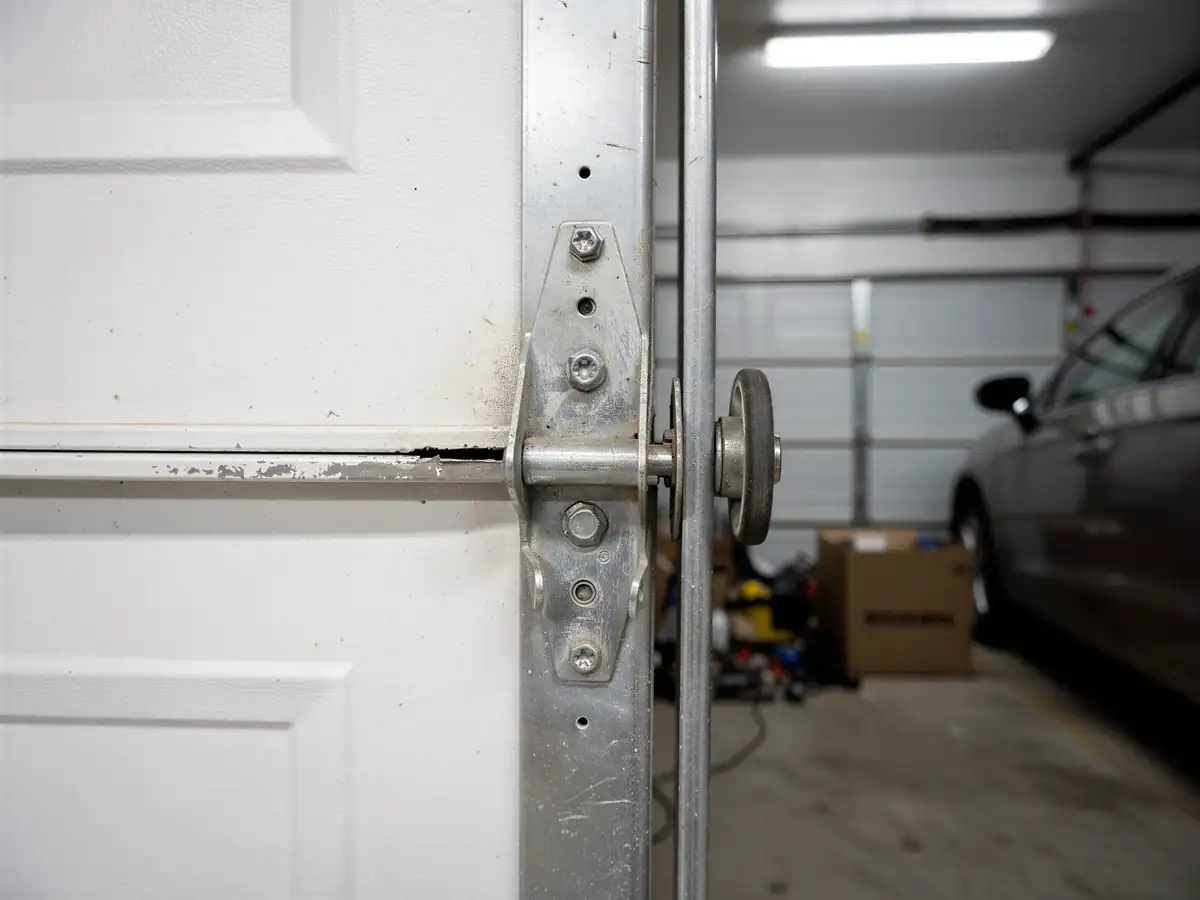
Once a door is visibly off its track - hanging crooked, a roller popped out of the channel, or a cable slack on one side - stop operating the opener. Running the motor against a door that's off-track strips the opener's gears or bends the track further, and both of those turn a one-trip fix into a two-trip fix. You can safely disconnect the opener's manual release and try to see whether the door moves freely by hand; if it binds or one side drags, leave it alone. What you shouldn't do is cut or loosen a torsion spring yourself - the stored tension in that spring can cause real injury, and that's true whether the door is 10 years old or 40. Here's the honest limit: if the track itself is bent rather than just knocked loose, straightening it in place rarely holds for long, and replacing a section of track is often the better call than fighting a repair that'll fail again in six months. That's a judgment a tech makes in person, not over the phone. Sweep any debris out of the track bottom while you wait - small rocks and ice chunks are a common reason doors jump the rail out here.
What Can Go Wrong
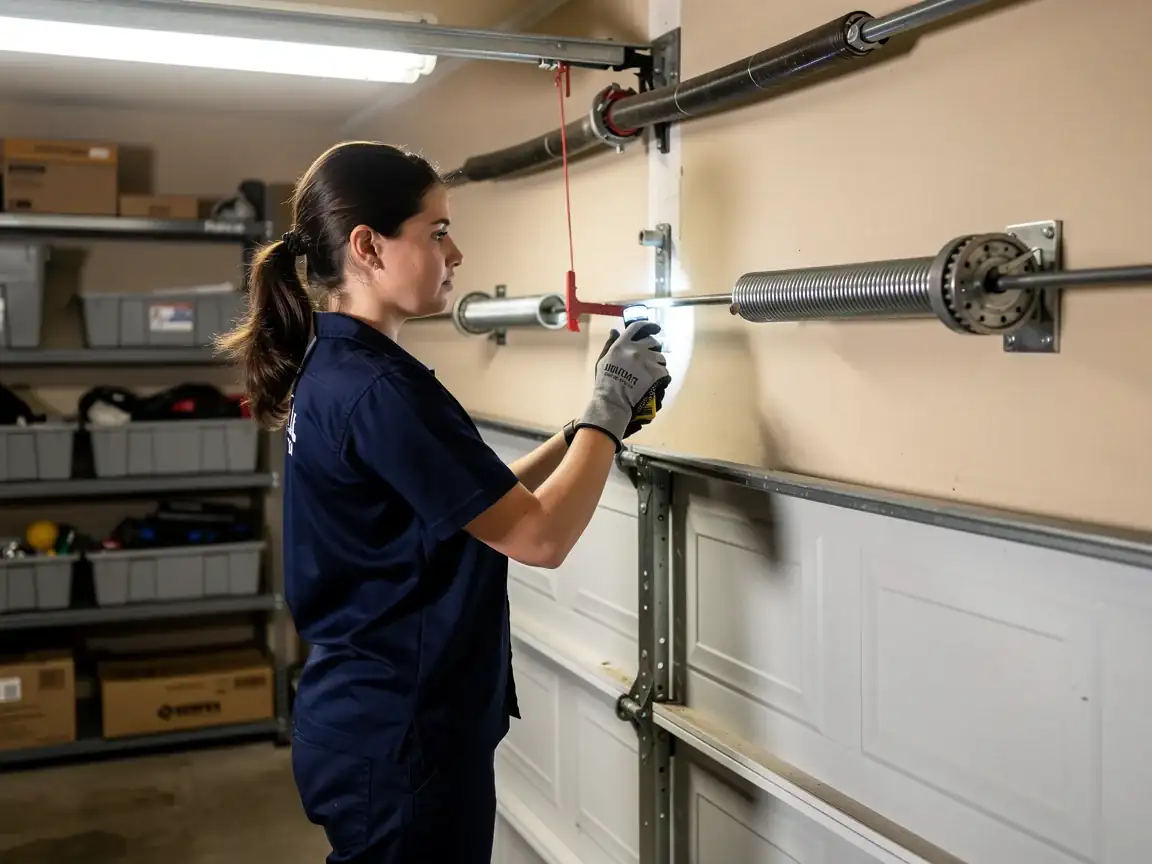
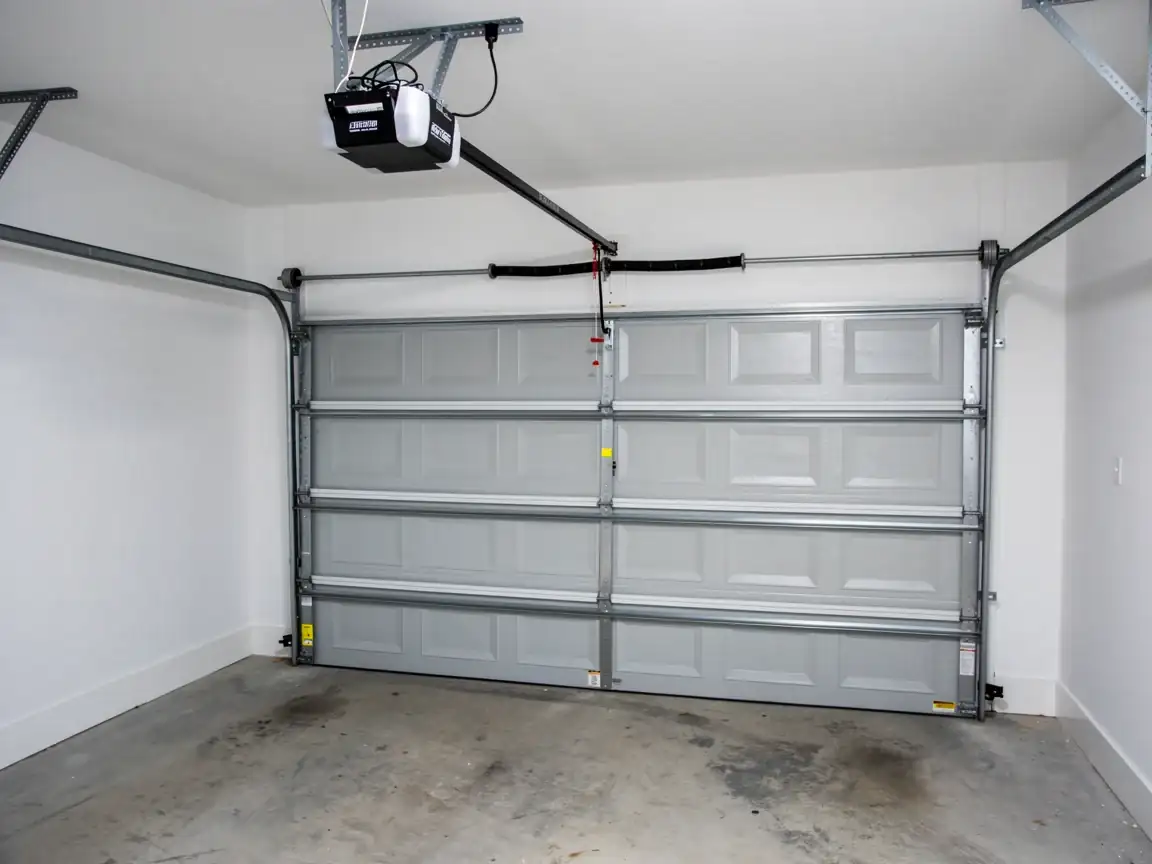
Housing in Sun Valley mostly dates to around 1989, which is newer than the 1976 median across this service area, and that shifts what actually fails. Doors from that era more often run on extension springs mounted along the horizontal track rather than the torsion hardware on side columns common in older stock built before the mid-1970s. Extension-spring doors come off track differently - a worn pulley or a snapped safety cable lets one side of the door drop first, which twists the panel against the rollers and pops it loose. The region sits in a cold, severe climate band, and that means ice buildup at the bottom of the track or a stiff, cold-contracted cable are real factors here, not just a line in a brochure. A door that's off-track in freezing weather is also a door nobody should be yanking on by hand, since a frozen roller can shear instead of sliding. None of this is exotic work, but it's worth knowing before a homeowner tries to muscle a panel back into a track that's actually bent, not just derailed.