What Can Go Wrong
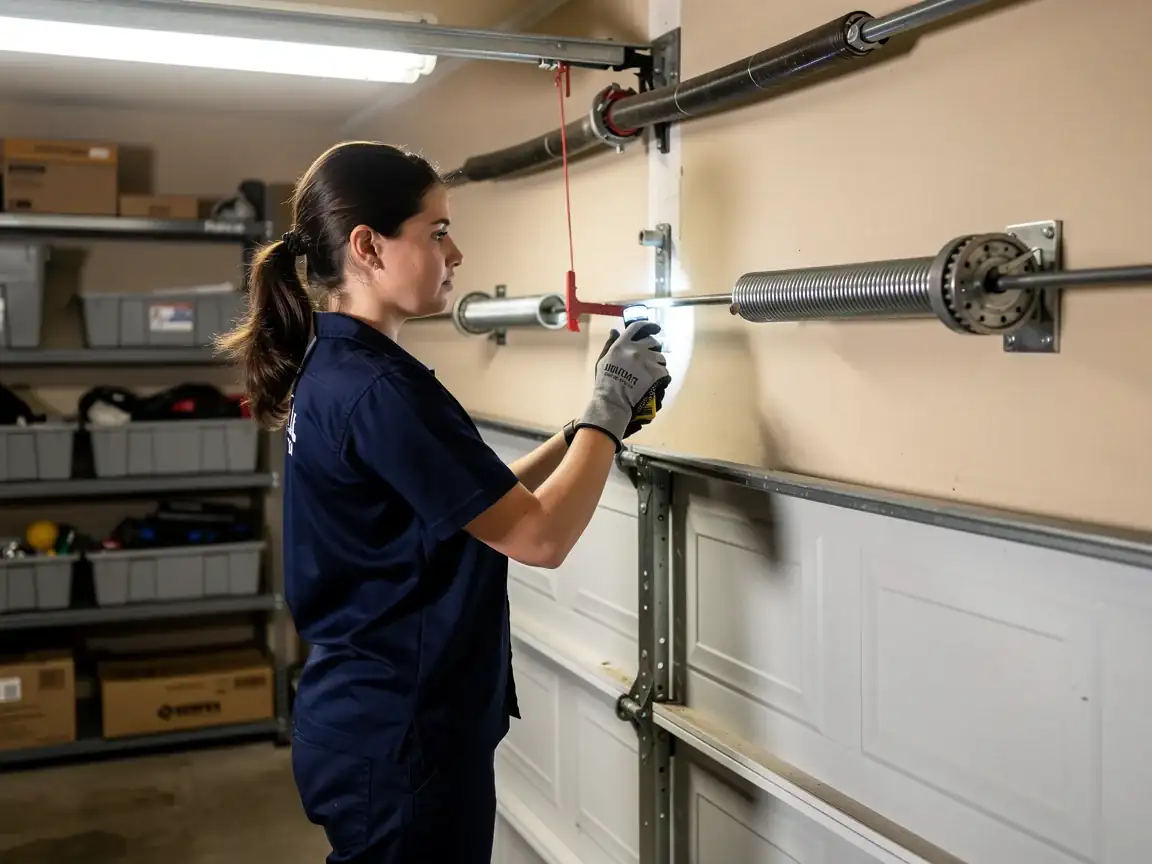
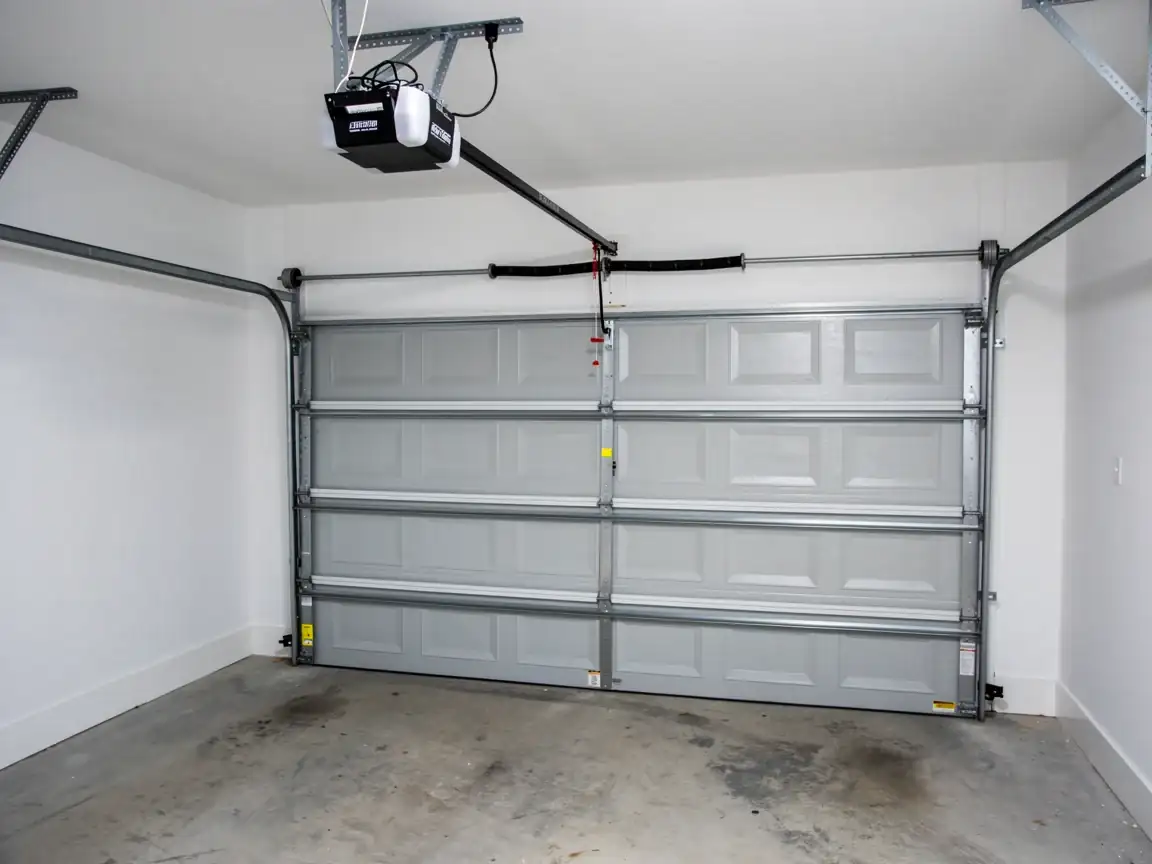
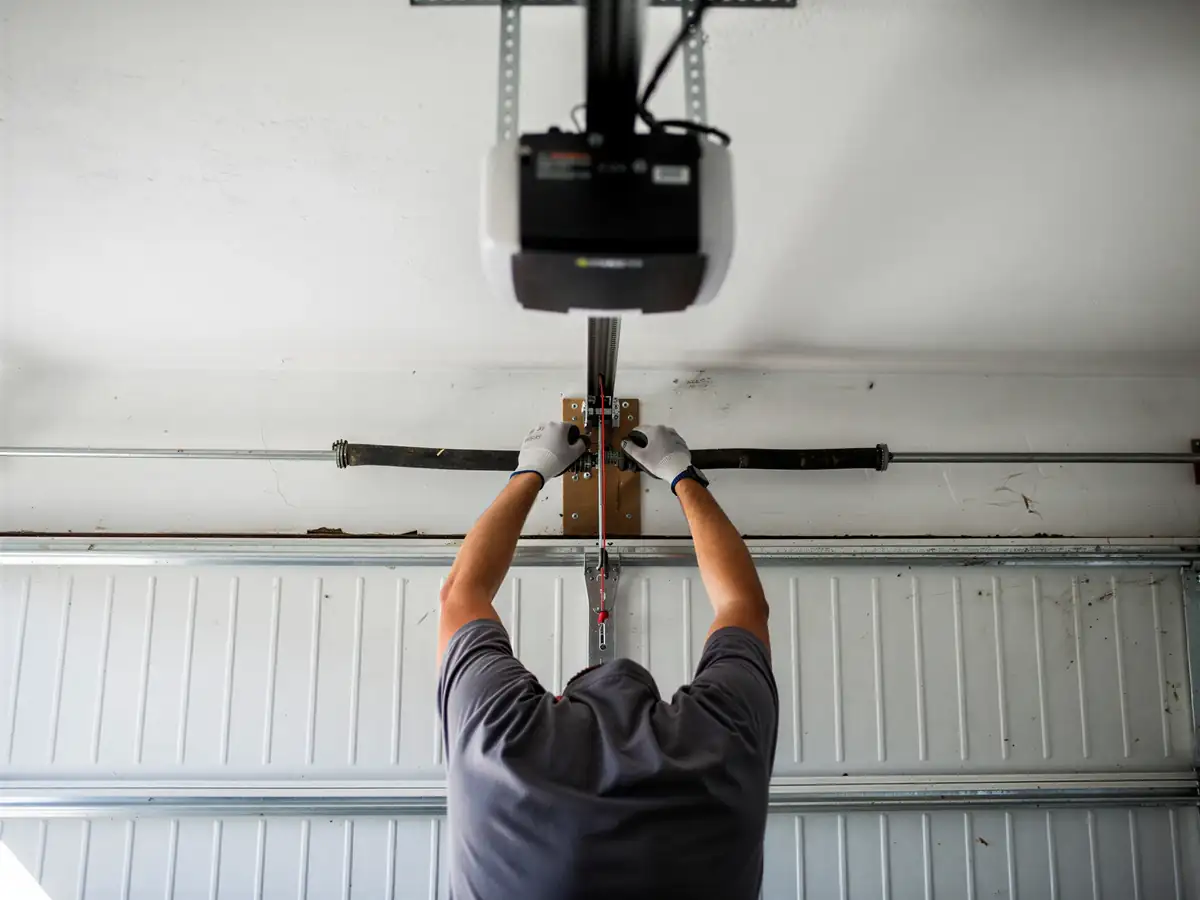
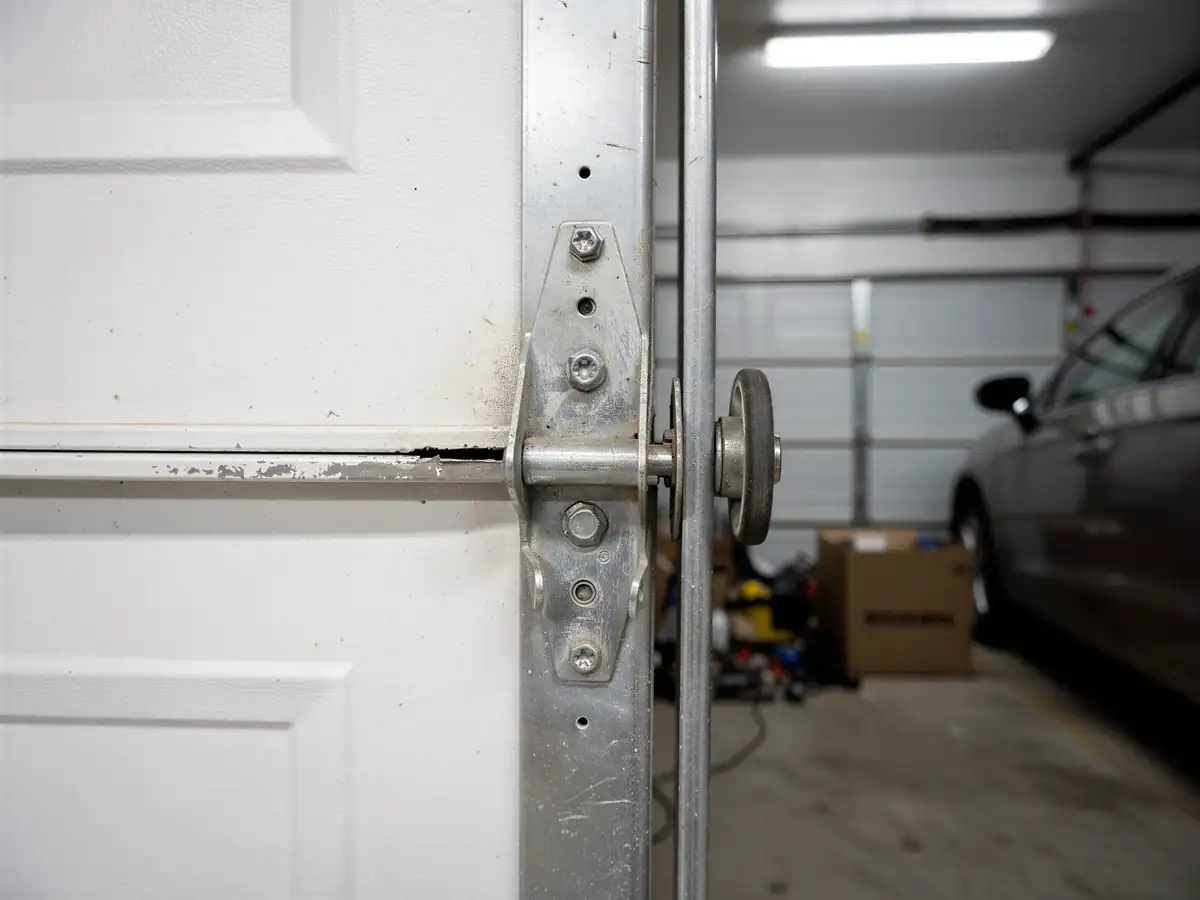
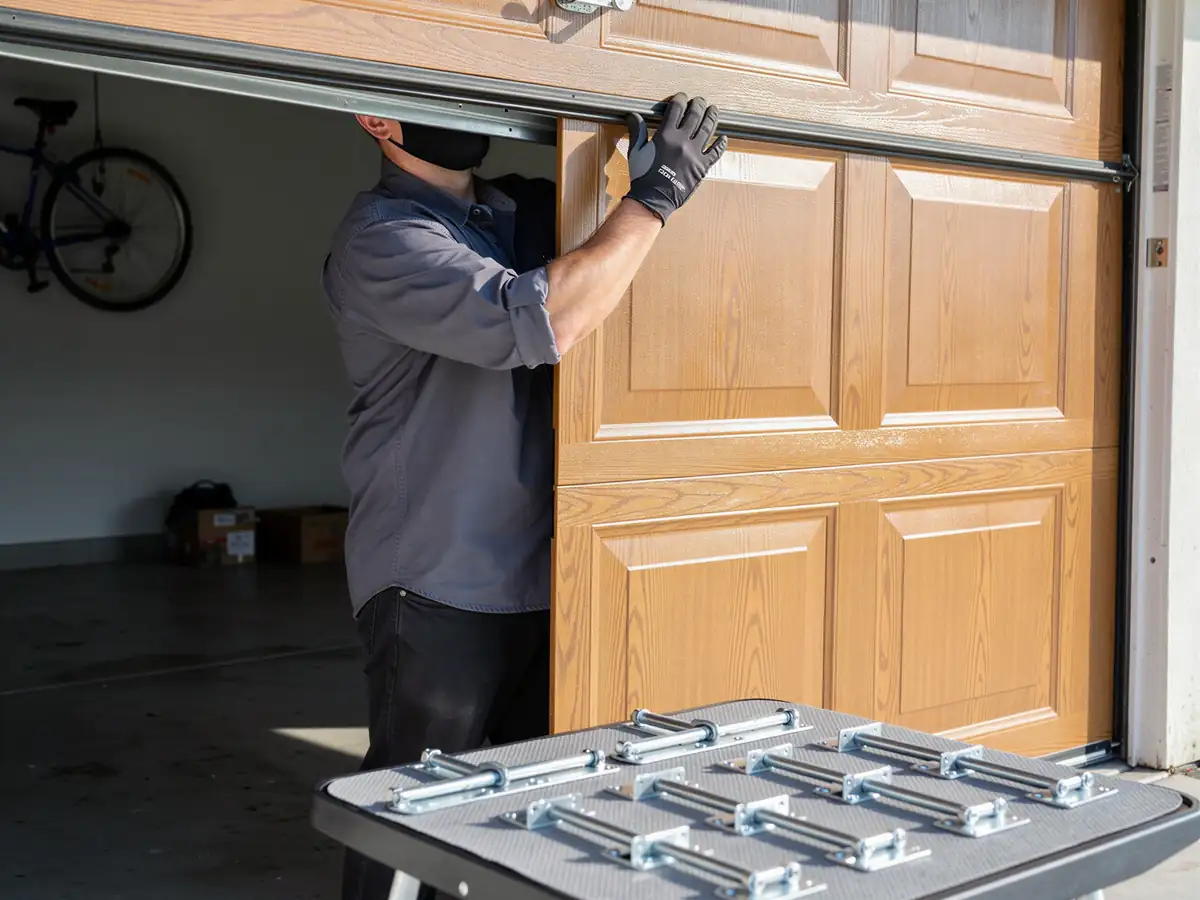
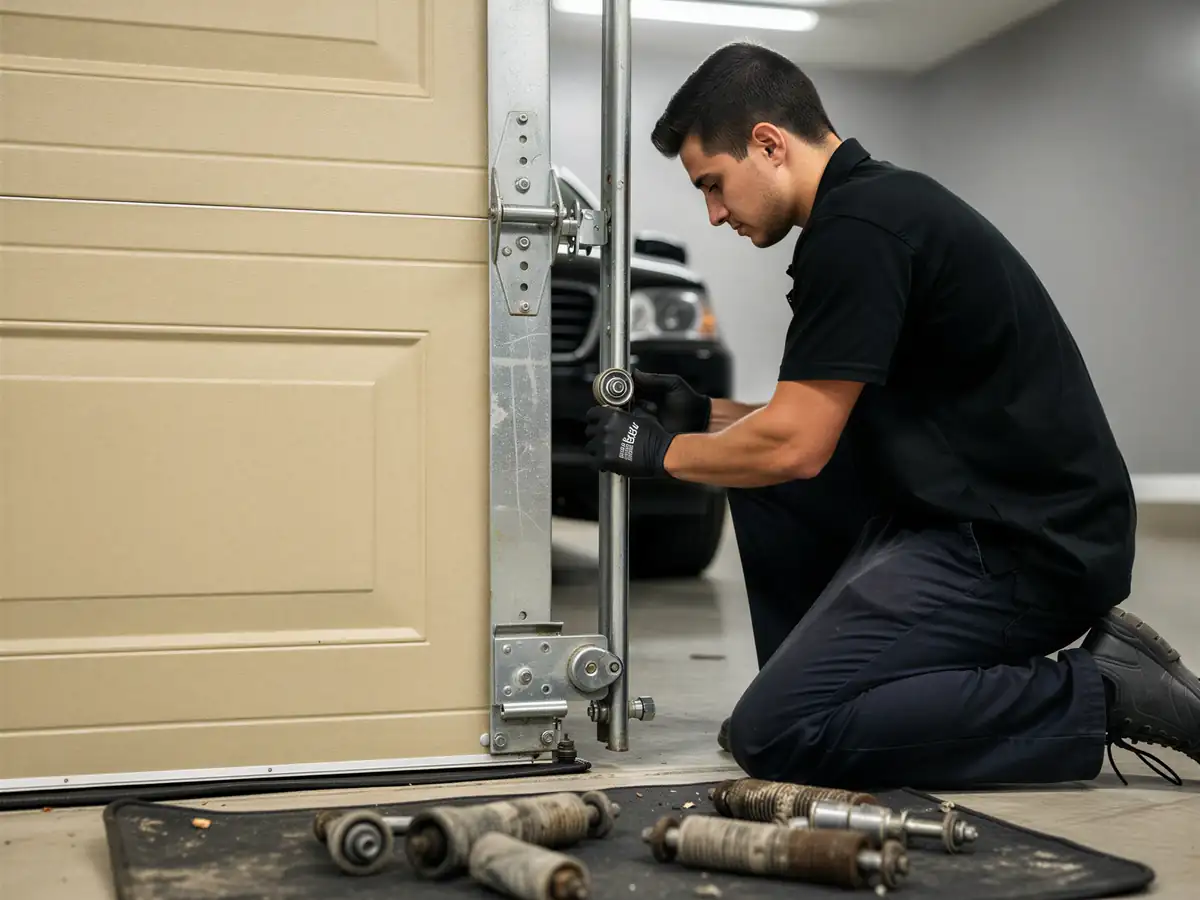
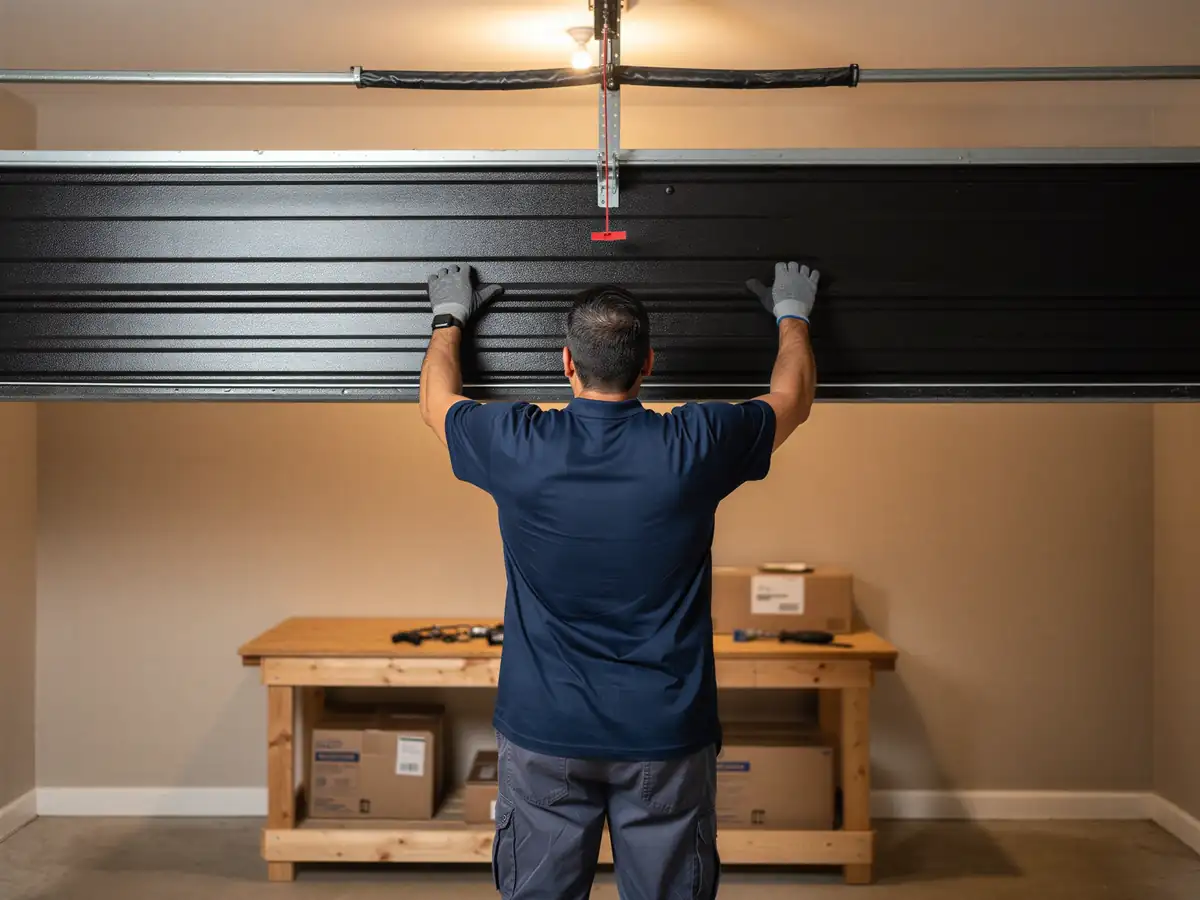
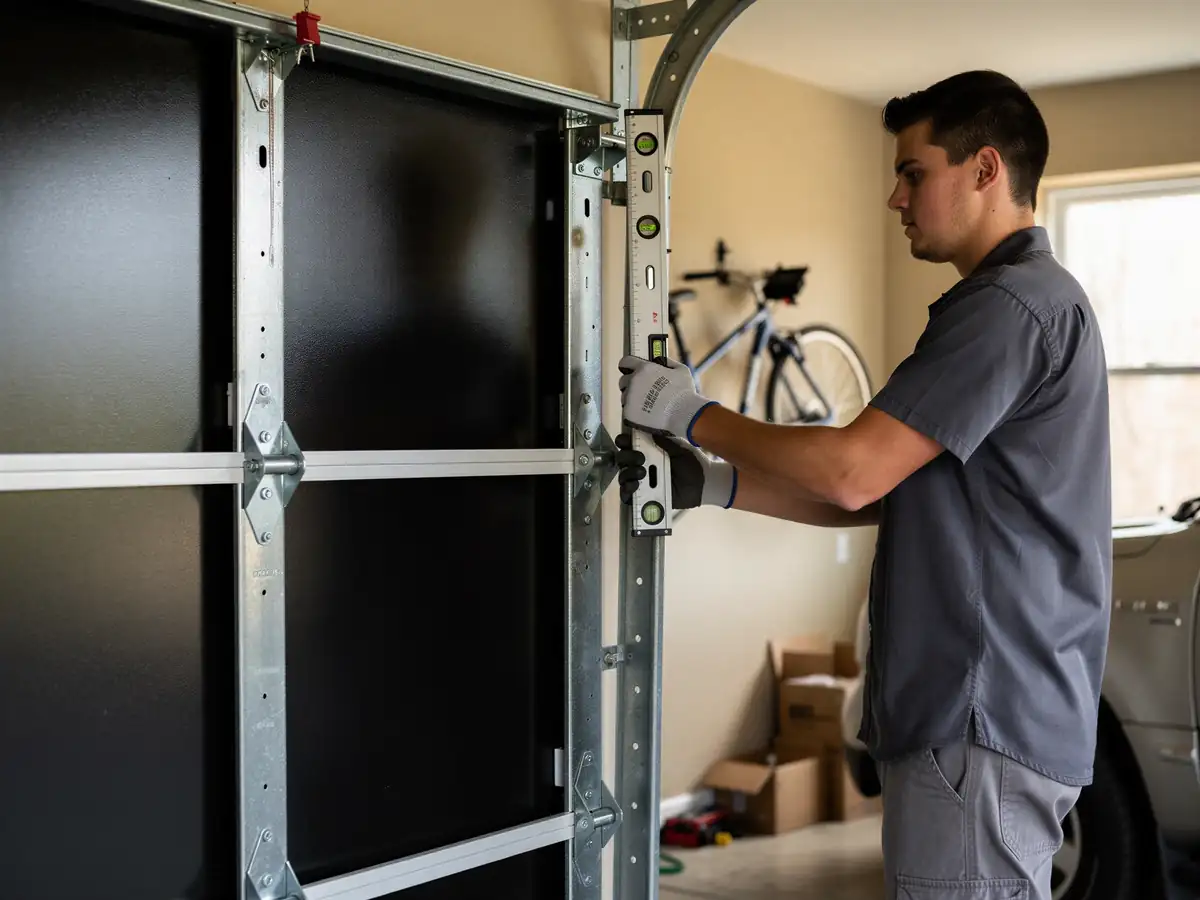
On hardware this old, the failures cluster in a few predictable spots. Torsion springs that have never been replaced are the big one - they don't fail gracefully, they let go. Original lift cables, especially galvanized ones from the 70s, develop rust pitting that you can't always see until a strand snaps. Steel tracks on houses from this era were often installed with looser tolerances than current code calls for, so a door that's been fine for years can suddenly start binding or jumping the roller if the framing has shifted even slightly, which happens over fifty winters. Openers are a separate issue - if yours is original, it's not original; it's been replaced at least once, since residential openers from the 70s rarely run past 20 years. The honest limitation here: if a door has the original spring, original cable, and an aging track all at once, patching one piece often just shifts the load onto the next weak point. At that stage a full hardware replacement usually costs less over five years than three separate emergency calls.
Why It Happens Here
Dollar Point sits in a severe cold climate band, and that matters more for garage doors than people expect. Steel contracts in cold, and a track that was shimmed slightly tight in 1974 gets tighter on a 10-degree morning, which is exactly when a roller jumps or a cable that's already thin snaps under the extra drag. Torsion springs lose a measurable amount of lifting force in cold temperatures too - a spring that's borderline at 60 degrees can fail outright at 15. None of this is unique to one house; it's the combination of 1974-era hardware and a genuinely cold winter climate, repeated across every original door in the area. Homes built later, with galvanized springs and tighter manufacturing tolerances, don't see this pattern nearly as often. That's the actual reason winter calls from this part of the service area skew toward spring and cable failures rather than opener electronics.