Doing It Yourself
Swapping a single roller looks simple on a video
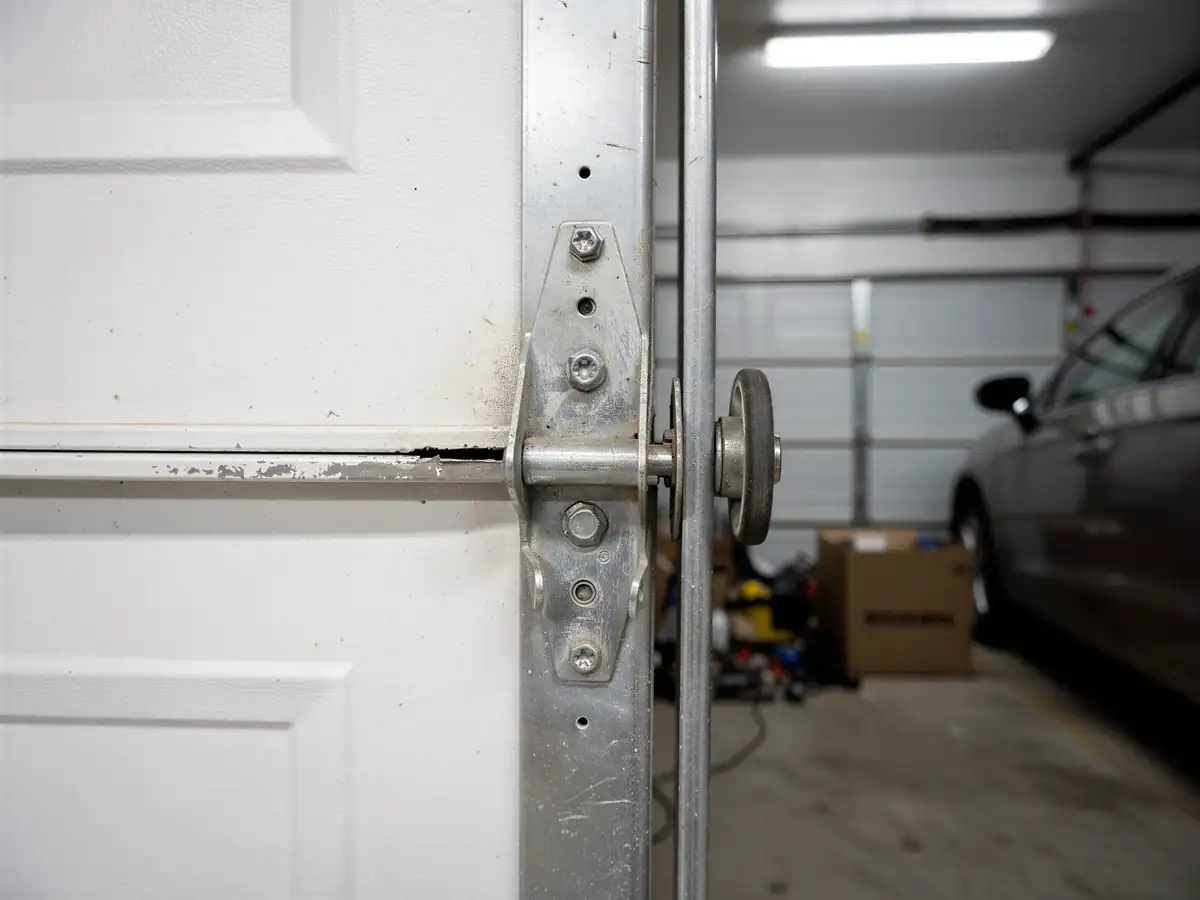
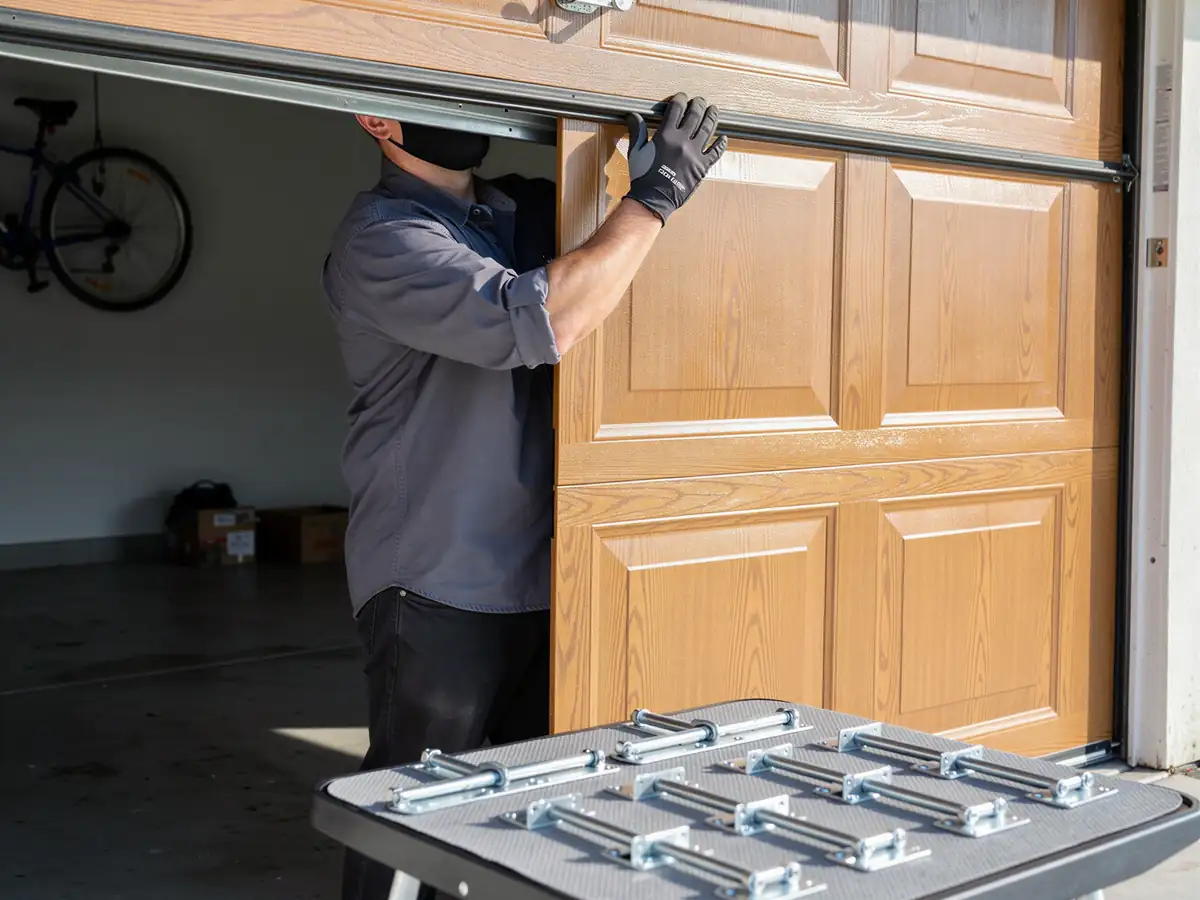
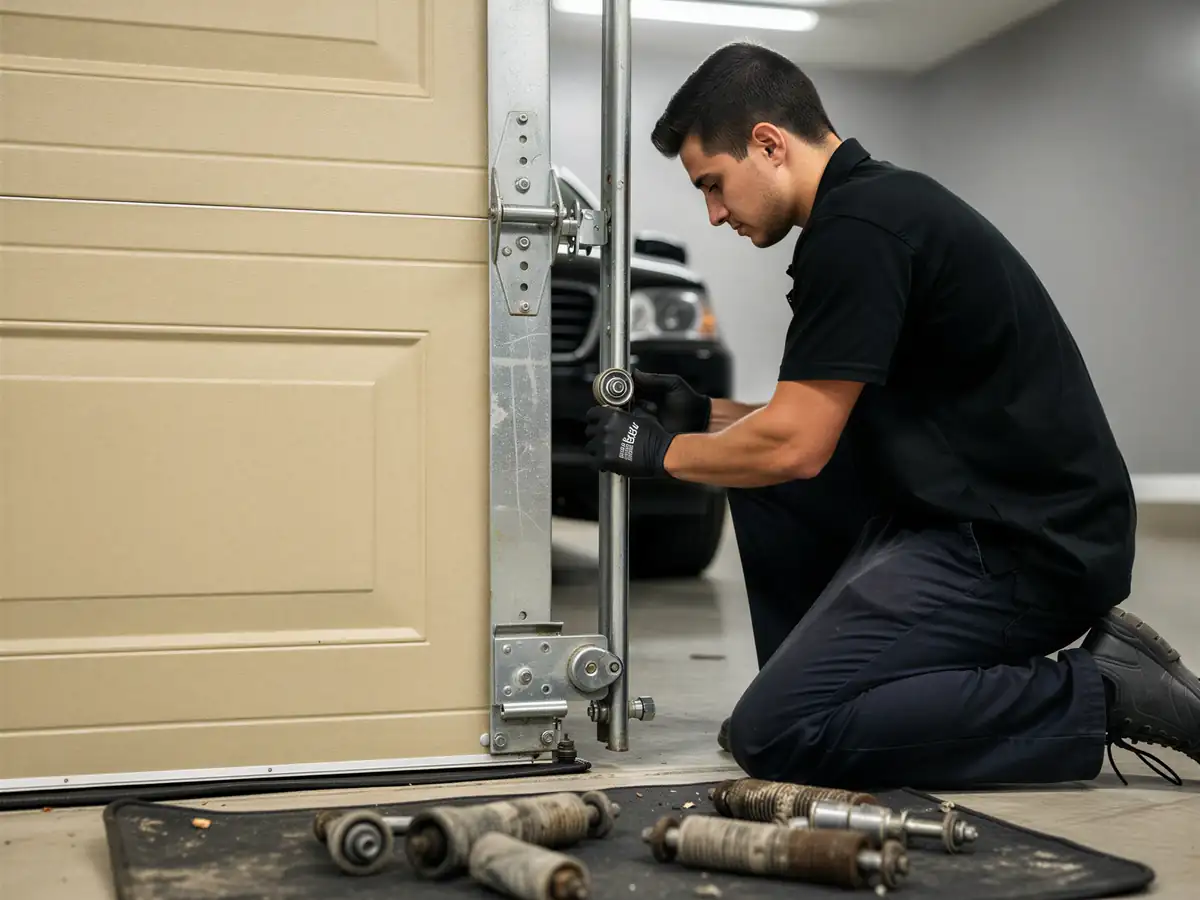
Pull the retaining bracket, slide the old roller out, slide a new one in. On a door with nylon rollers installed within the last ten years, that's close to true. The problem in Dollar Point is that a lot of the doors still running are original or near-original to houses built around 1974, and those came with steel rollers riding directly on steel track with no stem bearing to speak of. Pull one of those and you often find the track itself has worn a groove that a new roller won't ride smoothly in.
If you've got a newer door with plastic rollers and the tracks are clean and straight
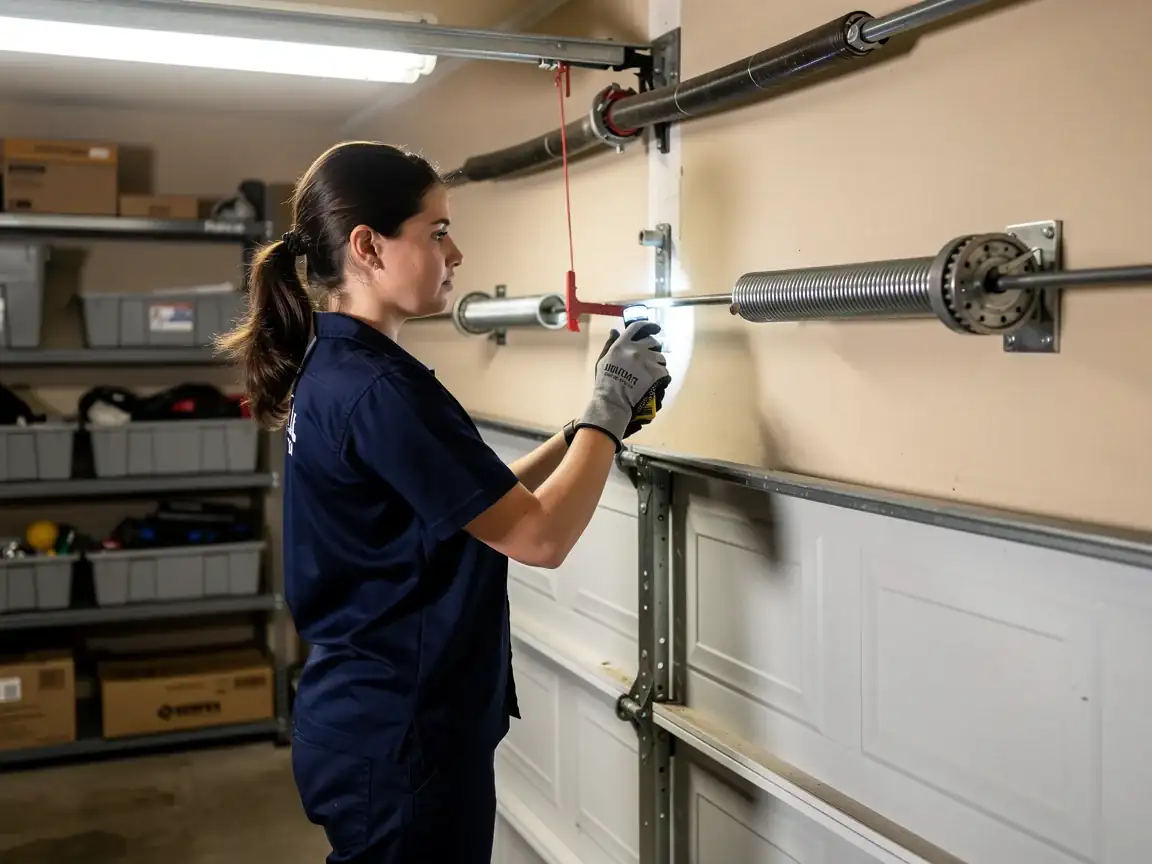
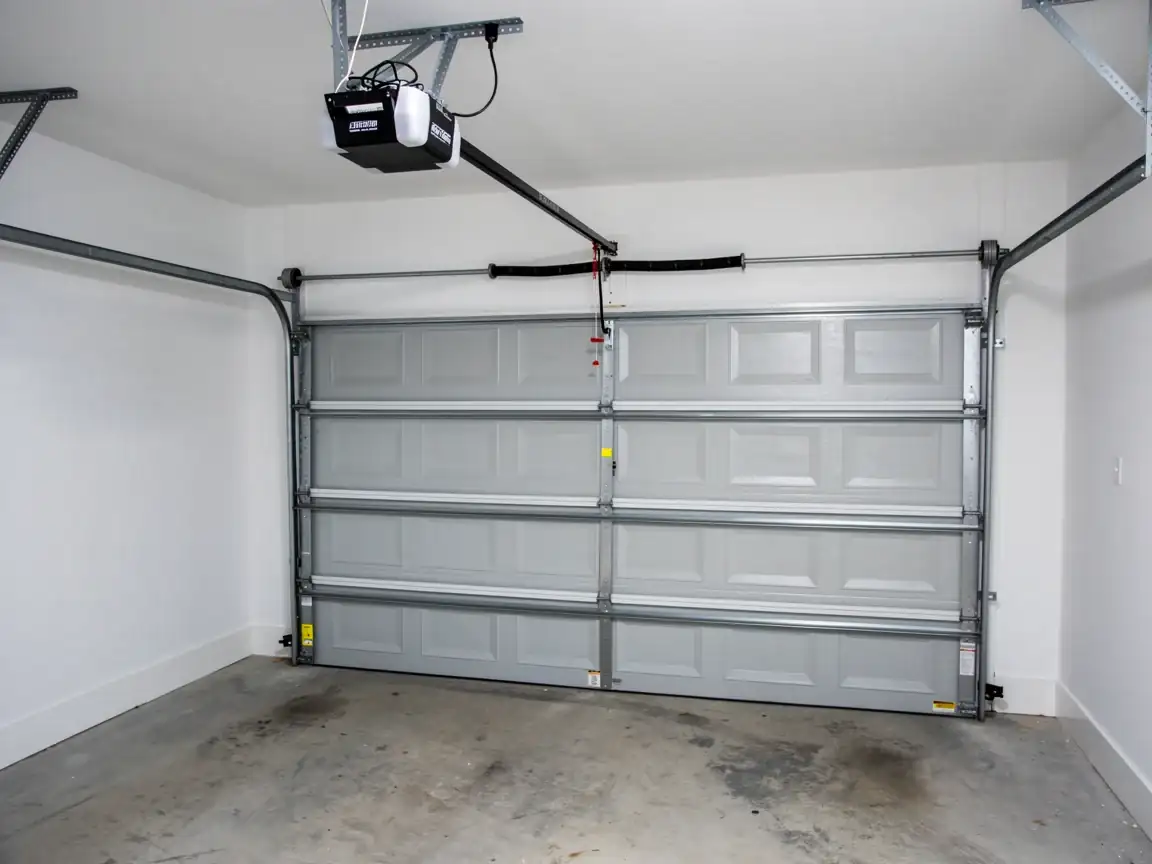
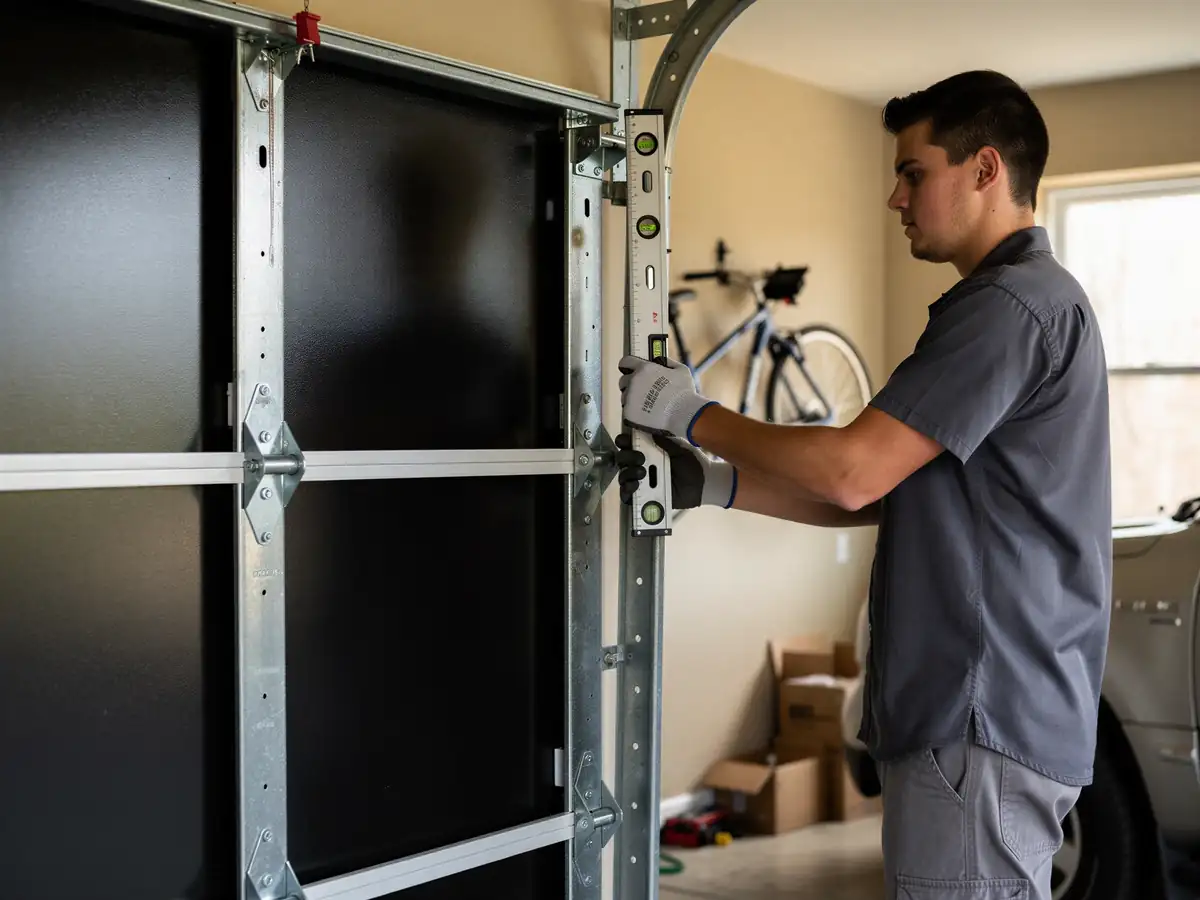
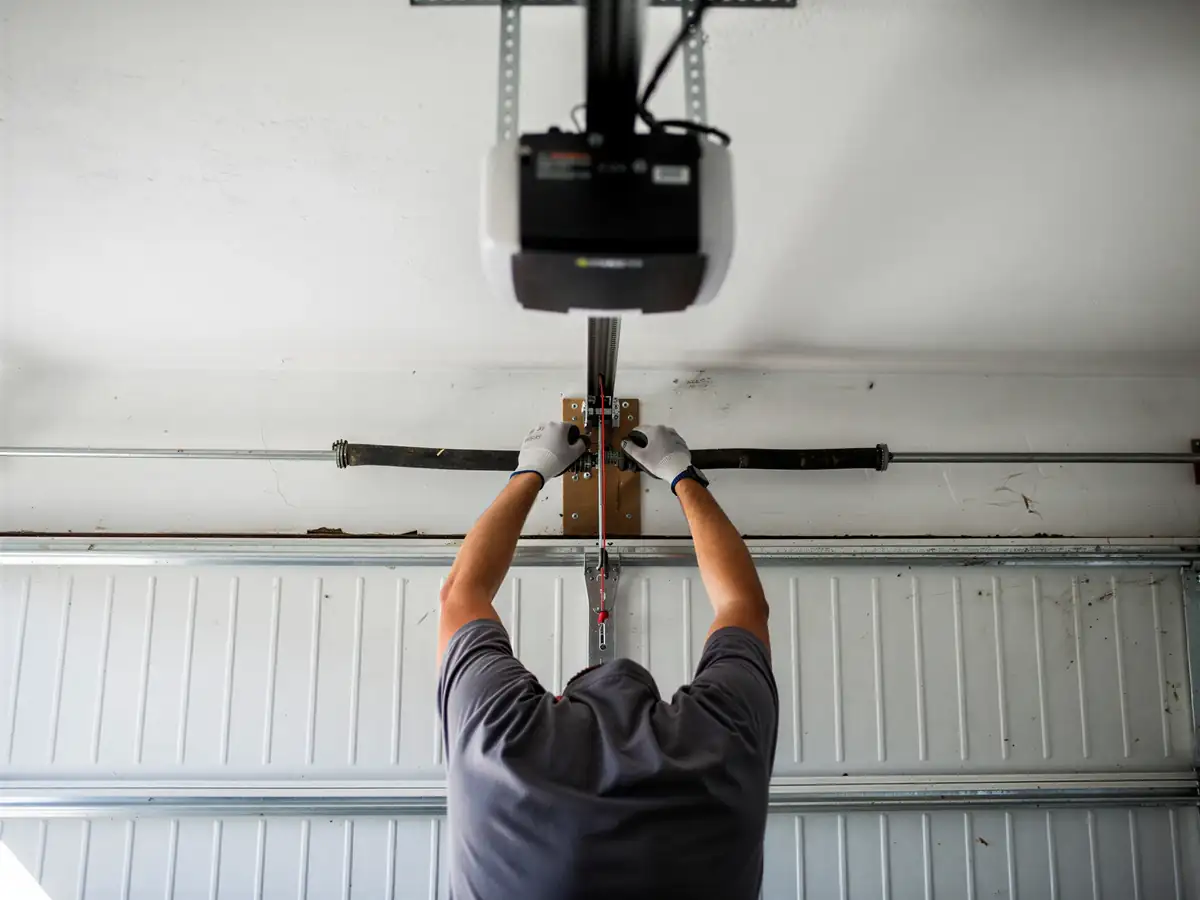
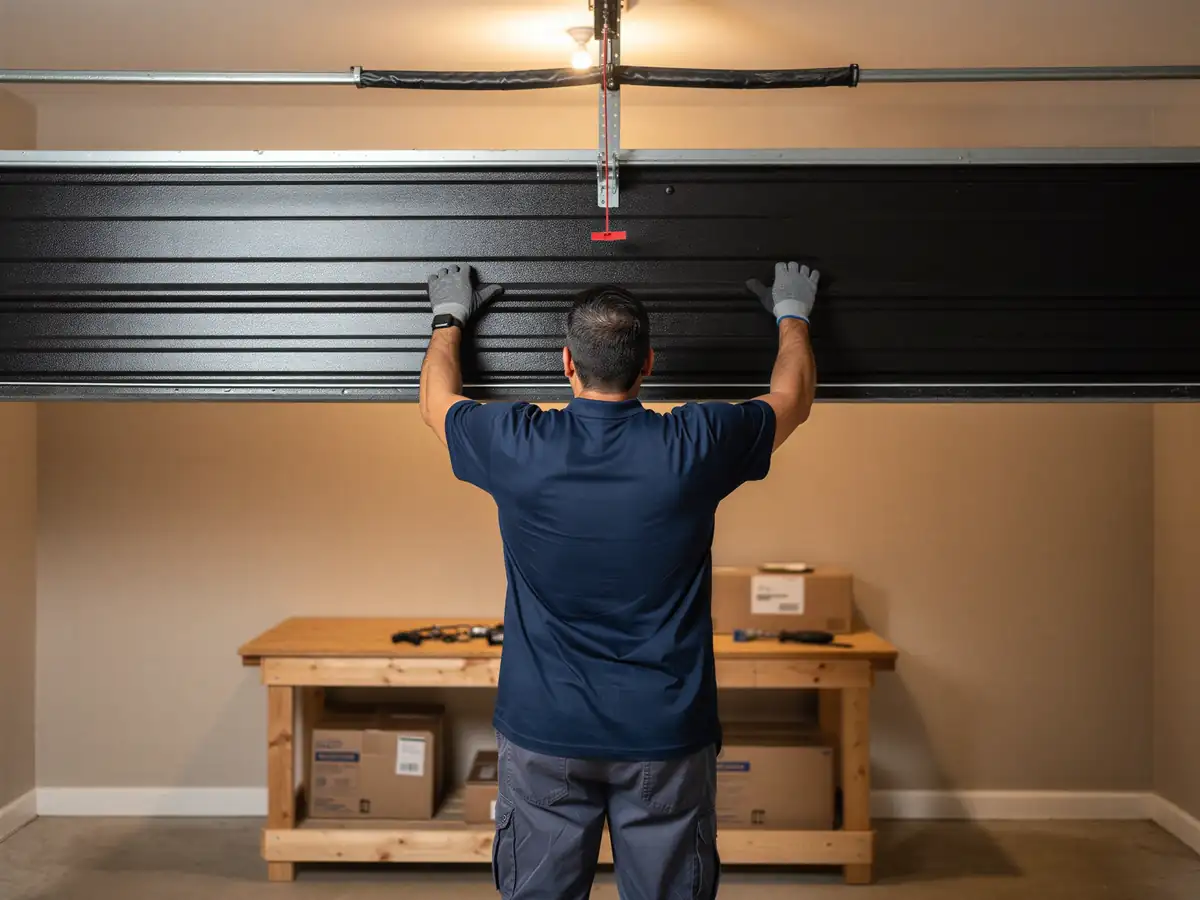
A DIY roller swap on the bottom two rollers (the ones you can reach without taking the door apart) is reasonable weekend work. Anything above head height on a torsion door means working near a loaded spring, and that's where we'd rather you call. We won't pretend every roller job needs a truck - sometimes it genuinely doesn't.
What Can Go Wrong
The failure we see most in this stock is a roller that's worn to an oval instead of a circle. The door still moves, but it chatters and binds at the same two or three points on every cycle - usually right where the track has a seam or a slight bend. Keep running it and the stem snaps, the roller drops, and the door comes off the track mid-cycle, sometimes with someone's hand on the button.
The second failure is specific to the original hardware: steel rollers without sealed bearings seize up in cold, especially after they've picked up grit over close to fifty years of use. A seized roller doesn't roll - it drags, and dragging puts load on the opener's drive gear that it was never built to carry. We've opened up openers that burned out because of nothing more than four rollers that quit turning months earlier.
Why It Happens Here
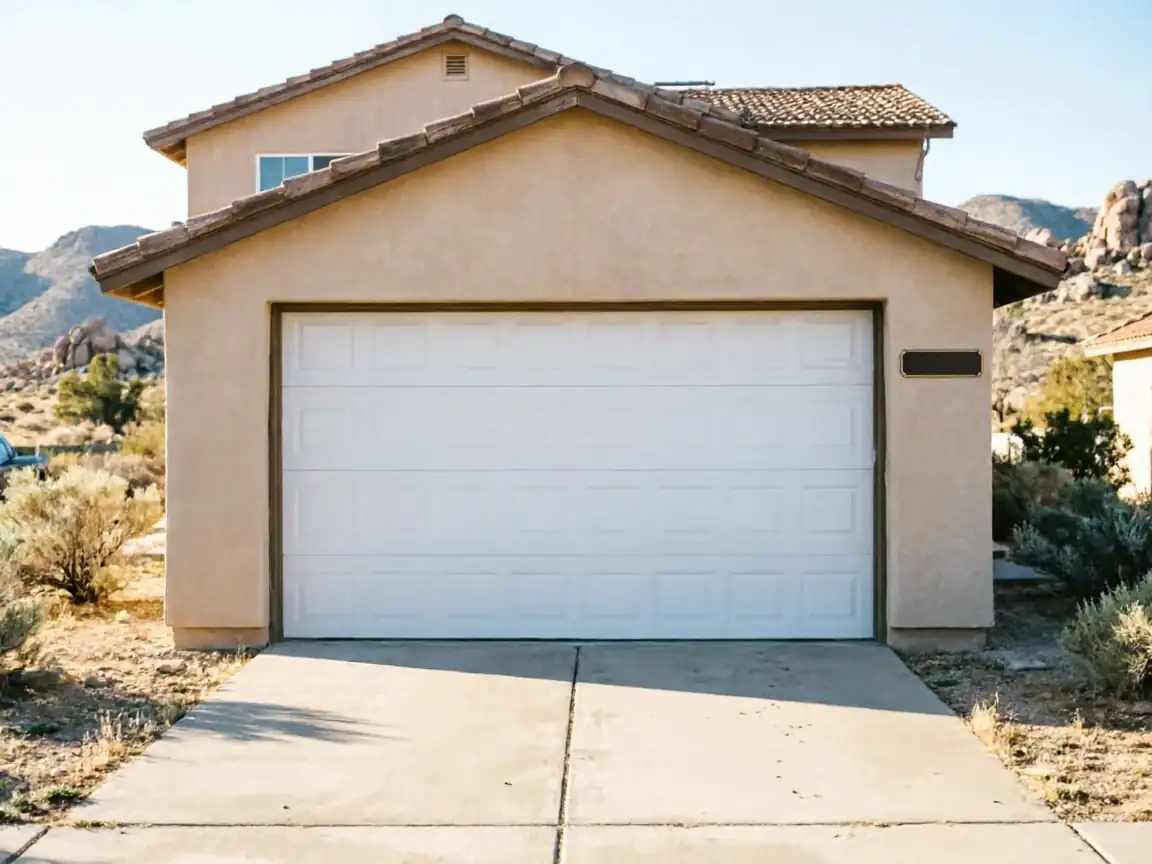
Dollar Point's houses cluster around a 1974 build date, which puts most of the original garage door hardware squarely in the steel-roller-and-steel-track generation. That's not unusual for the broader area - housing across the region runs 1938 to 2003 with a median around 1976 - but it means the roller failures we're called out for here skew toward hardware that's simply reached the end of its service life, not hardware that was installed wrong.
Cold is the other factor. This area sits in a severe cold climate band, and steel rollers with dry or frozen bearings are far more likely to bind on a cold morning than nylon rollers with sealed bearings, which tolerate the swing in temperature better. A door that rolled fine in October and groans in January is usually telling you the rollers, not the opener, are the problem.