Doing It Yourself
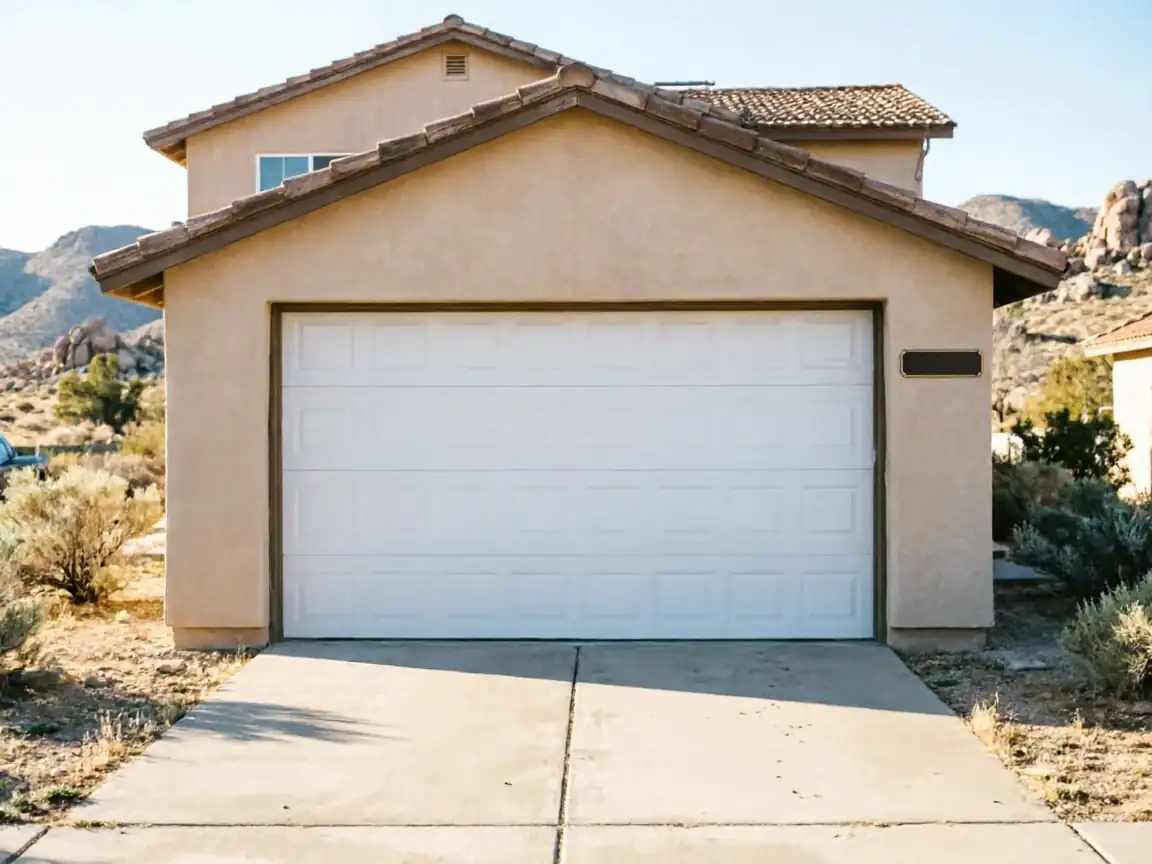
Most garage doors around Dollar Point date to the early-to-mid 1970s
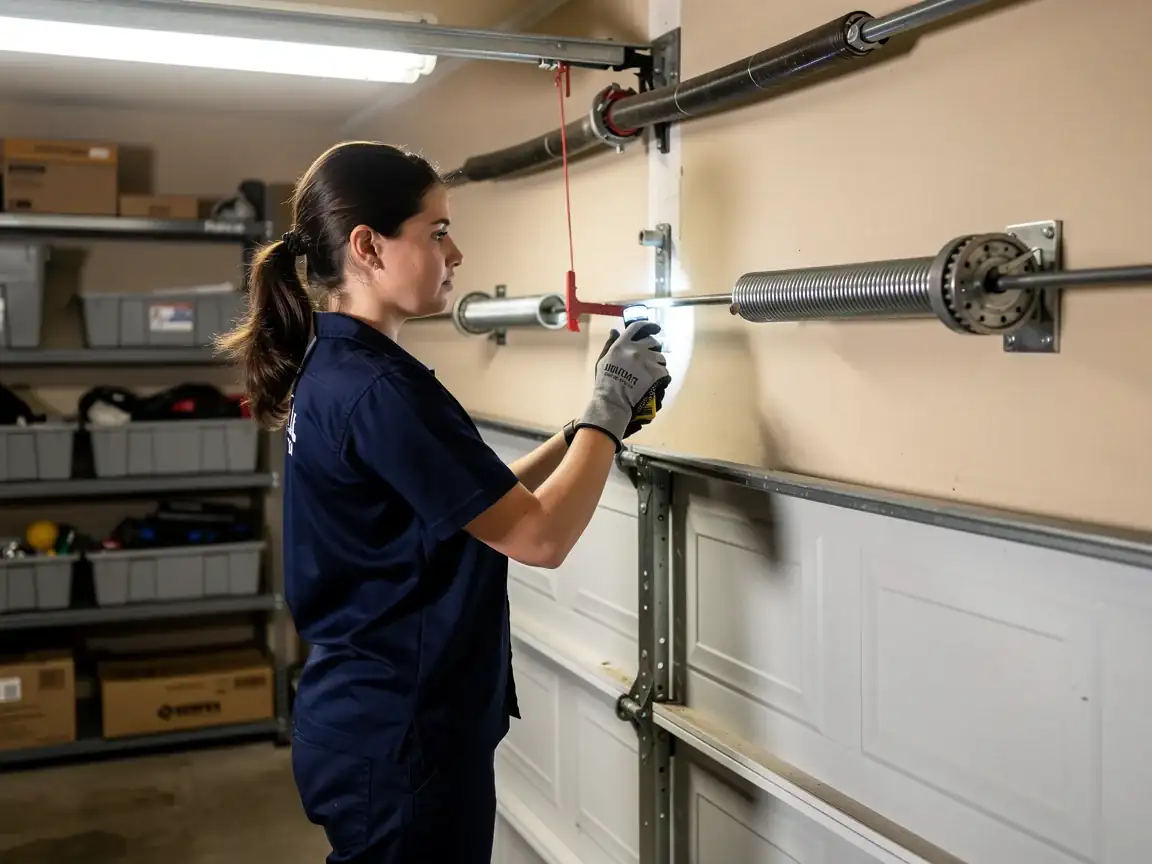
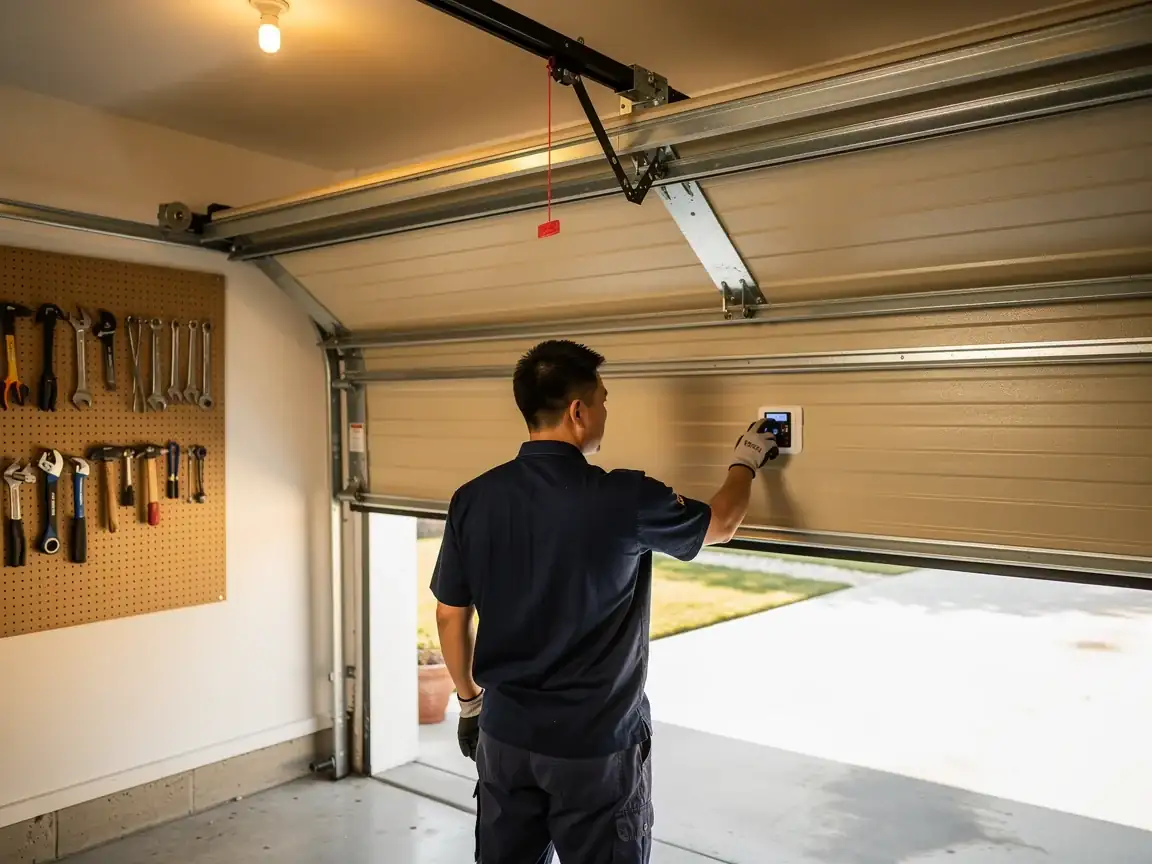
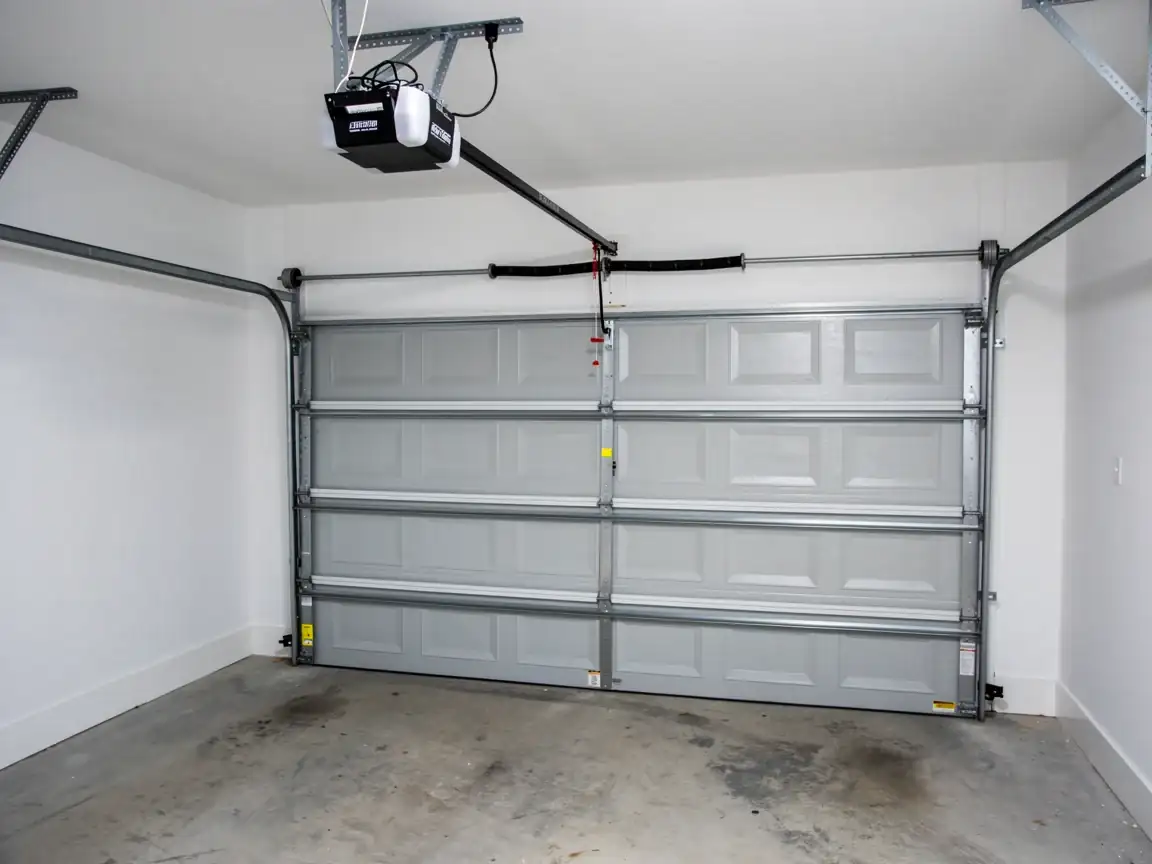
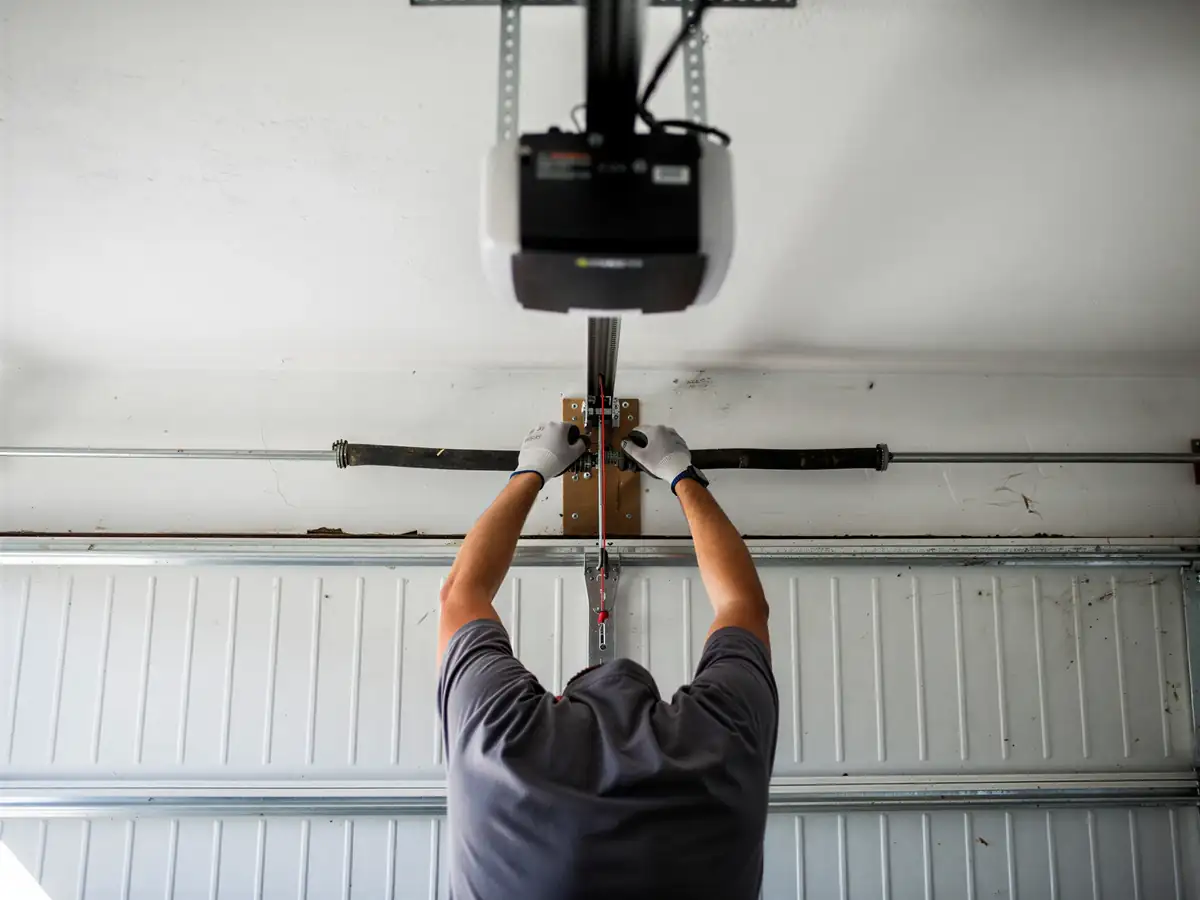
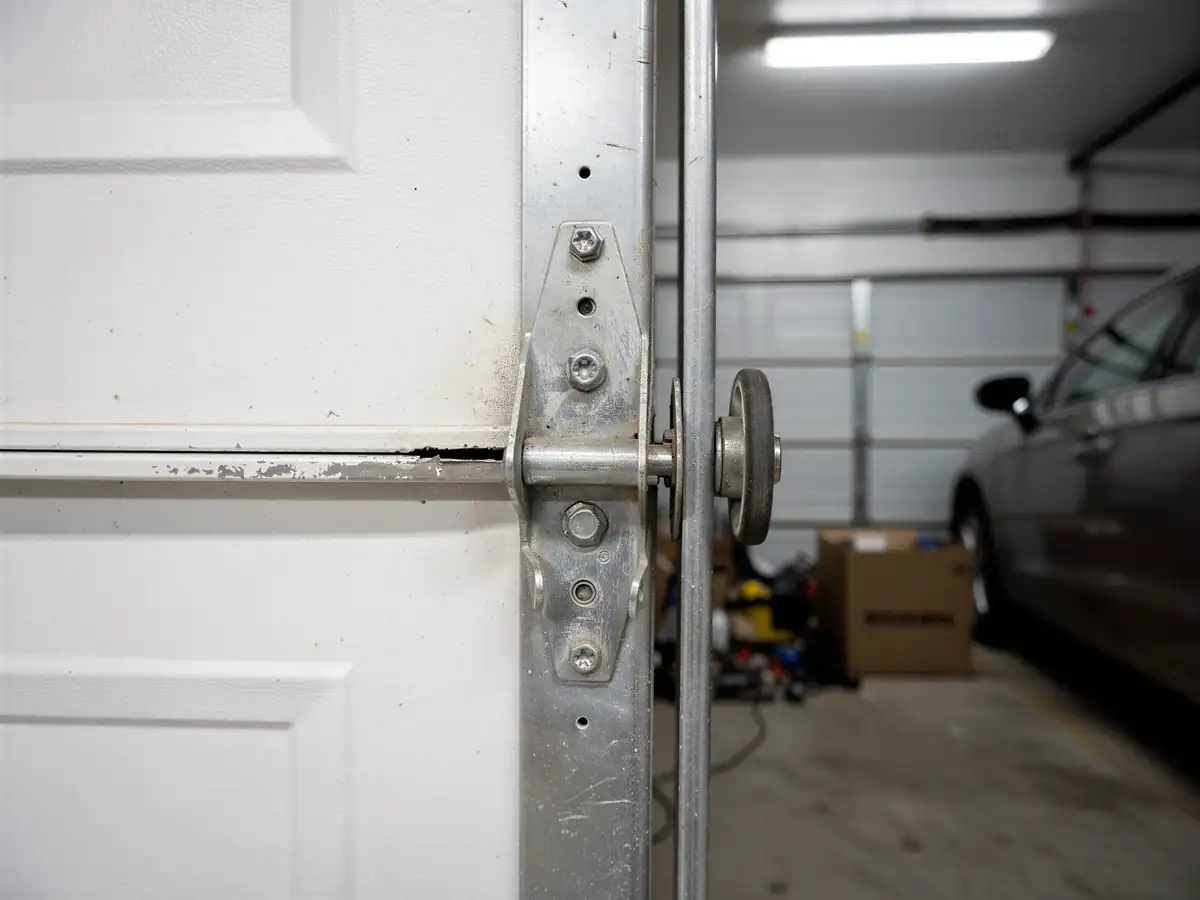
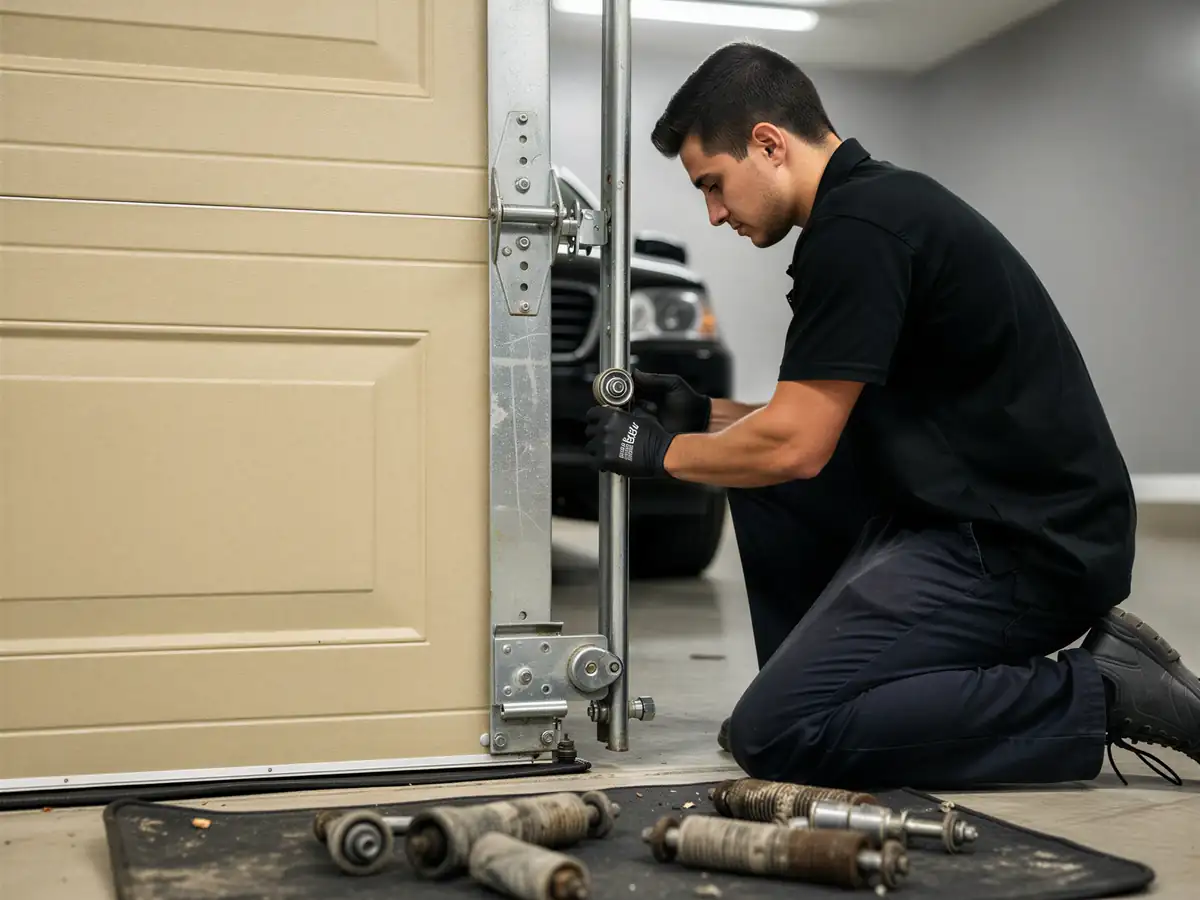
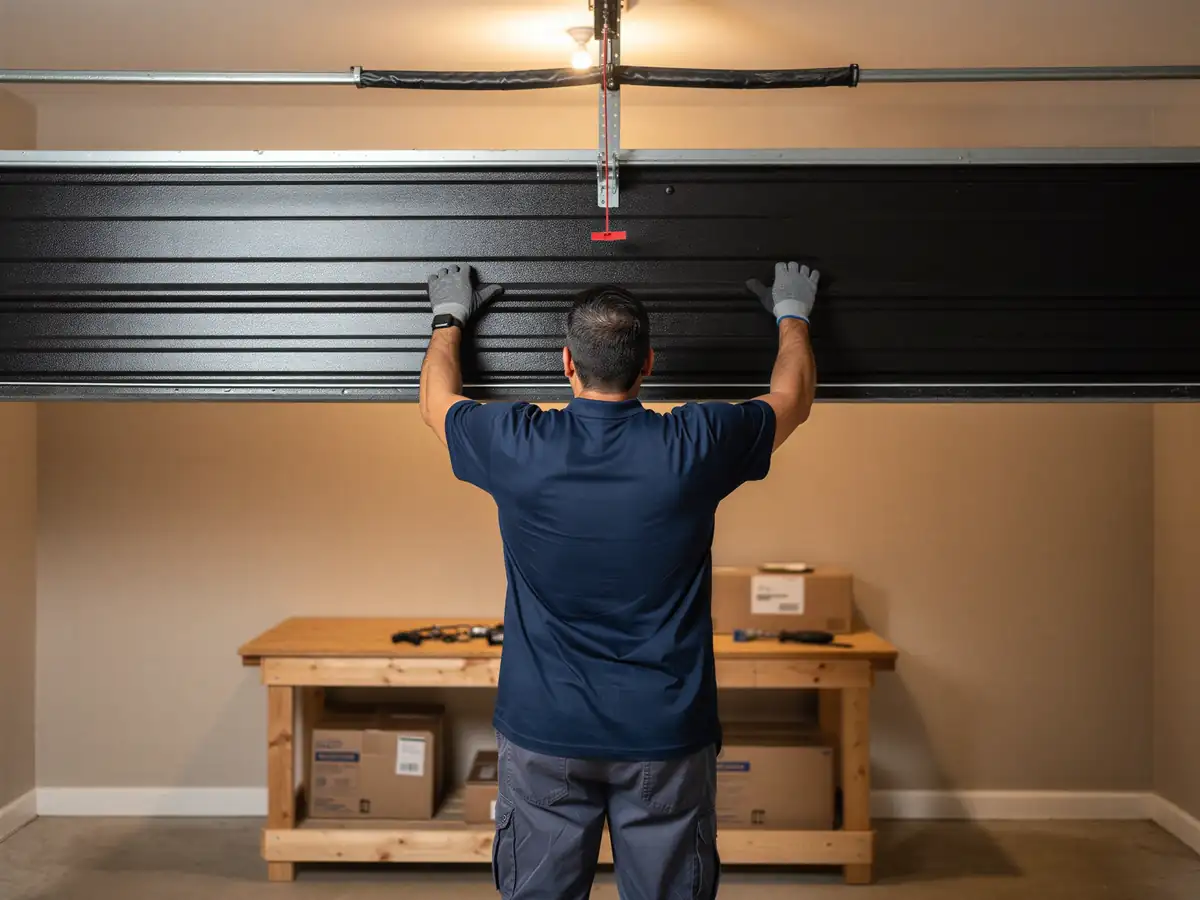
Which means a lot of single-layer steel or wood-panel doors on a single torsion spring, not the two-spring setups common on newer builds. You can handle the stuff that doesn't involve the spring under tension: tightening loose hinge bolts, lubricating rollers and hinges, clearing debris from the track, and testing the auto-reverse safety feature by setting a 2x4 under the door and watching it reverse on contact. What you should not touch is the torsion spring itself or the cable drums. On a door this old, the spring has usually seen decades of winding cycles and the hardware wasn't built to the same safety standards as current stock - a spring under full wind that lets go can break fingers or worse. If the door is sagging on one side, binding in the track, or the opener is straining and reversing on its own, that's a call, not a weekend project.
One honest limitation: we don't do cosmetic refinishing of original wood doors
If the panel is original and the wood is checked or rotting at the bottom rail, replacement is usually the better call than trying to save the finish.
What Can Go Wrong
A door built around 1974 is old enough that its torsion spring is almost certainly past its rated cycle count, even if it's never failed outright. When it goes, it tends to go without warning - the door drops fast and the opener can't lift it. On the wood-panel doors common to this era, the bottom rail is the first thing to fail: years of ground moisture and snowmelt wick up into the wood and it swells, cracks, or rots, throwing the whole panel out of square. Steel doors from the same period usually run thinner gauge than what's made today, and the tracks are often the original galvanized rail, which pits and rusts at the rollers after enough winters.
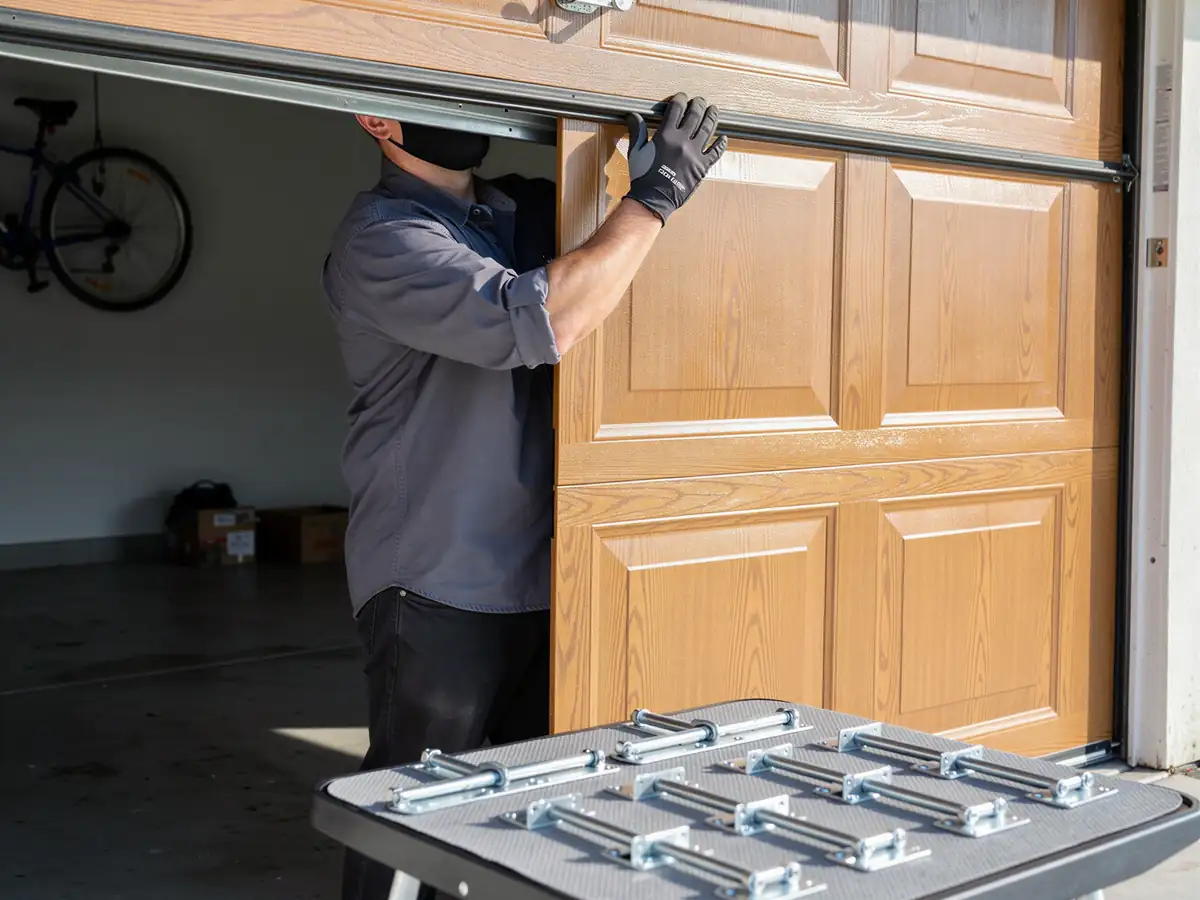
Hardware on a house this age is also a mismatch problem. The lift cables, drums, and end bearings on a 1970s door frequently don't match what's sold off the shelf now, so a repair sometimes means sourcing a part built to an older spec rather than grabbing a universal replacement. That adds a day or two versus a newer door where the part is a standard stock item.
Why It Happens Here
Dollar Point sits in a cold, severe-winter climate, and a door built around 1974 was not engineered for the insulation standards or weatherstripping used now. Wood swells and steel contracts through repeated freeze-thaw cycles, and on an original door that's fifty years into that cycle, the seals are usually long gone and the panel has some play in it that didn't exist when it was installed. None of that is unique to this one street or that one house - it's the age of the stock across the whole area, since most of Dollar Point's roughly 547 households are in homes built within a few years of that median.
Being 18 miles out from Carson City doesn't change what breaks, but it does mean parts for an older door sometimes have to be ordered rather than pulled off a truck same-day, since the original hardware spec isn't something every supplier carries.