What Can Go Wrong
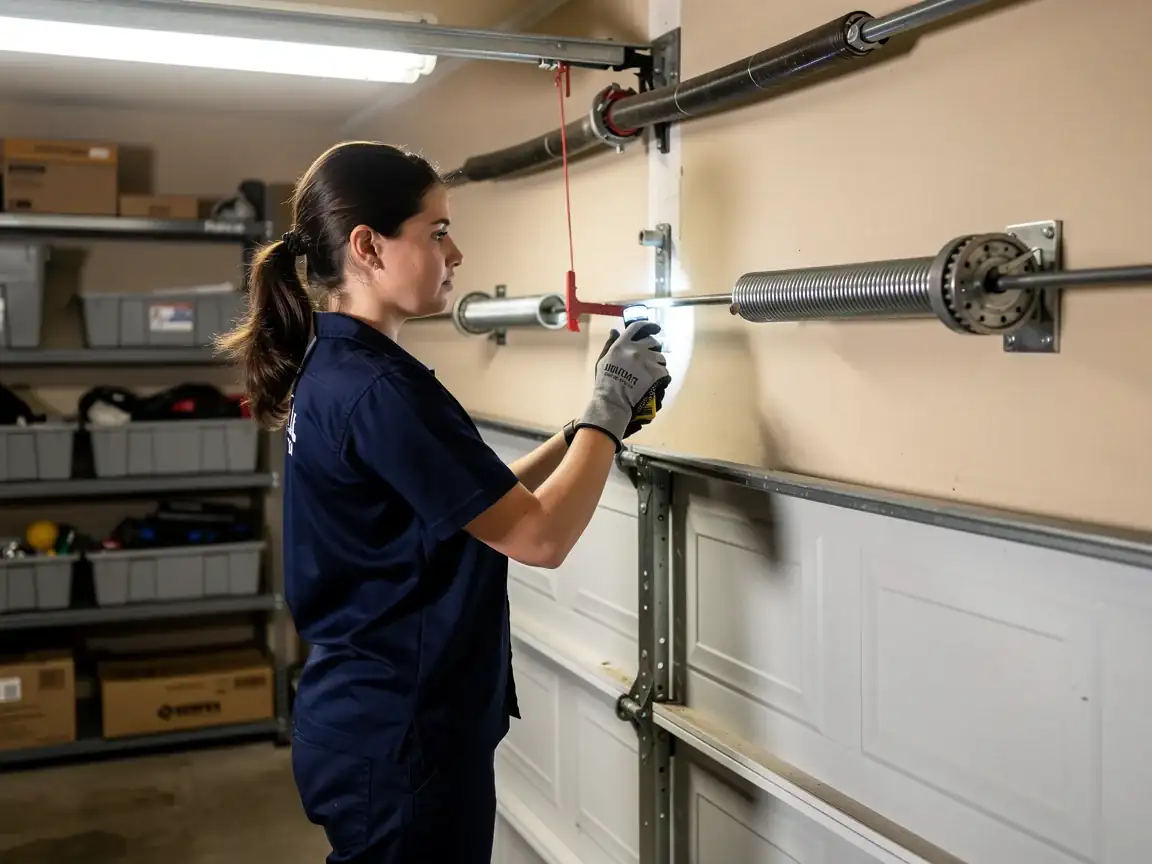
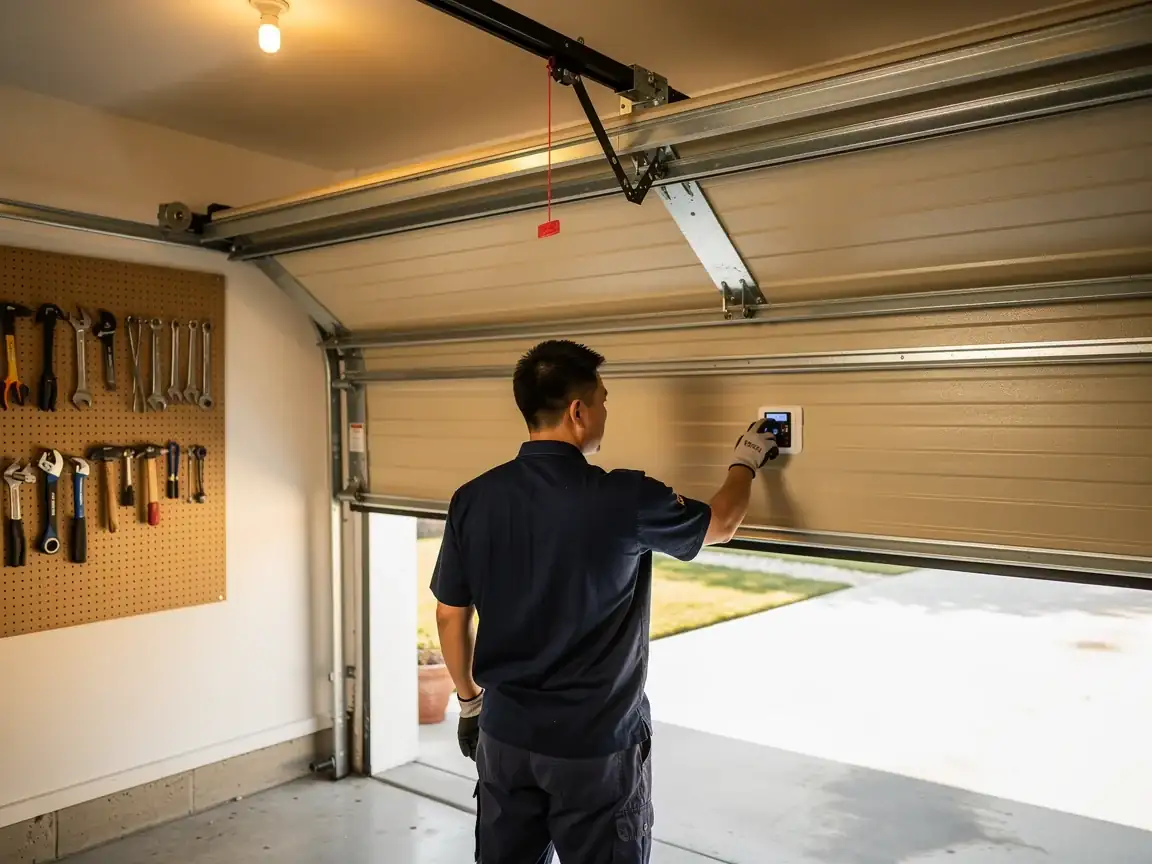
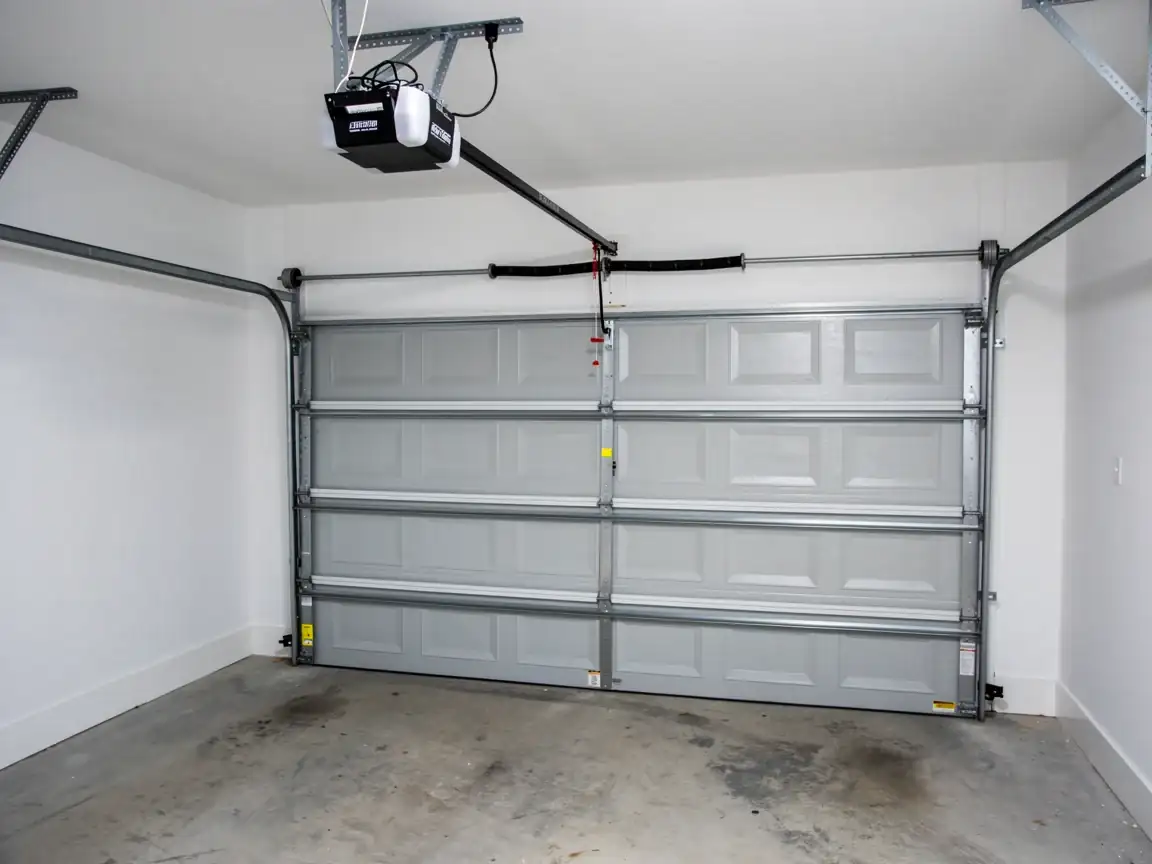
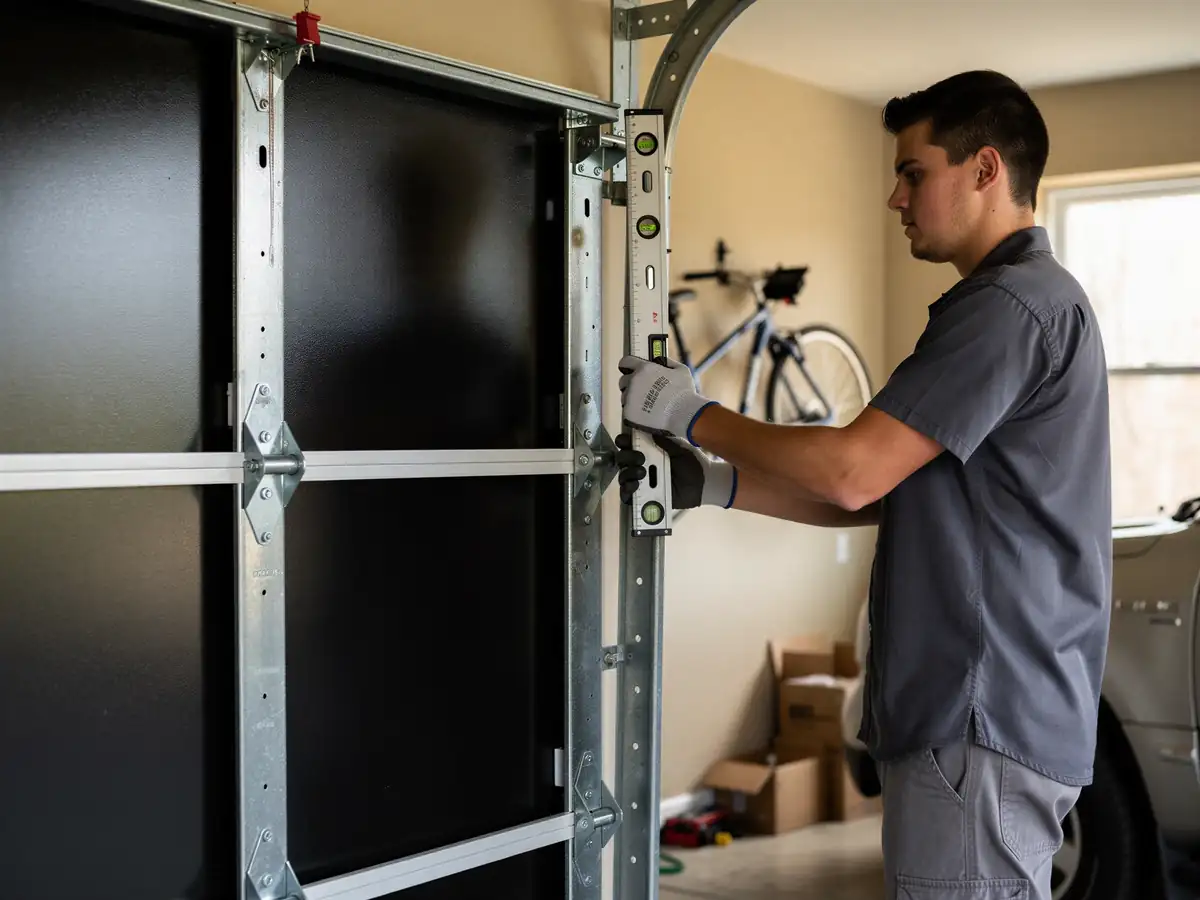
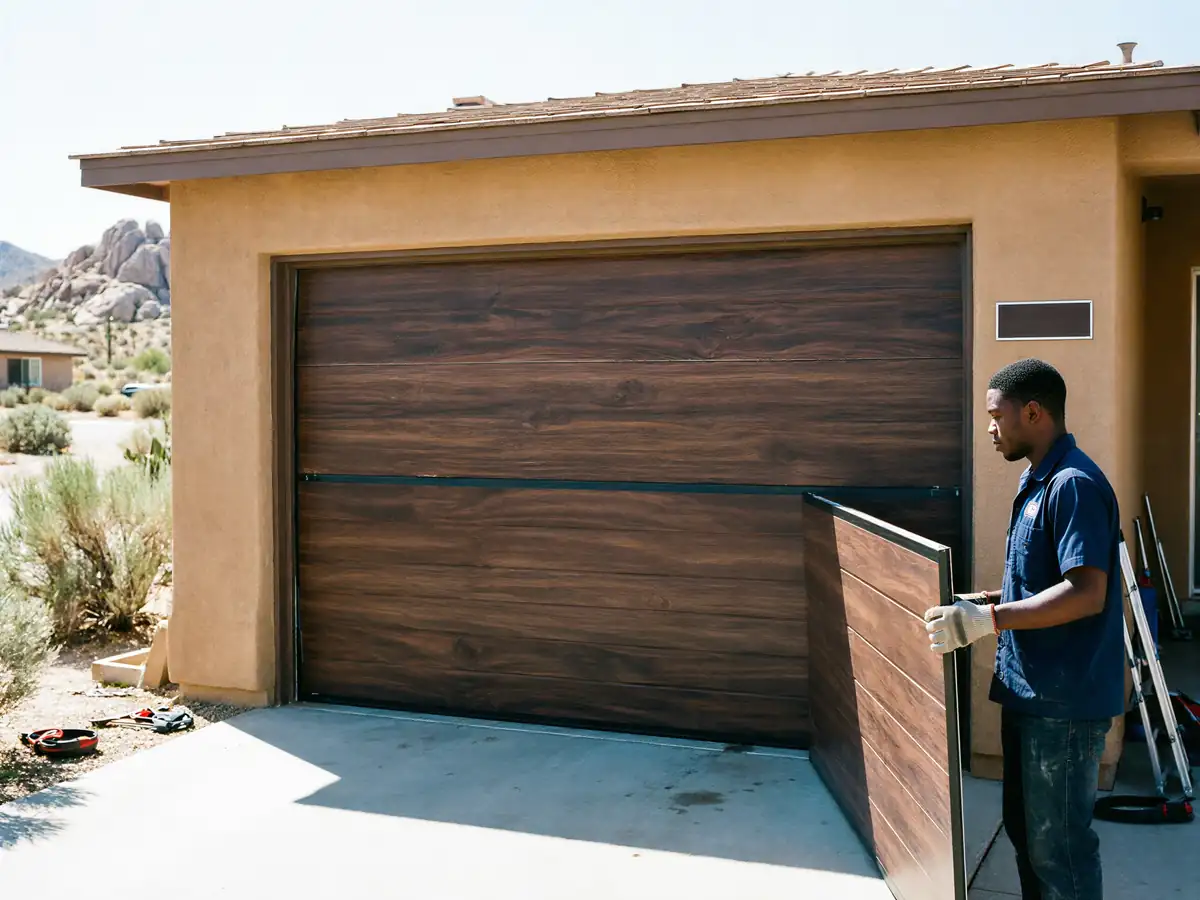
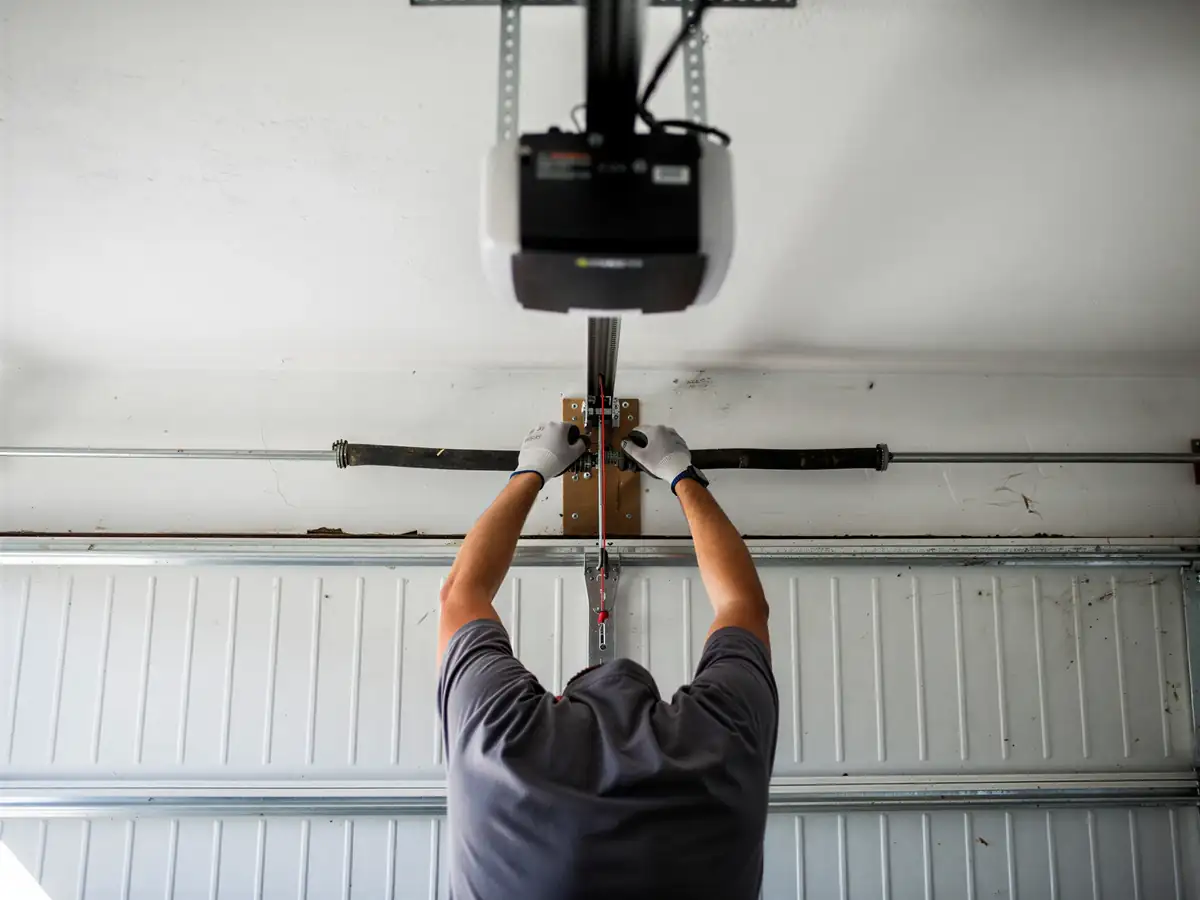
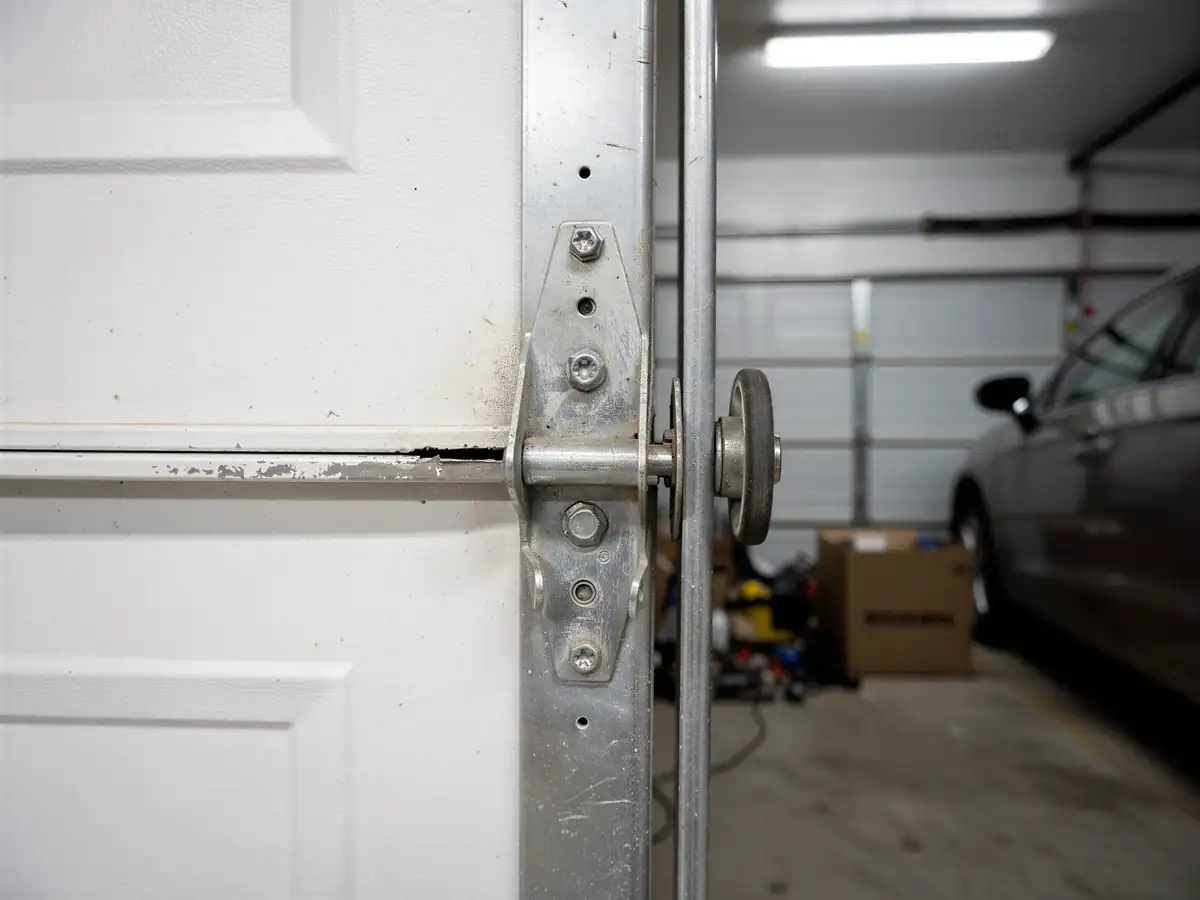
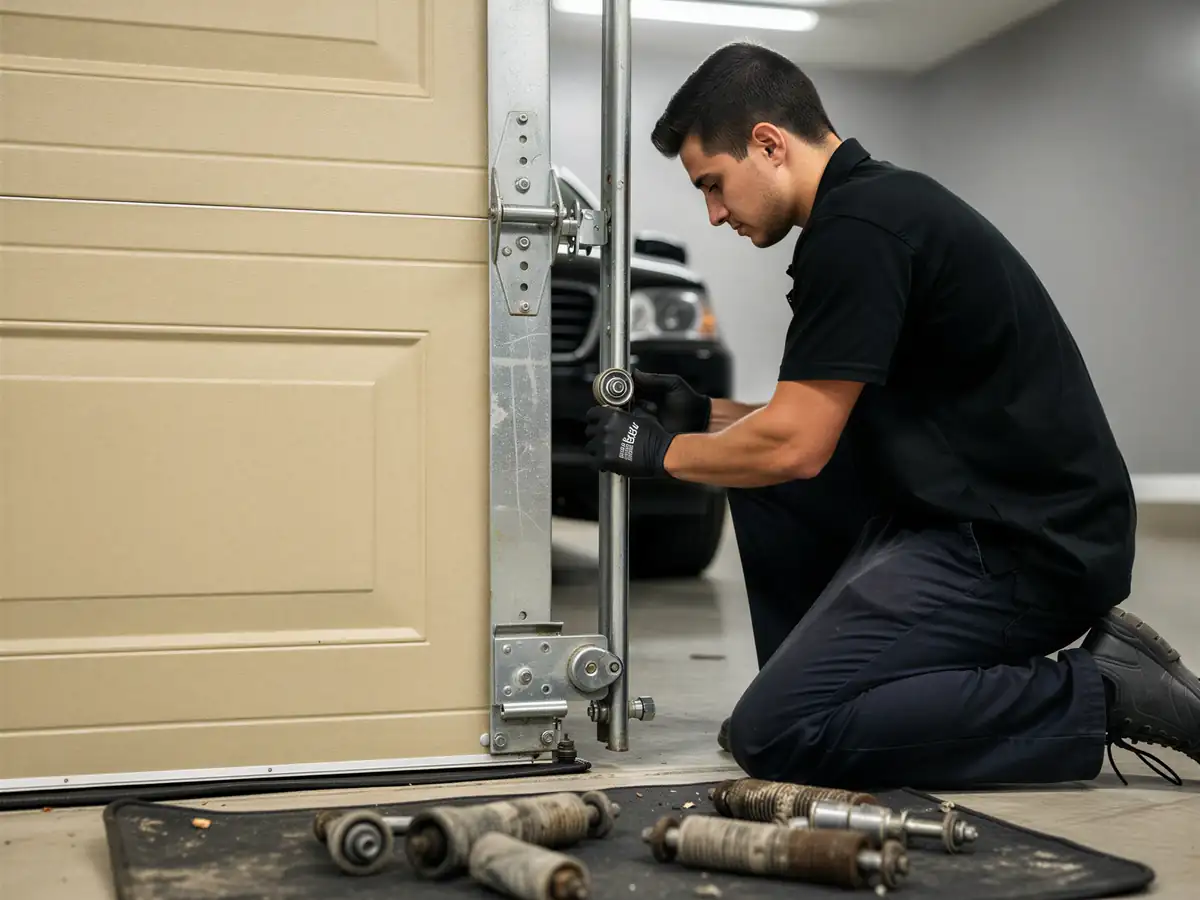
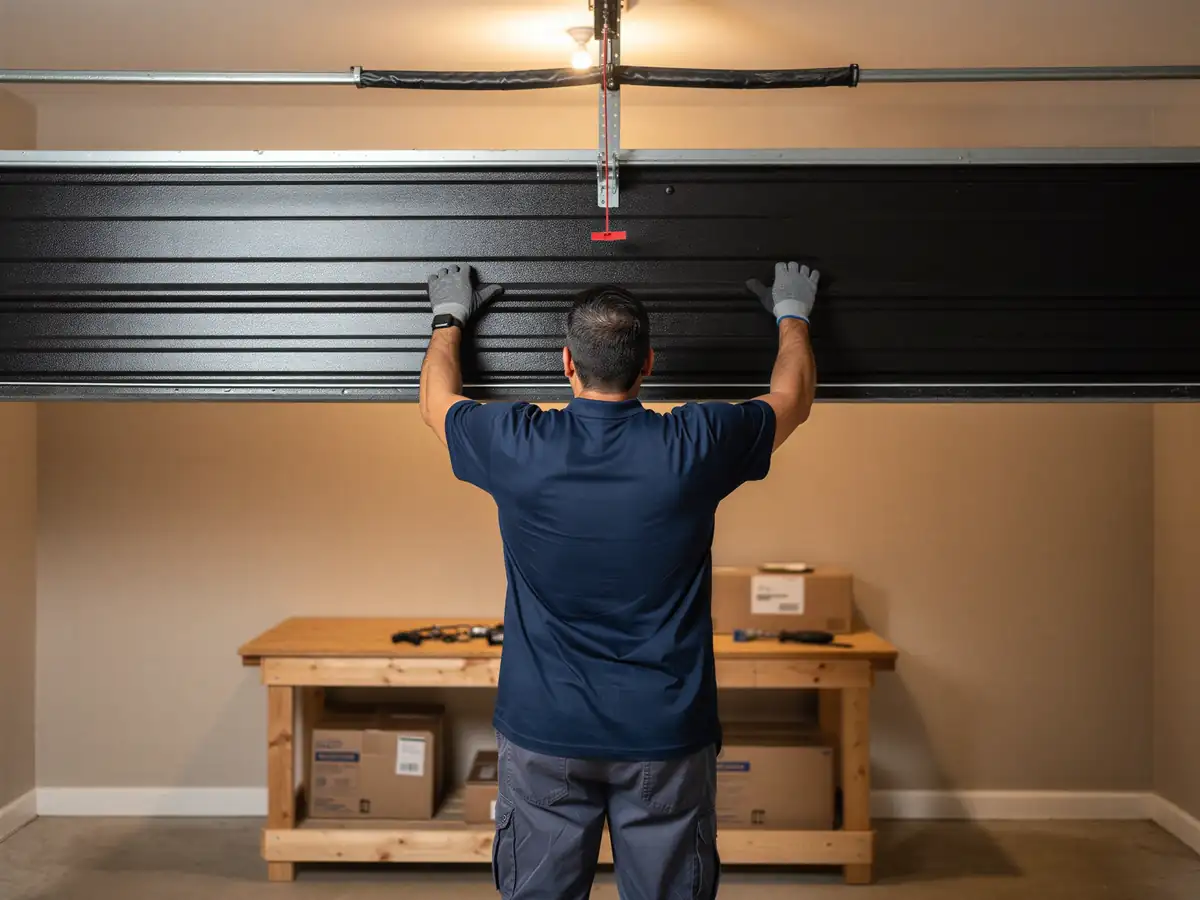
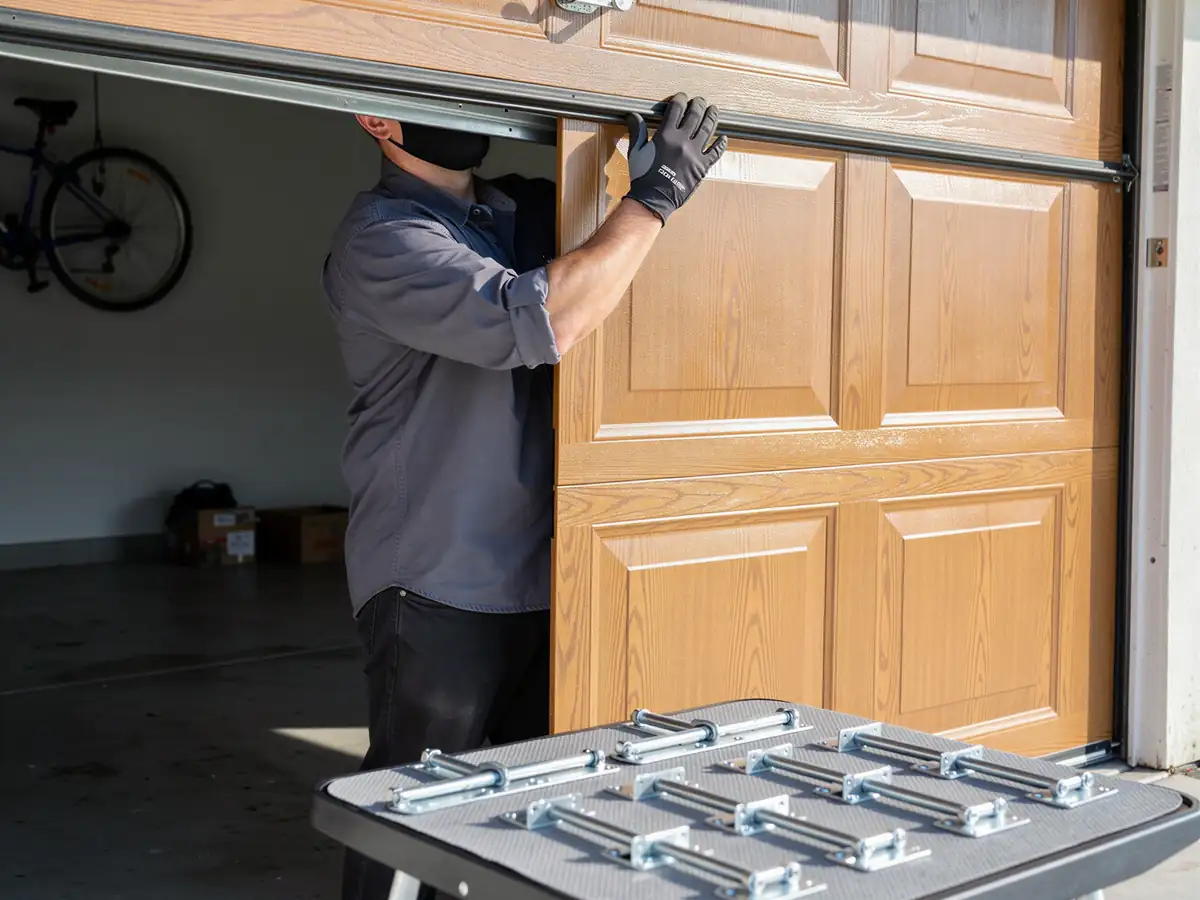
The most common failure we see on 1970s-era doors in this area isn't one bad panel, it's a mismatch nobody caught until the door is half-apart. Steel sections from that build period were narrower than today's standard, so a single new panel dropped into an old track often rides slightly proud or recessed, which chews through rollers and strains the opener's drive gear inside a season. Second most common: rust creep along the bottom two panels, worse here than in milder climates because the severe cold-band winters push repeated freeze-thaw cycling into any seam where the galvanizing has worn through. That rust doesn't stay cosmetic; it eats the panel's structural rib, and a section that looks fine from the driveway can crumple under hand pressure. Third, and this one catches people off guard: once one section fails, the stress shifts to the hinges holding the next panel, so what started as a single damaged section turns into two or three needing replacement within a year if the door isn't pulled level again. We won't talk anyone into a full door replacement if one section genuinely fixes the problem, but we also won't sell a single panel if the hinge line is already bent, because that's a repair that doesn't hold.
Why It Happens Here
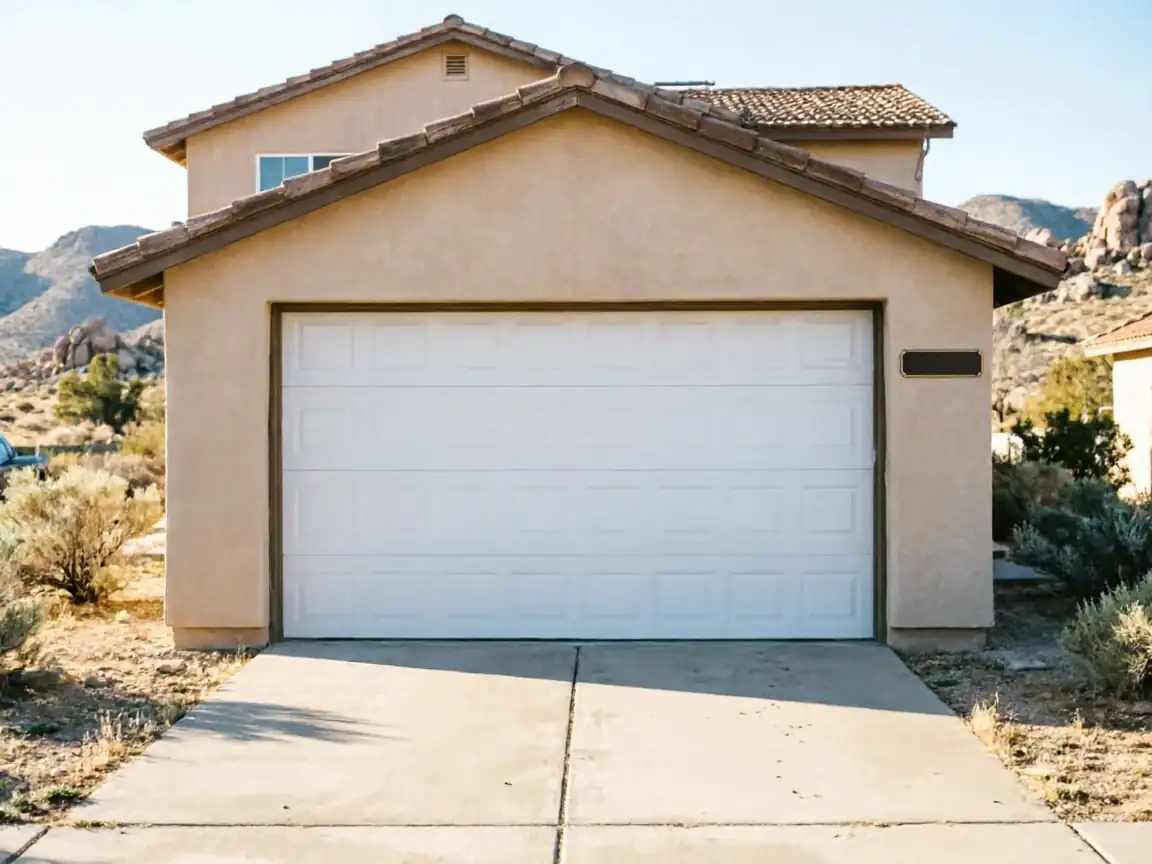
Dollar Point's housing stock centers on 1974, which puts it squarely inside the 1960s-70s band that makes up most of the construction across Carson City Garage Door Pros' service area. That matters for panel work specifically: doors from this window used a steel gauge and section height that manufacturers have largely discontinued, so a repair here is as much a sourcing problem as a labor problem. Add in the severe cold climate rating for this region, and you get doors that see real thermal cycling, panels expanding and contracting enough over forty-plus winters that the seams where sections bolt together loosen and let moisture in. Houses built later, after insulated steel and composite panels became standard, don't show the same wear pattern. A 1974 door in this cold band has had decades to work the same joints loose, which is why panel failure here tends to show up as a slow sag across the whole door rather than one isolated dent. We factor that build era into every estimate before we say whether a panel swap will actually hold or whether the door's past the point where patching one section makes sense.