How to Book
We run this job out of Carson City, about 26 miles down the road from Meyers
So there's no local branch to swing by and no same-day promise we can make in good faith. What we can do is schedule the install once we've talked through your door size, your garage's exposure to wind and snow load, and whether you're replacing one door or two. Most Meyers households we hear from want a single-car or double-car residential door, not a commercial unit, so measurements and site photos ahead of time save a wasted trip. Given the drive, we batch Meyers jobs where we can, which sometimes means your install date sits a few days out rather than next morning. If timing matters, say so up front and we'll tell you honestly whether we can meet it. Use the link below to see what else we cover in the area, or go straight to the Carson City page for the full rundown of services beyond installation.
- 26 miles
We don't do walk-in quotes at a Meyers address because there isn't one
Everything starts with a call or a photo sent in.
Why It Happens Here
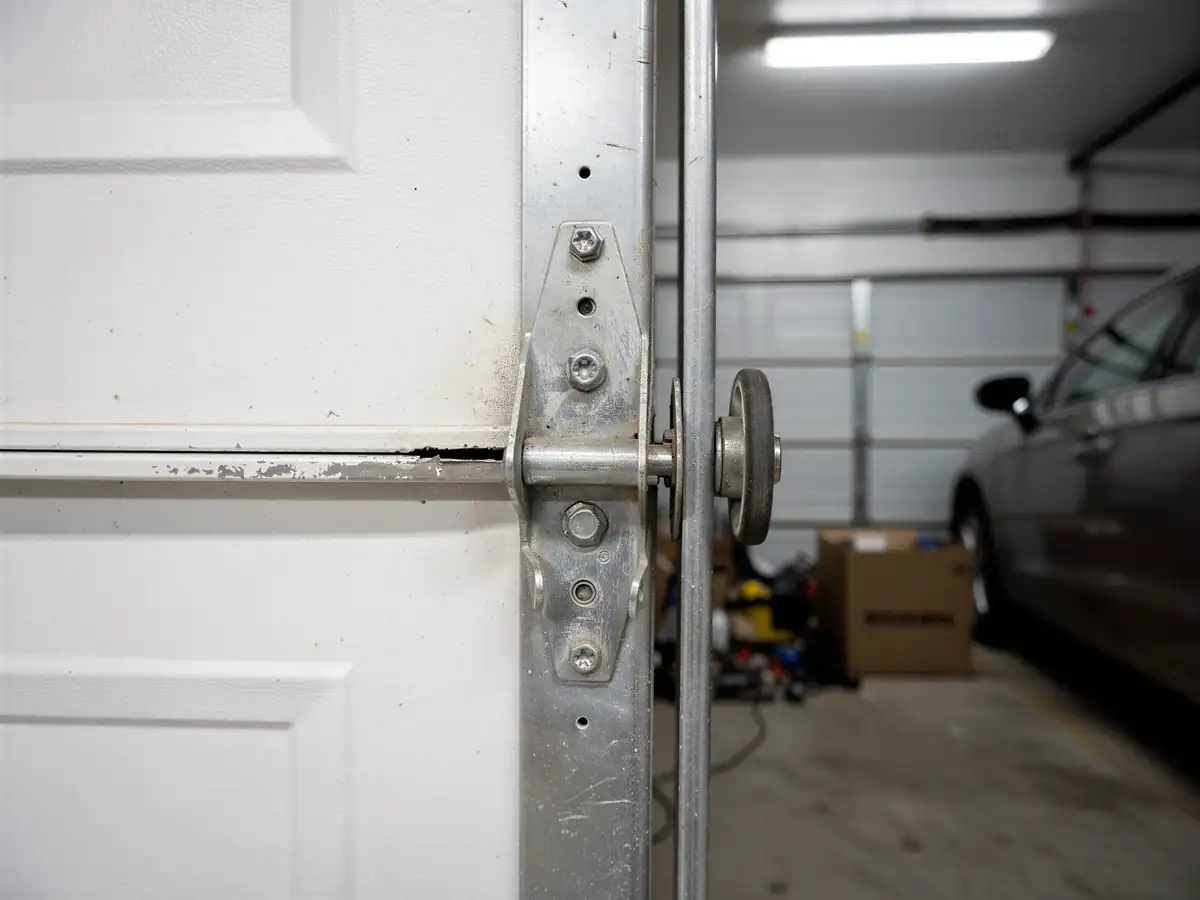
The push for a new door in Meyers usually traces back to the house itself. A lot of the stock here dates to around 1978 - built for the basin's growth years, not for the door hardware we'd spec today. That means single-layer steel panels with no insulation, light-gauge tracks, and torsion springs sized for a door half the weight of what people want to hang now. Add in that this whole region sits in a severe-cold climate band, and you get the real failure pattern: panels that flex and dent under snow load, bottom seals that crack stiff every winter, and openers straining against ice-stuck tracks until the gears strip.
It's not that these doors were built wrong. They were built for 1978 expectations, and 1978 didn't plan for the kind of insulated, heavier doors homeowners want on a house that sees real winter. When a Meyers owner calls about a new install rather than a repair, it's almost always because the existing door has hit the end of what patching can fix - warped panel, sagging track, or an opener that's been fighting the cold for years and finally lost.
What the Repair Takes
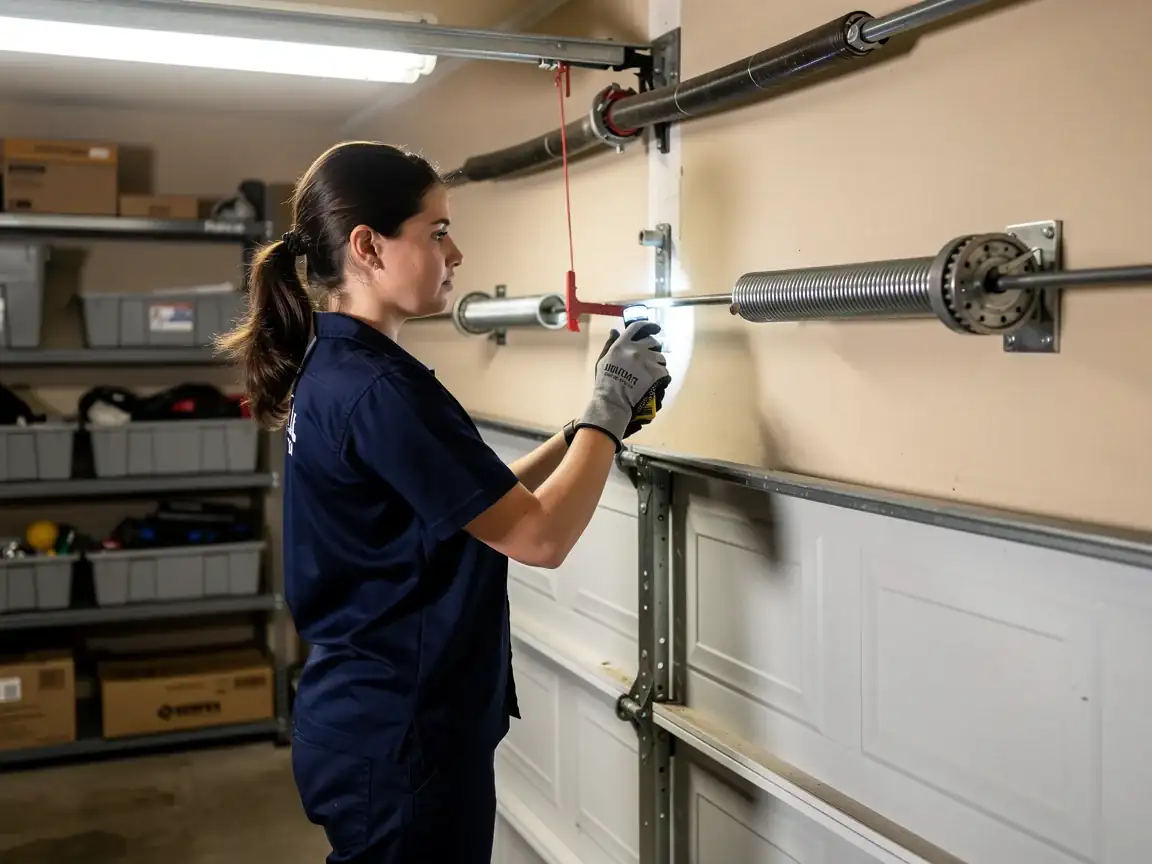
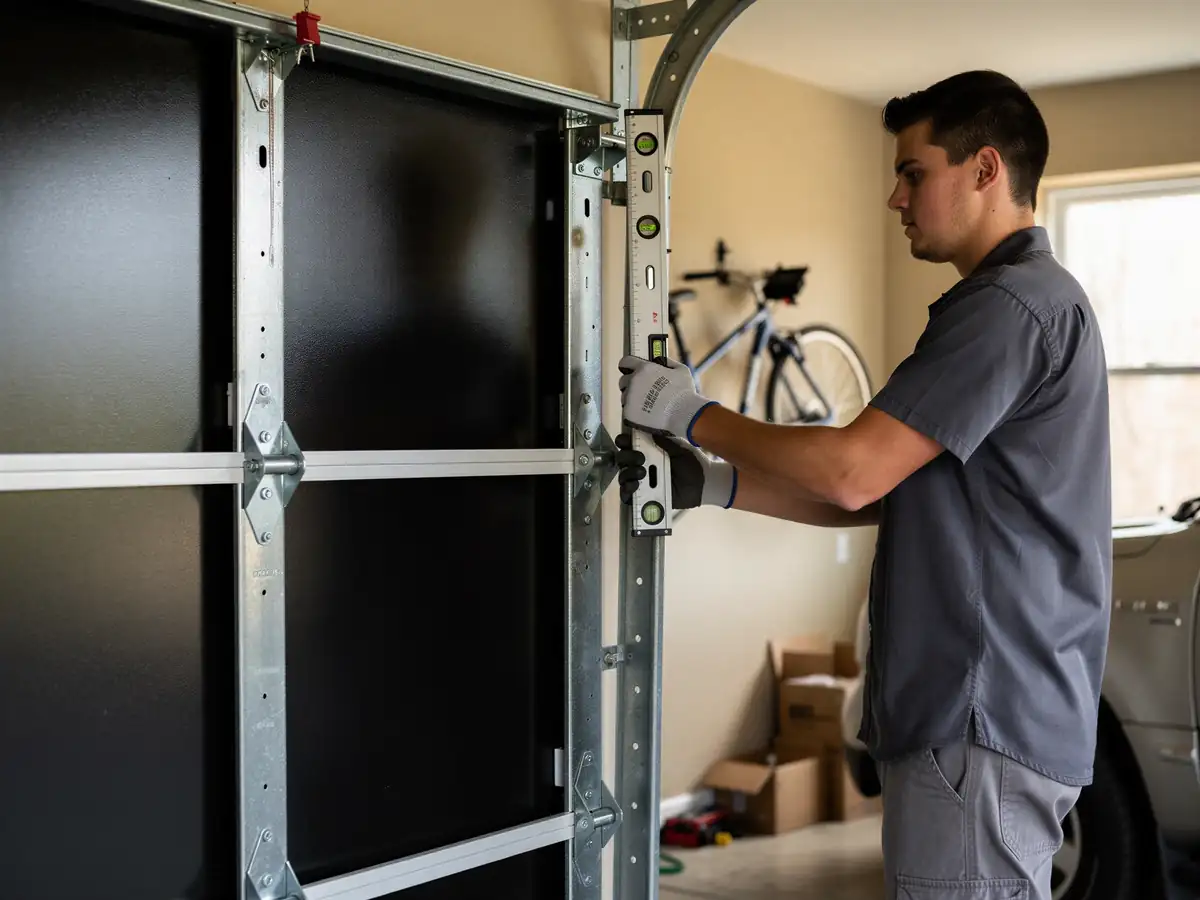
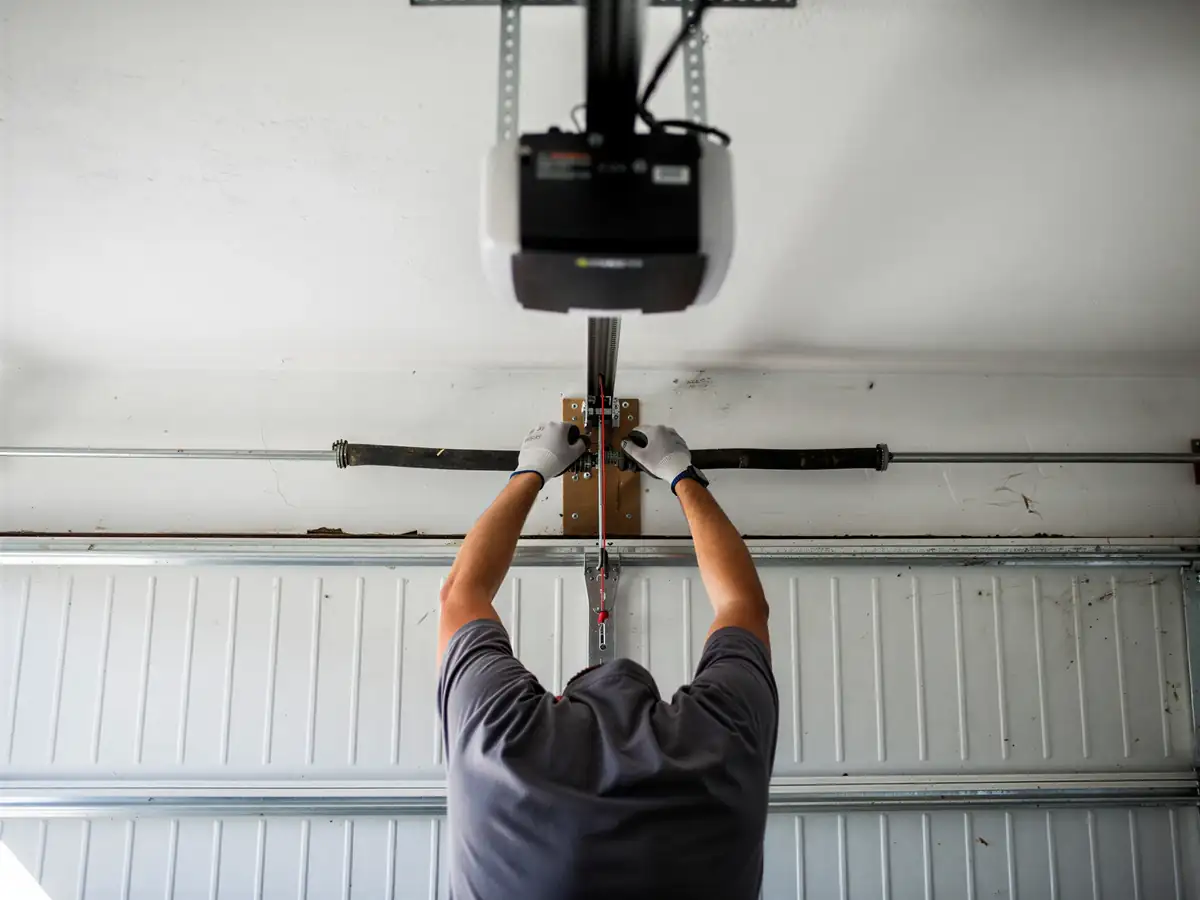
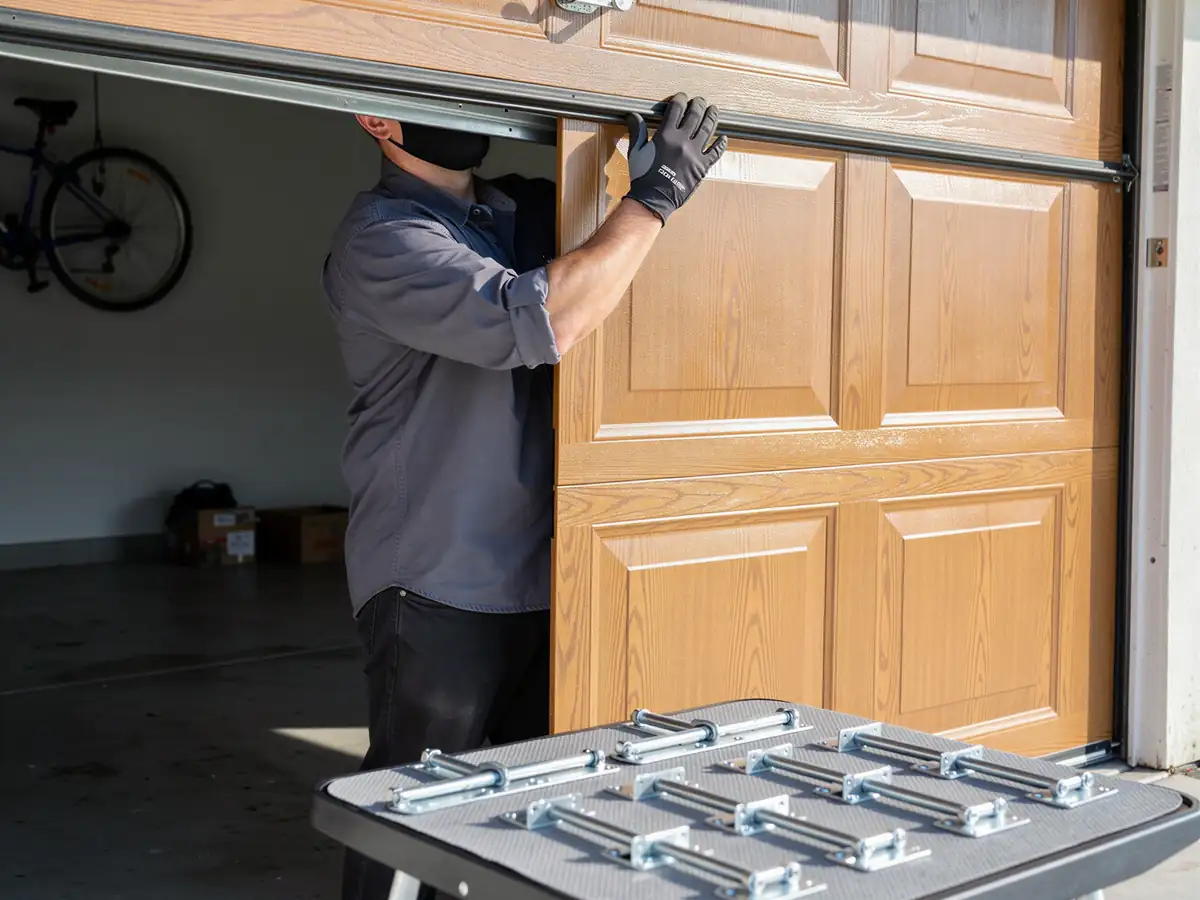
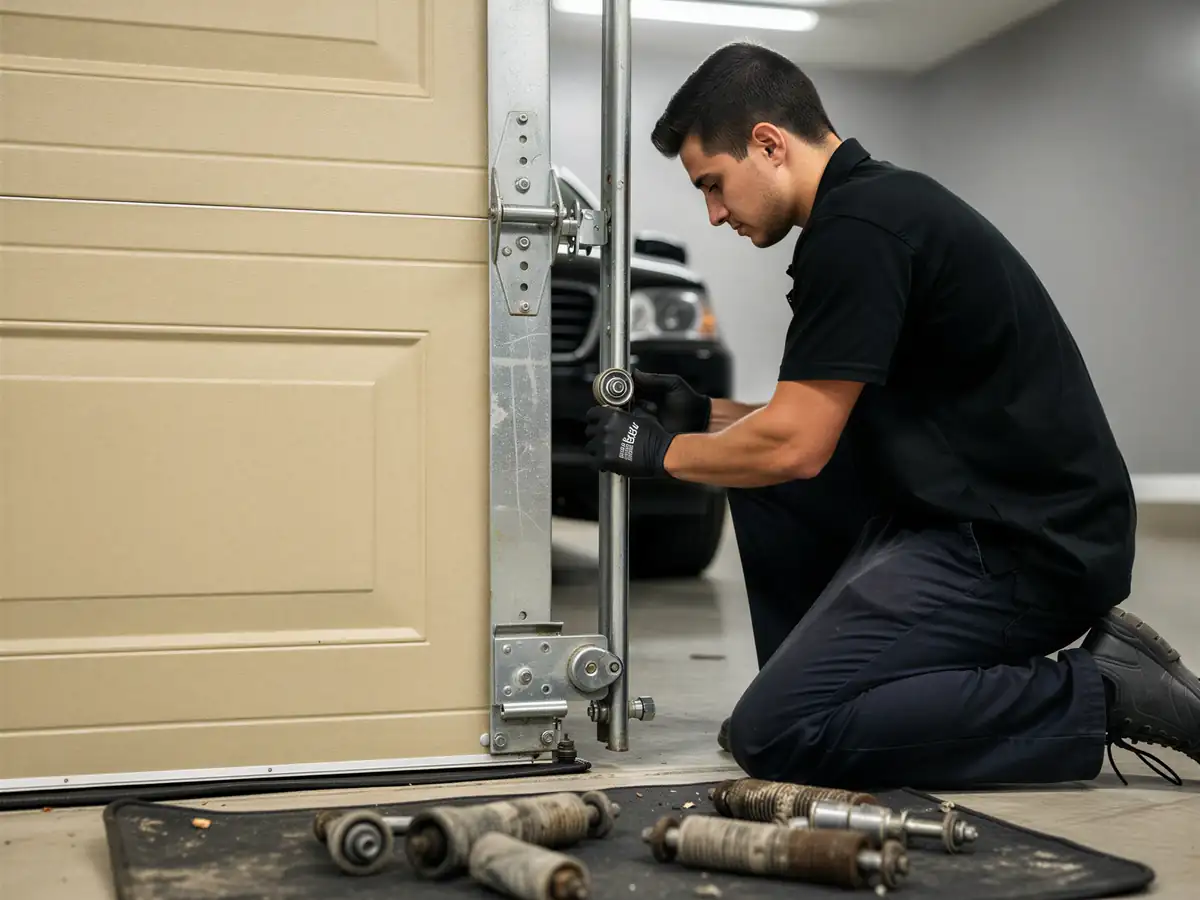
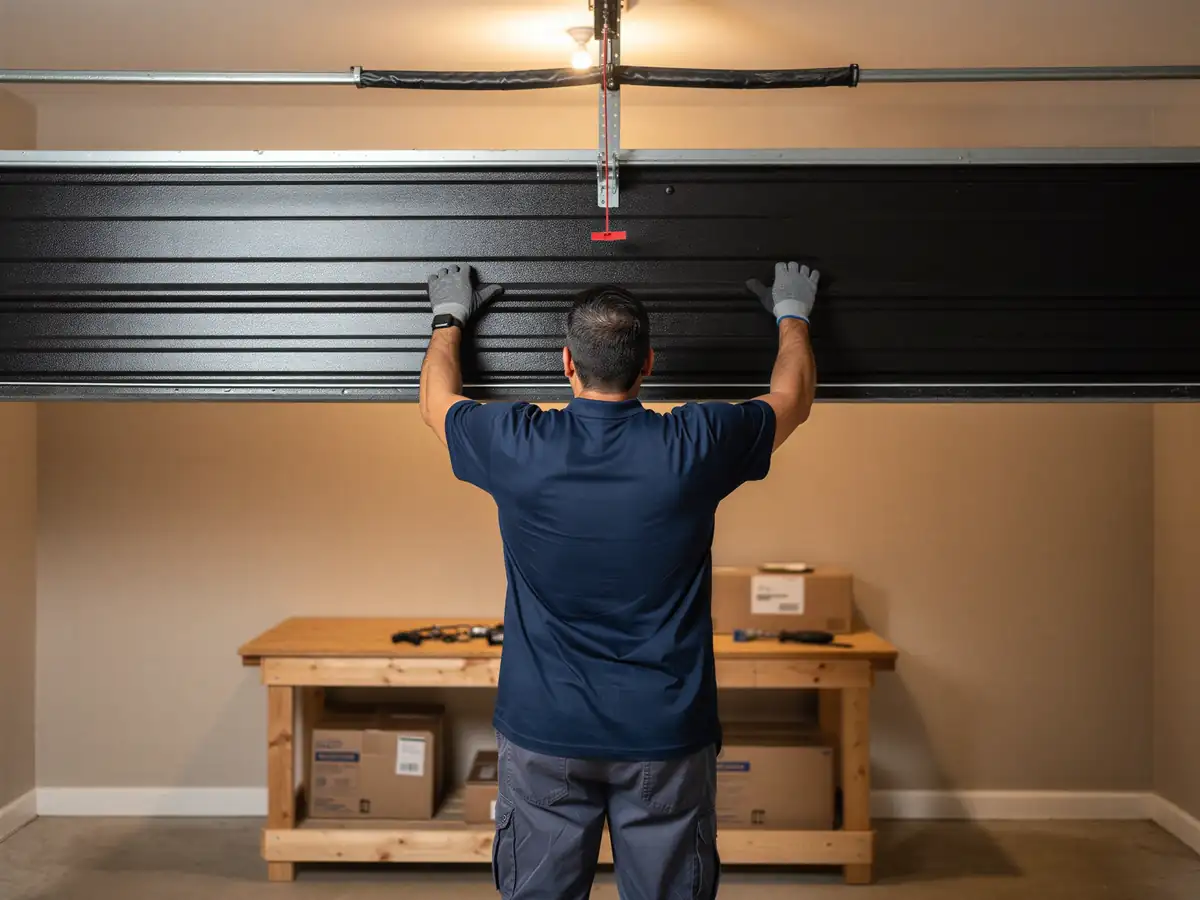
A proper install starts with pulling the old door and checking the opening itself - in houses from this era, the framing is often slightly out of square, and a new door has to be shimmed and leveled to it rather than assumed to drop straight in. We size the new torsion spring to the actual door weight, not a generic chart number, which matters more here than in a milder climate since cold makes steel springs more brittle and less forgiving of a wrong count.
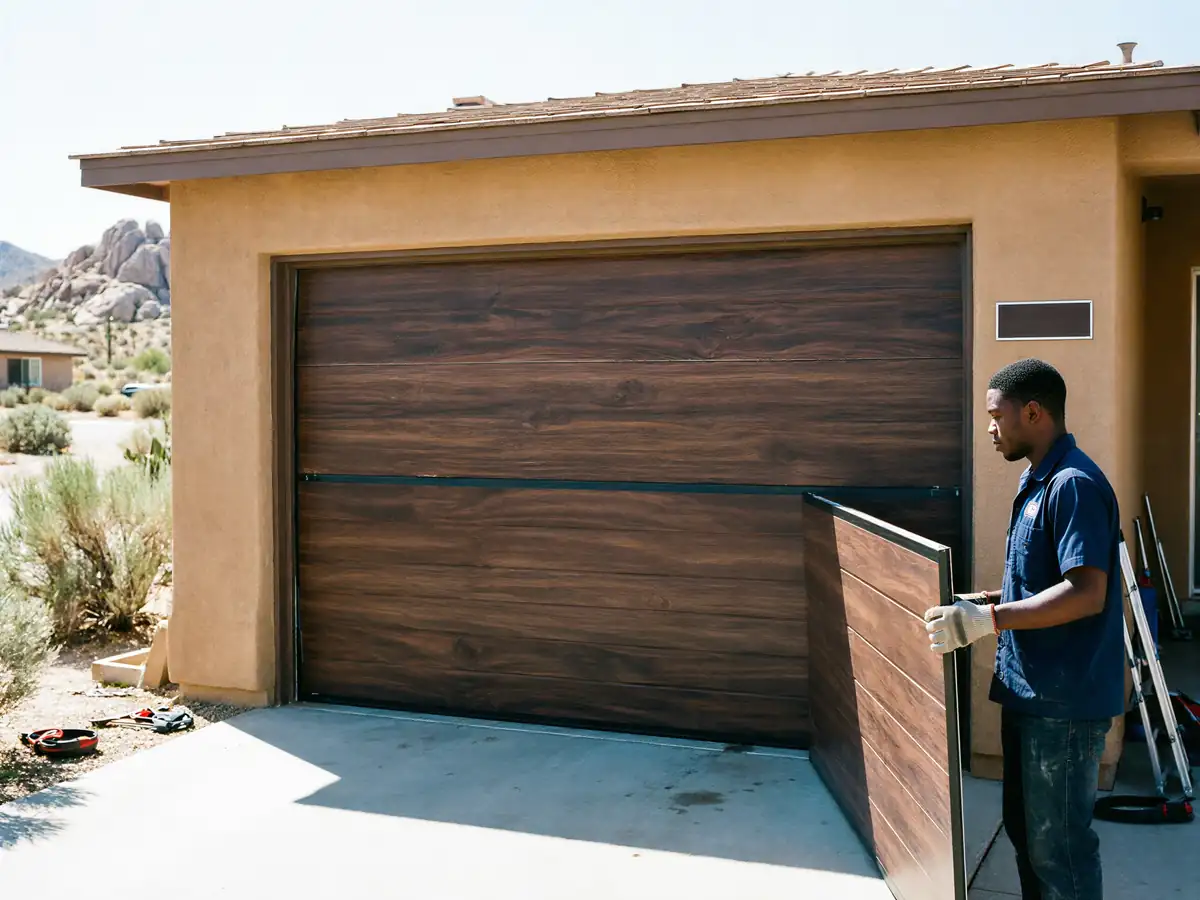
For a cold-climate install like this, we lean toward insulated sections and a weather-sealed bottom track rather than the single-layer panel the house likely came with. That's a judgment call based on what actually survives a hard Tahoe-basin winter, not an upsell - a non-insulated door will do the same thing the old one did, just newer.
One honest limit: if the opening itself is out of square beyond a certain point, or the framing's rotted from years of snowmelt runoff, that's carpentry work outside a door install, and we'll say so rather than force a door into a bad frame.
How Long You Are Without the Door
Because the door comes down before the new one goes up
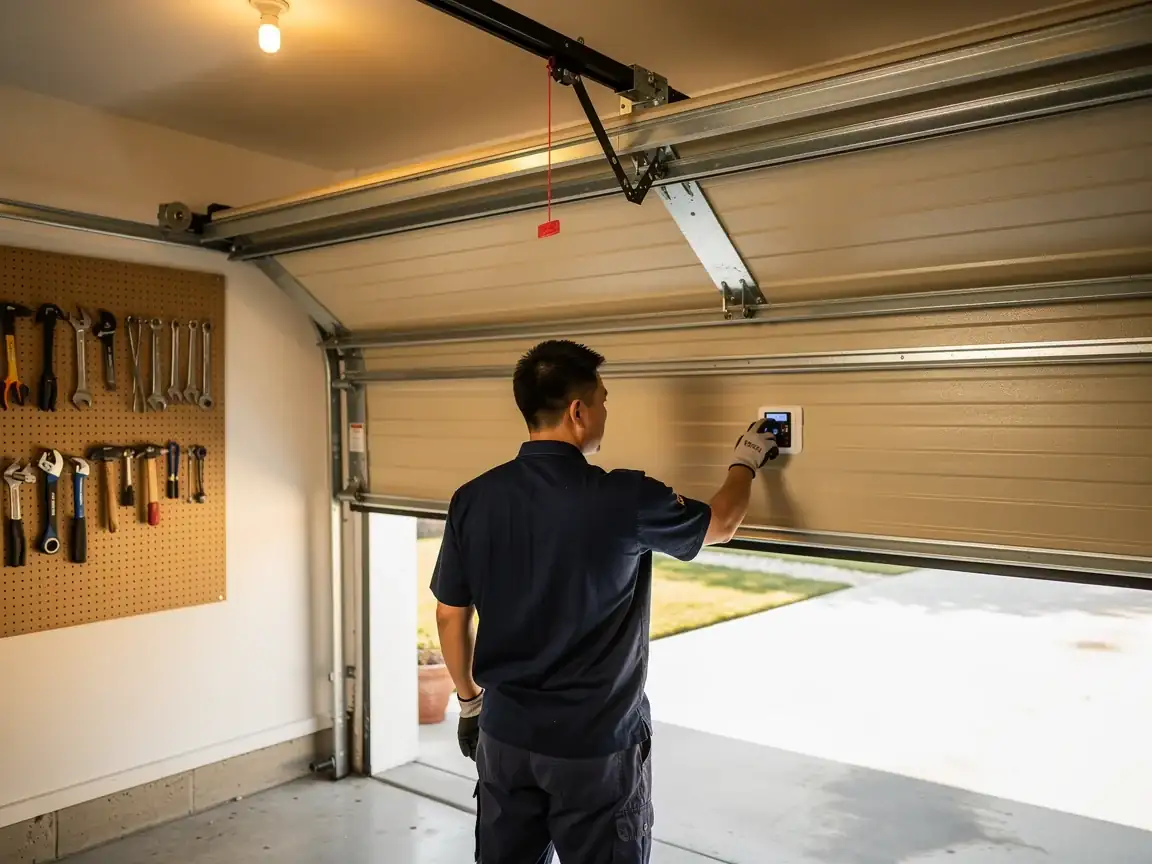
You're without a working garage door for the stretch of the install itself - typically the better part of a day once the old unit, track, and spring assembly are out and the new door is hung, balanced, and the opener reprogrammed. We don't leave an opening uncovered overnight in this climate; if a job runs long or a part doesn't fit right, we'd rather finish it properly on a return trip than rush a door into a frame that isn't ready, especially with the cold this area sees.
With 743 households in Meyers and a median income north of $101,000
Most of the installs we see here are full replacements rather than patch jobs - people choosing to do it once, correctly, rather than nurse a 1978-era door through one more winter. That's a reasonable call given what a severe-cold climate does to a non-insulated panel over time.
- 743 households