Why It Happens Here
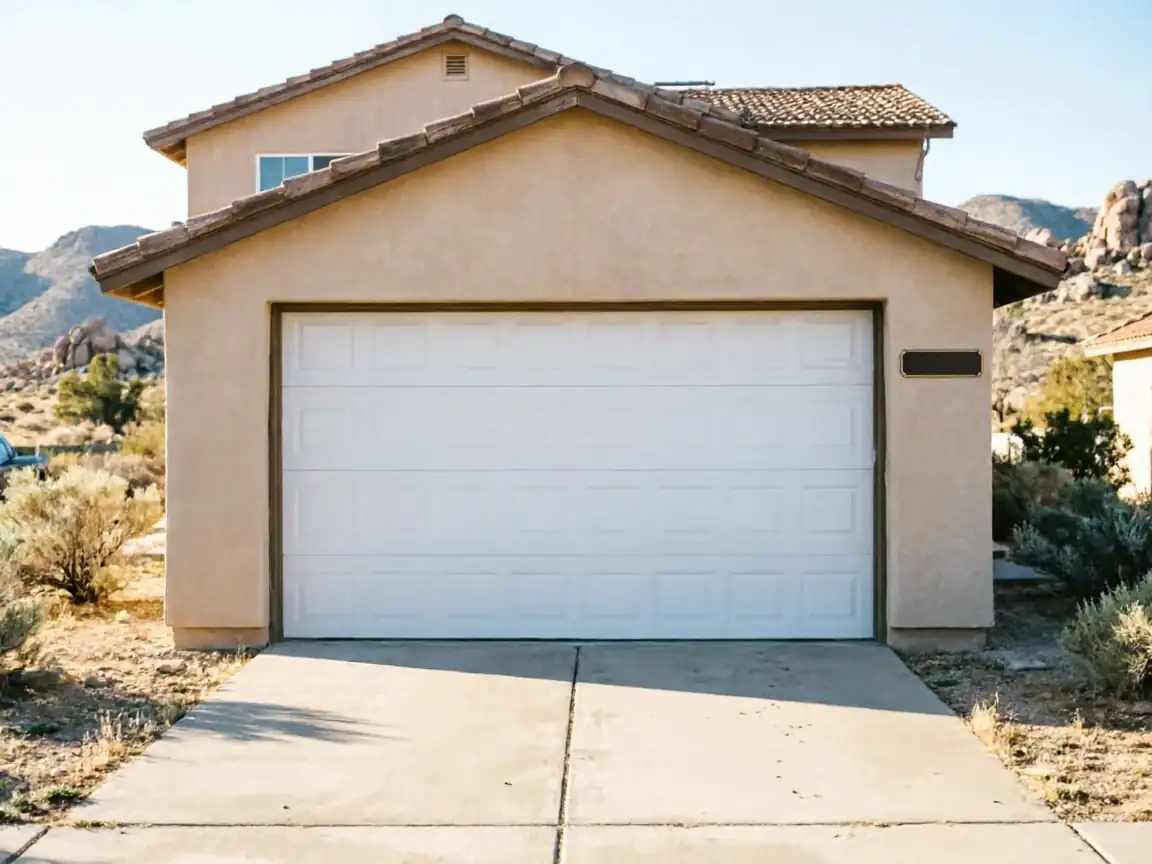
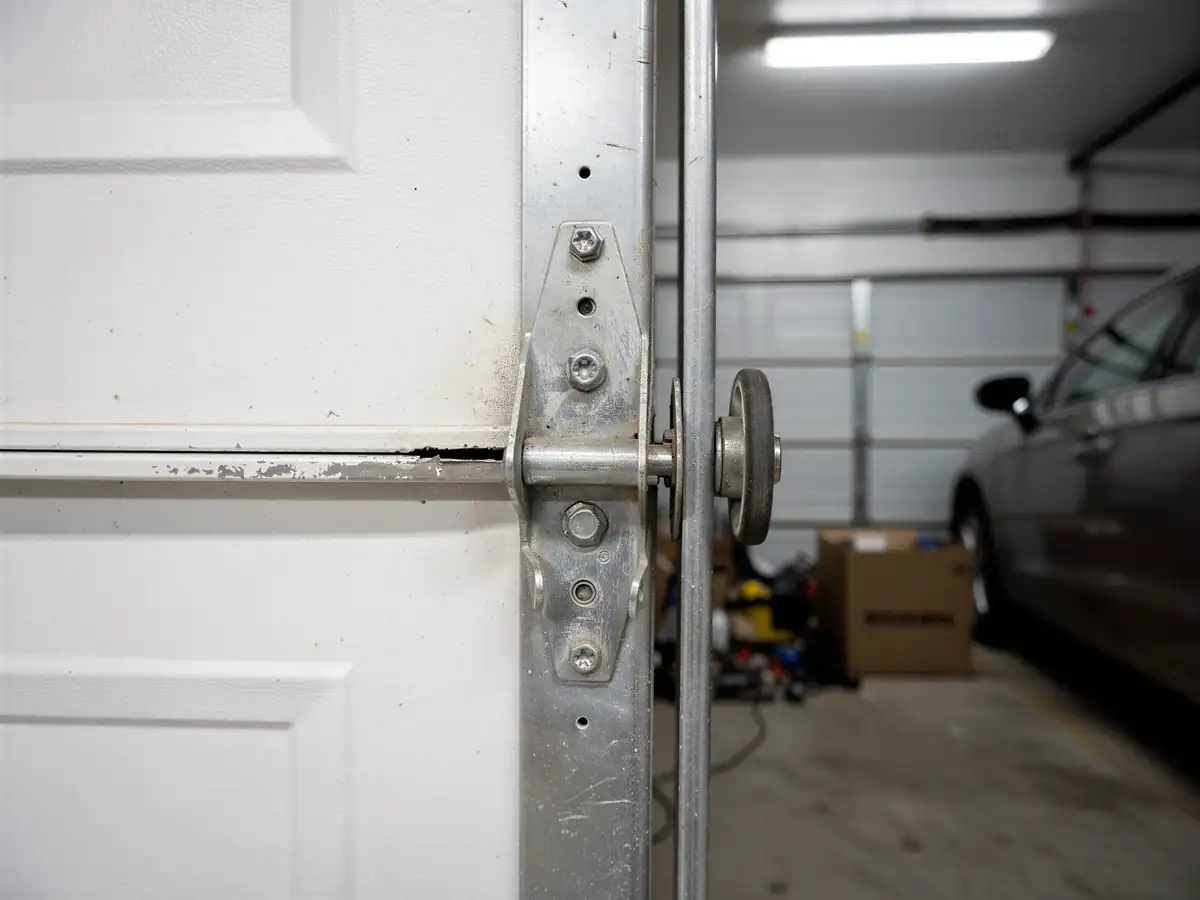
The median year built in Meyers lands around 1978, which puts a good share of these garage doors on original hardware or a first-generation replacement from the 80s or 90s - steel rollers on steel stems, no nylon, no sealed bearings. That hardware was fine for its decade, but steel-on-steel rollers wear a groove into the track over time, and in a cold-climate area that wear accelerates: condensation inside an unheated garage corrodes the roller stem, the metal contracts in hard freezes, and what was a smooth roller becomes one that binds and grinds every cycle. This region sits in a severe cold climate band, and that's the detail that actually drives the failure here - not humidity, not salt air, just repeated freeze and thaw working on old steel. Nylon rollers don't solve for income or home value; they solve for exactly this. A door built in 1978 and never upgraded is usually carrying its third decade on the same roller set, and at that age the track itself often shows the wear pattern before the homeowner notices the noise.
What the Repair Takes
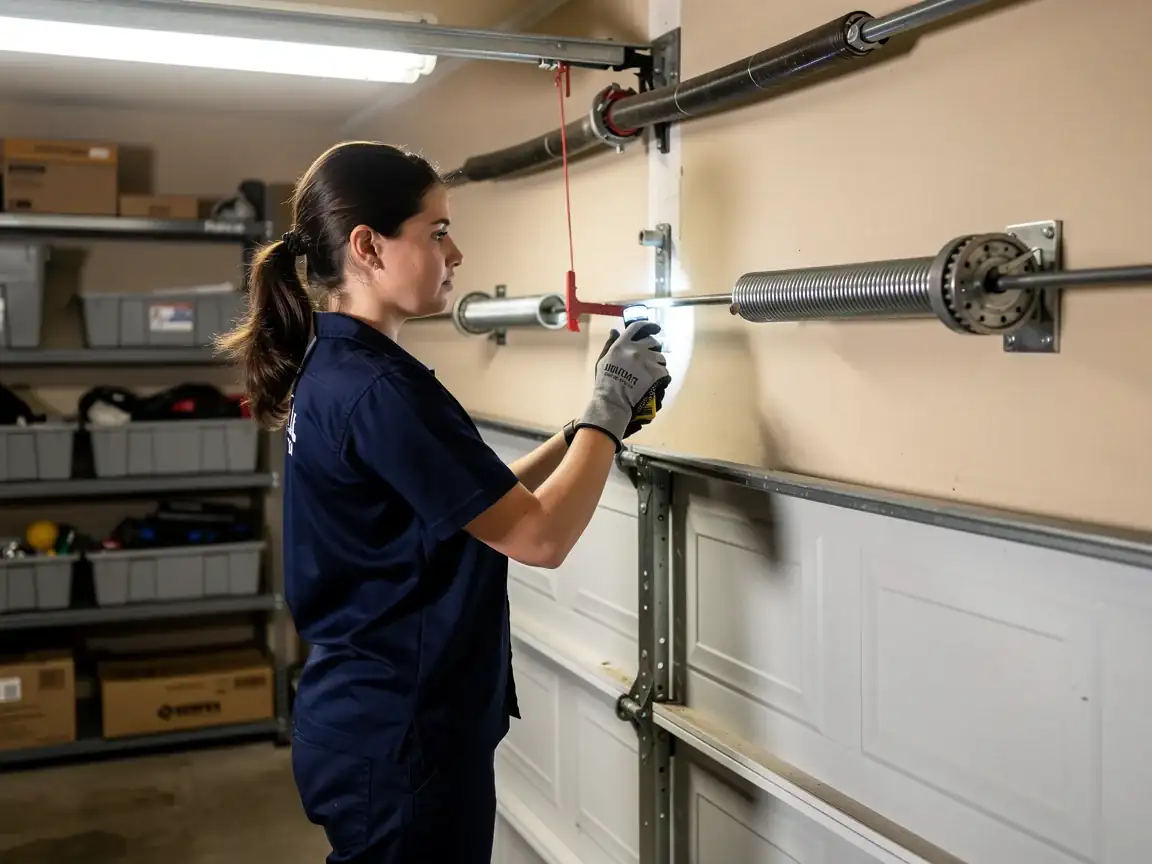
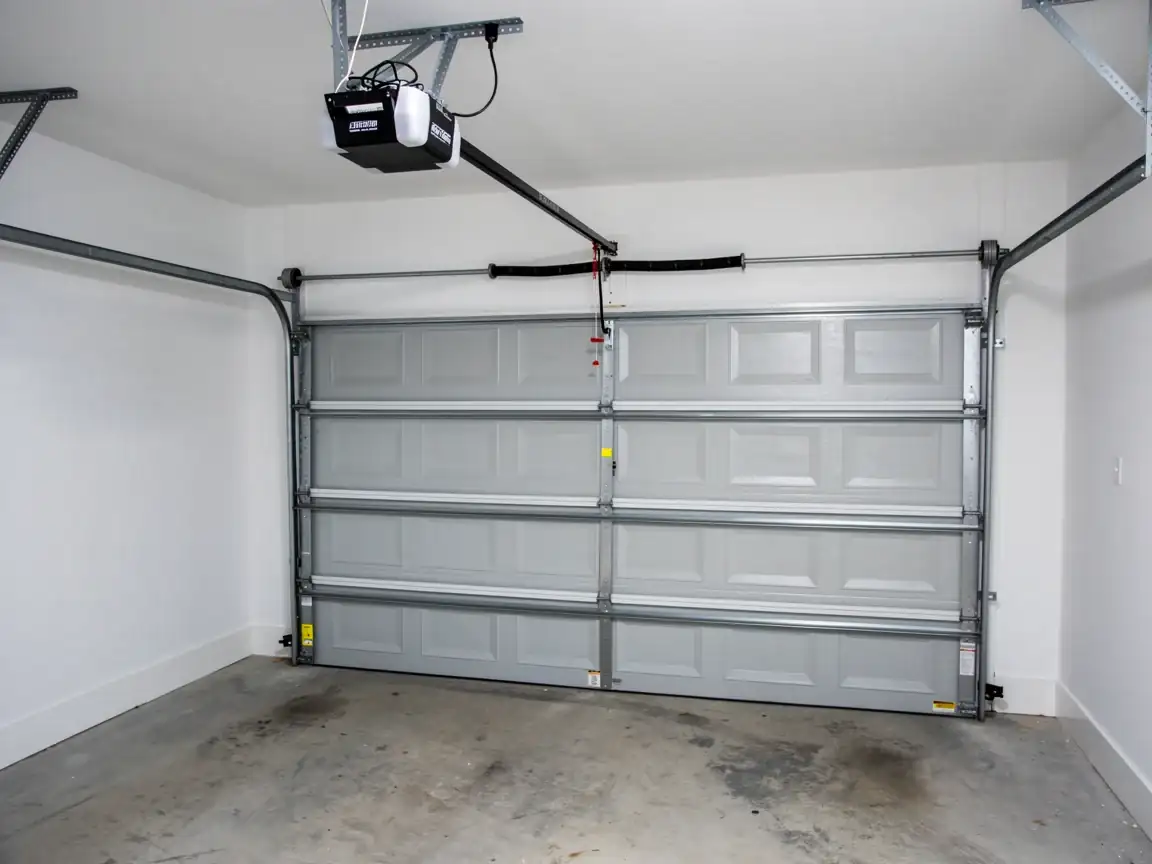
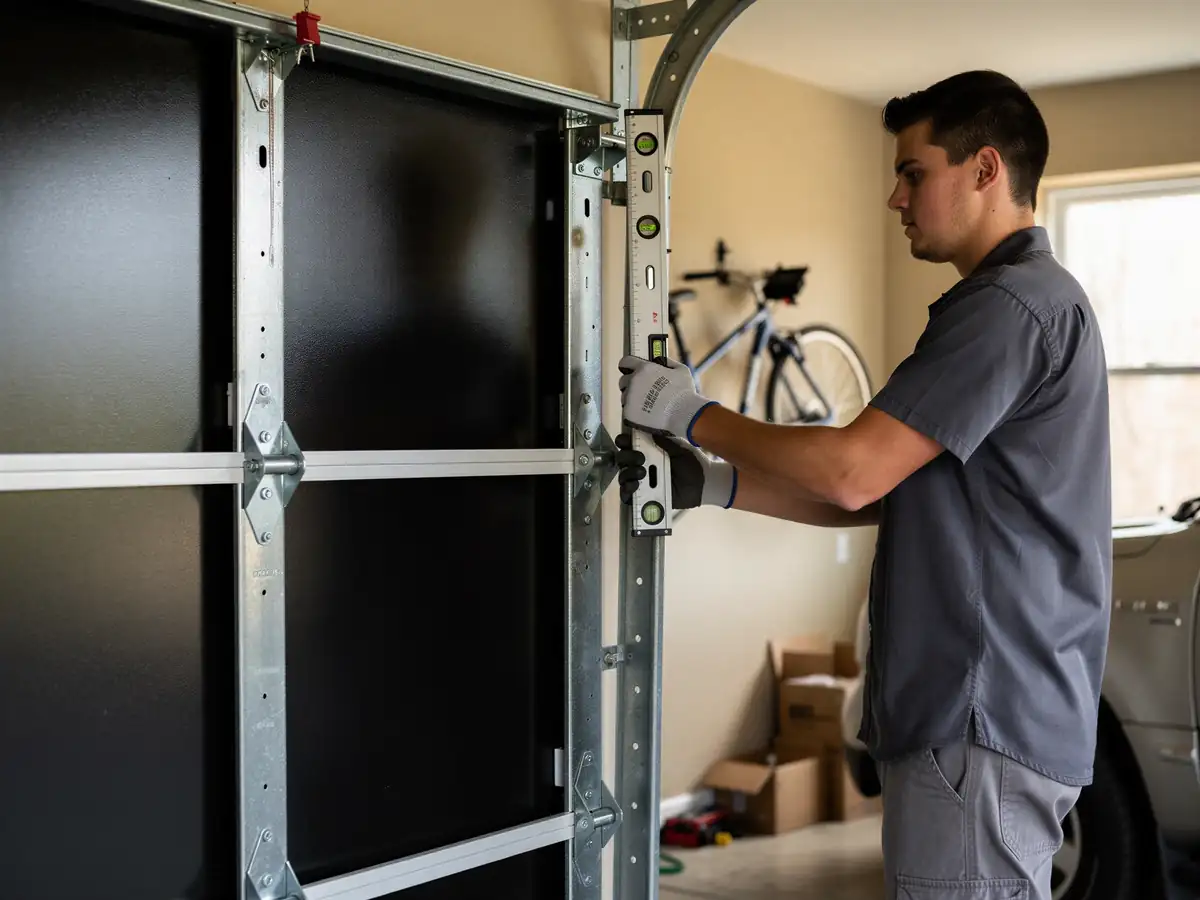
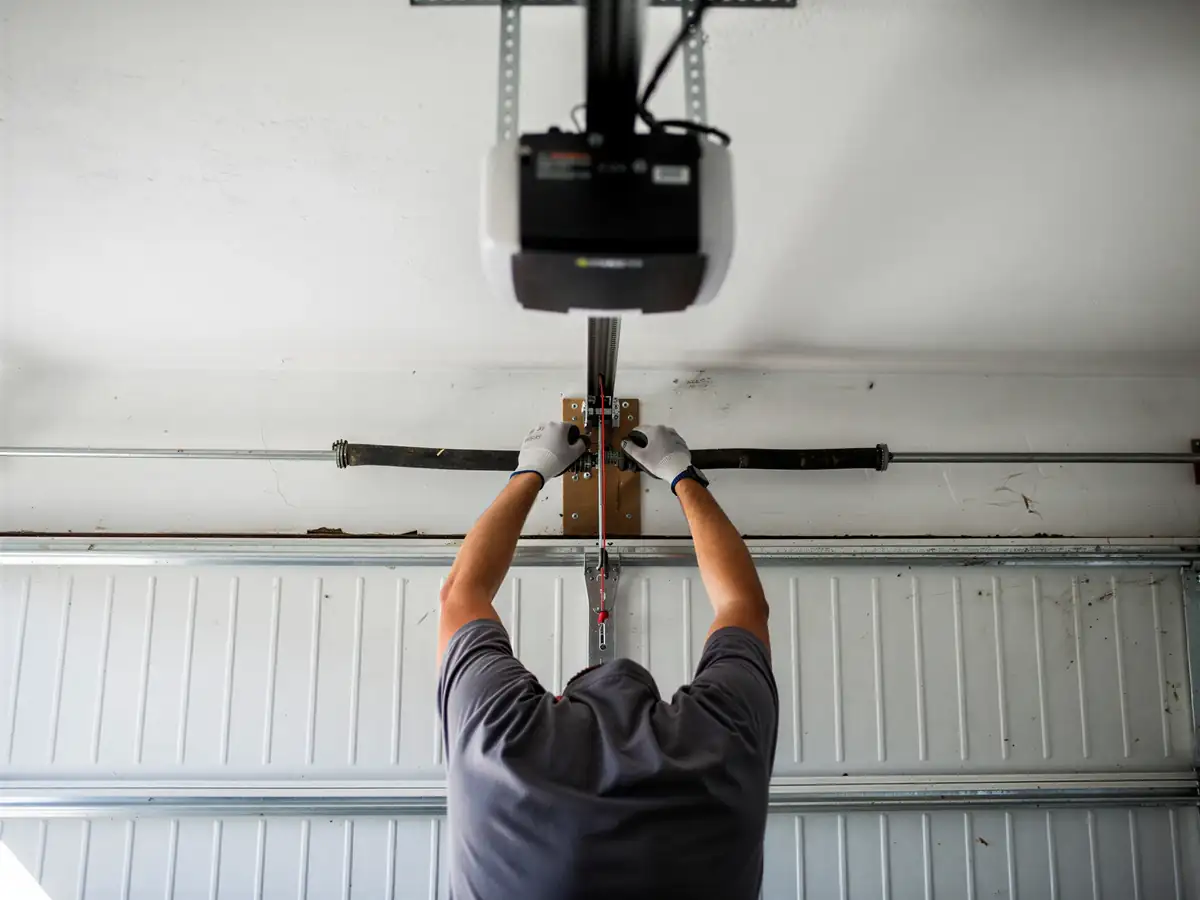
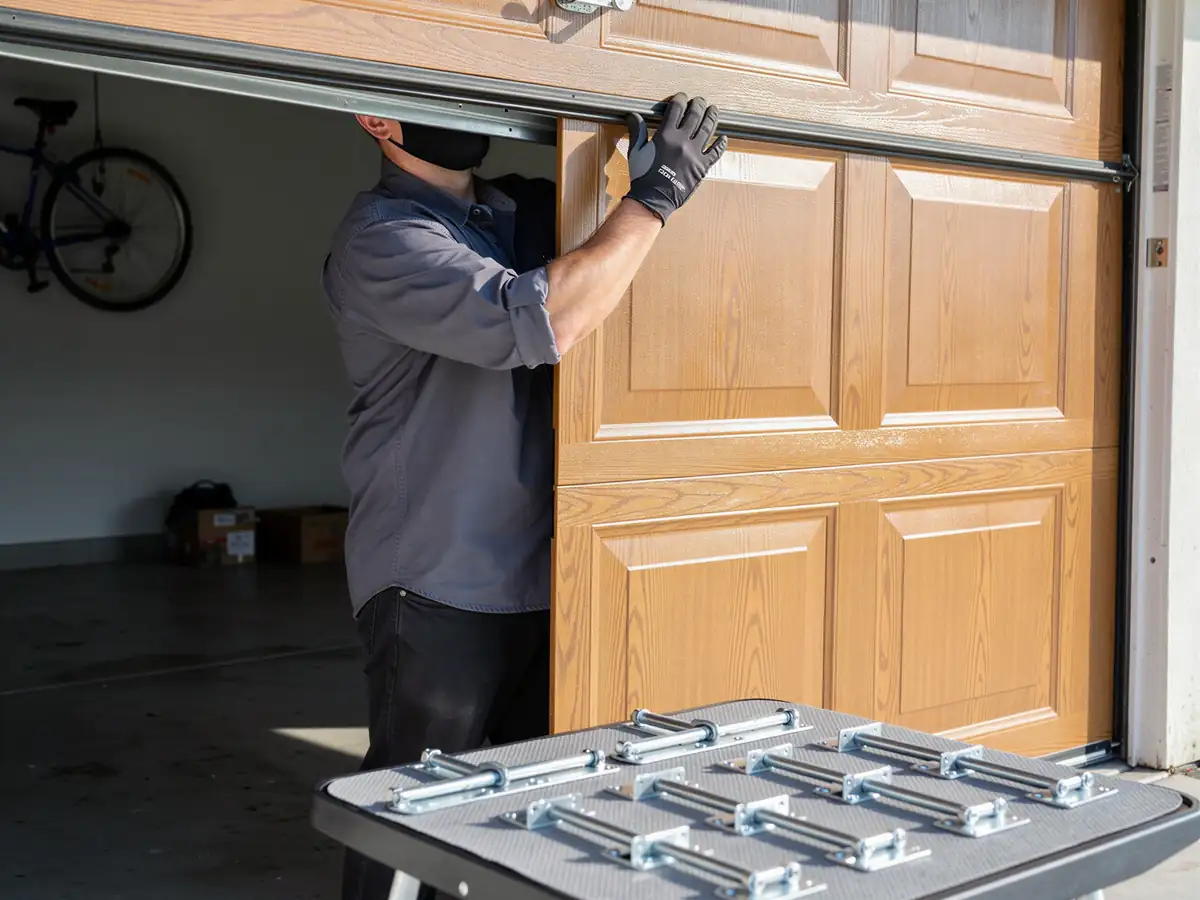
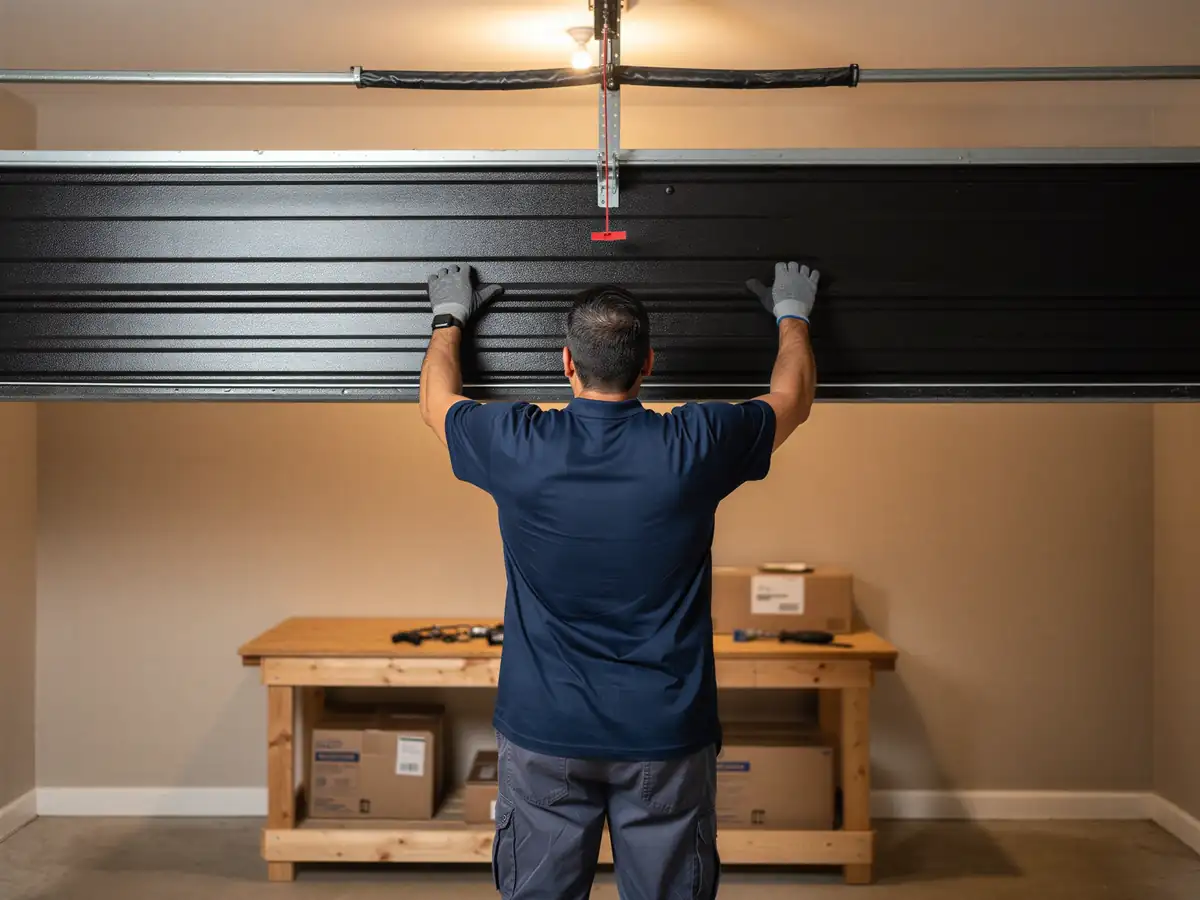
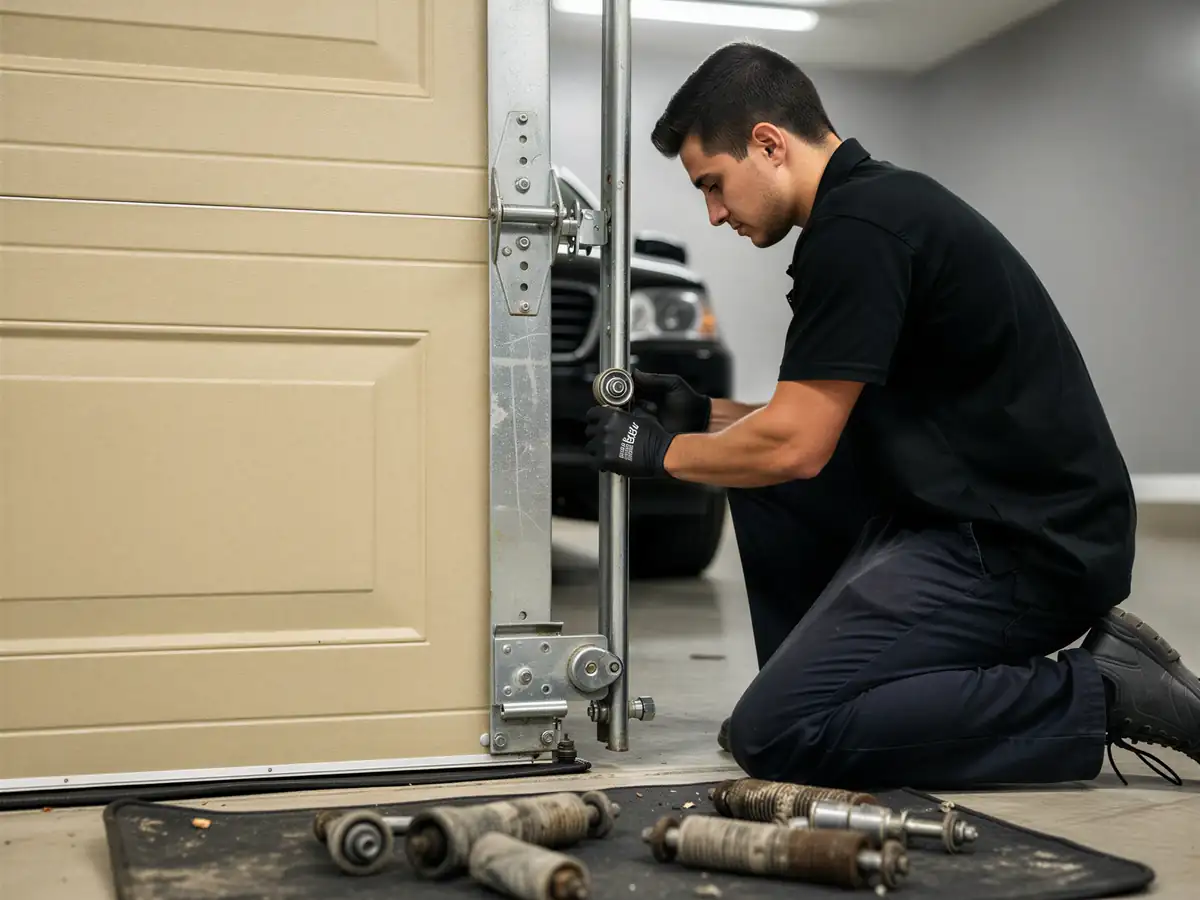
Roller replacement on a standard double or single door is a bracket-by-bracket job - pop the roller out of the hinge or end bracket, swap it, move to the next, usually ten rollers total on a double door. If the track shows the groove wear that old steel rollers leave behind, that gets flagged too, because new rollers in a worn track will still bind. For a 1978-era door in Meyers we're typically swapping steel for nylon with sealed bearings, since nylon handles the freeze-thaw cycle in this climate band better than bare steel and runs quieter. One thing worth saying plainly: if the track is bent, not just worn, roller replacement alone won't fix the symptom - that's a track job, and we'll tell you that on-site rather than sell you rollers that won't solve it.