How to Book
We run this job out of Carson City
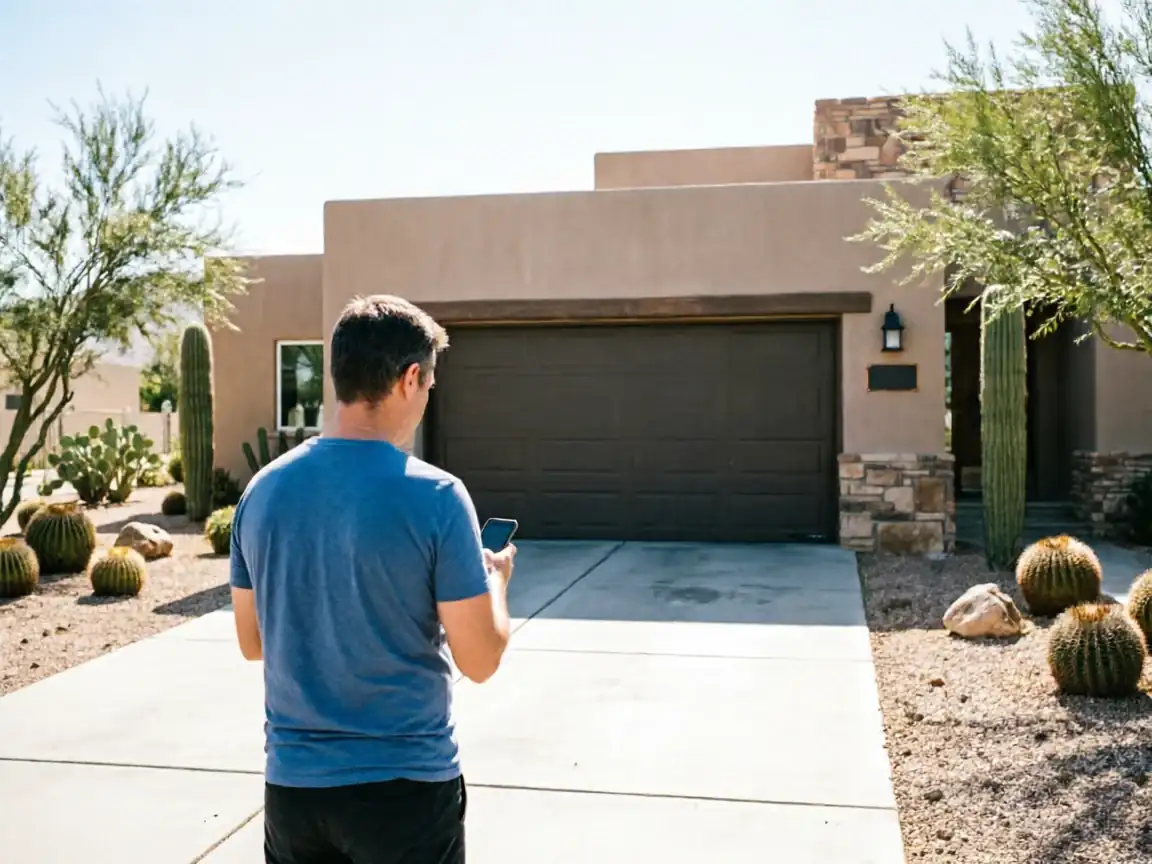
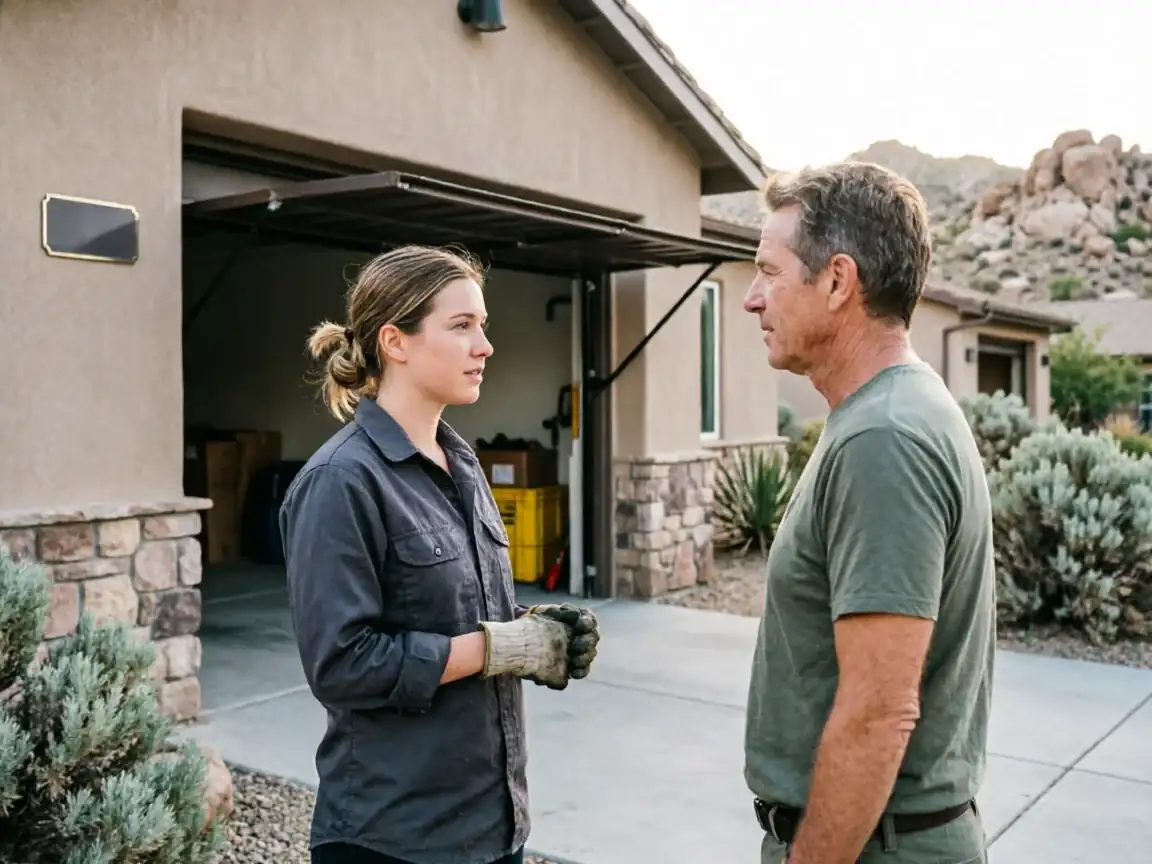
And Meyers sits 26 miles from the shop - one of the longer drives on our route, past several other stops before Markleeville. That means opener installs here get scheduled, not walked-in-on; we don't keep a truck parked in Meyers waiting for calls. When you book, tell us the opener brand if you know it and whether the door still has its original rail and bracket, since that changes what we load before we leave. We don't carry every opener model in stock on the truck, so if you want a specific drive type that isn't common out here, expect a short lead time while we order it rather than a same-day swap.
- 26 miles
Because of the distance, we try to batch Meyers jobs with other calls along the way when the schedule allows it
Which can mean picking a morning or afternoon window instead of an exact hour. If your opener has already failed and the door is stuck down, say so when you call - that moves ahead of a straight install.
Why It Happens Here
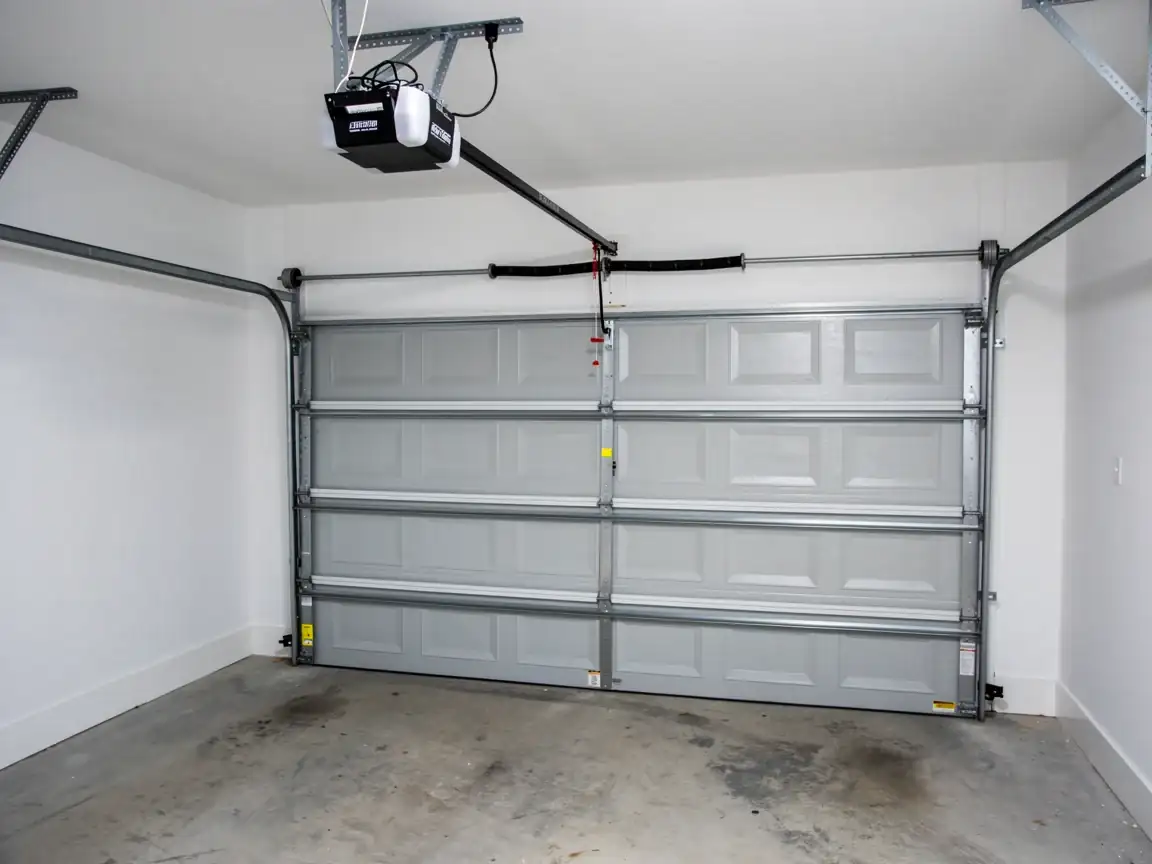
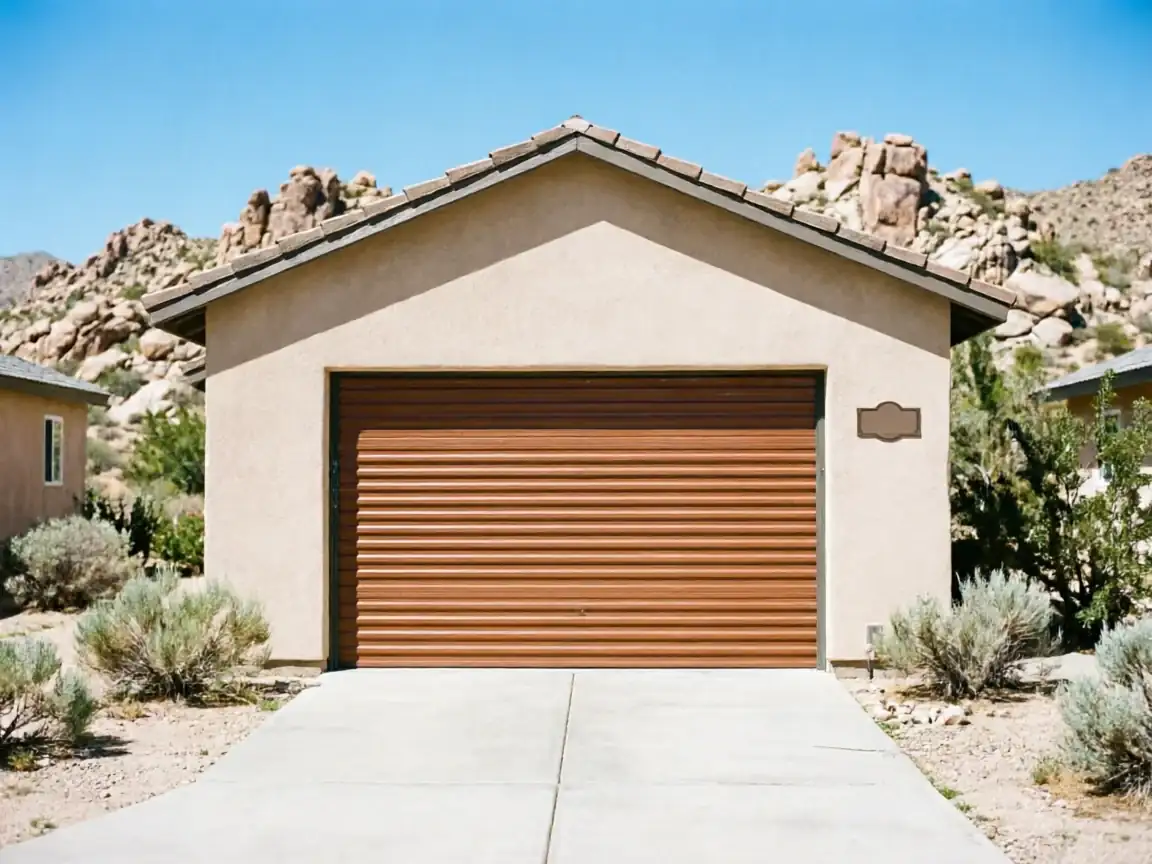
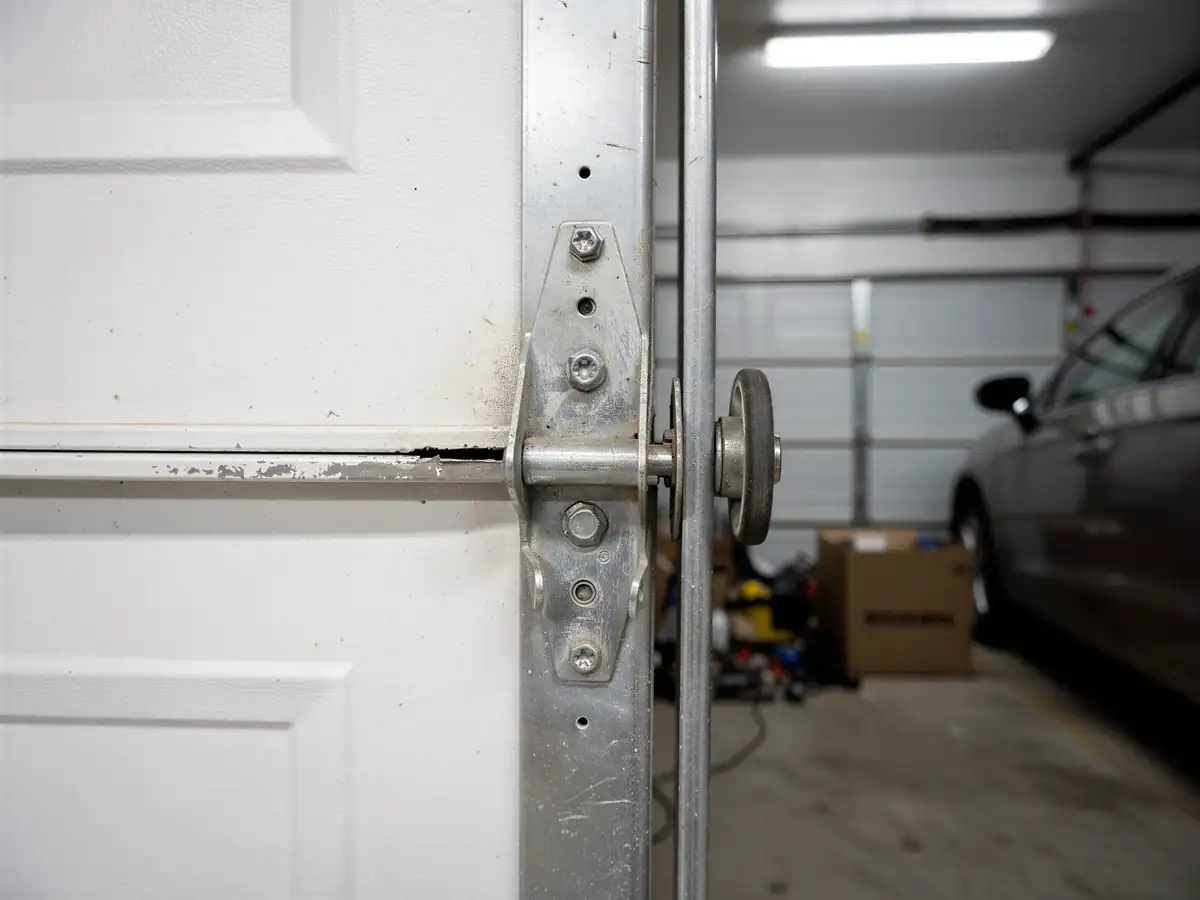
Housing in Meyers mostly went up around 1978, which puts it a few years past the 1960s-70s stock that's common across much of the rest of the service area. That matters for openers: a house built in 1978 usually went up with a chain-drive opener on a wall-mounted bracket and a doorframe cut for a standard torsion setup, not the newer rail-mount or jackshaft styles. A lot of those original brackets are still in the wall. When we swap in a modern opener, the first question is whether that old bracket and header are solid enough to carry the new unit, or whether the wood's dried out enough after four-plus decades that we need to reinforce it before mounting anything.
The other factor is the cold. This stretch of the region sits in a severe cold climate band, and openers here work through a lot of freeze-thaw cycling on the rail and the drive gear over a winter. Lubricant that's fine in a mild climate gums up or thins out here, and we see more belt and chain sag complaints from houses that never had the drive adjusted after the first hard winter following install.
What the Repair Takes
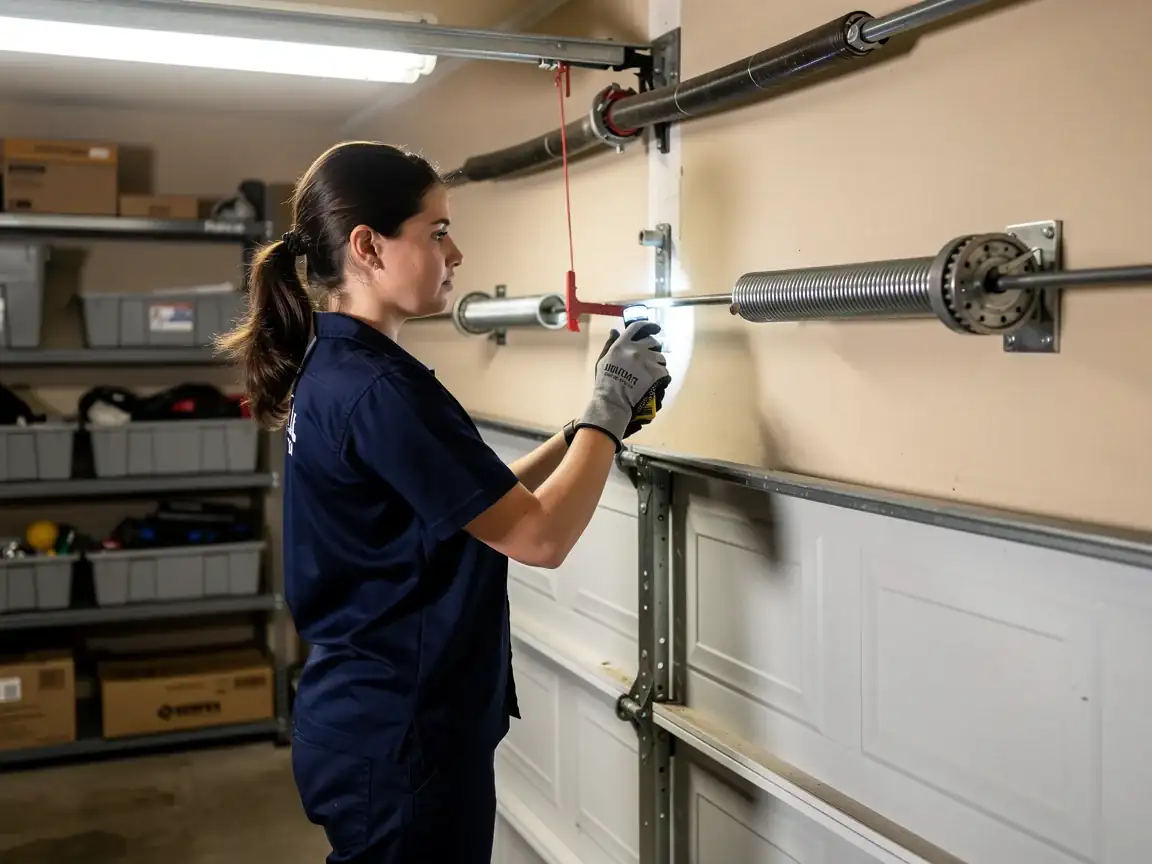
On a straight swap - old opener out, new one in, same rail length, same bracket - we're usually matching a chain or belt drive to whatever header clearance the 1978 framing left us, which is sometimes tighter than what a modern install kit assumes. If the bracket's sound, it's a bolt-in job. If it's not, we add blocking to the header before the new unit goes up, which adds time but isn't optional - an opener bolted to soft wood will work loose and sag the rail within a year, especially with the freeze-thaw cycling this area gets.
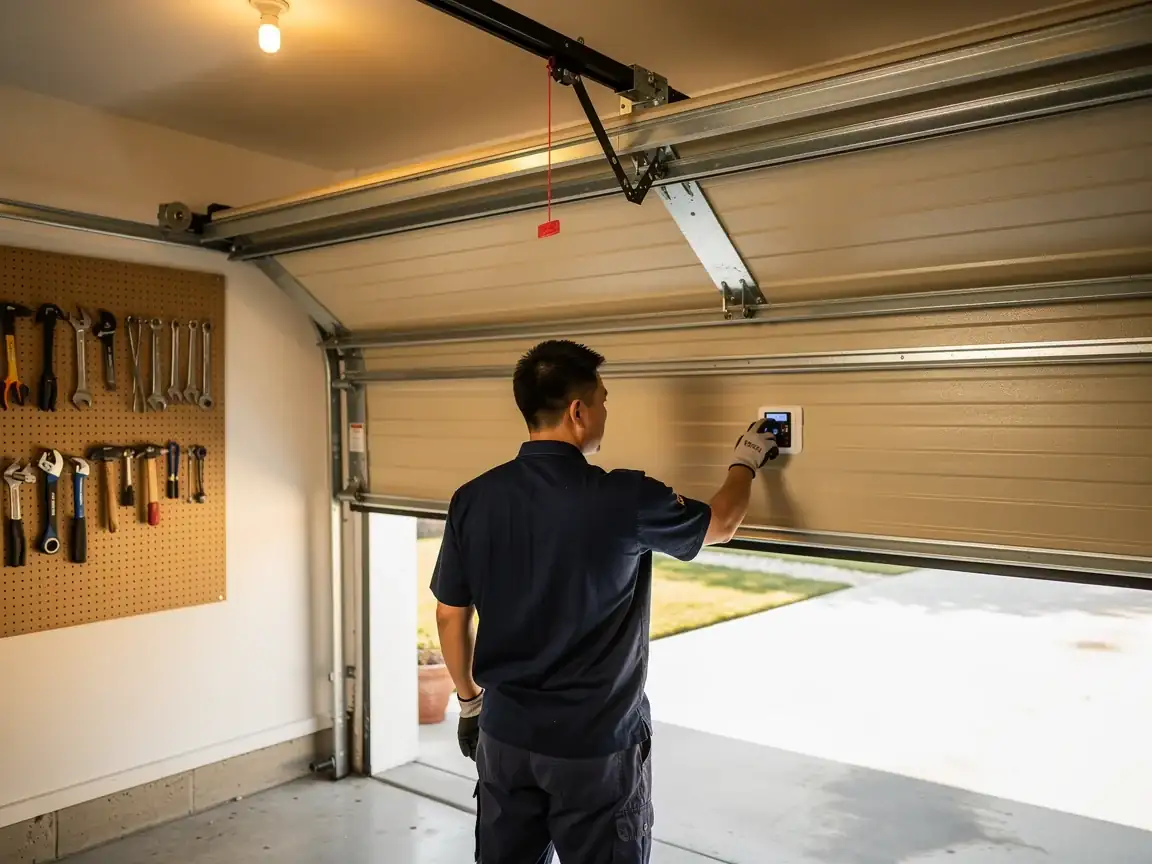
We also check the safety reversal sensors while we're there. Houses from this era often had openers installed before photo-eye sensors were standard, so depending on what's already on the door, this can be a straight opener swap or it can include adding sensor brackets and wiring that weren't there originally. We'll tell you which one it is before we start, not after.
How Long You Are Without the Door
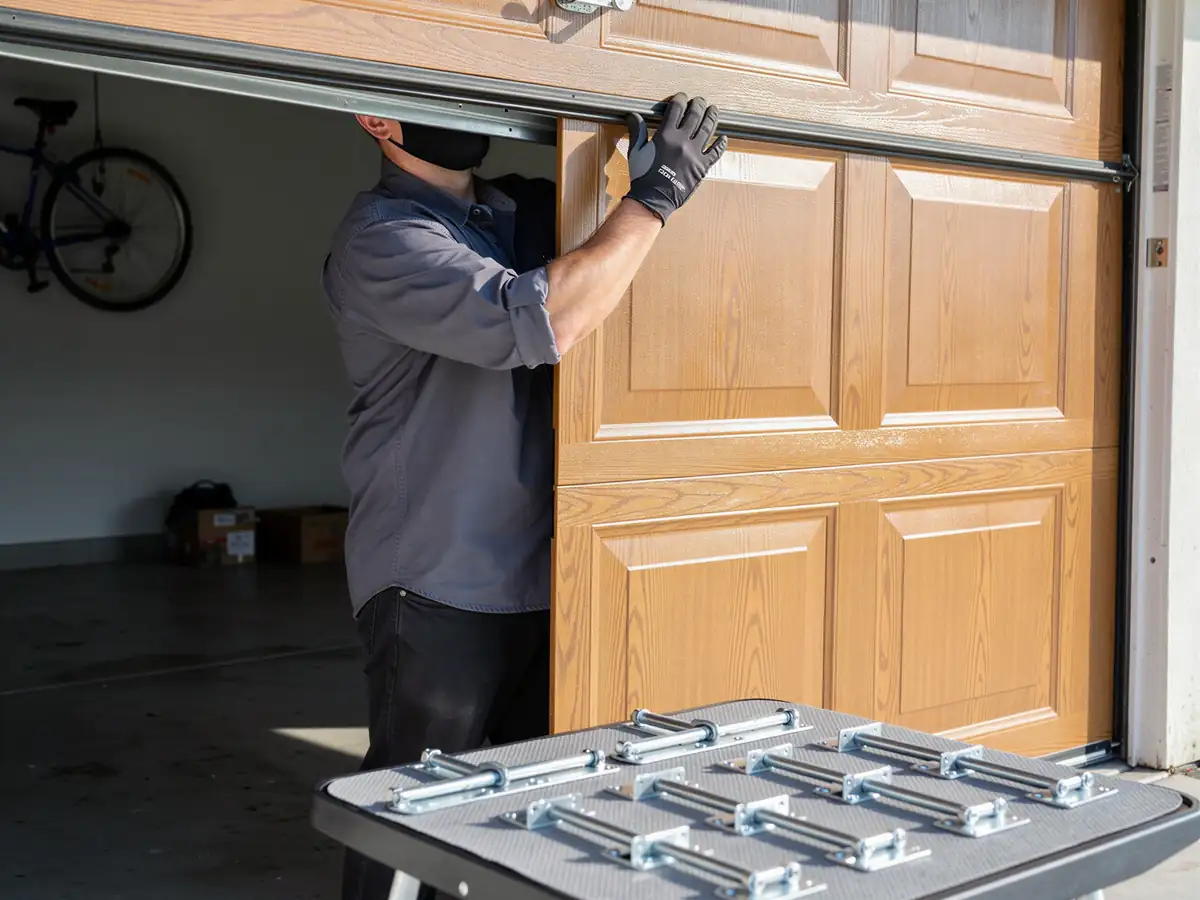
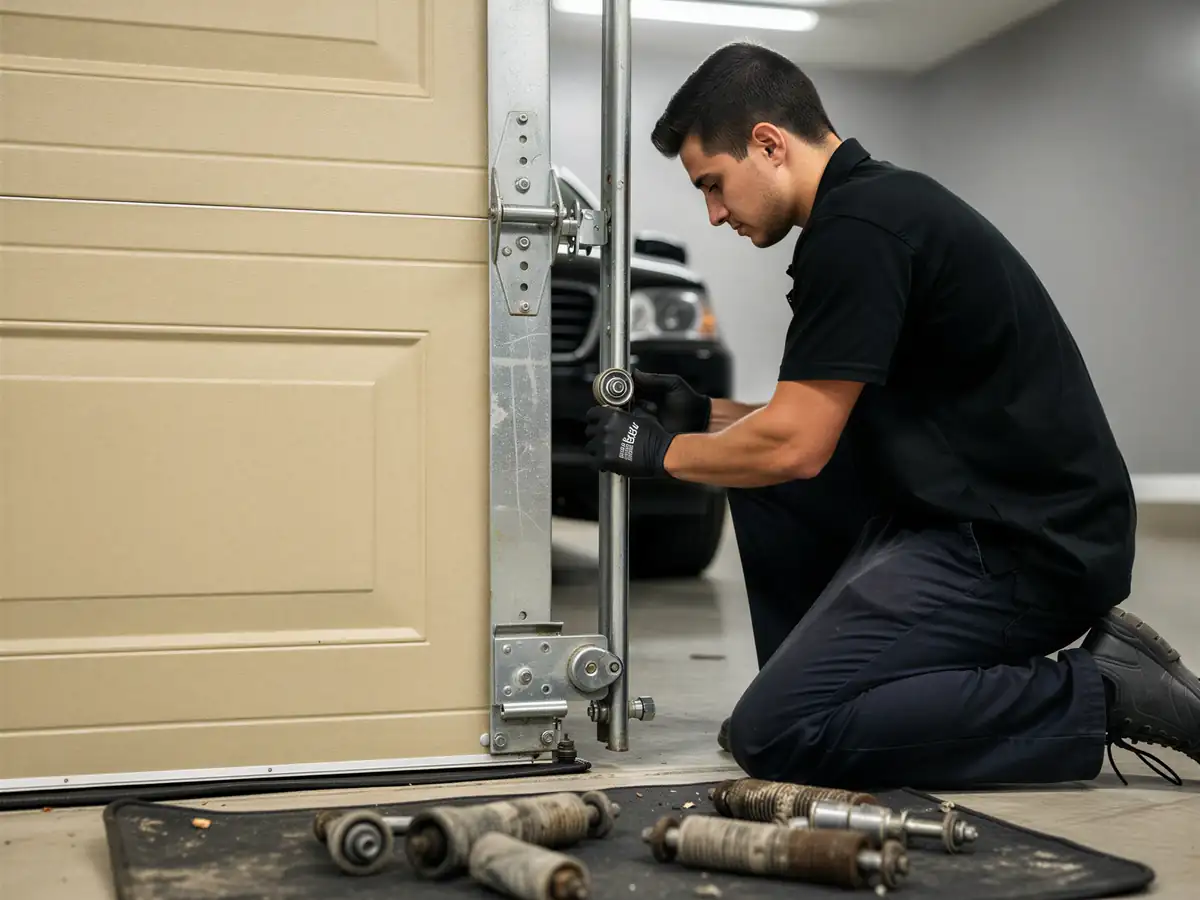
A standard opener swap with a sound bracket and existing wiring runs a few hours once we're on site
Most of that time is mounting, aligning the rail, and setting the travel limits and force settings, not removing the old unit. If we find the header needs reinforcement or the sensors need new brackets, add time for that on top.
The bigger variable for Meyers specifically is the drive itself
Since we're coming from Carson City and this is a 26-mile run, if a part turns out to be wrong or missing once we're on site, the fix isn't a quick trip back to the truck for a spare part at the shop - it can mean a second visit. We try to confirm bracket type and opener model ahead of time on the phone to cut down on that, but for an older house where nobody's sure what's original and what's been swapped once already, it's worth planning for a possible follow-up trip rather than assuming same-day completion.