Why It Happens Here
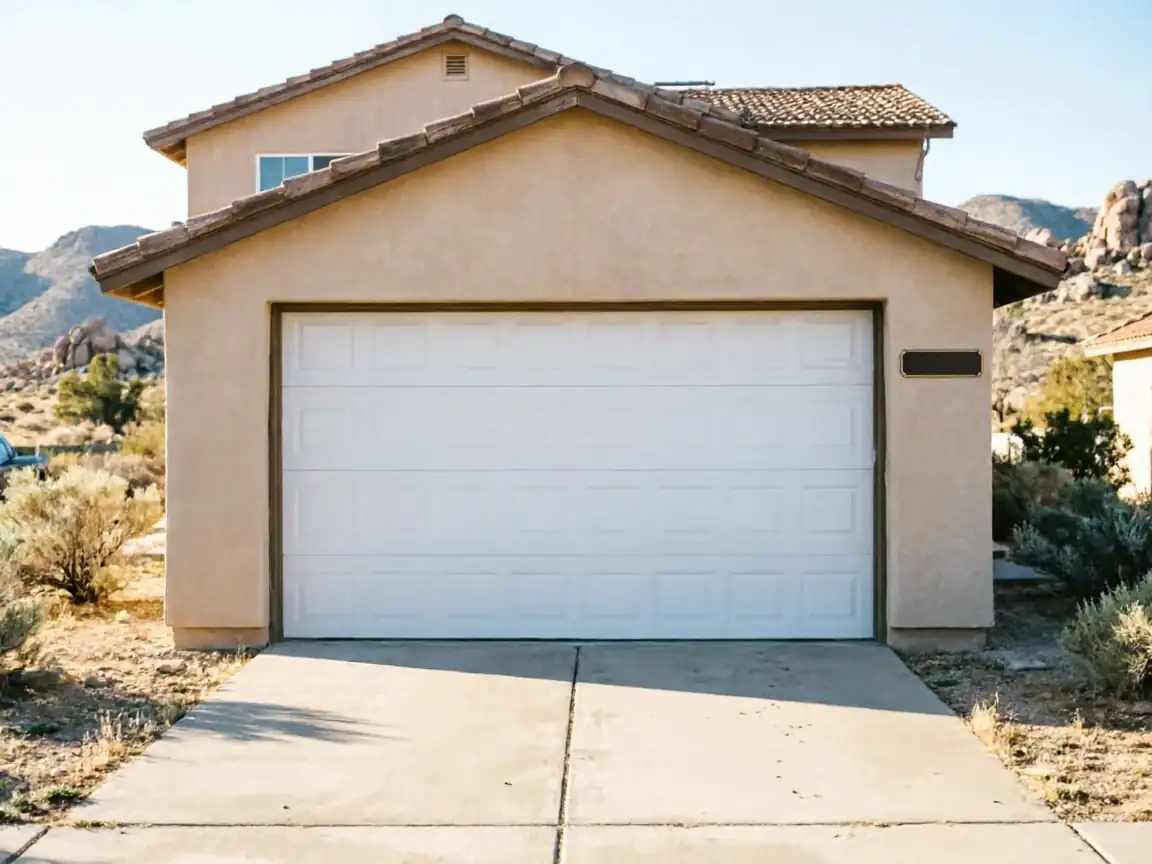
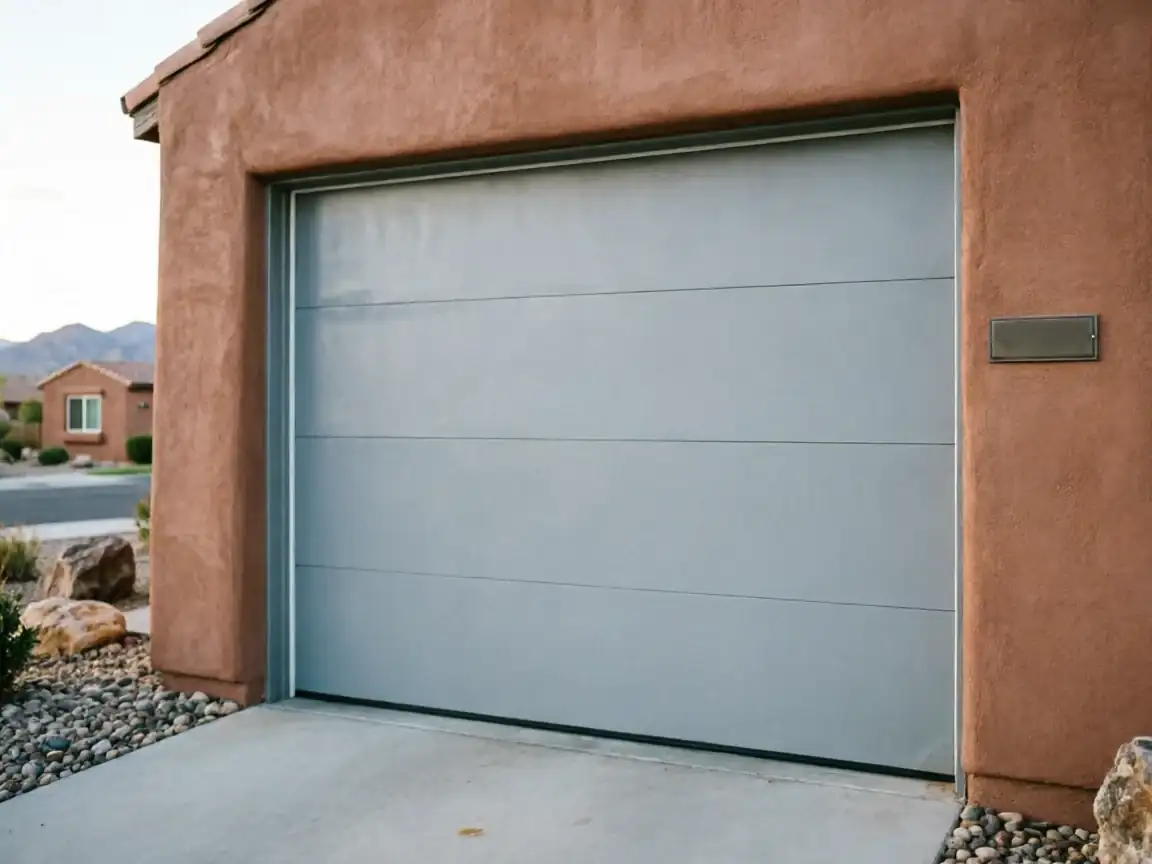
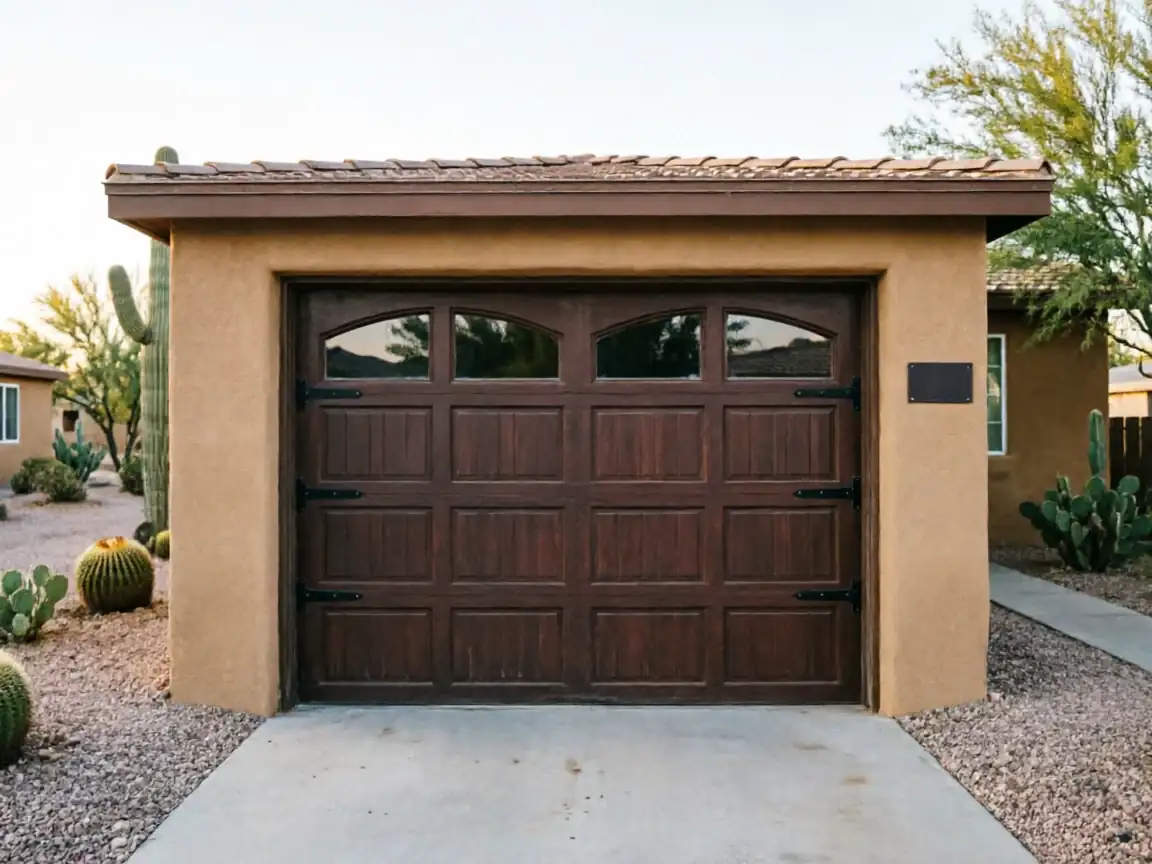
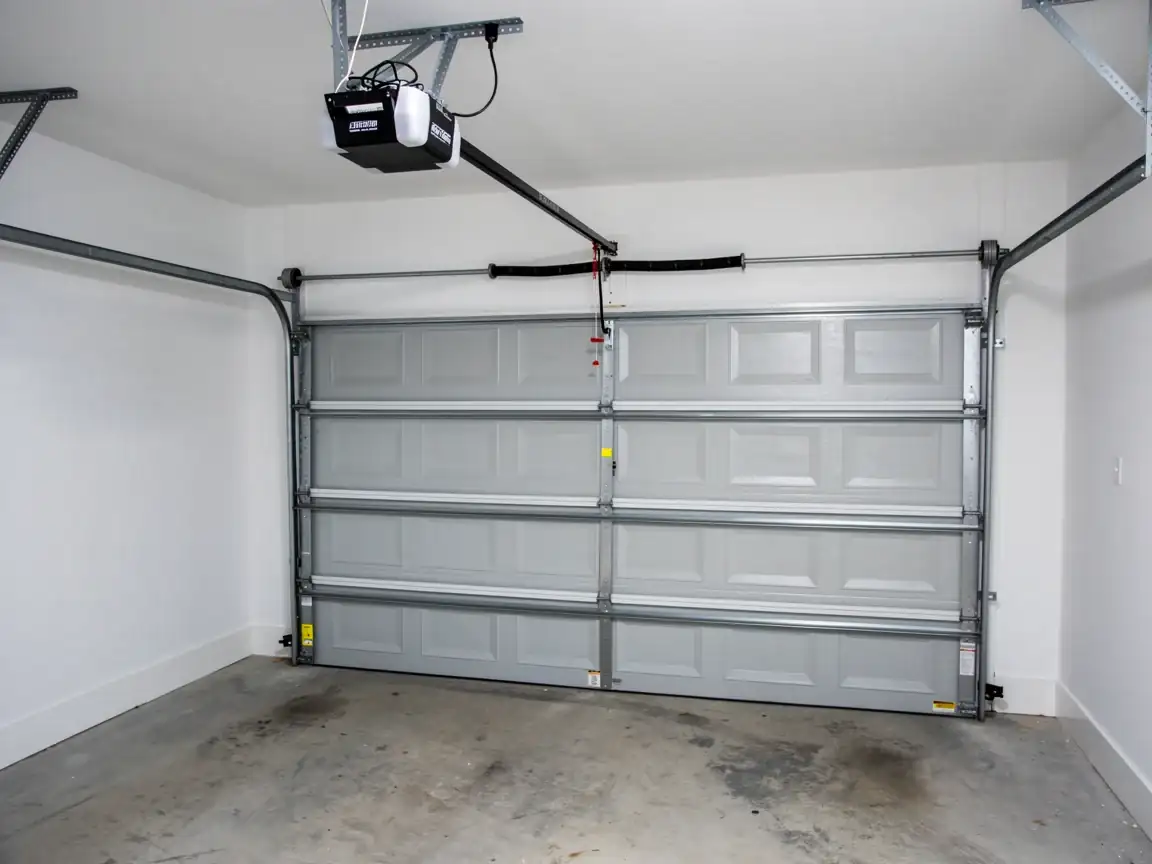
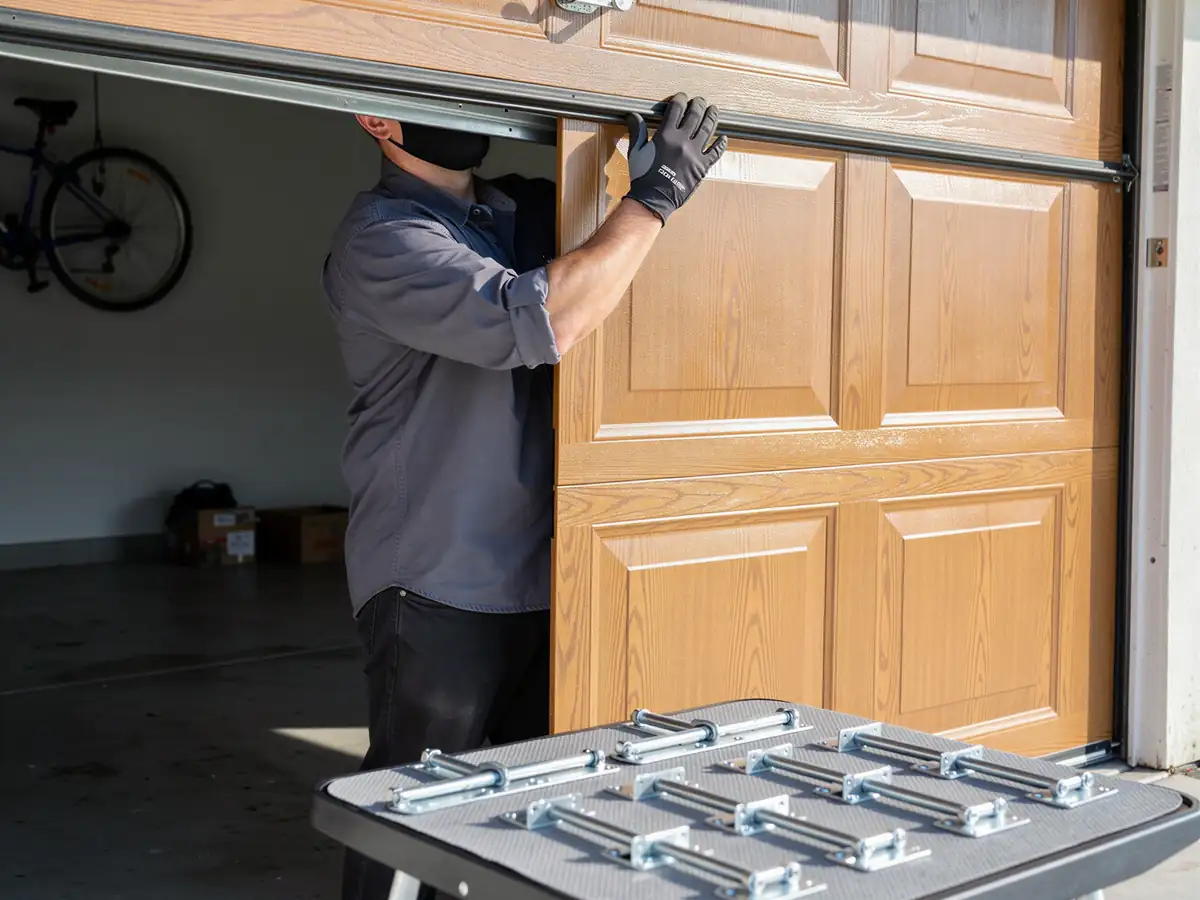
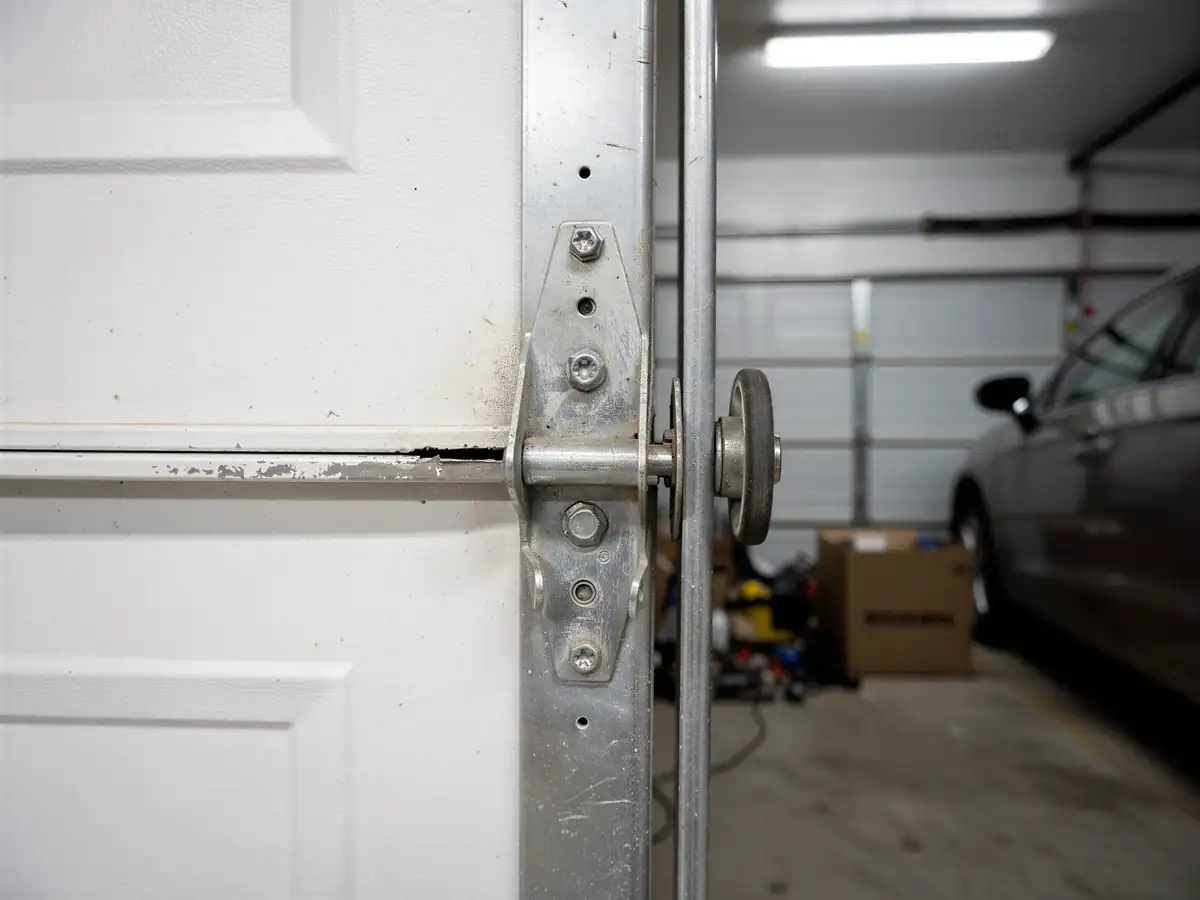
The median home in Meyers was built around 1978, which means a lot of garages still carry the original steel sectional door or an early wood-panel door hung on galvanized steel track with roller brackets fastened straight to the jamb - not the adjustable track hardware that came standard later. Those doors are heavier per square foot than a modern insulated panel, and the track that holds them has usually never been re-shimmed or re-leveled since it went in. Add a cold, severe climate band: hard freezes stiffen the nylon rollers common to that generation, and ice buildup at the bottom track catches the roller wheel and walks the door sideways off the rail. One bent track section on a door that size is enough to pull the whole panel stack out of alignment. It's less about a single dramatic failure and more about 45-year-old hardware meeting a cold snap it was never adjusted for.
What the Repair Takes
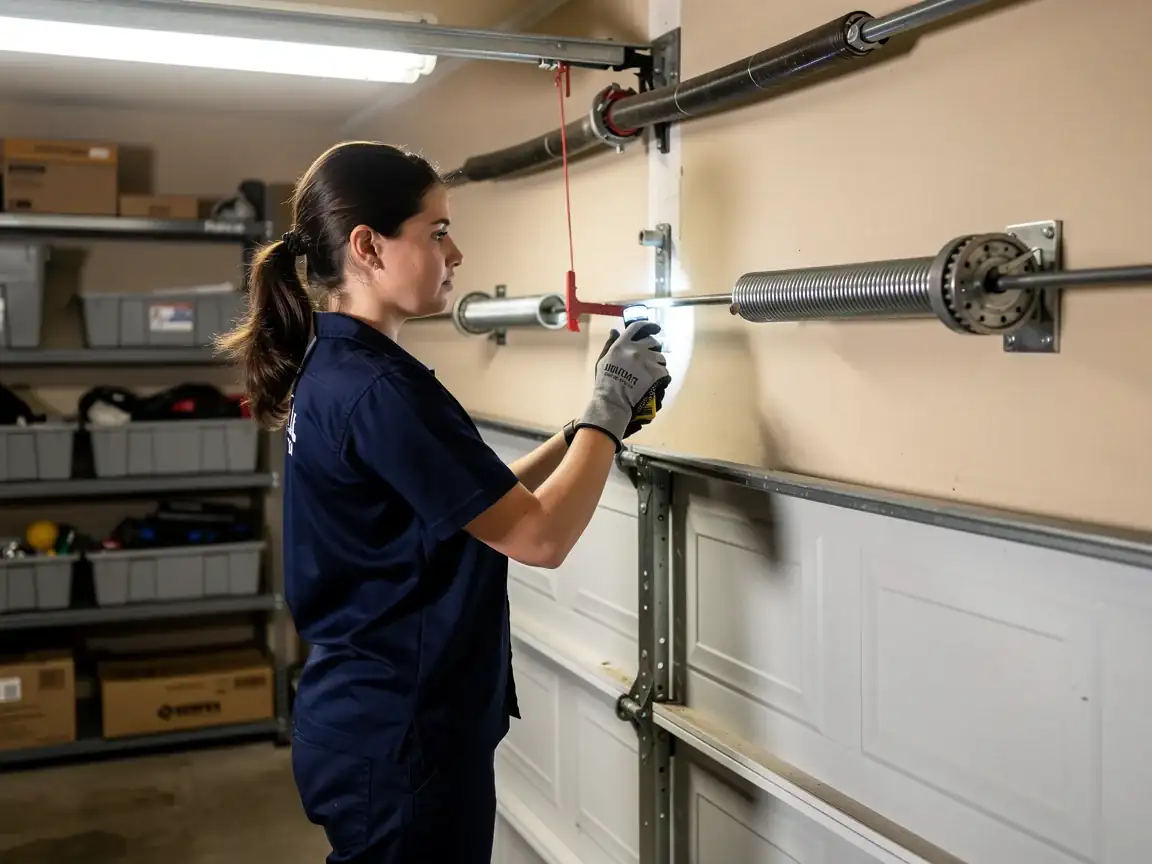
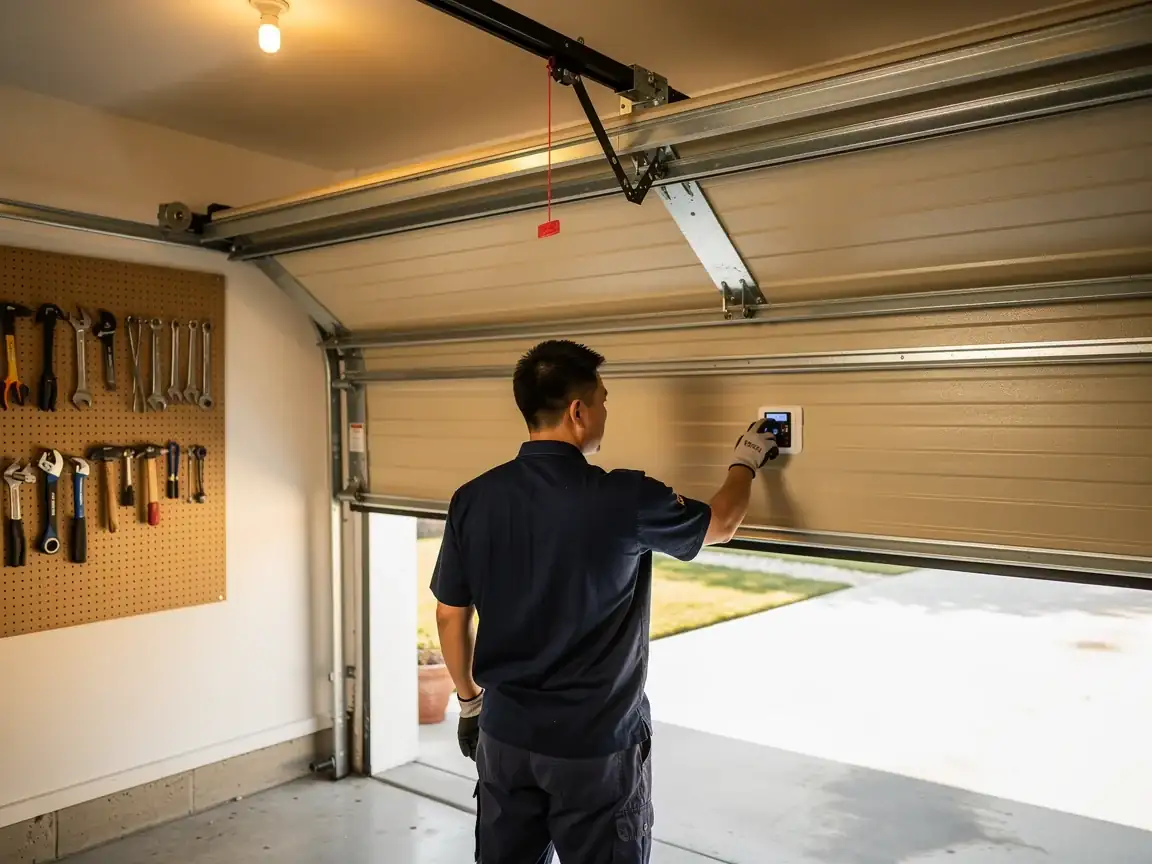
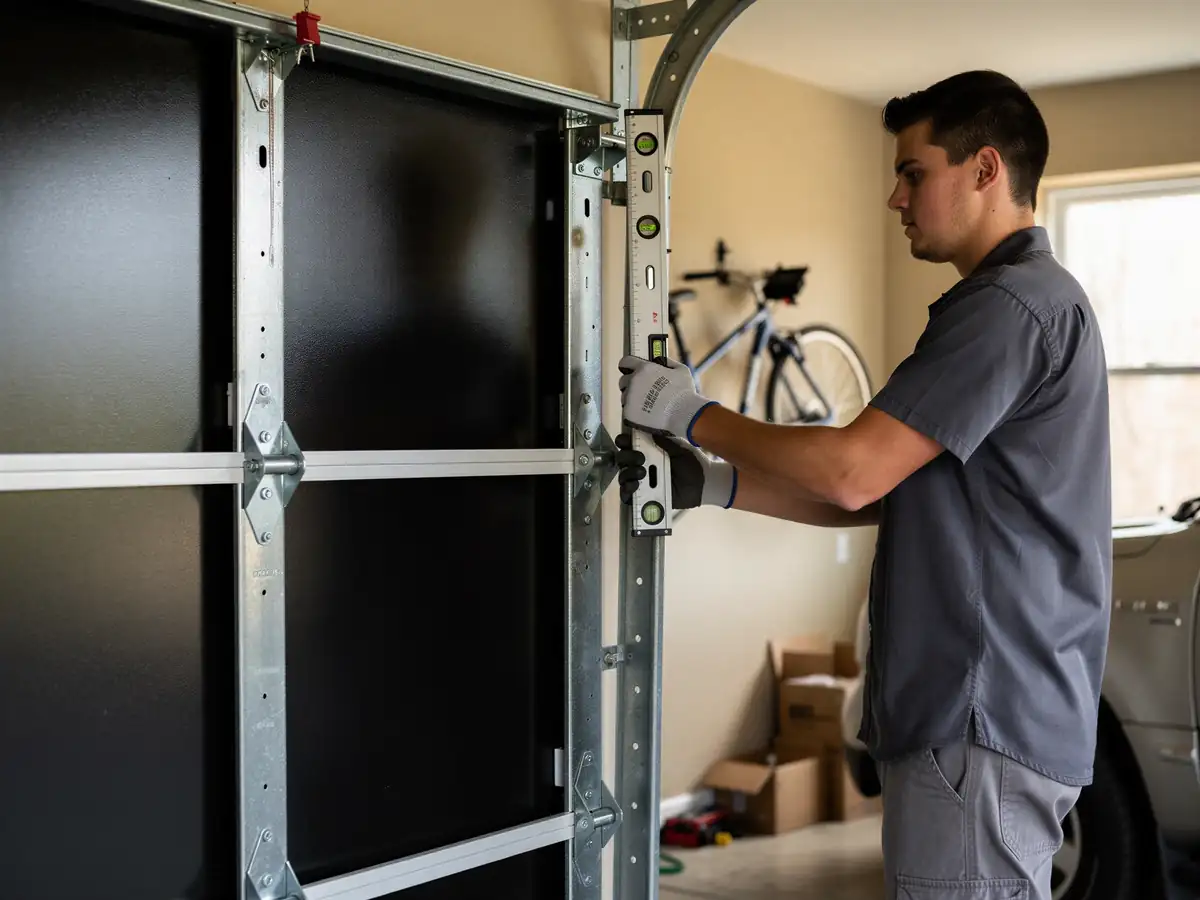
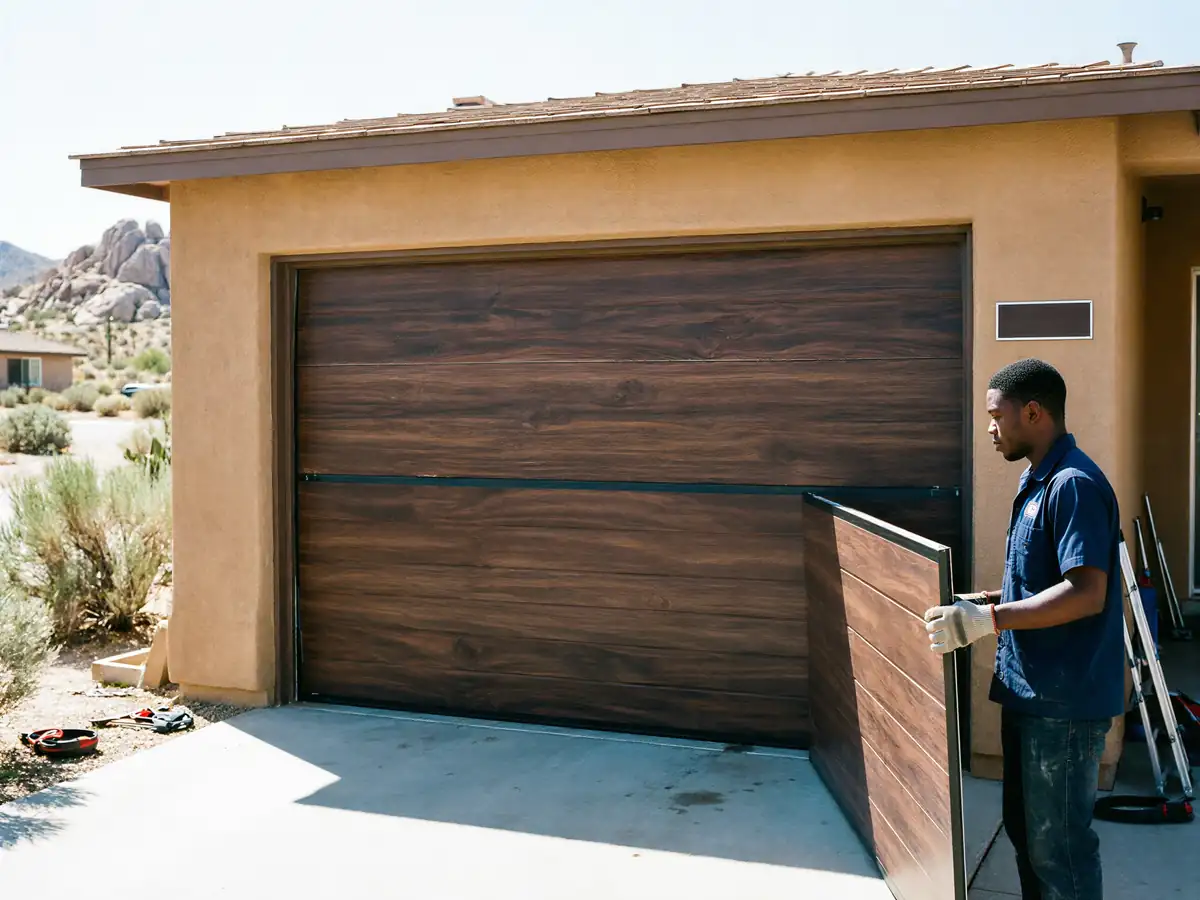
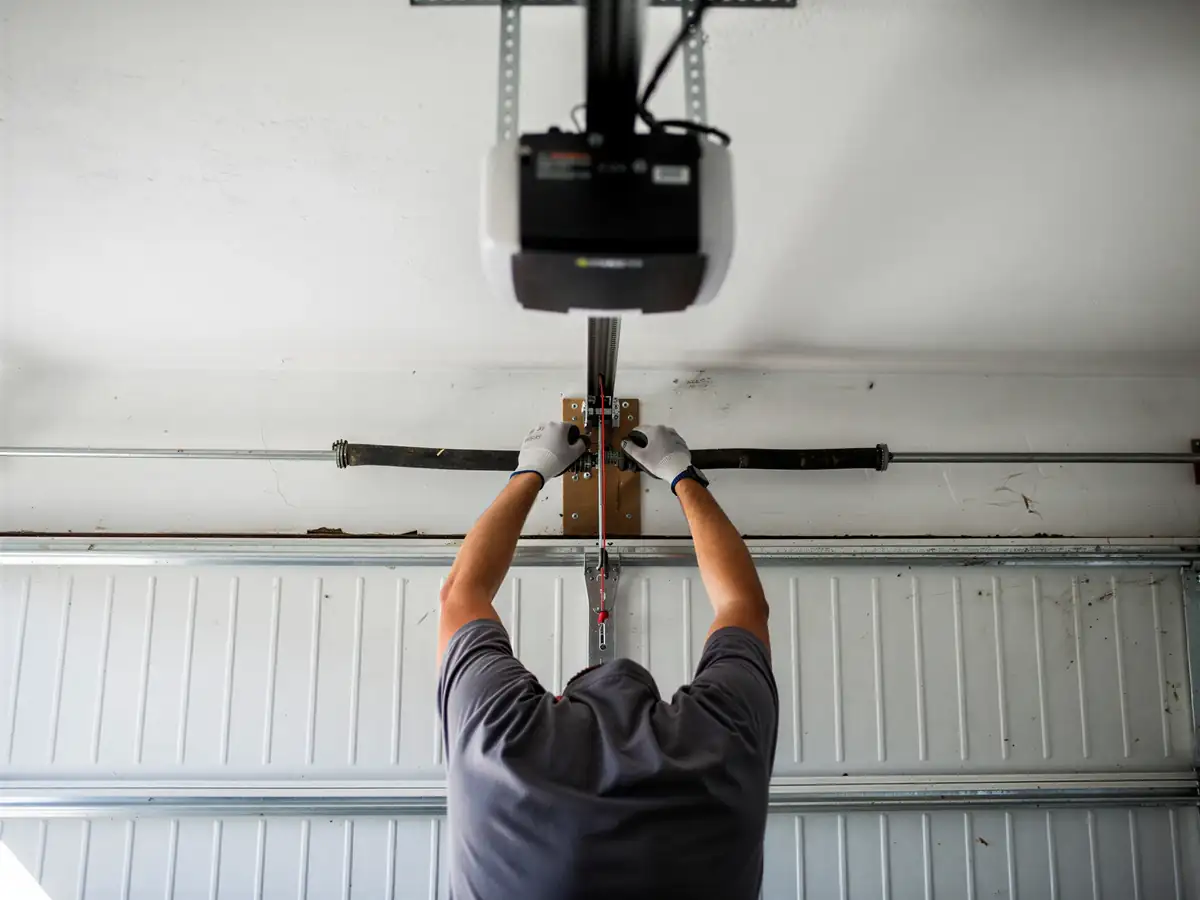
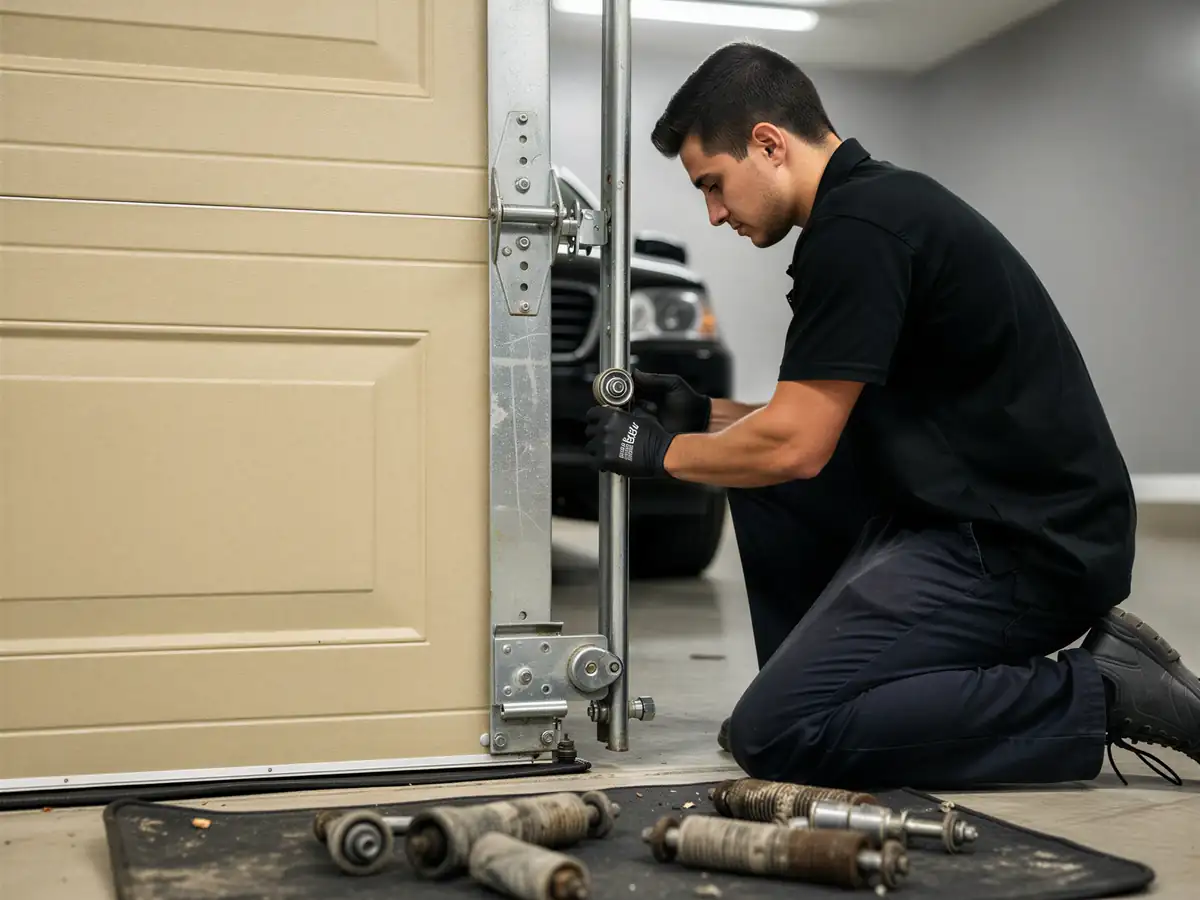
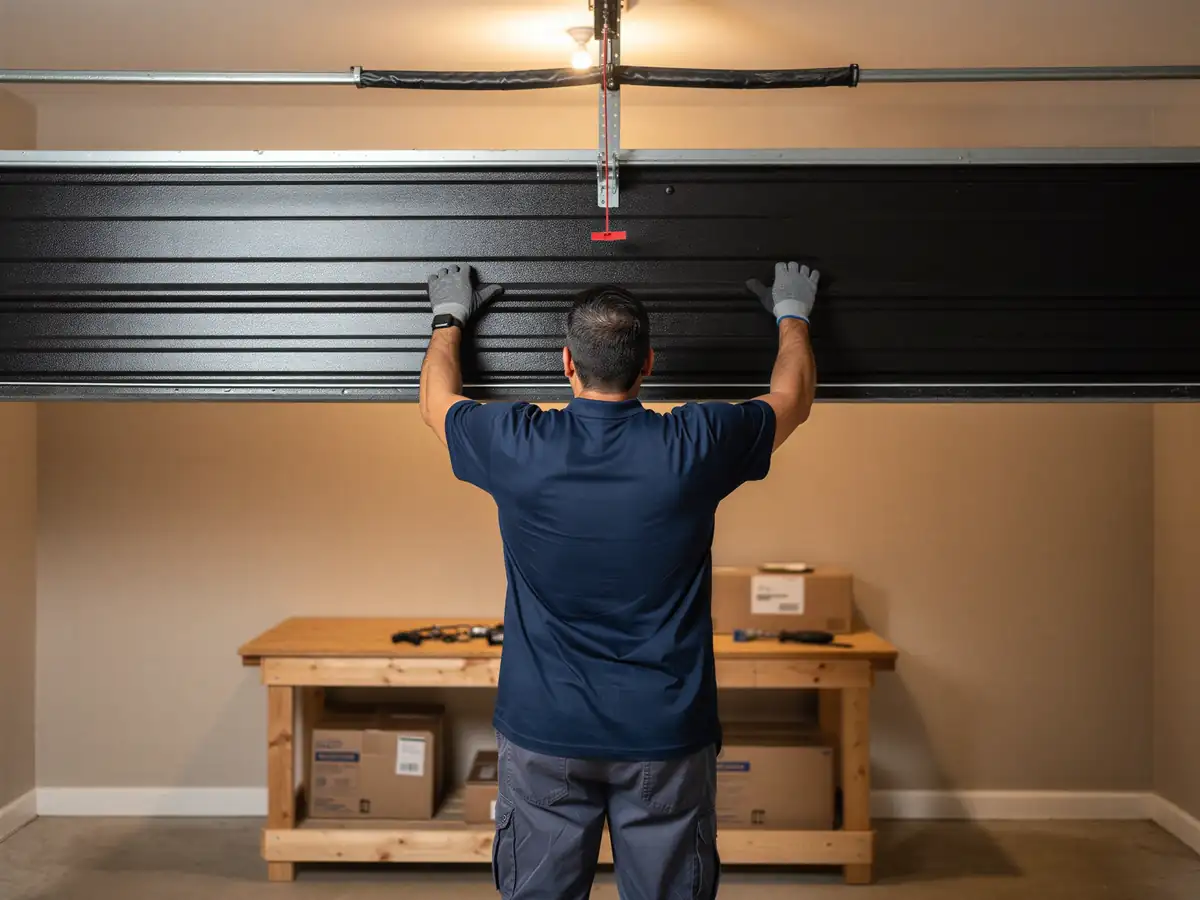
Getting a door back on track starts with freeing whatever's jammed - usually a roller lodged against a bent section of track - then checking whether the track itself is still straight enough to reuse. On the heavier 1978-era doors common in Meyers, we often find the vertical track bowed from the door riding partway off it, which means replacing that section rather than just tapping it back into shape. We also check the cables and the bottom brackets, since a door that's come off one side frequently has a cable that's slipped its drum. One honest limit: if the door itself is warped or the panels are split from age, straightening the track won't fix the underlying problem, and we'll tell you that rather than patch around it. With only 743 households in Meyers, parts for these older doors aren't something we stock on a guess - we confirm the track gauge and roller size before we drive out.